
For many, the name “Hawaii” conjures images of pristine beaches, lush volcanic landscapes, and the gentle sway of palm trees under a perpetually sunny sky. Yet, beyond the idyllic postcards and romanticized notions, the fundamental question “Where Are Hawaii?” points to a fascinating journey of geographical discovery, cultural immersion, and unparalleled travel experiences. This article aims to pinpoint the Hawaiian Islands not just on a map, but also in the rich tapestry of global travel, offering a comprehensive guide to understanding their allure and planning an unforgettable visit.
Locating the Pacific Paradise: The Hawaiian Archipelago
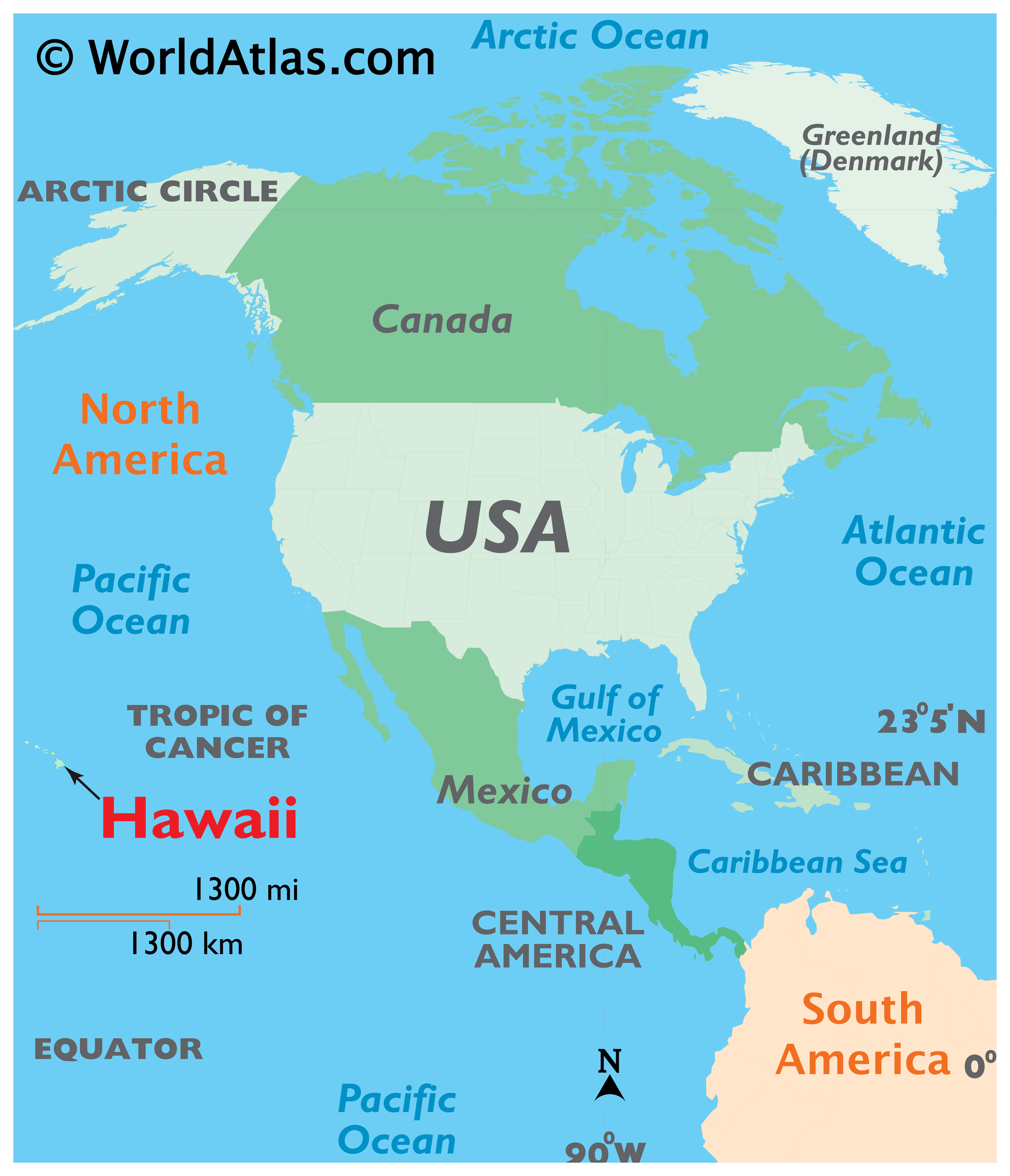
At its core, understanding Hawaii begins with its unique geographical position. Situated in the central Pacific Ocean, Hawaii is the most isolated major population center on Earth, thousands of miles from any continent. This remote location is precisely what has preserved much of its unique biodiversity and cultural heritage, making it a true gem for those seeking an escape from the ordinary.
Geographical Coordinates and Origins
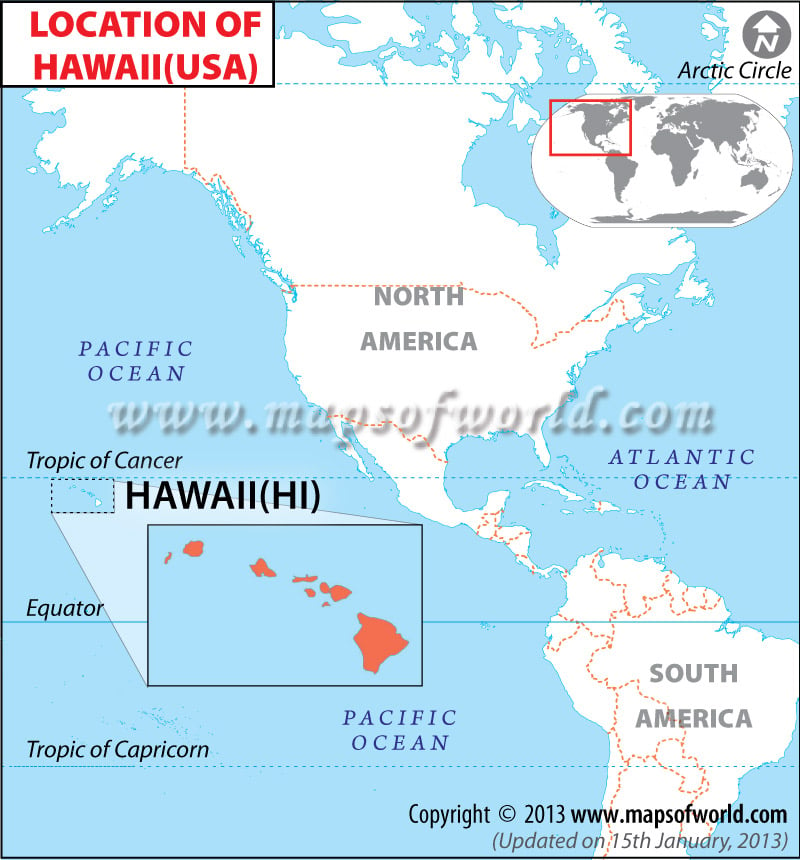
The Hawaiian Islands form an archipelago stretching over 1,500 miles, born from a volcanic hotspot deep within the Earth’s mantle. This hotspot has been steadily producing magma for millions of years, creating a chain of islands as the Pacific Ocean plate moves northwestward over it. The result is a series of islands, ranging from the geologically ancient, eroded remnants in the northwest, to the very young and still-forming Hawaii Island (commonly known as the Big Island) in the southeast.
Politically, Hawaii is the 50th state of the United States, a full 2,400 miles southwest of San Francisco, California, and roughly 3,850 miles southeast of Tokyo, Japan. This strategic location has played a significant role in its history, from ancient Polynesian voyagers navigating vast oceanic expanses to its modern-day importance as a crossroads between North America and Asia. Its remote nature also means that visitors embarking on a Hawaiian adventure are truly immersing themselves in a destination far removed from mainland hustle.
The Major Islands: A Brief Overview
While the Hawaiian archipelago comprises 137 islands, islets, and atolls, eight main islands are commonly referred to as the Hawaiian Islands, six of which are frequently visited by tourists. Each island offers a distinct personality, catering to different travel styles and interests.
-
Oahu: The Gathering Place
Home to the state capital, Honolulu, and the iconic Waikiki Beach, Oahu is the most populous and developed island. It seamlessly blends urban sophistication with natural beauty. Visitors can explore historic sites like Pearl Harbor, hike up Diamond Head for panoramic views, or catch a surf lesson on the legendary North Shore. The island truly lives up to its nickname, offering a diverse array of attractions from bustling city life to secluded beaches. -
Maui: The Valley Isle
Renowned for its stunning beaches, world-class resorts, and the scenic Road to Hana, Maui strikes a balance between development and preservation. It’s a popular choice for honeymooners and families, offering everything from whale watching (seasonal) to exploring the dormant volcano of Haleakala National Park at sunrise. Towns like Lahaina offer historical charm, while resort areas such as Ka’anapali, Wailea, and Kapalua provide luxury accommodation and amenities. -
Hawaii Island (The Big Island): The Orchid Isle
The largest island by far, the Big Island is a land of dramatic contrasts, featuring everything from active volcanoes to snow-capped mountains. Hawaii Volcanoes National Park, home to Kilauea and Mauna Loa, offers a rare opportunity to witness geological creation in action. Beyond the lava flows, visitors can explore black sand beaches, lush rainforests, and the vibrant towns of Hilo and Kailua-Kona. -
Kauai: The Garden Isle
Often considered the most beautiful of the islands, Kauai is a paradise for nature lovers and adventurers. Its dramatic cliffs, cascading waterfalls, and verdant valleys are legendary. The magnificent Na Pali Coast is best explored by helicopter, boat, or an arduous hike, while Waimea Canyon, often called the “Grand Canyon of the Pacific,” offers breathtaking vistas. Poipu on the south shore is a popular resort area. -
Molokai: The Friendly Isle
For those seeking an authentic Hawaiian experience untouched by mass tourism, Molokai offers a glimpse into traditional island life. It boasts the highest sea cliffs in the world and a strong commitment to preserving its native culture. -
Lanai: The Pineapple Isle
Once a vast pineapple plantation, Lanai is now an exclusive retreat, offering a mix of luxurious resorts and rugged off-road adventures. It’s ideal for travelers seeking tranquility and high-end experiences.
Understanding these individual characteristics helps travelers decide which island, or combination of islands, best suits their vision of a Hawaiian adventure.
Delving into Hawaii’s Rich History and Vibrant Culture
Beyond its stunning geography, Hawaii is steeped in a history as rich and dynamic as its volcanic origins, shaped by waves of migration and a unique blending of traditions. Its culture, famously embodied by the “Aloha Spirit,” is a profound reason why so many are drawn to these islands.
From Ancient Polynesia to Modern Statehood
The first inhabitants of Hawaii were Polynesian navigators who arrived between 300 and 800 AD, traversing thousands of miles of ocean in double-hulled canoes. They brought with them plants, animals, and a complex social structure, establishing a sophisticated culture based on kapu (taboos) and reverence for nature. For centuries, these communities thrived in isolation, developing unique art forms, chants, and hula.
The arrival of Captain James Cook in 1778 marked Hawaii’s introduction to the Western world, forever changing its trajectory. Within decades, the islands were unified under the formidable King Kamehameha I, who established the Kingdom of Hawaii. The 19th century saw increasing Western influence, missionary work, and the growth of sugar plantations, which brought waves of laborers from China, Japan, Portugal, and the Philippines, further diversifying the population.
In 1893, the Hawaiian monarchy was overthrown, leading to its annexation by the United States in 1898. The pivotal attack on Pearl Harbor in 1941 propelled the United States into World War II, further solidifying Hawaii’s strategic importance. Finally, in 1959, Hawaii achieved statehood, becoming the only state located outside North America and the only one composed entirely of islands. This complex history has resulted in a unique blend of indigenous, Asian, and Western influences that shape modern Hawaiian society. Visitors can delve into this history at sites like Iolani Palace, the former residence of Hawaiian monarchs, or the solemn USS Arizona Memorial at Pearl Harbor.
Embracing the Aloha Spirit
The “Aloha Spirit” is more than just a greeting; it’s a way of life, a philosophy of kindness, harmony, humility, and patience that permeates Hawaiian culture. Visitors will encounter it in the warm smiles of locals, the shared appreciation for nature, and the emphasis on community and hospitality. This spirit is a cornerstone of Hawaiian tourism, encouraging visitors to respect the land (aina) and its people.
Engaging with local culture is a highlight of any Hawaiian trip. This can involve attending a traditional luau, where Hawaiian food and entertainment are shared, taking hula lessons, or visiting cultural centers such as the Polynesian Cultural Center on Oahu. Trying local delicacies like poke, shave ice, or a plate lunch from a food truck offers a taste of the islands’ diverse culinary heritage. Supporting local artisans and businesses also contributes to preserving this vibrant culture. The Aloha Spirit fosters an environment of welcome and respect, transforming a mere vacation into a truly enriching experience.
Unforgettable Hawaiian Experiences: Destinations and Attractions
The allure of Hawaii lies in its incredible diversity of experiences, appealing to every type of traveler. From world-famous landmarks to thrilling outdoor adventures and serene natural escapes, the islands offer an inexhaustible list of things to see and do.
Iconic Landmarks and Natural Wonders
Hawaii’s natural beauty is its most celebrated asset, with countless spots offering breathtaking views and unique ecological features.
-
Waikiki Beach & Diamond Head (Oahu): These two iconic landmarks are synonymous with Honolulu. Waikiki offers golden sands, surfing lessons, and vibrant beachfront resorts like the historic Moana Surfrider, A Westin Resort & Spa or the Hilton Hawaiian Village Waikiki Beach Resort. The hike up Diamond Head Crater provides unparalleled vistas of the coastline and city.
-
Hawaii Volcanoes National Park (Big Island): Witness the power of creation at this UNESCO World Heritage site, home to two of the world’s most active volcanoes, Kilauea and Mauna Loa. Visitors can drive through otherworldly landscapes, walk across solidified lava fields, and potentially see glowing lava at night, an awe-inspiring sight.
-
Haleakala National Park (Maui): Catching the sunrise from the summit of Haleakala is a spiritual experience, with clouds stretching out beneath you like an ethereal ocean. The park also offers hiking trails into the crater and unique high-altitude ecosystems.
-
Na Pali Coast & Waimea Canyon (Kauai): The dramatic, fluted cliffs of the Na Pali Coast are a marvel of nature, best viewed by boat tour, helicopter, or a strenuous hike. Inland, Waimea Canyon astounds with its vibrant colors and immense scale.
Beyond these giants, there are countless other natural wonders, from the black sands of Punalu’u Beach on the Big Island to the tranquil waters of Hanauma Bay Nature Preserve on Oahu, perfect for snorkeling.
Thrilling Activities and Local Encounters
Hawaii is an adventure playground, offering a wide array of activities to suit every energy level.
-
Water Sports: Surfing is synonymous with Hawaii, with iconic breaks on Oahu’s North Shore and beginner-friendly waves at Waikiki. Snorkeling and diving are exceptional, particularly in places like Molokini Crater off Maui or the pristine reefs of Lanai. Kayaking, paddleboarding, and outrigger canoe rides are also popular.
-
Hiking and Exploration: Each island boasts extensive trail networks, leading to hidden waterfalls, panoramic viewpoints, and lush rainforests. From easy coastal walks to challenging multi-day treks, there’s a path for every adventurer. Zip-lining through canopies, horseback riding across ranches like Kualoa Ranch, or ATV tours offer different ways to explore the rugged terrain.
-
Cultural Immersion: Beyond luaus, visitors can engage in lei making, learn to play the ukulele, or take a historical walking tour of Lahaina in Maui. Visiting local markets, coffee farms, or pineapple plantations offers insight into the islands’ agricultural heritage.
-
Culinary Adventures: Hawaii’s culinary scene is a delicious fusion of cultures. From upscale dining at resorts like the Four Seasons Resort Maui at Wailea to casual food trucks serving up fresh poke bowls, exploring the local cuisine is an adventure in itself. Don’t miss sampling fresh seafood, tropical fruits, and traditional dishes like kalua pig.
Planning Your Hawaiian Getaway: Accommodation and Travel Styles
Preparing for a trip to Hawaii involves more than just booking a flight; it’s about choosing the right island, the perfect accommodation, and tailoring the experience to your preferred travel style. The website’s focus on Hotels, Accommodation, and Lifestyle topics is particularly relevant here, offering guidance for every traveler.
Choosing Your Perfect Stay: Hotels, Resorts, and Villas
Hawaii offers a vast array of accommodation options, ranging from opulent five-star resorts to cozy boutique hotels, charming vacation rentals, and budget-friendly hostels. The choice often depends on the island, your budget, and the type of experience you seek.
-
Luxury Resorts: For those seeking indulgence, Hawaii is home to some of the world’s most acclaimed resorts. On Maui, properties like the Four Seasons Resort Maui at Wailea or The Ritz-Carlton, Kapalua offer exquisite service, oceanfront access, and extensive amenities like golf courses, spas, and multiple dining options. On Kauai, the Grand Hyatt Kauai Resort & Spa provides a luxurious escape. These resorts often cater to romantic getaways and high-end family vacations, ensuring every need is met.
-
Boutique Hotels & Unique Stays: For travelers desiring a more intimate and distinctive experience, boutique hotels and guesthouses offer local charm and personalized service. These can be found in towns like Paia on Maui or North Shore Oahu, providing a deeper connection to the local community. Disney’s Aulani Resort & Spa on Oahu provides a themed, family-friendly resort experience, combining Hawaiian culture with Disney magic.
-
Vacation Rentals (Villas, Condos, Apartments): Ideal for families, groups, or long-term stays, vacation rentals offer more space, privacy, and often kitchen facilities, which can be budget-friendly. Options range from beachfront condos in Kihei to secluded villas on the Big Island’s Kona coast. Platforms dedicated to accommodation comparisons and reviews are invaluable for finding the perfect rental.
-
Budget-Friendly Options: Even in Hawaii, budget travel is possible with hostels, smaller motels, and camping sites available, especially on the Big Island and Maui. These options allow travelers to extend their stay and allocate more funds to experiences.
When booking, consider the proximity to attractions, dining, and activities relevant to your interests. Reviews and comparison tools are essential for making an informed decision, ensuring your accommodation enhances your Hawaiian adventure.
Navigating Travel Styles: Luxury, Budget, and Family Adventures
Hawaii caters to a spectrum of travel preferences, making it a versatile destination for different “lifestyles.”
-
Luxury Travel: For those seeking opulence, Hawaii delivers with world-class resorts, private villa rentals, gourmet dining, and exclusive excursions. Think private yacht charters, helicopter tours over volcanic landscapes, and spa treatments overlooking the ocean. Luxury travelers might focus on islands like Maui or Lanai, renowned for their high-end offerings.
-
Budget Travel: While Hawaii can be expensive, savvy travelers can enjoy it on a budget. This involves utilizing vacation rentals with kitchens, seeking out local eateries (food trucks, farmers’ markets), taking advantage of free natural attractions (beaches, hikes), and opting for off-peak season travel. Inter-island flights can add up, so focusing on one or two islands can also save money.
-
Family Trips: Hawaii is a fantastic destination for families, offering endless activities for all ages. Resorts often feature kids’ clubs, large pools, and family-friendly dining. Attractions like the Honolulu Zoo, Waikiki Aquarium, and snorkeling at Hanauma Bay Nature Preserve are big hits. Vacation rentals provide space and flexibility for families, making them a popular choice.
-
Adventure and Ecotourism: Thrill-seekers and nature enthusiasts will find their paradise in Hawaii. Hiking the Kalalau Trail on Kauai, scuba diving with manta rays on the Big Island, or catching waves on Oahu’s North Shore are just a few examples. Ecotourism is a growing focus, with opportunities to volunteer for conservation efforts or visit sustainable farms.
-
Romantic Getaways/Honeymoons: With its breathtaking sunsets, secluded beaches, and luxurious accommodations, Hawaii is a top choice for romance. Couples can enjoy private dinners, couples’ massages, and strolls along moonlit shores, creating unforgettable memories.
Understanding these different travel styles helps in tailoring an itinerary that perfectly aligns with expectations and desires, transforming the conceptual “Where Are Hawaii?” into a deeply personal and fulfilling travel narrative.
Practical Tips for an Ideal Hawaiian Journey
To truly answer “Where Are Hawaii?” in the context of a memorable trip, it’s essential to consider practical aspects that enhance the overall experience. Thoughtful planning regarding logistics, cultural sensitivity, and environmental responsibility ensures a smoother, more enjoyable, and respectful visit.
Essential Advice for First-Time Visitors
-
Book Flights and Accommodation in Advance: Especially during peak seasons (winter holidays, summer, spring break), flights and popular accommodations fill up quickly and prices increase. Early booking, particularly for inter-island flights, is crucial.
-
Rent a Car: While Oahu has a decent public transportation system in Honolulu (TheBus), exploring the other islands, and even the rest of Oahu, almost necessitates a rental car. This provides the freedom to discover hidden gems and less-traveled paths.
-
Pack Smart: Bring light clothing, swimwear, reef-safe sunscreen, a hat, sunglasses, and comfortable walking shoes. Layers are advisable for visits to higher elevations like Haleakala or Mauna Kea, where temperatures can drop significantly.
-
Respect the Land and Culture: Embrace the “Aloha Spirit.” Be mindful of local customs, ask permission before photographing people, and always respect sacred sites. Practice “Leave No Trace” principles by packing out what you pack in, staying on marked trails, and avoiding disturbing wildlife. Use reef-safe sunscreen to protect marine ecosystems.
-
Stay Hydrated and Sun Safe: The Hawaiian sun is intense. Drink plenty of water, especially when hiking or spending time at the beach. Apply and reapply sunscreen, and seek shade during peak sun hours.
-
Be Aware of Ocean Conditions: Hawaiian waters can be powerful. Always heed warning signs, swim at lifeguarded beaches, and understand rip currents. When snorkeling or diving, avoid touching coral or marine life.
-
Time Zone: Hawaii operates on Hawaii Standard Time (HST), which does not observe Daylight Saving Time. This means a significant time difference with the mainland United States (e.g., 5 hours behind Pacific Standard Time during summer).
In conclusion, “Where Are Hawaii?” is a question with a multifaceted answer. It’s a geographical location in the heart of the Pacific Ocean, a vibrant cultural melting pot, a historical testament to human resilience and adaptation, and a premier destination offering an unparalleled diversity of travel experiences. By understanding its location, respecting its heritage, and planning thoughtfully, visitors can unlock the true magic of the Hawaiian Islands and create memories that last a lifetime.
LifeOutOfTheBox is a participant in the Amazon Services LLC Associates Program, an affiliate advertising program designed to provide a means for sites to earn advertising fees by advertising and linking to Amazon.com. Amazon, the Amazon logo, AmazonSupply, and the AmazonSupply logo are trademarks of Amazon.com, Inc. or its affiliates. As an Amazon Associate we earn affiliate commissions from qualifying purchases.