
For anyone considering a visit to the Gem State, contemplating a long-term stay, or even mulling over a permanent relocation, understanding the local tax landscape is a crucial piece of the puzzle. Whether you’re drawn by the majestic Sawtooth Mountains, the vibrant urban scene of Boise, or the serene waters of Lake Coeur d’Alene, the financial implications of state taxes can significantly impact your travel budget, cost of living, and overall experience. So, to answer the question directly: Yes, Idaho does have an individual income tax. However, delving into the specifics reveals a nuanced picture that goes far beyond a simple yes or no, especially when viewed through the lens of travel, accommodation, and lifestyle choices.
Understanding Idaho’s Tax Landscape for Visitors and Residents
Understanding Idaho’s tax structure is essential for anyone planning a trip, considering a temporary stay, or thinking about making the state their new home. From budgeting for a vacation to evaluating the long-term financial viability of relocation, taxes play a significant role.
The Direct Answer: Idaho’s Individual Income Tax
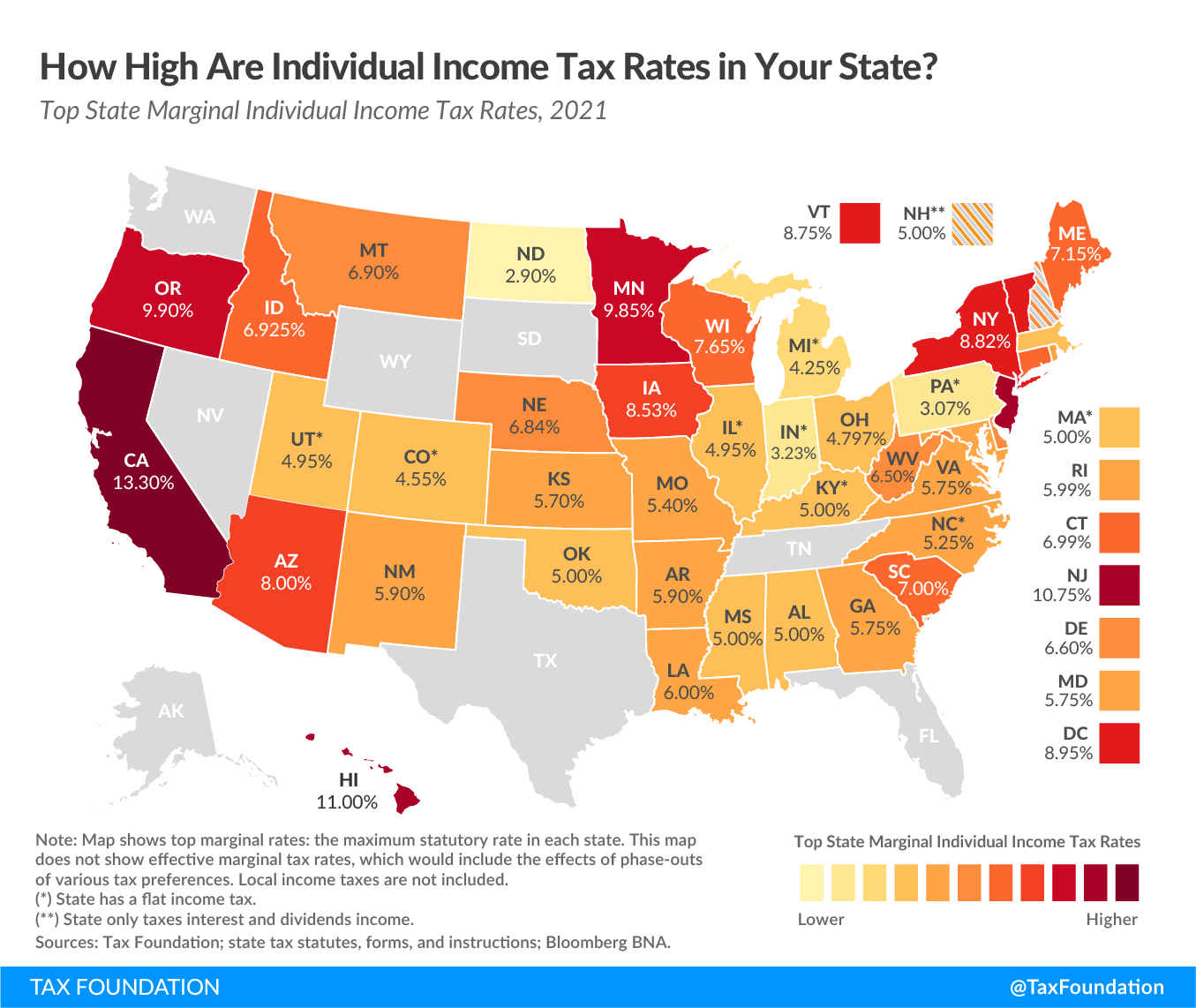
As confirmed, Idaho levies an individual income tax on its residents’ worldwide income and on income earned by non-residents from Idaho sources. This means that if you are considered an Idaho resident, all your income, regardless of where it was earned, is subject to Idaho income tax. For non-residents, only the income derived from activities within the state, such as wages from an Idaho employer, rental income from Idaho property, or business profits from an Idaho venture, will be taxed by the state.
The existence of an income tax is often a major consideration for individuals and families when comparing Idaho to states with no income tax, particularly for remote workers, retirees, or those with significant investment income. While the presence of income tax might initially seem like a drawback, it’s important to understand the rates, deductions, and credits available, as these can significantly alter the overall tax burden.
How Idaho’s Income Tax Works: Rates, Brackets, and Filings
Idaho utilizes a progressive income tax system, meaning that as your taxable income increases, so does the tax rate applied to those higher income brackets. This structure is designed to distribute the tax burden more equitably across different income levels. The top marginal individual income tax rate has seen adjustments over time, reflecting ongoing efforts to maintain economic competitiveness and fund state services. It’s crucial to check the most current tax year’s rates directly with the Idaho State Tax Commission, as these figures can change.
Typically, Idaho’s income tax brackets are structured to apply varying rates to different segments of income. For instance, the lowest bracket might apply a relatively small percentage to the first few thousand dollars of taxable income, while the highest bracket applies a higher percentage to income exceeding a certain threshold. Taxable income is calculated after accounting for various deductions and exemptions, which can reduce the amount of income subject to tax. These might include standard deductions, itemized deductions (such as mortgage interest or charitable contributions), and personal exemptions.
For tourists, the individual income tax generally won’t directly impact short-term visits unless they engage in income-generating activities within the state. However, for those considering an extended stay, perhaps as a “snowbird” or a digital nomad exploring different locales, understanding residency rules becomes paramount. If your stay in Idaho crosses certain duration thresholds or if you establish significant ties to the state, you could be deemed an Idaho resident for tax purposes, making all your income subject to state tax. This is a critical point for anyone planning to embrace the Idaho lifestyle for more than just a fleeting vacation.
Beyond Income Tax: Other Essential Taxes in Idaho
While individual income tax is a significant component, it’s just one piece of the broader tax puzzle in Idaho. Other taxes directly impact visitors and residents alike, shaping the overall financial landscape.
-
Sales Tax: Idaho has a statewide sales tax that applies to most retail sales of tangible personal property, as well as some services. This tax is a direct consideration for every traveler, impacting the cost of souvenirs, meals at local restaurants, and even basic necessities purchased during a trip. The current rate is consistent across the state, meaning whether you’re shopping in Boise, Coeur d’Alene, or a smaller town like McCall, you’ll pay the same sales tax percentage. This uniformity simplifies budgeting for visitors.
-
Property Tax: Property taxes are levied by local governments in Idaho (counties, cities, school districts, etc.) and are a primary funding source for local public services, including schools, fire departments, and police. For homeowners, property tax is a substantial ongoing expense and a key factor in the overall cost of living. While not directly paid by tourists, property taxes indirectly affect accommodation costs, as hotels, resorts, and vacation rentals incorporate these expenses into their pricing. For those considering purchasing a vacation home or relocating, understanding the local property tax rates in areas like Sun Valley or Sandpoint is crucial.
-
Other Taxes: Idaho also has various other taxes that might affect specific businesses or industries, such as fuel taxes, cigarette and tobacco taxes, and liquor taxes. While these are typically indirect for the average consumer, they contribute to the state’s revenue streams, which in turn fund infrastructure and public services that enhance both resident and visitor experiences, from well-maintained roads to state parks.
Understanding this broader tax environment paints a more complete picture of the financial considerations when engaging with Idaho, whether for a brief visit or a lifetime of adventure.
Financial Considerations for Your Idaho Travel and Lifestyle
The tax structure in Idaho doesn’t just exist in a vacuum; it directly influences the financial practicalities of visiting, living, and even conducting business within the state. For travelers, these considerations impact trip planning and budgeting, while for residents, they are fundamental to their overall lifestyle and economic well-being.
Budgeting for Your Idaho Vacation: Sales Tax and Accommodation
When planning a vacation to Idaho, sales tax is perhaps the most immediate and tangible tax consideration for travelers. Unlike income tax, which rarely applies to short-term tourists, sales tax is ubiquitous. Whether you’re enjoying a craft beer in Boise’s thriving downtown, picking up souvenirs from a local artisan in Coeur d’Alene, or fueling up your car for a scenic drive through the Palouse, the state’s sales tax will be added to your bill. It’s a good practice to factor this into your daily spending estimates to avoid any surprises.
Beyond general purchases, accommodation is another area where taxes play a role. While Idaho has a statewide sales tax that applies to hotel stays, many cities and counties also impose additional local lodging taxes. These “bed taxes” or “occupancy taxes” are typically levied to fund local tourism initiatives, convention centers, or municipal services, enhancing the very attractions that draw visitors. For example, staying at a luxury resort in Sun Valley or a cozy Airbnb in McCall will incur these additional charges. Always check the total price, including all taxes and fees, when booking hotels, suites, or villas to accurately budget for your stay. These revenues often contribute to the maintenance of landmarks and attractions, directly benefiting the traveler experience.
The Cost of Living: Property Tax and Overall Affordability
For those contemplating a move to Idaho, the cost of living, heavily influenced by property taxes, is a major decision-making factor. Idaho is generally perceived as having a relatively lower cost of living compared to some coastal states, though this can vary significantly by region. Major metropolitan areas like Boise and popular tourist destinations such as Coeur d’Alene or Sun Valley tend to have higher housing costs and, consequently, higher property tax burdens than rural areas.
Property taxes are calculated based on the assessed value of a property and local levy rates. These funds are vital for local infrastructure, schools, and essential services that contribute to the quality of life, which is a major draw for families and retirees. While Idaho does offer a homeowner’s exemption that reduces the taxable value of an owner-occupied primary residence, it’s still crucial for potential residents to research the specific property tax rates in their desired locality. High property taxes can offset some of the perceived benefits of lower income tax rates, especially for those with significant home equity. Understanding this balance is key to evaluating the true affordability of the Idaho lifestyle.
Idaho’s Business Tax Environment: Impact on Local Services and Economy
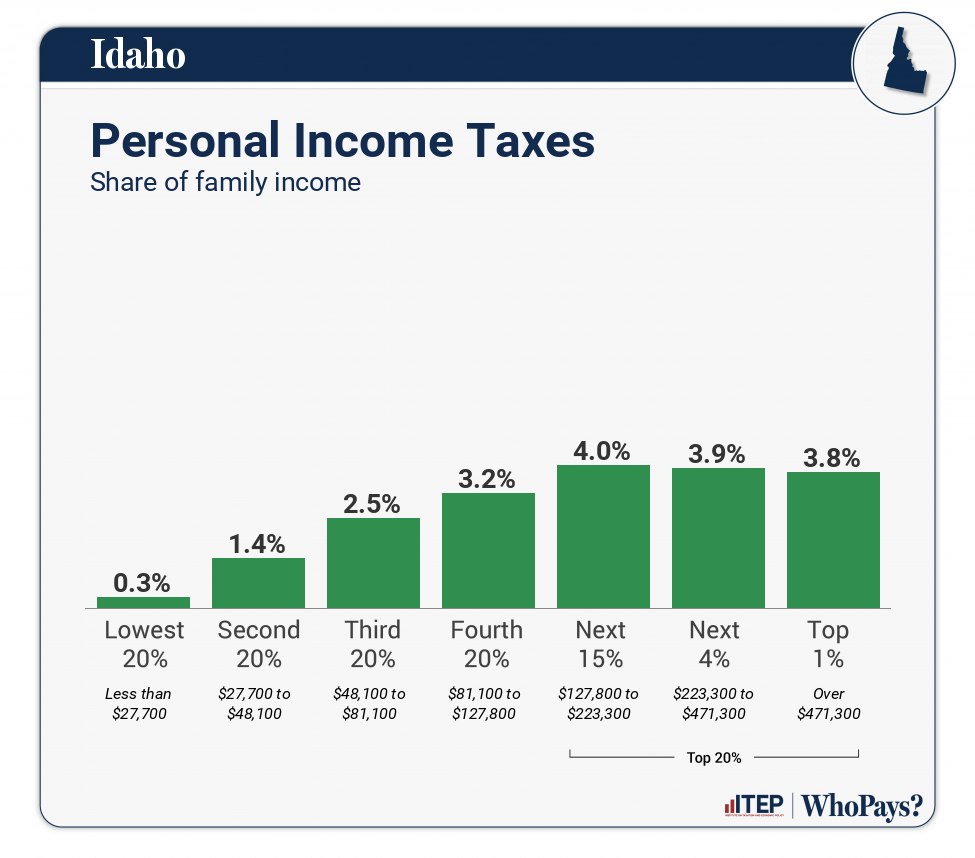
The state’s tax policies also extend to businesses, influencing the economic landscape and the availability of services that benefit both residents and tourists. Idaho levies a corporate income tax on businesses operating within its borders, with a flat rate applied to corporate profits. Additionally, businesses are responsible for collecting and remitting sales tax on taxable goods and services.
A favorable business tax environment can encourage entrepreneurship, attract new companies, and foster job growth, leading to a robust local economy. This, in turn, can result in better amenities, more diverse dining options, enhanced attractions, and improved infrastructure – all elements that enrich the travel experience. For example, a thriving business sector might mean more independent boutiques, innovative restaurants, and better-funded local events and festivals in cities like Idaho Falls or Pocatello. Conversely, an overly burdensome tax system could stifle economic growth, potentially leading to fewer local services and higher prices for consumers.
For those considering a long-term stay or relocation with an entrepreneurial spirit, understanding Idaho’s specific business incentives, such as tax credits for job creation or investments in specific industries, could be highly beneficial. These policies often aim to diversify the economy and support sectors like technology, agriculture, and tourism, which further enhance Idaho’s appeal.
Idaho’s Tax Profile: A Comparative Look and Its Lifestyle Implications
When making decisions about travel, temporary stays, or permanent relocation, people often compare the tax environment of different states. Idaho’s tax profile, while including an income tax, often presents a competitive package, especially when considering the overall lifestyle and opportunities it offers.
How Idaho Compares to Other States
Compared to its neighbors and other popular destinations, Idaho’s tax system offers a unique balance. States like Washington and Nevada boast no individual income tax, which can be highly attractive to high-income earners or retirees living off investment income. However, these states often compensate with higher sales taxes, property taxes, or other fees. For instance, Washington has a relatively high sales tax rate, and its property taxes can be substantial. Oregon, to its west, also has a progressive income tax but no statewide sales tax, creating a different spending dynamic.
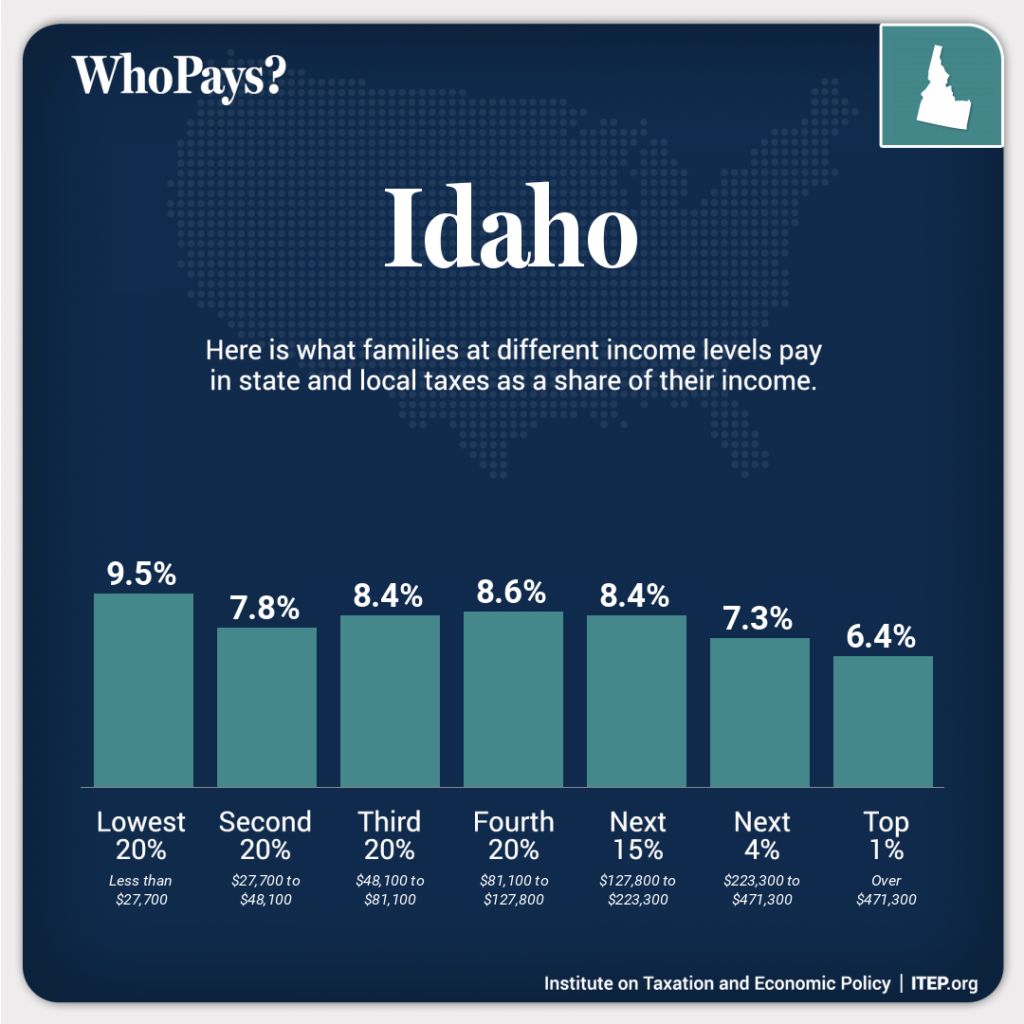
Idaho’s combination of a progressive income tax, a moderate sales tax, and generally reasonable property taxes (especially outside major metropolitan areas) can make it an attractive option for a broad range of individuals. For families, the overall tax burden can sometimes be lower than in states with no income tax but significantly higher property or sales taxes. This balanced approach supports a comprehensive range of state services without placing an excessive burden on any single tax category. This balance contributes to the state’s appeal for various lifestyles, from budget travel to luxury retreats.
Attracting Remote Workers and Retirees: Tax Benefits and Quality of Life
The shift towards remote work has opened up new possibilities for professionals to live and work from virtually anywhere. Idaho, with its stunning natural beauty, outdoor recreation opportunities, and often a lower cost of living compared to coastal tech hubs, has become a magnet for remote workers. While the state does have income tax, the overall financial picture, combined with a high quality of life, can be very appealing. The vibrant tech scene in Boise and the welcoming communities across the state make it an excellent choice for those seeking a balance between career and lifestyle.
For retirees, Idaho offers certain tax advantages. Social Security benefits are generally exempt from Idaho income tax. Additionally, some pension income may qualify for deductions or exclusions, depending on the source and amount. These benefits, coupled with affordable housing options in many areas, a pleasant climate (four distinct seasons), and access to world-class medical facilities, make Idaho Falls or Twin Falls appealing destinations for those looking to enjoy their golden years. The lower overall cost of living, when taxes are considered alongside housing, utilities, and daily expenses, contributes significantly to a comfortable retirement lifestyle.
Investing in Idaho: Economic Growth and Tax Incentives
Idaho’s proactive approach to economic development, supported by its tax structure, also makes it an interesting state for investors and businesses. The state offers various tax incentives and programs designed to encourage new businesses, foster job creation, and stimulate investment in key industries like manufacturing, technology, and agriculture. These incentives can include tax credits for new capital investments, research and development, or job training programs.
A stable and predictable tax environment is attractive to investors seeking long-term growth. The state’s consistent economic growth, particularly in areas like Boise and the Magic Valley, signals a healthy business climate. This growth translates into more opportunities for diverse accommodations, enhanced tourism infrastructure, and a broader array of lifestyle options, benefiting both short-term visitors and permanent residents. When considering a long-term stay or even purchasing investment property, understanding the state’s commitment to economic development and its related tax policies is invaluable.
Navigating Idaho’s Tax System: Tips for Long-Term Stays and Relocation
For those whose journey to Idaho extends beyond a typical vacation – be it for a seasonal work assignment, an extended digital nomad adventure, or a full-fledged relocation – navigating the state’s tax system requires careful planning and awareness.
Residency Rules and Tax Implications
The distinction between a “resident” and a “non-resident” for tax purposes is crucial in Idaho, as it determines whether your entire income or only Idaho-sourced income is taxable by the state. Generally, an individual is considered an Idaho resident if they are domiciled in the state, meaning Idaho is their permanent home, or if they maintain a permanent place of abode in Idaho and spend more than 270 days there during the tax year.
For digital nomads or individuals undertaking long-term travel, understanding these “270-day rules” or “domicile rules” is vital. Establishing residency can have significant tax implications, as it means your global income will be subject to Idaho’s progressive income tax rates, even if much of that income is earned remotely from clients outside the state. Conversely, carefully managing your time and ties to the state can help maintain non-resident status if that is your preference, limiting Idaho taxation to only Idaho-sourced income. This is especially relevant for those who split their time between multiple states or countries, enjoying different lifestyles.
Finding Professional Tax Assistance in Idaho
Given the complexities of tax law, especially when dealing with multi-state income, residency changes, or unique investment scenarios, seeking professional tax assistance is often a wise decision. Certified Public Accountants (CPAs) and tax preparers in Idaho specialize in state-specific tax laws and can provide invaluable guidance. They can help ensure compliance, identify all eligible deductions and credits, and advise on strategies to optimize your tax situation, whether you’re a new resident, a business owner, or someone with complex financial affairs.
When searching for a tax professional, look for individuals or firms with experience in issues relevant to your situation, such as small business taxes, retirement planning, or multi-state taxation. Local chambers of commerce in cities like Boise or Coeur d’Alene often have directories of reputable professionals, or online searches can yield qualified candidates. Investing in professional advice can save you time, stress, and potentially significant amounts of money in the long run, allowing you to fully enjoy your Idaho experience, whether it’s for travel or a new home.
Resources for Further Information
For the most accurate and up-to-date information regarding Idaho’s tax laws, the official website of the Idaho State Tax Commission is the primary resource. This website provides detailed information on individual income tax, sales tax, property tax, and business taxes, including forms, publications, and frequently asked questions. They offer specific guidance for residents, non-residents, and businesses, ensuring that all relevant information is accessible.
Additionally, various non-profit organizations and government agencies, both at the state and federal levels, offer resources on tax education and assistance. For federal tax matters, the IRS website is the definitive source. Staying informed and utilizing these resources can empower you to confidently navigate the tax landscape and make the most of your time in Idaho.
In conclusion, while Idaho does indeed have an individual income tax, its broader tax environment, combined with the state’s stunning natural beauty, vibrant communities, and diverse lifestyle opportunities, presents a compelling picture for travelers and potential residents alike. By understanding these financial nuances, you can better plan your journey, manage your budget, and fully immerse yourself in all that the Gem State has to offer.
LifeOutOfTheBox is a participant in the Amazon Services LLC Associates Program, an affiliate advertising program designed to provide a means for sites to earn advertising fees by advertising and linking to Amazon.com. Amazon, the Amazon logo, AmazonSupply, and the AmazonSupply logo are trademarks of Amazon.com, Inc. or its affiliates. As an Amazon Associate we earn affiliate commissions from qualifying purchases.