
Navigating the financial aspects of travel is a crucial part of planning any trip, whether you’re embarking on a luxury escape or a budget-friendly adventure. Among these considerations, understanding local taxes, particularly sales tax, is essential for accurately budgeting your expenses. This is especially true when planning a visit to the scenic and diverse state of Idaho. While Idaho might conjure images of majestic mountains, pristine rivers, and outdoor adventures, it also has its own unique tax structure that impacts travelers and residents alike. This guide will delve into the intricacies of Idaho’s sales tax, helping you to be fully prepared for your journey.
Understanding Idaho’s Sales Tax Structure
At its core, Idaho’s sales tax is a tax imposed on the sale of tangible personal property and certain services. It’s a key source of revenue for the state, funding essential public services such as education, infrastructure, and public safety. For travelers, this means that many of the purchases you make during your stay, from souvenirs to meals at local restaurants, will likely be subject to this tax.
The General Sales Tax Rate
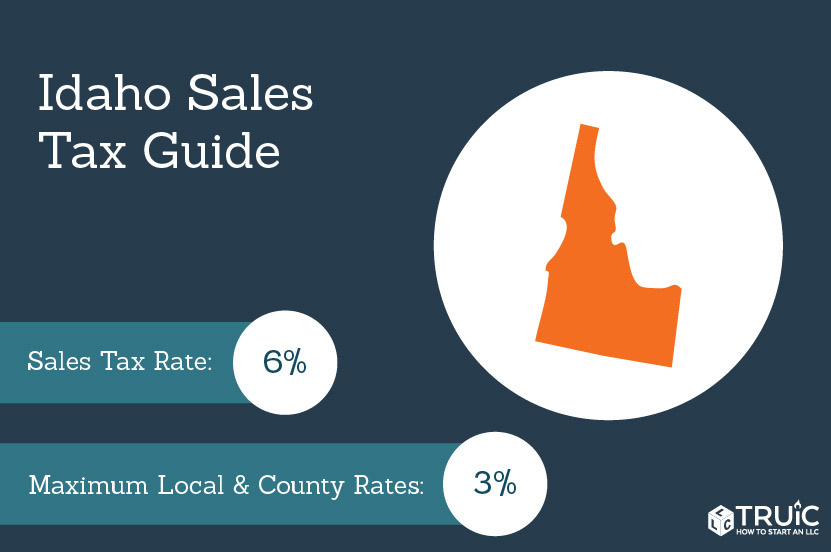
The standard statewide sales tax rate in Idaho is 6%. This rate applies to a broad range of goods and services across the state. When you’re exploring charming towns like Boise, enjoying outdoor activities near Sun Valley, or staying in a cozy cabin in the Sawtooth National Recreation Area, this 6% rate will generally be added to the price of your taxable purchases. It’s important to note that this rate can be a significant factor in your overall travel budget, especially for extended stays or if you plan on making numerous purchases.
Local Sales Tax: An Added Layer of Complexity
While the state imposes a uniform 6% sales tax, some counties and cities in Idaho have the authority to levy their own local option taxes. These local taxes are typically added on top of the state sales tax, increasing the total tax rate for purchases made within those specific jurisdictions.
The most common form of local option tax is the resort city tax. These taxes are designed to help fund public services and infrastructure in areas that experience high volumes of tourism. Cities that commonly implement resort city taxes include popular destinations like Sun Valley, Ketchum, and McCall.
Resort City Taxes in Idaho
Resort city taxes can vary in rate, usually ranging from 1% to 3%. This means that in a city with a 2% resort city tax, your total sales tax rate would be 6% (state) + 2% (local) = 8%. In Sun Valley, for instance, a resort city tax is in place to support the community’s unique tourism-driven economy. This tax applies to lodging, prepared food, and alcoholic beverages sold within the city limits. When booking your accommodation at a place like the Sun Valley Resort, or dining at a local eatery, factor in this additional percentage.
Similarly, McCall, a popular destination for outdoor enthusiasts, also has a resort city tax. This tax helps fund the city’s infrastructure, which needs to accommodate a large influx of visitors, especially during peak seasons for activities like skiing at Brundage Mountain Resort or boating on Payette Lake.
How Local Taxes Affect Your Travel Budget
Understanding these local taxes is crucial for accurate budgeting. If you’re planning a trip that includes stops in multiple towns, you’ll need to be aware of the specific tax rates in each location. For example, a purchase made in Boise will likely only be subject to the state sales tax (and potentially any applicable local option taxes if Boise County or the city itself has enacted them, though it’s less common for major cities to have resort-style local taxes as prominently as smaller resort towns), whereas a purchase in Ketchum might incur a higher combined rate due to the resort city tax. This is especially relevant when considering accommodation, as hotel rates will have this tax added. A stay at a luxury hotel in Sun Valley will therefore be more expensive than a comparable hotel in a town without a resort tax.
What Purchases Are Subject to Sales Tax in Idaho?
Idaho’s sales tax is applied to a wide array of tangible goods and certain services. For travelers, this means most of your everyday spending will be affected.
Tangible Personal Property
This is the broadest category and includes almost all physical items you might buy. When you’re shopping for souvenirs in Coeur d’Alene, purchasing outdoor gear in Pocatello, or picking up groceries for a picnic near Stanley, the 6% state sales tax (plus any applicable local taxes) will be added to the price. This covers everything from clothing and electronics to books and sporting equipment.
Prepared Food and Beverages
Eating out is a significant part of the travel experience, and in Idaho, prepared food and beverages are generally subject to sales tax. This includes meals purchased at restaurants, cafes, and food trucks. If you’re enjoying a famous Idaho potato dish at a local diner or grabbing a coffee in downtown Boise, expect the sales tax to be included in your bill. The resort city taxes in places like Sun Valley and McCall often specifically target prepared food and alcoholic beverages, further increasing the tax on these items in those areas.
Lodging and Accommodation
When you book your stay at a hotel, motel, resort, or even a vacation rental, the cost of your accommodation is subject to sales tax. This is one of the most significant expenses for many travelers, and understanding the tax implications is vital. The standard 6% state sales tax applies, and in resort cities, the additional resort city tax will also be levied. For example, a night at a hotel in Sun Valley will have both the state and the resort city tax applied to the room rate. This makes comparing accommodation prices across different destinations even more important. When looking at options for lodging in Idaho, whether it’s a suite at the Boise Grand Hotel or a villa in a mountain resort, always factor in the sales tax when comparing total costs.
Services
While the majority of services are not subject to sales tax in Idaho, there are some notable exceptions that can affect travelers. These often include:
- Utility Services: Electricity, natural gas, and telephone services are generally taxed. This might be relevant if you’re considering a longer-term rental or a stay in an apartment where utility costs are itemized.
- Accommodations: As mentioned, lodging is taxed.
- Repairs to Tangible Personal Property: While not typically a concern for short-term travelers, if you need to have an item repaired, the labor and parts may be subject to sales tax.
- Services related to lodging and entertainment: This can include things like event tickets, admissions to amusement parks, or fees for recreational activities, depending on the specific service and location.
It’s always a good practice to inquire about taxability if you’re unsure about a specific service or purchase.
What is NOT Subject to Sales Tax in Idaho?
Understanding what is not taxed can be just as important as knowing what is. This helps in making informed spending decisions and identifying areas where your budget might stretch further.
Most Services
As mentioned earlier, the vast majority of services in Idaho are exempt from sales tax. This is a key characteristic of Idaho’s tax code and a point of differentiation from some other states. This means that professional services, personal care services, repair services (for things not considered tangible personal property), and many other common services do not have sales tax added. For travelers, this is good news for expenses like haircuts, massages (unless part of a taxable resort package), or hiring a local guide for a fishing trip, as long as the guide service itself is not a taxable category.
Groceries for Home Consumption
While prepared food purchased at restaurants is taxed, basic groceries intended for home consumption are generally exempt from sales tax in Idaho. This includes items like fresh produce, meats, dairy products, bread, and canned goods. So, if you’re staying in an accommodation with a kitchen and plan to cook some of your meals, stocking up at a supermarket like Albertsons or Fred Meyer will likely be a tax-free experience for the food items themselves. This policy aims to make essential food items more affordable for residents and can offer savings for budget-conscious travelers.
Prescription Drugs and Medical Supplies
Essential health-related items are typically exempt from sales tax. Prescription medications and many medical supplies are not subject to Idaho’s sales tax, providing relief for those with healthcare needs.
Certain Agricultural Products
While specific regulations apply, some agricultural products, particularly those sold directly by farmers at markets, might be exempt or subject to different tax rules.
Items for Resale
Businesses that purchase goods for the purpose of reselling them are generally exempt from paying sales tax on those purchases. This is a standard exemption that allows businesses to operate without being taxed on their inventory.
Frequently Asked Questions About Idaho Sales Tax for Travelers
As you plan your Idaho adventure, you might have specific questions about how sales tax applies to your trip. Here are some common queries addressed:
Do I pay sales tax on hotel rooms in Idaho?
Yes, you do. The cost of lodging at hotels, motels, resorts, and other similar accommodations in Idaho is subject to the state’s general 6% sales tax. Additionally, if you are staying in a designated resort city, such as Sun Valley or McCall, you will likely also pay a local resort city tax, which can range from 1% to 3%, bringing your total tax rate on lodging higher. Always check the specific tax rate for the city you are visiting.
Are groceries taxed in Idaho?
In general, basic groceries purchased for consumption at home are exempt from Idaho’s sales tax. This applies to items like produce, meats, dairy, and pantry staples bought at supermarkets. However, prepared foods purchased from restaurants, delis, or convenience stores are typically taxed.
What is the sales tax rate in popular Idaho destinations like Sun Valley?
The general Idaho sales tax rate is 6%. However, popular resort destinations like Sun Valley often have a local resort city tax in addition to the state tax. For example, Sun Valley has a resort city tax that can add an extra 2% or more to the total sales tax, making the combined rate higher than the statewide average. Always verify the specific combined rate for the city you’re visiting.
If I buy something online from an Idaho retailer, do I pay sales tax?
Yes, if you purchase items online from a retailer that has a physical presence or “nexus” in Idaho, you will generally be required to pay Idaho sales tax. This is based on the destination of the goods. The tax rate applied will be the rate of the location where the goods are shipped. This is increasingly common with the rise of e-commerce and “economic nexus” laws that require out-of-state sellers to collect and remit sales tax based on their sales into a state.
Are there any specific taxes for tourists in Idaho?
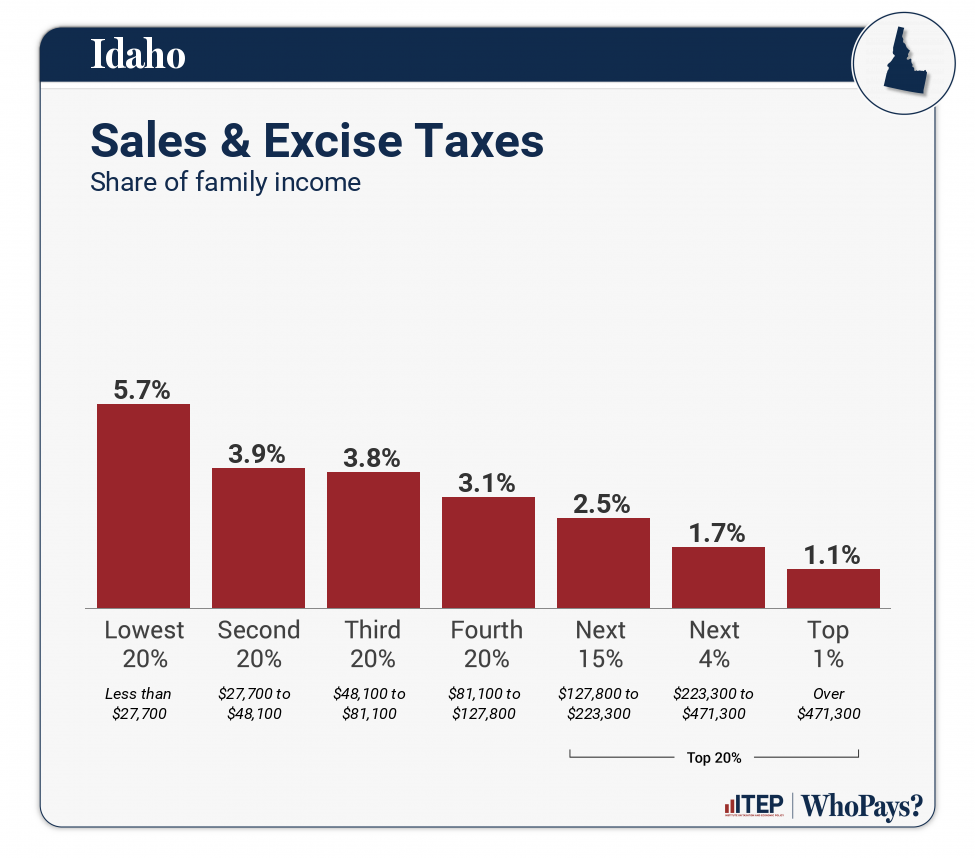
The most notable “tourist” tax in Idaho is the resort city tax. These taxes are specifically levied in high-tourism areas to help fund infrastructure and services that cater to visitors. While not exclusively for tourists, they disproportionately affect travelers due to the nature of their spending on lodging, dining, and entertainment in these popular destinations.
By understanding these nuances of Idaho’s sales tax, you can better plan your budget, avoid unexpected costs, and fully enjoy your travels through the Gem State, from its vibrant cities like Boise to its breathtaking natural wonders and charming resort towns. Whether you’re exploring the historic streets of Wallace, hiking in the Sawtooth Mountains, or relaxing by the shores of Lake Coeur d’Alene, a little tax awareness goes a long way in making your Idaho experience seamless and enjoyable.
LifeOutOfTheBox is a participant in the Amazon Services LLC Associates Program, an affiliate advertising program designed to provide a means for sites to earn advertising fees by advertising and linking to Amazon.com. Amazon, the Amazon logo, AmazonSupply, and the AmazonSupply logo are trademarks of Amazon.com, Inc. or its affiliates. As an Amazon Associate we earn affiliate commissions from qualifying purchases.