
When the smoke begins to curl and the headlines speak of wildfires, the immediate concern for many is the safety and accessibility of travel destinations. The state of Idaho, renowned for its vast wilderness, majestic mountains, and pristine lakes, is unfortunately no stranger to the impact of these natural events. Understanding the current fire situation is crucial for anyone planning a trip to the Gem State or looking for remote escapes and outdoor adventures. This article aims to provide clarity on where fires are currently active in Idaho, what areas might be affected, and how to stay informed.

The concern over fires in Idaho is multifaceted. For travelers, it can mean the closure of popular national forests, national parks, and scenic byways. For locals and outdoor enthusiasts, it impacts recreational activities like hiking, camping, and fishing. For the state itself, it signifies a significant effort in resource management and a threat to its invaluable natural landscapes. Therefore, staying abreast of the fire situation is not just about planning a vacation; it’s about respecting the environment and ensuring the safety of communities.
Understanding Idaho’s Fire Landscape
Idaho possesses an immense natural beauty, characterized by sprawling forests, rugged mountain ranges like the Sawtooth Mountains, and extensive public lands managed by agencies such as the U.S. Forest Service. These vast, often remote, areas are naturally prone to wildfires, especially during the dry summer and early fall months. The landscape, while breathtaking, also contains a significant amount of fuel – dry vegetation that can ignite and spread fires rapidly.
Factors Influencing Wildfire Activity
Several key factors contribute to the occurrence and behavior of wildfires in Idaho. Understanding these can help paint a clearer picture of why and where fires tend to erupt.
- Weather Patterns: Prolonged periods of hot, dry weather are the primary catalyst. Low humidity, high temperatures, and strong winds create ideal conditions for ignition and rapid fire spread. Lightning strikes are a common natural cause of fires in remote areas, while human-caused ignitions, often from campfires, equipment use, or discarded cigarettes, also play a significant role.
- Fuel Load: The accumulation of dry vegetation – grasses, shrubs, and dead trees – provides the fuel for wildfires. Decades of fire suppression in some areas have led to denser forests and a greater build-up of this fuel, making fires more intense when they do occur. Conversely, in other areas, drought conditions can kill vegetation, creating even more flammable material.
- Topography: The steep slopes and rugged terrain of many parts of Idaho can influence fire behavior, allowing fires to spread uphill rapidly. Canyons can also channel winds, exacerbating fire intensity.
- Seasonal Timing: The wildfire season in Idaho typically runs from late spring through fall, peaking in July and August. However, with changing climate patterns, the season can sometimes extend earlier or later.
Types of Fires and Their Impact
Wildfires in Idaho can vary in size, intensity, and impact. Some are small and quickly contained, while others can become large, complex incidents requiring significant resources to manage.
- Surface Fires: These are the most common type, burning through grasses, shrubs, and the forest floor. They can be intense but are generally easier to control than other types.
- Crown Fires: These fires spread through the upper canopy of trees and can move very rapidly, often driven by strong winds. They are the most dangerous and destructive type of wildfire.
- Spot Fires: These occur when embers from the main fire are carried by the wind and ignite new fires ahead of the main fire front. They can significantly increase the spread rate and complexity of fire management.
The impact of these fires extends beyond the immediate destruction. Smoke from large wildfires can travel hundreds or even thousands of miles, affecting air quality in distant cities and impacting travel plans and outdoor activities far from the actual fire zone. Ecological impacts include habitat loss for wildlife, changes in vegetation, and potential erosion issues after the fire has passed.
Current Fire Situation and Monitoring Resources
Keeping up-to-date with the active fires in Idaho is essential for anyone planning to visit or travel through the state. Reliable information sources are key to making informed decisions about travel plans and safety.
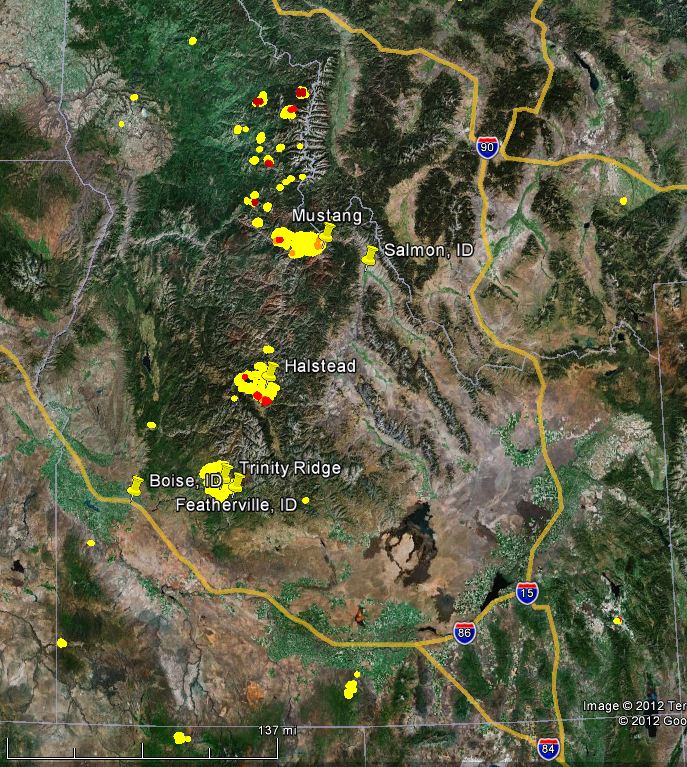
Where to Find Real-Time Fire Information
Several official agencies provide critical real-time data on wildfires. These resources are invaluable for understanding the current fire map of Idaho and potential impacts on your travel.
- InciWeb (Incident Information System): This is the primary federal resource for information on large wildfires and other incident types across the United States. You can search for fires by state, incident name, or geographic area. Each incident on InciWeb typically includes maps, photos, daily updates, and evacuation information. For Idaho, this is often the most comprehensive source.
- National Interagency Fire Center (NIFC): The NIFC provides national-level fire statistics, outlooks, and links to various fire management agencies. Their national fire map can give a broad overview of where significant fire activity is occurring.
- Idaho Department of Lands: This state agency manages forested lands and is responsible for fire prevention, suppression, and education within Idaho. Their website often features specific information about fires affecting state lands and provides links to relevant county or federal resources.
- U.S. Forest Service – Region 1 (Northern Region) and Region 4 (Intermountain Region): Idaho is covered by two regions of the U.S. Forest Service. Their respective websites often have dedicated sections for fire information, including daily activity reports, closures, and restrictions for national forests within their jurisdiction, such as the Boise National Forest, Payette National Forest, and Salmon-Challis National Forest.
- Local Fire Departments and County Emergency Management: For fires that may be closer to populated areas, local fire departments and county emergency management agencies often provide the most immediate updates and evacuation orders. Checking the websites or social media of the specific county you are visiting is advisable.
Interpreting Fire Maps and Data
When looking at fire maps, several key pieces of information are important:
- Location: Understanding the precise location of the fire relative to your intended travel destinations, hotels, or attractions.
- Size: The acreage burned gives an indication of the scale of the fire.
- Containment Percentage: This indicates how much of the fire’s perimeter has been secured. A higher percentage means the fire is more under control.
- Growth Potential: Information about whether the fire is expected to grow, and in which direction, is crucial for anticipating its impact.
- Closures and Restrictions: This is perhaps the most critical information for travelers. Fire managers implement closures of roads, trails, campgrounds, and entire areas to ensure public safety and allow firefighters to work unimpeded. These can significantly impact access to landmarks and attractions.
Planning Your Idaho Adventure Amidst Fire Concerns
The presence of wildfires does not necessarily mean you should cancel your trip to Idaho. However, it does require careful planning, flexibility, and a commitment to staying informed.
Adjusting Travel Plans for Safety and Enjoyment
When fires are active, especially large ones, flexibility is your greatest asset.
- Monitor Conditions Closely: Before and during your trip, regularly check the fire monitoring resources mentioned above. Air quality can also be a significant factor, even if fires are not directly impacting your immediate area. Websites like AirNow.gov provide real-time air quality data.
- Have Backup Plans: If your primary destination or a specific attraction is affected by fires or smoke, have alternative locations in mind. Idaho is a large state with diverse landscapes. If the Sawtooths are smoky, perhaps explore the wineries in the Snake River Valley or the historic sites around Coeur d’Alene.
- Consider the Type of Accommodation: If you are concerned about air quality or potential disruptions, choosing accommodation with good indoor air filtration systems or in areas less likely to be affected by smoke might be wise. Hotels in larger cities like Boise or Idaho Falls may offer a more stable environment.
- Respect Fire Restrictions: Always adhere to any fire bans, closures, or restrictions implemented by local authorities or land management agencies. This is for your safety and the protection of the environment.

Embracing Idaho’s Resilience: Alternative Attractions and Activities
Idaho offers a wealth of experiences beyond its vast wilderness. Even during fire season, many attractions remain accessible and enjoyable.
- Urban Exploration: Cities like Boise, the state capital, offer a vibrant urban experience with museums, a lively culinary scene, and cultural attractions like the Boise Art Museum and the Idaho State Capitol Building.
- Lakes and Rivers: Many of Idaho’s spectacular lakes and rivers, such as Lake Pend Oreille or the Salmon River, may remain accessible and offer boating, fishing, and watersports, provided fires are not directly impacting the surrounding areas.
- Geothermal Wonders: In southern Idaho, areas like the Craters of the Moon National Monument & Preserve offer a unique landscape shaped by volcanic activity, often less susceptible to forest fires.
- Historic Sites and Museums: Idaho has a rich history, from its Gold Rush past to its agricultural roots. Explore historic towns like Wallace or visit museums detailing the state’s heritage.
By staying informed and planning with flexibility, visitors can still experience the incredible beauty and diverse attractions that Idaho has to offer, even when the threat of wildfires looms. The resilience of the landscape and the spirit of its communities ensure that adventure is always possible.
LifeOutOfTheBox is a participant in the Amazon Services LLC Associates Program, an affiliate advertising program designed to provide a means for sites to earn advertising fees by advertising and linking to Amazon.com. Amazon, the Amazon logo, AmazonSupply, and the AmazonSupply logo are trademarks of Amazon.com, Inc. or its affiliates. As an Amazon Associate we earn affiliate commissions from qualifying purchases.