
When planning a trip to the Sunflower State, understanding the financial landscape is as crucial as packing your bags. For many travelers, a key concern revolves around state taxes. The question “Does Kansas have state tax?” is a common one, and the answer is a definitive yes. However, like most things in life, the devil is in the details, and for a traveler, this translates to understanding how state taxes might affect your budget, from accommodation to everyday purchases. This guide will delve into the specifics of Kansas state taxes, focusing on aspects relevant to tourists and visitors, and how they integrate with your travel experiences across this diverse state.
Navigating Sales and Lodging Taxes in Kansas
For the average traveler, the most visible and impactful state taxes are typically sales taxes and lodging taxes. These taxes are levied on goods and services, including the very accommodations you’ll book and the souvenirs you’ll purchase. Kansas employs a tiered tax system, meaning the exact amount you pay can vary depending on where in the state you are.
The Kansas Sales Tax Structure
At its core, Kansas has a state sales tax. This tax is applied to the retail sale of tangible personal property and certain services. The current statewide sales tax rate is a foundational figure, but it’s only part of the story. Local jurisdictions, including cities and counties, have the authority to impose their own local sales taxes. This means that the combined sales tax rate you encounter in a bustling metropolis like Wichita will likely differ from that in a smaller, rural town.
For travelers, this translates to potential variations in the cost of everything from a meal at a local diner to a bottle of water from a convenience store. While the difference might seem small on an individual purchase, it can add up over the course of a vacation. Websites and apps that help you budget for your trip might not always account for these localized tax differences, so it’s always wise to factor in a little buffer.
Lodging Taxes: A Direct Impact on Your Stay
One of the most direct impacts of state taxes on travelers is through lodging taxes. When you book a room at a hotel in Kansas City or a charming bed and breakfast in Lawrence, you’ll notice an additional charge on your bill. This charge encompasses both the state’s portion of sales tax and often a specific lodging tax.
The state of Kansas levies a sales tax on hotel rooms, and many cities and counties also impose their own transient guest taxes. These local taxes are often designed to support tourism initiatives and local infrastructure, but they do contribute to the overall cost of your accommodation. For those planning a longer stay or opting for more upscale accommodations, like a suite at the Hyatt Regency Wichita or a villa rental, understanding these combined rates is essential for accurate budgeting. Websites like Tripadvisor or the booking platforms themselves will usually break down these taxes for you, but it’s good to be aware of what they represent.
It’s worth noting that tax rates can change, and local ordinances are subject to updates. Therefore, before embarking on a trip, especially to a new destination within Kansas, it’s a good practice to do a quick search for the current sales and lodging tax rates for that specific city or county. This proactive approach can prevent any unwelcome surprises when you receive your final bill.
Income Tax in Kansas: Does It Affect Travelers?
While sales and lodging taxes are the most immediate concerns for tourists, it’s worth briefly touching upon income tax. For the vast majority of visitors to Kansas, the state’s income tax will have little to no direct impact.
The Basics of Kansas Income Tax
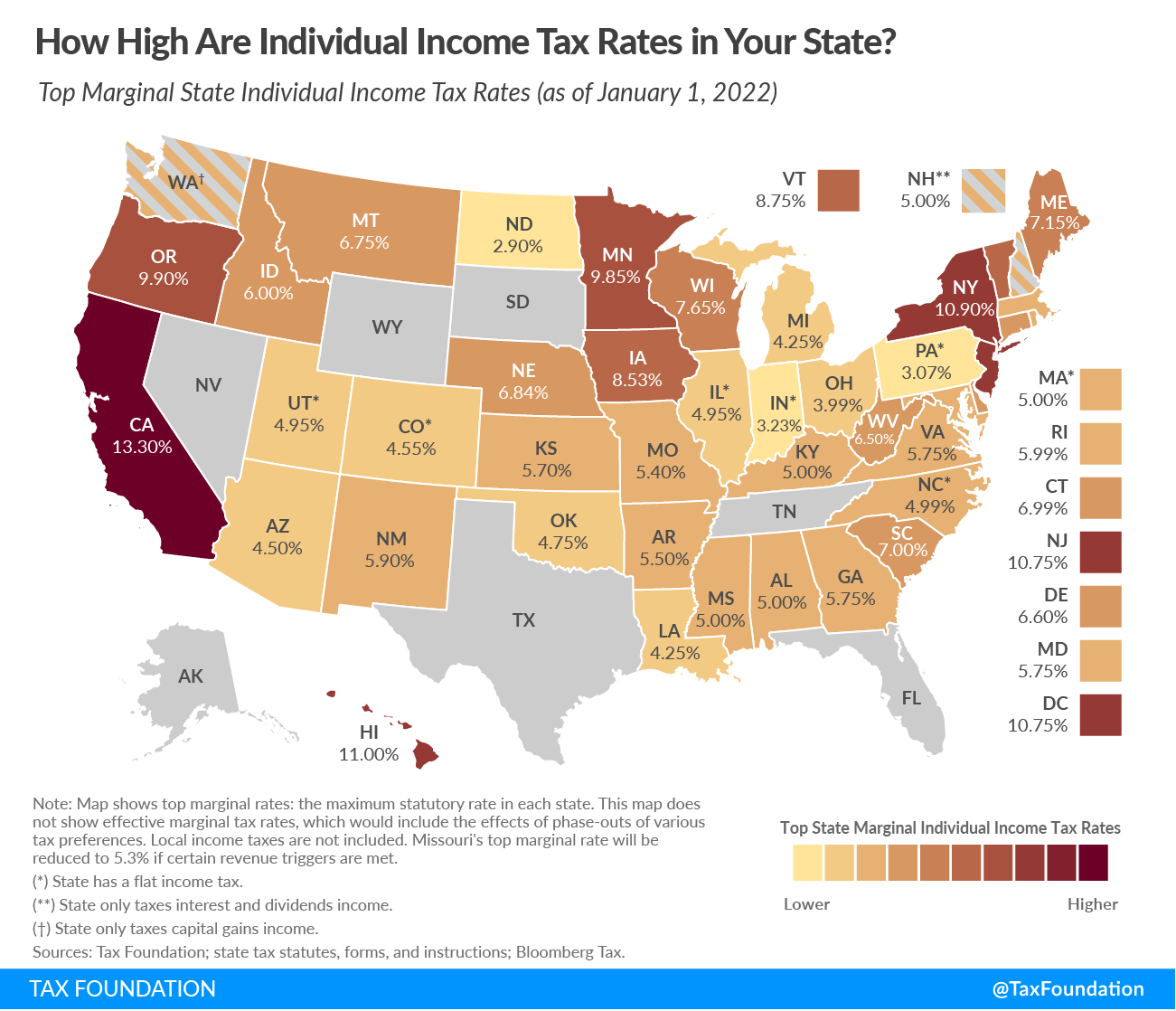
Kansas does have a state income tax for individuals and corporations that earn income within the state. This tax is progressive, meaning that the tax rate increases as income increases. However, this applies to residents and those who are employed or operating businesses within Kansas for an extended period.
For Short-Term Visitors
If you are visiting Kansas for a vacation, a short business trip, or even a temporary stay in a long-term accommodation like an apartment rental, you are generally not subject to Kansas income tax on your earnings from your home state or country. Your income earned elsewhere and used to fund your travels is not taxed again by Kansas simply because you are visiting.

The only scenario where income tax might become a consideration is if you were to take on temporary employment in Kansas during your visit, or if you were to establish residency. For the typical traveler exploring the Flint Hills or visiting the World War I Museum and Memorial in Kansas City, Kansas, income tax is not a factor in their travel budget.
Other Taxes and Fees to Consider
Beyond sales and lodging taxes, there are a few other less common, but potentially relevant, tax-related considerations for travelers in Kansas. These are generally more specific and less likely to affect the casual tourist.
Tourism-Related Fees
In some destinations, there might be specific tourism development fees or assessments levied on certain activities. While not as prevalent as general sales taxes, these can sometimes be applied to hotel stays or even specific attractions. These are often clearly itemized on invoices, so travelers can see what they are paying for. The goal of these fees is typically to enhance the visitor experience, maintain attractions, and promote the local tourism industry.
Vehicle-Related Taxes
For travelers who are driving into Kansas, particularly if they are bringing their own vehicle, the primary tax considerations are usually related to fuel taxes, which are already factored into the price of gasoline. If you are renting a car in Kansas, the rental cost will include applicable sales taxes and potentially other fees, but these are generally integrated into the rental agreement rather than being a separate state tax levied directly on the traveler.
Understanding Your Receipts
A fundamental tip for any traveler is to pay attention to your receipts. Whether you’re at a restaurant in Topeka, shopping at a boutique in Manhattan, or checking out of your hotel, reviewing your itemized bill can help you understand where your money is going. This is especially true for taxes. Most receipts will clearly distinguish between the cost of goods or services and the applicable taxes. This transparency is key to demystifying the tax landscape and ensuring you’re not overcharged.
Making Tax-Savvy Travel Decisions in Kansas
Understanding the tax implications of your trip to Kansas can empower you to make more informed decisions and potentially save money. It’s not about avoiding taxes altogether – as they are a necessary component of funding public services and infrastructure – but about being aware of them.
Budgeting for Taxes
When creating your travel budget, it’s wise to allocate a percentage for taxes. For sales tax, a general rule of thumb might be to add 8-10% to your estimated costs of goods and services, depending on the region you’re visiting. For accommodation, research the specific lodging tax rates for your chosen city or town and add that to your room rate. This foresight can prevent budget overruns and allow for more spontaneity during your trip.
Choosing Your Accommodation and Destinations
While Kansas offers a wide range of accommodation options, from budget-friendly motels to luxury resorts, the tax implications can be a factor. Sometimes, choosing a slightly different location or a different type of accommodation might result in a lower overall tax burden. For instance, staying just outside a major city limits might offer a slightly lower lodging tax rate. Similarly, exploring smaller towns with unique attractions can sometimes present a more budget-friendly experience from a tax perspective.
Consider visiting destinations like Dodge City with its rich Wild West history, or the scenic beauty of the Tallgrass Prairie National Preserve. While these locations will still have sales tax, the overall cost of living and therefore the tax collected on your spending might be lower than in larger urban centers.

Embracing the Kansas Experience
Ultimately, the taxes you encounter in Kansas are part of the system that helps maintain the state’s infrastructure, fund its attractions, and support its communities. By understanding these taxes, you can travel more confidently and appreciate the value they bring to your experience. From the wide-open prairies to the vibrant city life, Kansas offers a wealth of experiences that are well worth the investment. Whether you’re seeking a luxury travel experience, a family trip, or a budget-friendly adventure, a little tax awareness goes a long way in ensuring a smooth and enjoyable journey through the heartland of America.
LifeOutOfTheBox is a participant in the Amazon Services LLC Associates Program, an affiliate advertising program designed to provide a means for sites to earn advertising fees by advertising and linking to Amazon.com. Amazon, the Amazon logo, AmazonSupply, and the AmazonSupply logo are trademarks of Amazon.com, Inc. or its affiliates. As an Amazon Associate we earn affiliate commissions from qualifying purchases.