
The allure of Hawaii is undeniable. A tropical paradise nestled in the heart of the Pacific, it beckons with its stunning beaches, vibrant culture, and breathtaking natural landscapes. From the volcanic drama of the Big Island to the bustling energy of Oahu and the serene beauty of Maui and Kauai, each island offers a unique slice of paradise. But before you start dreaming of surfing Waikiki Beach or hiking the Na Pali Coast, a fundamental question often arises for prospective travelers: “Do I need a passport to go to Hawaii?”
The straightforward answer depends entirely on your citizenship and your point of departure. For the vast majority of travelers, particularly United States citizens, the answer is simpler than you might expect.
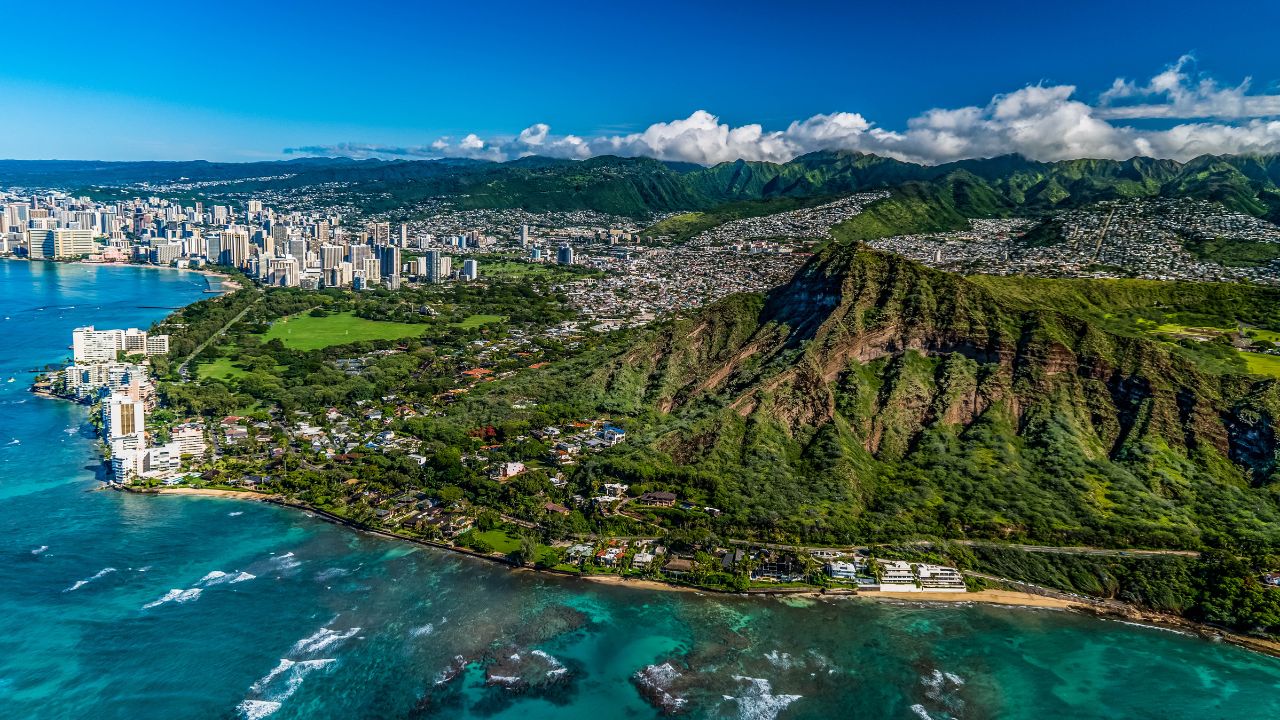
The Straightforward Answer for U.S. Citizens
For citizens of the United States traveling directly from the U.S. mainland or any other U.S. territory, the resounding answer is no, you do not need a passport to visit Hawaii. This is a common misconception, often fueled by the archipelago’s remote location and distinct cultural identity. However, Hawaii has been the 50th state of the U.S. since 1959, and as such, travel between the mainland and the islands is considered domestic travel.
Think of it like flying from New York to California or Florida to Alaska; it’s all within the same country. This domestic status applies to all U.S. citizens, including those residing in U.S. territories such as Puerto Rico, the U.S. Virgin Islands, Guam, American Samoa, and the Northern Mariana Islands. The process is essentially the same as any other domestic flight.
Traveling from the Mainland U.S.
When traveling from the U.S. mainland to Hawaii, your journey will be subject to the same security protocols as any other domestic flight. This means you’ll pass through Transportation Security Administration (TSA) checkpoints and will need to present an acceptable form of identification. The convenience of not needing a passport streamlines the travel planning process, making a Hawaiian getaway highly accessible for millions of Americans. It removes a layer of complexity and expense that international travel often entails, allowing more spontaneous trips and easier family vacations. This domestic status is a significant boon for the U.S. tourism industry and for American travelers eager to explore the diverse beauty of their own nation.
Required Identification and Documents
While a passport isn’t necessary for U.S. citizens, valid identification is absolutely essential for air travel. The TSA requires all adult passengers 18 years and older to present a valid photo ID at the security checkpoint. Acceptable forms of identification include:
- A state-issued driver’s license or other state photo identity card: As of May 7, 2025, a REAL ID Act-compliant driver’s license or state ID card will be required. These cards are marked with a star at the top. It’s crucial to check if your state’s ID is compliant, or plan to use an alternative acceptable document.
- U.S. passport or passport card: Although not required, these are perfectly acceptable forms of ID.
- Department of Defense ID: For active military personnel and their dependents.
- Permanent resident card (Green Card): For lawful permanent residents.
- Border Crossing Card.
- TSA PreCheck or Global Entry card.
- Other federally recognized identification: Such as a U.S. military ID or a tribal-issued photo ID.
It’s always recommended to check the latest TSA guidelines on their official website before your trip, as requirements can sometimes change. Ensuring you have the correct identification will make your journey through airport security smooth and stress-free, allowing you to focus on the excitement of your upcoming Hawaiian adventure. Having a backup form of ID, even if not strictly required, is also a wise travel practice, especially when traveling with children who may not have a photo ID but whose identity can be confirmed by an adult traveling with them.
Considerations for International Travelers
The rules change significantly for individuals who are not citizens of the United States. For international visitors, a trip to Hawaii is, by definition, international travel. Therefore, a valid passport is not only recommended but unequivocally required. Just as if you were traveling to New York City, Los Angeles, or Washington D.C., entering any part of the U.S. from a foreign country necessitates proper international travel documentation.
Entry Requirements for Non-U.S. Citizens
Non-U.S. citizens planning a vacation to Hawaii must ensure they possess a valid passport that is valid for at least six months beyond their intended period of stay. This “six-month rule” is a standard international travel requirement for entry into many countries, including the United States, to prevent issues should travel plans be unexpectedly extended. Beyond the passport, depending on your country of origin, you may also need a U.S. visa or to qualify for the Visa Waiver Program (VWP).
Travelers from countries not participating in the VWP, or those who do not meet its criteria, will need to apply for a non-immigrant visa at a U.S. embassy or consulate in their home country well in advance of their travel dates. The type of visa required will typically be a B-2 visa for tourism. The application process can be lengthy and involves interviews, so early planning is crucial to avoid disappointment.
Visa Information and ESTA Program
For citizens of countries participating in the Visa Waiver Program (VWP), the process is generally simpler. The VWP allows citizens of certain countries to travel to the United States for tourism or business for stays of 90 days or less without obtaining a visa. However, travelers under the VWP must obtain an approved authorization through the Electronic System for Travel Authorization (ESTA) prior to boarding a U.S.-bound plane or ship.
The ESTA application is an online process that typically takes a few minutes to complete and is generally approved quickly, though it’s recommended to apply at least 72 hours before departure. An approved ESTA is valid for two years or until your passport expires, whichever comes first, and allows for multiple entries into the U.S.. It’s important to note that an ESTA approval does not guarantee entry into the U.S.; final authorization rests with the Department of Homeland Security (DHS) officers at the port of entry. Always apply for ESTA through the official DHS website to avoid fraudulent sites.

Beyond this, certain travelers may also be subject to the Western Hemisphere Travel Initiative (WHTI) if entering by land or sea from contiguous territories, though this is less common for air travel to Hawaii. Regardless, the bottom line for non-U.S. citizens is that a valid passport is your primary key to unlocking a Hawaiian adventure, complemented by the necessary visa or ESTA authorization.
Beyond the Basics: Planning Your Hawaiian Adventure
Once you’ve sorted out your documentation, the real fun begins: planning your dream trip to Hawaii. This archipelago offers an incredible diversity of experiences, catering to every type of traveler, from luxury seekers to budget adventurers, families, and solo explorers.
Choosing Your Island Paradise
Each Hawaiian island boasts its own unique charm and attractions, making the choice of where to go an exciting part of the planning.
- Oahu: The Gathering Place. Home to the state capital, Honolulu, Oahu is the most populated and bustling island. It offers a perfect blend of urban sophistication and natural beauty. Here you’ll find iconic Waikiki Beach, the historic Pearl Harbor National Memorial, and the majestic Diamond Head State Monument. The island’s North Shore is world-renowned for its legendary surfing breaks, attracting pros and spectators alike. For cultural immersion, the Polynesian Cultural Center provides an insightful journey through the islands of Polynesia.
- Maui: The Valley Isle. Known for its stunning beaches, luxurious resorts like the Grand Wailea, and the scenic Maui’s Road to Hana, Maui offers a more relaxed yet adventurous vibe. Witnessing the sunrise from the summit of Haleakala National Park is an unforgettable experience. Whale watching during winter months off Lahaina is another major draw. Maui’s Kaanapali Beach is consistently ranked among the world’s best.
- Kauai: The Garden Isle. For nature lovers and adventurers, Kauai is a verdant wonderland. Its dramatic cliffs of the Na Pali Coast State Wilderness Park, lush rainforests, and cascading waterfalls make it a prime destination for hiking, kayaking, and helicopter tours. The south shore, particularly Poipu, offers sunny beaches and excellent snorkeling.
- Big Island: Hawaii Island. The largest and geologically youngest island, the Big Island is home to Hawaii Volcanoes National Park, where you can witness active volcanoes and recent lava flows. It boasts diverse climates, from snow-capped mountains to black sand beaches like Punalu’u Black Sand Beach. Kona on the west coast is famous for its coffee and calm waters, while Hilo on the east is known for its lush landscapes.
Many travelers opt for island hopping, spending a few days on two or three different islands to experience the full spectrum of Hawaii’s beauty. Inter-island flights are frequent and relatively short, making this a popular and feasible option.
Accommodation Options in Hawaii
Hawaii offers a wide array of accommodation options to suit every budget and travel style.
- Luxury Resorts: For those seeking an indulgent escape, Hawaii is home to some of the world’s most exquisite luxury resorts. Properties like the Four Seasons Resort Lanai, the Grand Wailea on Maui, or the historic Moana Surfrider, A Westin Resort & Spa, Waikiki Beach on Oahu offer unparalleled amenities, including world-class spas, gourmet dining, championship golf courses, and direct beach access. These resorts often cater to the luxury travel lifestyle, providing impeccable service and breathtaking ocean views.
- Hotels & Boutique Hotels: Alongside the grand resorts, you’ll find numerous hotels ranging from major chains like the Hilton Hawaiian Village Waikiki Beach Resort to charming boutique hotels that offer a more intimate and personalized experience. Many provide excellent value, particularly in areas like Waikiki or around Kona.
- Vacation Rentals: For families, longer stays, or those preferring a more independent travel style, vacation rentals (condos, homes, apartments) are a fantastic choice. Platforms like Airbnb and VRBO offer a wide selection, allowing guests to enjoy amenities like full kitchens, multiple bedrooms, and often a more local feel. This can be a great option for family trips or for a long-term stay.
- Budget Travel Options: While Hawaii can be expensive, there are options for budget travel. Hostels, guesthouses, and camping (with permits) are available, particularly on Oahu and the Big Island. Planning during off-peak seasons and booking well in advance can also significantly reduce costs.
When choosing, consider your travel style, budget, and the kind of experience you’re seeking. Reading reviews and doing a thorough comparison of options is always recommended.
Embracing Hawaiian Culture and Lifestyle
A trip to Hawaii is incomplete without immersing yourself in its rich local culture and unique lifestyle. The islands are steeped in Polynesian history, traditions, and the welcoming ” Aloha Spirit.”
- Food: Hawaiian food is a delicious fusion of Polynesian, Asian, and American influences. Don’t leave without trying fresh poke, a traditional luau feast with kalua pig, poi, and haupia, and local treats like Malasadas and Shave Ice. Explore farmers’ markets for fresh tropical fruits and local delicacies.
- Activities: Beyond relaxing on the beach, Hawaii offers a plethora of activities. Learn to surf, go snorkeling or diving in crystal-clear waters, hike through volcanic landscapes or lush rainforests, or take a scenic helicopter tour for unparalleled views. Attending a traditional luau is a must for its vibrant hula performances, storytelling, and communal feasting.
- Etiquette: Embrace the Aloha Spirit by being respectful of the land (aina) and its people. This means treading lightly on natural areas, respecting local customs, and being patient and friendly. A common practice is to remove your shoes before entering someone’s home. Learn a few basic Hawaiian phrases like “mahalo” (thank you) and “aloha” (hello/goodbye/love).
- Responsible Tourism: Hawaii’s fragile ecosystem and unique culture depend on responsible tourism. Support local businesses, minimize your environmental impact, and be mindful of marine life.
Essential Travel Tips for a Smooth Trip
With the legalities out of the way and your adventure planned, a few practical tips can ensure your Hawaiian vacation is as seamless and enjoyable as possible.
Packing Essentials and Climate Considerations
Hawaii enjoys a consistently warm, tropical climate year-round, but microclimates exist, especially on the larger islands. What you pack will depend on your planned activities:
- Clothing: Lightweight, breathable clothing is key. Swimsuits, shorts, t-shirts, and sandals will be your daily uniform. However, if you plan to visit higher elevations (like Haleakala or Mauna Kea), bring layers, including a light jacket or sweater, as temperatures can drop significantly.
- Sun Protection: The Hawaiian sun is intense. Pack high-SPF reef-safe sunscreen (required by law in Hawaii to protect coral reefs), a wide-brimmed hat, sunglasses, and a rash guard for swimming.
- Footwear: Comfortable walking shoes are essential for exploring towns and resorts. If you plan to hike, sturdy hiking shoes are a must. Water shoes can be useful for rocky beaches.
- Gear: Reusable water bottles are encouraged to reduce plastic waste. A waterproof bag for beach days, a camera to capture the stunning scenery, and any personal medications should also be on your list. Don’t forget bug spray, especially if venturing into lush, humid areas.
- Lei: While you might receive a traditional lei upon arrival, it’s a beautiful custom to wear one, often a symbol of welcome and affection.
Navigating Inter-Island Travel
If your itinerary includes visiting multiple islands, understanding inter-island travel is crucial.
- Airlines: Hawaiian Airlines and Southwest Airlines are the primary carriers for inter-island flights. Flights are frequent, but it’s advisable to book in advance, especially during peak seasons, to secure better prices and preferred times.
- Airports: Each major island has a main airport: Honolulu International Airport (HNL) on Oahu, Kahului Airport (OGG) on Maui, Lihue Airport (LIH) on Kauai, and Kona International Airport (KOA) and Hilo International Airport (ITO) on the Big Island.
- Car Rentals: Renting a car on each island is highly recommended to fully explore and experience the various attractions at your own pace. Book well in advance, as demand can be high, especially for larger vehicles.
In conclusion, for U.S. citizens, a trip to Hawaii is a domestic journey that requires no passport, just a valid form of government-issued photo identification. For international visitors, a passport and the appropriate visa or ESTA are essential. With the necessary documentation in hand, you’re all set to embark on an unforgettable journey to one of the most enchanting destinations on Earth, where the Aloha Spirit awaits.
LifeOutOfTheBox is a participant in the Amazon Services LLC Associates Program, an affiliate advertising program designed to provide a means for sites to earn advertising fees by advertising and linking to Amazon.com. Amazon, the Amazon logo, AmazonSupply, and the AmazonSupply logo are trademarks of Amazon.com, Inc. or its affiliates. As an Amazon Associate we earn affiliate commissions from qualifying purchases.