
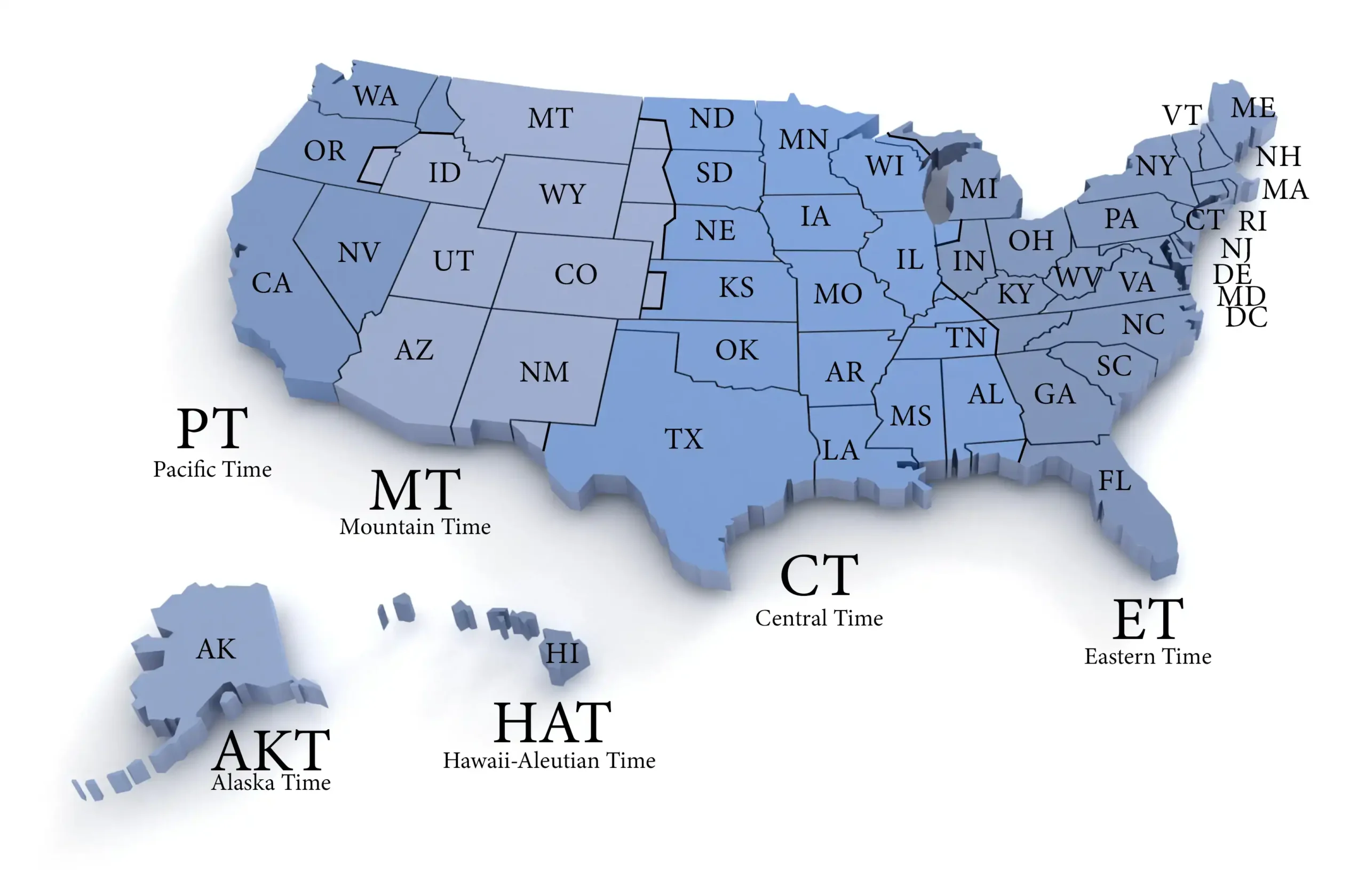
When planning a trip, understanding the local time zone is a fundamental yet often overlooked detail. For travelers venturing into the heart of the American Midwest, the question “Is Kansas on Central Time?” is a pertinent one. The answer, while seemingly straightforward, reveals a fascinating nuance about the state’s temporal landscape. Kansas, for the most part, observes Central Standard Time (CST), which is UTC-6, and transitions to Central Daylight Time (CDT), UTC-5, during the warmer months. This means that most of the Sunflower State operates on the same time as major metropolitan hubs like Chicago, Dallas, and New Orleans. However, a small, often overlooked, western portion of Kansas adheres to Mountain Time. This division, while minor, can be a point of confusion for visitors and even some residents.
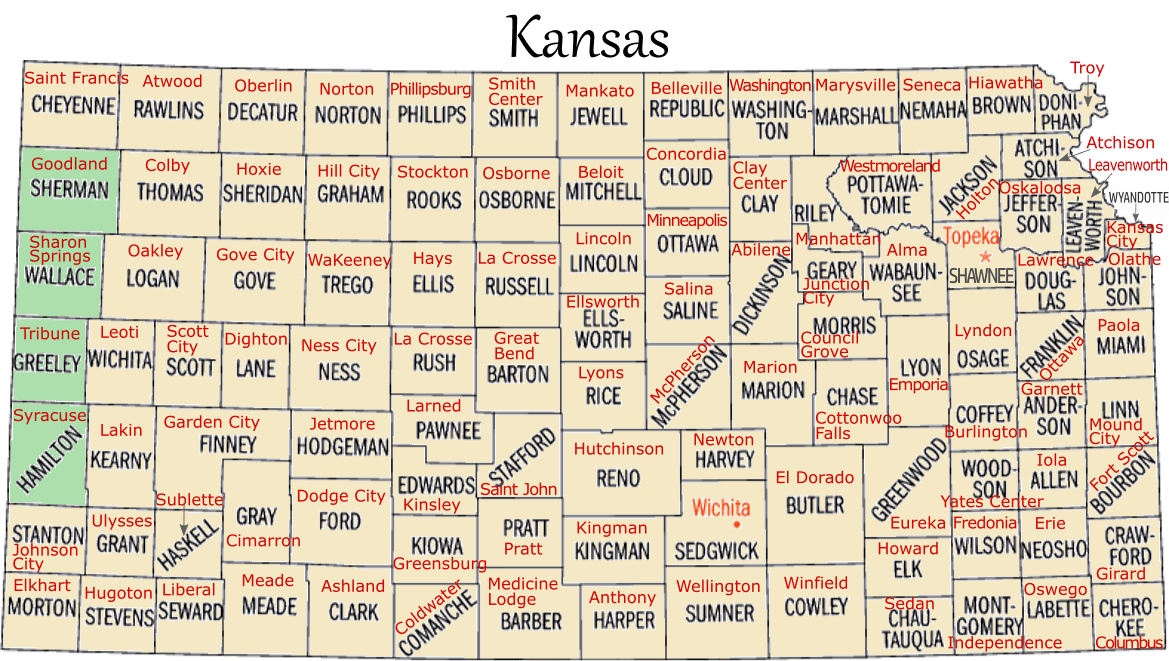
The primary reason for this time zone division stems from historical legislation and geographical proximity. The Uniform Time Act of 1966 established daylight saving time and standardized time zones across the United States. States were given the option to opt out of daylight saving time entirely, but the primary time zone boundaries were set. Kansas largely fell into the Central Time Zone due to its geographical location and its economic and social ties to the more populous eastern regions of the state and neighboring states like Missouri. The western counties that observe Mountain Time, however, are geographically closer to states that operate on Mountain Time, such as Colorado and New Mexico. This creates a temporal border within the state, a quiet reminder of how human-made constructs, like time zones, sometimes diverge from purely geographical lines.
Understanding Kansas’s time zone is crucial for seamless travel planning. It affects everything from flight schedules and hotel check-in times to the timing of local events and the operating hours of attractions. Whether you’re planning to explore the historic Dodge City or the vibrant arts scene in Wichita, knowing the correct time ensures you won’t miss a beat. This article will delve into the specifics of Kansas’s time zones, explore the historical and practical implications, and provide practical tips for travelers to navigate this temporal distinction.
Navigating Kansas’s Time Zones: A Traveler’s Guide
The temporal landscape of Kansas is characterized by a majority adherence to Central Time, with a notable exception in its western reaches. This division, while seemingly small, can have practical implications for travelers. Understanding these nuances is key to ensuring a smooth and enjoyable experience, whether you’re here for business, leisure, or an extended stay.
The Dominance of Central Time
The vast majority of Kansas operates on Central Standard Time (CST) during winter months and Central Daylight Time (CDT) during daylight saving periods. This aligns the state with a significant portion of the Midwest and South, facilitating easier coordination with businesses, transportation networks, and communication. For most visitors arriving in Kansas from states east of the Rocky Mountains, the time difference will likely be minimal or non-existent, simplifying logistics.
Cities like Wichita, the largest city in Kansas, and the state capital, Topeka, are firmly within the Central Time Zone. This means that when it’s noon in Chicago, it’s also noon in Wichita during standard time. This temporal consistency simplifies booking accommodations, such as staying at the luxurious Ambassador Hotel Wichita or a comfortable suite at a Hyatt Place Wichita, as their operating hours and check-in/check-out times will align with the expected Central Time. Similarly, attractions like the Old Cowtown Museum in Wichita or the Kansas State Capitol Building in Topeka will operate on Central Time, making it straightforward to plan your itinerary.
The culinary experiences and local culture in these areas are also best enjoyed when in sync with the local rhythm. Whether you’re eager to try some authentic Kansas BBQ or experience a local festival, understanding the time zone ensures you can fully immerse yourself in the local lifestyle. Many popular tourist destinations and landmarks across the state are located within this Central Time Zone, making it the default temporal setting for most explorations.
The Western Anomaly: A Glimpse of Mountain Time
While most of Kansas basks in Central Time, a few counties in the far western part of the state observe Mountain Standard Time (MST) and Mountain Daylight Time (MDT). These counties, often characterized by their vast, open landscapes and proximity to the Colorado border, operate one hour behind their eastern neighbors. This temporal divergence, though geographically contained, is a significant factor for anyone traveling to or through this specific region of Kansas.
Counties like Wallace, Sherman, and Cheyenne are part of this Mountain Time observance. If your travel plans take you to iconic landmarks in this area, such as Monument Rocks National Natural Landmark or Castle Rock Badlands, it’s imperative to adjust your watch accordingly. For instance, if you’re staying in a town like Goodland, which is in Sherman County, and you’re coordinating with someone in Salina, which is in Central Time, you’ll need to account for that one-hour difference. This can be particularly important when booking accommodations in smaller towns within these counties. While larger hotel chains might offer consistent service regardless of time zone, smaller, local establishments’ hours of operation will be dictated by Mountain Time.
The unique lifestyle and attractions in western Kansas are shaped by this temporal difference. Local events, restaurant hours, and even the pace of life can subtly reflect the hour’s difference. For those seeking a more remote travel experience, perhaps exploring the rugged beauty of the high plains, being aware of the time zone is an essential part of planning. It ensures that you can fully appreciate the natural wonders and historical sites without the added stress of temporal confusion.
Practical Implications for Travelers
The distinction between Central and Mountain Time in Kansas might seem minor, but for a traveler, it can have tangible consequences. From coordinating meetings and booking tours to simply knowing when to grab dinner, temporal accuracy is key to a seamless journey.
Booking Accommodations and Transportation
When booking hotels or vacation rentals, always verify which time zone the property observes. While most major hotel brands, like a Hilton Garden Inn or Holiday Inn Express, will likely operate on the prevailing time zone of the city or town, it’s wise to double-check, especially in the western counties. Websites like Booking.com or Expedia will usually display the local time zone for the property, but confirming directly with the hotel can prevent misunderstandings. This is also critical when booking flights. Airports in Kansas like Wichita Dwight D. Eisenhower National Airport or Kansas City International Airport (though technically in Missouri, it serves the Kansas City metropolitan area) operate on Central Time. However, if your itinerary involves travel to or from a smaller airport or a specific region within western Kansas, always confirm flight times in the correct time zone.
Planning Activities and Sightseeing
The hours of operation for attractions, museums, parks, and historical sites are all dictated by the local time. If you’re planning to visit the Boot Hill Museum in Dodge City (Central Time) or explore the formations at Monument Rocks (Mountain Time), ensure your itinerary reflects the correct time. This is especially important for tours or guided experiences that may have limited departures. Missing a tour due to a simple time zone miscalculation can be a significant disappointment. Similarly, if you’re looking to enjoy the local cuisine at a restaurant, checking their opening and closing times based on the correct time zone is essential.
Communication and Connectivity
When communicating with locals, businesses, or fellow travelers, always be mindful of the time difference. A quick call to a small business in western Kansas might go unanswered if you’re calling during their lunch break, which could be an hour earlier or later than you’d expect based on your own time zone. This is also true for keeping in touch with friends and family back home. Being aware of the time difference ensures you’re not disturbing them at odd hours.
For those who enjoy the vibrant cultural tapestry of Kansas, from the art galleries in Lawrence to the historical sites in Leavenworth, understanding the temporal framework of your destination enhances the overall experience. By taking a few moments to confirm the time zone of your specific location within Kansas, you can ensure that your journey is not only memorable but also remarkably smooth. Whether you’re a seasoned traveler or embarking on your first adventure, this attention to detail is a hallmark of smart and enjoyable exploration.
The Geography and History Behind Kansas’s Time Zones
The placement of time zones is rarely an arbitrary decision. It’s a complex interplay of geography, historical development, economic ties, and even political considerations. The case of Kansas is a prime example of how these factors converge to shape a state’s temporal identity.
The Role of the Uniform Time Act
The Uniform Time Act of 1966 was a pivotal piece of legislation that brought order to the then-chaotic system of timekeeping across the United States. Before its enactment, individual states and even cities could choose whether or not to observe daylight saving time, leading to a patchwork of different times depending on where you were. The Act established standard time zones and mandated daylight saving time, giving states the option to exempt themselves from daylight saving time but not from the time zone boundaries themselves.
Kansas largely fell into the Central Time Zone due to its position within the broader continental framework and its strong economic and social connections to the more populous eastern regions of the United States. Major agricultural and transportation corridors that linked Kansas to states like Illinois, Missouri, and Texas solidified its place in Central Time. This alignment facilitated trade, communication, and travel, making it the logical choice for the majority of the state. The decision to be in Central Time meant that most of Kansas would operate on the same time as cities like St. Louis and Kansas City, fostering a sense of temporal unity with its neighbors.
Western Counties and Proximity to Mountain Time
The counties in western Kansas that observe Mountain Time present a fascinating geographical anomaly. These counties, including Wallace, Sherman, and Cheyenne, are geographically much closer to the Rocky Mountains and the states that comprise the Mountain Time Zone, such as Colorado. Historically, the economic and social ties of these western counties were more aligned with communities to their west. The development of railroads and trade routes often followed geographical contours, leading to these areas having stronger connections with Denver and other Mountain Time cities than with Wichita or Topeka.
The decision for these counties to remain in or be placed within the Mountain Time Zone was a practical one, reflecting their actual geographic and economic realities. It allowed for easier coordination with neighboring Colorado communities for business, agriculture, and daily life. For example, a rancher in western Kansas might find it more convenient to conduct business with a supplier in Limon, Colorado, if they are operating on the same time. This historical precedent and practical consideration continue to shape the temporal landscape of Kansas today. The existence of two time zones within a single state is a testament to the complex factors that influence how we measure and organize our days.
Experiencing Kansas: Timely Travel Tips for Central and Mountain Time
Whether you find yourself embracing the rhythms of Central Time or the slightly later pace of Mountain Time, Kansas offers a wealth of experiences. From the urban excitement of Wichita to the vast natural beauty of the western plains, a little temporal awareness can significantly enhance your journey.
Embracing the Sunflower State’s Attractions
Kansas is a state rich in history, culture, and natural wonders. In the Central Time Zone, visitors can immerse themselves in the vibrant atmosphere of Wichita, exploring its numerous museums, including the Exploration Place Science & Discovery Center, or enjoying a performance at the Wichita Symphony Orchestra. The historic Dodge City, famous for its Wild West past, is also in Central Time, allowing you to step back in time at the Boot Hill Museum and experience the legends of Wyatt Earp and Bat Masterson. The charming town of Lawrence offers a lively university town atmosphere with a thriving arts scene, art galleries, and the Spencer Museum of Art.
When venturing into the western reaches of Kansas, which observe Mountain Time, the landscape transforms into breathtaking prairie vistas. Monument Rocks National Natural Landmark, a collection of impressive chalk formations, offers a unique geological spectacle. Nearby, Castle Rock Badlands provides another opportunity to witness the raw beauty of the Kansas prairie. For those interested in the history of westward expansion, visiting sites like the Overland Trail Museum in Oakley (Central Time, but close to the Mountain Time border) can provide valuable context. Remember that when you’re exploring these western gems, your watch will be an hour behind if you’ve just driven from the eastern side of the state.

Lifestyle and Leisure Across Time Zones
The lifestyle in Kansas can subtly differ between its temporal zones. In the more populated Central Time areas, you’ll find a faster pace of life with businesses and amenities operating on a schedule familiar to much of the country. This makes it easy for business travelers to schedule meetings and for families to plan their days around established activity times. The dining scene in cities like Overland Park or Kansas City, Kansas, is diverse and often bustling with activity well into the evening.
In the western Mountain Time counties, life often moves at a more relaxed rhythm. This can be a welcome change for those seeking a tranquil escape. The vast open spaces lend themselves to activities like stargazing, hiking, and enjoying the quiet beauty of the prairie. Many local festivals and community events in these areas will be scheduled according to Mountain Time, offering a more intimate and localized experience. Whether you’re seeking luxury accommodations like a boutique hotel in Overland Park or a cozy, rustic lodging in a western town, understanding the local time zone ensures you can fully appreciate the unique lifestyle each part of Kansas has to offer. By being mindful of the time, you can navigate Kansas with ease, maximizing your enjoyment of its diverse attractions and unique temporal character.
LifeOutOfTheBox is a participant in the Amazon Services LLC Associates Program, an affiliate advertising program designed to provide a means for sites to earn advertising fees by advertising and linking to Amazon.com. Amazon, the Amazon logo, AmazonSupply, and the AmazonSupply logo are trademarks of Amazon.com, Inc. or its affiliates. As an Amazon Associate we earn affiliate commissions from qualifying purchases.