
When exploring the vast plains of the Sunflower State, a common question that arises for visitors and residents alike is, “What is the official state flower of Kansas?” The answer, as vibrant and enduring as the vast fields it represents, is the Sunflower. This iconic bloom, scientifically known as Helianthus annuus, has been deeply interwoven with the identity and history of Kansas for generations. More than just a beautiful wildflower, the Sunflower embodies resilience, optimism, and the spirit of the American heartland, making it a fitting symbol for this central U.S. state.
The journey of the Sunflower to becoming the official state flower is a testament to its significance. Officially designated in 1903, its selection was a deliberate choice, reflecting the plant’s widespread presence and its association with the state’s agricultural heritage. The Sunflower thrives in the Kansas climate, dotting the landscape with its cheerful, sun-facing petals, a familiar and beloved sight for anyone who has traveled through its rolling prairies and fertile farmlands.
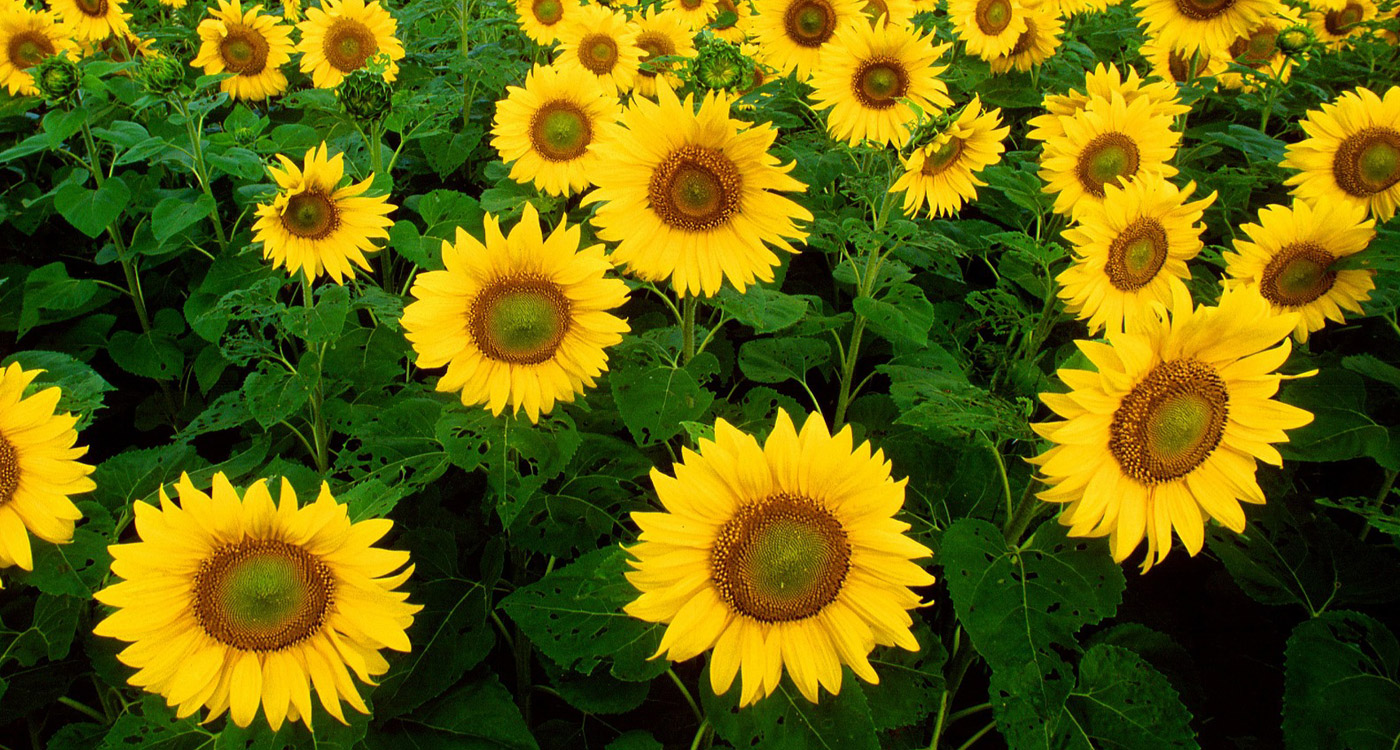
Beyond its official status, the Sunflower holds a deeper cultural and economic importance for Kansas. It is a symbol of hope and a reminder of the natural beauty that characterizes the state. Whether encountered in vast agricultural fields cultivated for their seeds and oil, or blooming wild along country roads, the Sunflower captures the essence of Kansas. This article will delve into the history, symbolism, and broader context of the Kansas state flower, exploring its connection to travel, tourism, and the unique lifestyle of the region.
The Sunflower: A Symbol of Kansas
The Sunflower‘s journey to becoming the official state flower of Kansas is a story steeped in both natural beauty and civic pride. While the plant itself has a long history of cultivation and wild growth across North America, its particular association with Kansas solidified over time, leading to its official adoption.
A Historical Perspective
The designation of the Sunflower as the state flower in 1903 was not an arbitrary decision. It followed a period where various flowers were popular choices for state symbols across the nation. Kansas lawmakers sought a representative bloom that truly embodied the state’s identity. The Sunflower, with its strong ties to agriculture and its visual prominence across the Kansas landscape, emerged as the clear favorite. Its resilience in the face of the elements, its ability to turn towards the sun, and its prolificacy all resonated with the pioneering spirit and the hardworking ethos of the state.
Prior to its official adoption, the Sunflower was already a beloved and recognized plant throughout Kansas. Early settlers encountered wild varieties, and its cultivation for oil and seeds quickly became a significant agricultural pursuit. The image of the Sunflower became synonymous with the fertile plains and the abundant harvests of Kansas, making its selection as the state flower a natural and popular choice that unified the state’s identity.
Symbolism and Significance
The symbolism of the Sunflower extends far beyond its aesthetic appeal. It represents several core values and characteristics associated with Kansas and its people:
- Resilience and Optimism: The Sunflower is known for its ability to withstand harsh conditions, pushing through tough soil and facing the sun even on cloudy days. This mirrors the tenacity and optimistic outlook of the people of Kansas, who have historically overcome numerous challenges, from economic downturns to natural adversities.
- Abundance and Prosperity: The prolific nature of the Sunflower, producing abundant seeds and vibrant blooms, symbolizes the agricultural richness and potential for prosperity in Kansas. The state’s economy has long been tied to its fertile lands and successful farming, and the Sunflower stands as a testament to this bounty.
- Loyalty and Adoration: In the language of flowers, the Sunflower traditionally symbolizes adoration, loyalty, and longevity. These are qualities deeply valued in community and personal relationships, reflecting the strong sense of connection and steadfastness often found in the heartland.
- The “Sunflower State”: The widespread presence of this flower has earned Kansas its nickname, “The Sunflower State.” This moniker is not just a catchy phrase but a direct acknowledgment of the visual impact and cultural significance of the Sunflower on the state’s identity. When travelers visit Kansas, especially during the late summer months, the sight of endless fields of Sunflowers is often a highlight of their experience, a vivid reminder of the state’s natural charm.
The Sunflower is more than just a botanical choice; it is a living emblem that encapsulates the spirit and heritage of Kansas, making it an integral part of the state’s cultural tapestry and a key element for visitors seeking to understand its unique character.
Experiencing the Sunflower in Kansas
The presence of the Sunflower in Kansas is not merely symbolic; it translates into tangible experiences for travelers and locals alike, enriching the understanding of the state’s tourism, lifestyle, and natural attractions. From scenic drives to agricultural tours, the Sunflower offers a unique lens through which to view and appreciate Kansas.
Travel and Tourism Opportunities
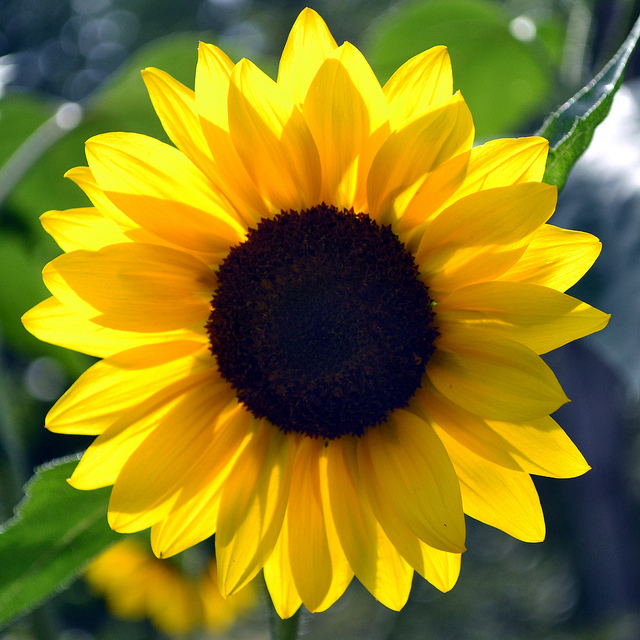
The late summer months, typically from August through September, transform the Kansas landscape into a breathtaking spectacle of golden hues. This is when the Sunflowers reach their peak bloom, drawing visitors from far and wide.
- Scenic Drives: Many rural roads in Kansas become impromptu scenic routes during the blooming season. Counties like Phillips, Smith, and Cheyenne are particularly renowned for their extensive Sunflower fields. A drive through these areas offers unparalleled photographic opportunities and a deep connection with the natural beauty of the state. Travelers can plan their routes to include stops at charming small towns, local diners, and roadside attractions, making the Sunflower bloom a central theme of their Kansas adventure.
- Sunflower Festivals and Events: Several communities across Kansas host annual Sunflower festivals. These events celebrate the iconic flower with a variety of activities, including live music, craft fairs, food vendors showcasing Sunflower-based products (like oil and seeds), and sometimes even Sunflower-growing contests. These festivals are a fantastic way to immerse oneself in the local culture and experience the genuine hospitality of Kansas communities. For instance, the Smith County Historical Society Museum in Smith Center often highlights the history of the Sunflower in the region.
- Agricultural Tourism: For those interested in the economic importance of the Sunflower, visiting Kansas farms offers valuable insights. Many agricultural operations welcome visitors, providing tours that explain the cultivation process, the harvesting of Sunflower seeds, and the production of Sunflower oil. This type of tourism offers a hands-on learning experience and a greater appreciation for the agricultural backbone of the state.
Accommodations and Lifestyle
The presence of Sunflowers also influences the accommodation options and the overall lifestyle experienced by visitors in Kansas.
- Unique Stays: While you won’t find resorts solely dedicated to the Sunflower, many hotels and bed and breakfasts in rural Kansas offer guests picturesque views of the surrounding countryside, which may include Sunflower fields. Imagine waking up to a panorama of golden blooms just outside your window. For a more rustic experience, consider a stay at a working farm or a country inn, where the Sunflower is a natural part of the landscape and the local charm. Options ranging from cozy Bed and Breakfasts to more established hotels in cities like Wichita or Overland Park can serve as convenient bases for exploring the Sunflower regions.
- Local Cuisine and Products: The Sunflower is a versatile ingredient. During your visit, be sure to sample local delicacies that feature Sunflower seeds and oil. This can include Sunflower seed butter, Sunflower oil used in salad dressings and cooking, and even baked goods incorporating Sunflower seeds for a nutty crunch. Many local farmers’ markets and specialty food stores will have these products readily available, offering a taste of Kansas that is directly linked to its state flower.
- Outdoor Activities: The open landscapes where Sunflowers thrive are ideal for various outdoor activities. Hiking and biking trails often wind through or alongside these fields, providing an immersive way to experience the natural beauty. Birdwatching is also popular, as the Sunflowers attract a variety of avian species. The lifestyle in Kansas often embraces the outdoors, and the Sunflower season provides a particularly beautiful backdrop for such pursuits.
By engaging with Kansas during the Sunflower blooming season, travelers can gain a deeper appreciation for the state’s natural wonders, its agricultural heritage, and the vibrant lifestyle it offers.
Planning Your Sunflower State Adventure
For travelers inspired by the allure of the Sunflower, planning a trip to Kansas requires a bit of foresight to maximize the experience. Understanding the best times to visit, how to navigate the state, and what to expect will ensure a memorable journey through the heartland.
Best Times to Visit and What to Expect
The prime time to witness the Sunflower in its full glory is generally from August to September. During this period, the Sunflowers mature and turn their iconic faces towards the sun, creating vast, golden expanses.
- Weather Considerations: While the Sunflowers are blooming, Kansas weather in late summer can be warm to hot, with occasional thunderstorms. It’s advisable to pack light, breathable clothing, a hat, and sunscreen. Comfortable walking shoes are essential for exploring fields or engaging in outdoor activities. The humidity can vary, so staying hydrated is key.
- Harvest Season: It’s important to note that this period also coincides with the Sunflower harvest for agricultural purposes. This means some fields might be actively being worked by farmers. While this offers a glimpse into agricultural operations, it’s crucial to respect private property and adhere to any posted signs. Always seek permission before entering private farmland.
- Peak Bloom Variability: The exact timing of peak bloom can shift slightly year to year depending on rainfall and temperature. It’s wise to check local tourism websites or agricultural reports closer to your planned travel dates for the most accurate bloom status. Many county tourism boards and agricultural extensions provide updates during the season.

Navigating Kansas and Finding the Best Sunflower Spots
Exploring Kansas to find the most impressive Sunflower displays often involves a sense of adventure and a willingness to venture off the beaten path.
- Car is Key: Kansas is a state best explored by car. Public transportation options are limited, especially in rural areas where the Sunflowers are most abundant. Renting a car provides the flexibility to follow scenic routes, stop at points of interest, and discover hidden gems. Major car rental agencies are available at airports in cities like Wichita and Kansas City.
- Utilizing Digital Resources: While driving, GPS is invaluable. However, before embarking on your journey, consider using online resources. Many travel blogs and Kansas tourism sites publish guides to the best Sunflower viewing locations. Searching for terms like “Kansas sunflower routes” or “best sunflower fields Kansas” can yield helpful maps and recommendations. Social media platforms, especially Instagram and Facebook, can also be excellent sources for real-time photos and location tags from other travelers.
- Exploring Specific Regions: As mentioned, certain regions are particularly known for their Sunflower cultivation. The northwestern part of the state, including counties like Phillips and Smith, is renowned for its vast agricultural landscapes. Driving along state highways and county roads in these areas during August and September will likely reward you with spectacular views. Don’t hesitate to explore the smaller towns you encounter along the way; many offer unique historical insights and local charm. For example, a visit to the Pioneer Museum in Phillipsburg could offer historical context to the region’s agricultural past.
By combining careful planning with a spirit of exploration, a trip to Kansas during the Sunflower season promises an unforgettable immersion into the natural beauty and agricultural heart of the Midwest. The Sunflower is more than just a flower; it’s an invitation to discover the enduring spirit of the Sunflower State.
LifeOutOfTheBox is a participant in the Amazon Services LLC Associates Program, an affiliate advertising program designed to provide a means for sites to earn advertising fees by advertising and linking to Amazon.com. Amazon, the Amazon logo, AmazonSupply, and the AmazonSupply logo are trademarks of Amazon.com, Inc. or its affiliates. As an Amazon Associate we earn affiliate commissions from qualifying purchases.