
The chilling atmosphere and psychological terror of Stanley Kubrick’s masterpiece, “The Shining,” have captivated audiences for decades. At the heart of its unsettling narrative is the isolated, imposing, and undeniably haunted Overlook Hotel. This fictional lodge, with its labyrinthine corridors, eerie ballrooms, and infamous Room 237, has become an icon of horror cinema. For many fans, the allure extends beyond the screen, prompting a natural curiosity: does the Overlook Hotel truly exist, and if so, where can one find the real-life inspiration behind such a terrifying setting? The answer is a fascinating journey through literary inspiration, architectural marvels, and the enduring power of cinematic illusion. While the actual Overlook Hotel is a construct of fiction, its essence is woven from the fabric of several remarkable real-world locations, each offering its own unique blend of history, luxury, and a touch of the macabre.
The Eerie Inspiration: Stephen King and The Stanley Hotel
The genesis of the Overlook Hotel begins not on a film set, but in the vivid imagination of author Stephen King. It was a fateful stay at a grand, historic hotel in Colorado that provided the spark for his terrifying novel.
A Fateful Stay in Estes Park
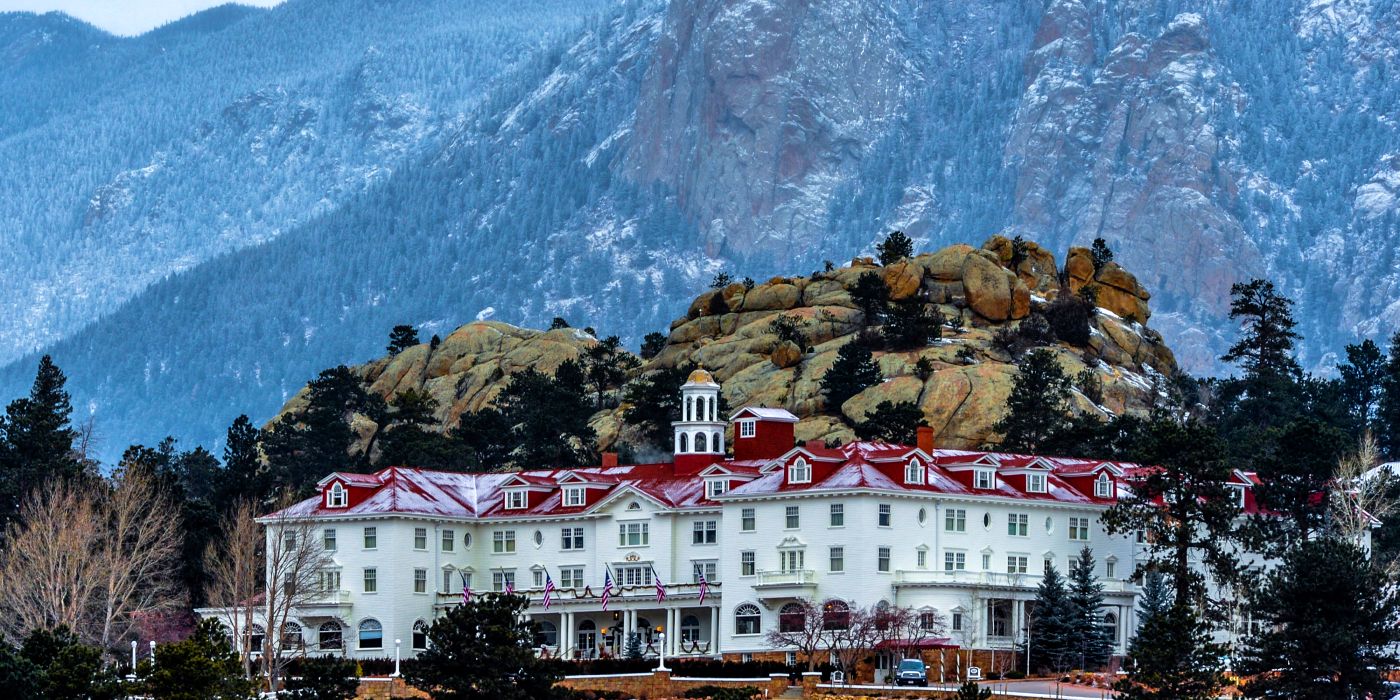
In 1974, Stephen King and his wife, Tabitha, found themselves as the sole overnight guests at The Stanley Hotel in Estes Park, Colorado, just as the winter season was setting in and the hotel was preparing to close. The experience of being in such a vast, empty, and historically rich building resonated deeply with King, who was at the time struggling with writer’s block. He stayed in Room 217, where he recounted an unsettling dream about his son being chased through the hotel’s corridors by a fire hose, screaming. This vivid dream, coupled with the profound isolation and the hotel’s storied past, provided the perfect crucible for The Shining. The remote location amidst the Rocky Mountains and the hotel’s classic, somewhat anachronistic charm, seeped into King’s narrative, giving birth to the Overlook Hotel’s distinct character.
The Stanley Hotel: A Legacy of Grandeur and Ghosts
Built in 1909 by entrepreneur F.O. Stanley (inventor of the Stanley Steamer automobile), The Stanley Hotel was envisioned as a luxurious resort for wealthy Easterners and tuberculosis sufferers seeking the therapeutic mountain air. It was a marvel of its time, bringing electricity, running water, and telephones to Estes Park. The hotel’s Georgian architecture, expansive grounds, and breathtaking views of the Rocky Mountains immediately established it as a premier destination.
Beyond its architectural beauty and luxurious amenities, The Stanley Hotel gained a reputation for paranormal activity long before Stephen King’s visit. Guests and staff have reported numerous supernatural occurrences, including disembodied voices, objects moving on their own, and apparitions. The most famous resident ghost is said to be Flora Stanley, F.O. Stanley’s wife, whose piano music is sometimes heard playing in the ballroom. Other reported phenomena include the presence of a playful ghost in Room 217, a former chief housekeeper, and spectral children on the fourth floor. These tales of the unexplained have only amplified the hotel’s mystique, turning it into a Mecca for ghost hunters and fans of the supernatural.

Today, The Stanley Hotel fully embraces its haunted reputation. It offers a range of experiences tailored to both history buffs and thrill-seekers. From elegant dining in its classic restaurants to guided historic tours detailing its past and paranormal activity, there’s something for every visitor. For those truly brave, night ghost tours provide an immersive exploration into the hotel’s most active areas, complete with equipment to detect spectral presences. It remains a popular destination for travelers looking for a unique blend of luxury accommodation, historical significance, and a chilling encounter, embodying the very spirit of cinematic horror tourism.
Unmasking the Filming Locations: Fact vs. Fiction
While The Stanley Hotel provided the inspiration for King’s novel, Stanley Kubrick opted for different real-world locations and meticulously crafted sets to bring his cinematic vision of the Overlook Hotel to life. This decision created a distinct visual identity for the film that is instantly recognizable, yet geographically fragmented.
The Majestic Exterior: Timberline Lodge
For the iconic exterior shots of the Overlook Hotel, Stanley Kubrick chose the stunning Timberline Lodge in Oregon. Perched majestically on the southern flank of Mount Hood, this grand hotel perfectly captured the isolated grandeur and imposing scale Kubrick sought.
Timberline Lodge is not just a hotel; it’s a testament to American craftsmanship and resilience. Constructed during the Great Depression by the Works Progress Administration (WPA), the lodge was dedicated by President Franklin D. Roosevelt in 1937. It is a masterpiece of Rustic Architecture, built almost entirely from local materials by skilled artisans. Its massive stone fireplaces, heavy timber beams, and intricate ironwork create an atmosphere of warmth and rugged elegance. In recognition of its architectural significance and historical importance, Timberline Lodge was designated a National Historic Landmark in 1977.
The lodge’s exterior, with its steep gables and imposing stone facade, became the immediate visual representation of the Overlook Hotel in the film. Interestingly, Kubrick made one significant alteration for the movie: he added a fictional hedge maze to the front of the hotel, which does not exist at Timberline Lodge. This detail, however, became one of the film’s most memorable and terrifying settings.

Today, Timberline Lodge serves as a fully operational ski resort and hotel, offering year-round outdoor recreation in the beautiful Pacific Northwest. Visitors can enjoy skiing and snowboarding in winter, and hiking, mountain biking, and scenic chairlift rides in the summer. Staying at Timberline Lodge provides a unique blend of historical immersion and adventurous lifestyle. While it doesn’t boast the same haunted reputation as The Stanley Hotel, its cinematic fame draws countless fans who wish to walk in the footsteps of the Torrance family, marvel at the scenery, and perhaps feel a shiver down their spine contemplating its role in horror history. The lodge perfectly encapsulates a destination that appeals to travelers seeking both majestic scenery and a brush with film legend.
Building the Interior: Elstree Studios and Recreating the Overlook
While Timberline Lodge provided the exterior grandeur, the intricate and disorienting interiors of the Overlook Hotel were meticulously constructed on soundstages at Elstree Studios in Hertfordshire, England. Stanley Kubrick’s exacting standards and vision led to the creation of one of cinema’s most famous and psychologically impactful sets.
The decision to build the entire interior from scratch allowed Kubrick complete control over every detail, from the unsettling patterns of the carpets to the precise dimensions of the corridors. Production designer Roy Walker and his team took inspiration from various real-world hotels and architectural styles to craft a space that felt both familiar and deeply unsettling. The opulent lounge, the cavernous ballroom, the distinctive elevator with its gushing torrent of blood, and the notorious Room 237 were all painstakingly brought to life on these soundstages. The use of vast, interconnected sets, combined with innovative camera work (including the pioneering use of the Steadicam), created the film’s signature sense of dread and disorientation, making the hotel itself a character in the film.
Elstree Studios has a storied history in British filmmaking, serving as the production hub for numerous iconic films beyond The Shining, including portions of the original Star Wars trilogy and Indiana Jones films. While visitors cannot tour the specific sets of the Overlook Hotel as they no longer exist, the studio itself represents a significant landmark in cinematic history, a place where many beloved and terrifying worlds have been imagined and brought to the screen.
Visiting the Real-Life Haunts: An Immersive Experience
For fans of The Shining and those with a penchant for the supernatural, visiting these real-life inspirations offers a unique blend of tourism, history, and a touch of thrilling dread. These destinations provide more than just a place to stay; they offer an immersive experience into the world of one of horror’s most enduring tales.
Exploring The Stanley Hotel Today
The Stanley Hotel stands as the spiritual home of the Overlook Hotel. It has fully embraced its literary and paranormal connections, making it a premier destination for those interested in the supernatural. Accommodation options range from classic rooms in the historic main hotel to more modern suites and apartments on the sprawling property, catering to diverse preferences and budgets. The hotel itself is an attraction, offering:
- Historic Tours: Guided daytime tours delve into the hotel’s founding, its prominent guests, and its architectural grandeur, providing context for its century-long legacy.
- Ghost Tours: For the brave, evening ghost tours explore the areas with the most reported paranormal activity, including the concert hall, the underground tunnels, and various guest rooms, often equipped with ghost-hunting tools.
- The Shining-Themed Experiences: The hotel features a gift shop with The Shining memorabilia, a whisky bar (Cascades Restaurant & Lounge) evocative of the film’s Gold Room, and even an annual Overlook Hotel themed ball.
- Luxurious Amenities: Beyond the ghosts, guests can enjoy fine dining, a spa, and breathtaking views of the Rocky Mountains, making it a comprehensive luxury travel destination.
- Destination Weddings and Events: The majestic ballrooms and picturesque setting make it a popular choice for special occasions, offering a unique blend of elegance and intrigue.
Visiting The Stanley Hotel is an experience that caters to both the luxury traveler seeking a historic resort and the intrepid explorer on a quest for the paranormal. It perfectly blends “Hotels,” “Tourism,” “Accommodation,” and “Lifestyle” categories for the modern traveler.
The Timberline Lodge Experience
While Timberline Lodge doesn’t lean into the paranormal aspect, its role in The Shining makes it an undeniable pilgrimage site for film enthusiasts. It’s a prime example of a “Landmark” that also functions as a thriving “Hotel” and “Travel Destination.”
- Year-Round Recreation: Situated on Mount Hood, Timberline Lodge is renowned for its ski slopes, which offer the longest ski season in North America. In warmer months, it transforms into a hub for hiking, climbing, and scenic gondola rides. This appeals to “Lifestyle” travelers interested in adventure and outdoor activities.
- Architectural Wonder: The lodge itself is a masterpiece of Depression-era artistry. Visitors can explore its public spaces, admire the intricate woodwork, enormous stone fireplaces, and stunning views of the surrounding wilderness. The historic ambiance provides a sense of stepping back in time.
- Film Connections: While no ghosts are advertised, the unmistakable exterior seen in The Shining immediately transports fans into the film. There are often subtle nods to the movie, and staff are accustomed to questions about its role.
- Accommodation: The lodge offers a variety of rooms and suites, many with breathtaking mountain views, combining rustic charm with modern comforts. Dining options highlight local Oregon produce.
For travelers who appreciate natural beauty, historical architecture, and outdoor adventure, Timberline Lodge offers a robust experience, with the added thrill of being featured in a cinematic classic.
Beyond the Screen: The Allure of Haunted Hotels and Cinematic Stays
The fascination with “The Shining” and its real-world counterparts underscores a broader trend in travel and tourism: the allure of places with a story, especially those steeped in mystery, history, or cinematic fame. These “cinematic stays” and “haunted hotels” offer a unique value proposition beyond standard accommodation.
The success of places like The Stanley Hotel and Timberline Lodge demonstrates how popular culture can transform destinations. These hotels are more than just places to sleep; they are experiences, allowing guests to step into a narrative, explore a piece of history, or even confront their own fears. This niche segment of “Tourism” and “Lifestyle” travel caters to individuals seeking immersive and memorable journeys.
For the modern traveler, choosing accommodation often goes beyond mere comfort and amenities. It’s about finding unique “Experiences” that create lasting memories. Whether it’s the thrill of a paranormal investigation, the satisfaction of staying in a National Historic Landmark, or the sheer joy of seeing a beloved film location in person, these destinations provide a rich tapestry of offerings. They stand as enduring testaments to the power of a story, proving that sometimes, the line between fiction and reality can become wonderfully, terrifyingly blurred.
So, while the true Overlook Hotel exists only in the dark corners of our imagination, its spirit lives on in the majestic architecture of Timberline Lodge and the ghostly legends of The Stanley Hotel. Both offer distinct, captivating experiences for travelers seeking to immerse themselves in the legacy of The Shining – a legacy that continues to chill and thrill in equal measure. These iconic hotels remind us that sometimes, the most unforgettable travel destinations are those with the best stories to tell.
LifeOutOfTheBox is a participant in the Amazon Services LLC Associates Program, an affiliate advertising program designed to provide a means for sites to earn advertising fees by advertising and linking to Amazon.com. Amazon, the Amazon logo, AmazonSupply, and the AmazonSupply logo are trademarks of Amazon.com, Inc. or its affiliates. As an Amazon Associate we earn affiliate commissions from qualifying purchases.