
The turquoise waters of the Florida Straits shimmer under the tropical sun, a seemingly endless expanse that has long fueled dreams of exploration and connection. For many, the allure of islands and continents separated by vast oceans ignites curiosity, prompting questions about visibility across great distances. Among these, one intriguing query often surfaces: “Can you see Key West from Cuba?” This question, rooted in a fascination with geography and the sheer possibility of visual connection, delves into the interplay of distance, atmospheric conditions, and the curvature of the Earth.
While the idea of spotting a distant landmass with the naked eye is romantic, the reality of seeing Key West from Cuba is, for the most part, a matter of physical impossibility. The geographical realities, coupled with the Earth’s inherent spherical shape, create a significant barrier. However, this question also opens a gateway to exploring the unique relationship between these two vibrant locations, their shared history, and the modern-day connections that bridge the physical distance, even if visual ones cannot.
The Geography of Distance and the Horizon
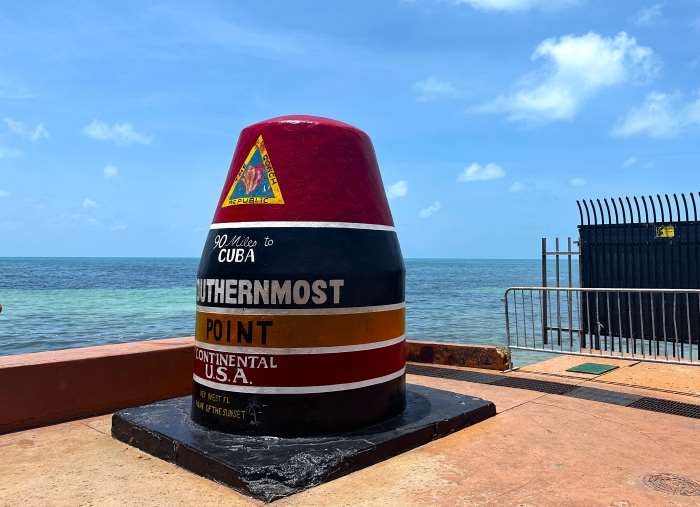
The shortest distance between the westernmost tip of mainland Florida and the easternmost point of Cuba is approximately 217 miles (349 kilometers). Key West, the southernmost island in the Florida Keys, sits at the very edge of the continental United States, a mere 90 miles (145 kilometers) north of Cuba. This proximity, while geographically tantalizing, is not enough to overcome the fundamental limitation imposed by the Earth’s curvature.
The Earth’s Curvature: A Silent Separator
The Earth is not flat; it is a sphere (more accurately, an oblate spheroid). This means that as you look out across a large body of water, your line of sight is limited by the horizon. The horizon is the apparent line that separates the Earth’s surface from the sky. For an observer at sea level, the horizon is roughly 3 miles away. This distance increases with altitude. For an average adult standing on a beach, the horizon is about 3 miles away. If you were to climb a tall building or a hill, you could see further, but only until the curvature of the Earth obstructs your view.
Consider an observer on the coast of Cuba. Even if they were standing on the highest point in western Cuba (which are not particularly high mountains, the highest point being Pico Turquino at 1,974 meters, but that is far from the western tip), the line of sight to Key West would be blocked by the Earth’s bulge. Similarly, from the vantage point of someone on Key West, the island of Cuba would dip below the horizon long before the actual distance could be bridged by sight.
Atmospheric Conditions: A Further Obstacle
Even if the Earth were flat, or if the distance were slightly less, other factors would likely prevent clear visibility. The atmosphere, while seemingly transparent, is filled with water vapor, dust particles, and other aerosols. These particles scatter and absorb light, leading to haze and reduced visibility, especially over large bodies of water. The phenomenon known as atmospheric refraction, where light bends as it passes through different densities of air, can slightly extend our visible horizon, but it is not sufficient to overcome the vast distance involved here. On exceptionally clear days, one might see further, but this improvement is marginal in the grand scheme of hundreds of miles.
Therefore, relying on the naked eye, the answer to whether you can see Key West from Cuba is a definitive no. The physical limitations of our vision and the Earth’s geography create an insurmountable barrier.
Bridging the Distance: Travel and Tourism Between Key West and Cuba
While visual connection is not possible, the question of seeing Key West from Cuba opens up a fascinating discussion about the tangible links and historical resonances that exist between these two destinations. Both are vibrant hubs of culture, history, and unique island lifestyles, and despite the complex geopolitical landscape, there are numerous ways in which travelers and enthusiasts connect with and experience the essence of each.
A Tale of Two Islands: Shared Histories and Contrasting Cultures

Key West, the southernmost point of the continental United States, boasts a distinctive bohemian charm, a rich maritime history, and a legendary nightlife. Its architecture, a blend of Victorian and Bahamian styles, hints at its diverse influences. Once a haven for wreckers, cigar makers, and fishermen, Key West now thrives on tourism, attracting visitors with its laid-back atmosphere, vibrant arts scene, and iconic landmarks like the Southernmost Point Buoy and Hemingway’s House. The island’s proximity to Cuba has always been a subtle undercurrent in its identity, with whispers of shared influences and a distinct Caribbean flavor permeating its culture.
Cuba, on the other hand, is a nation steeped in revolution, music, and a palpable sense of history. Its colonial architecture, classic American cars, and vibrant street life tell a story of resilience and enduring spirit. From the bustling streets of Havana to the tobacco fields of Viñales, Cuba offers an immersive travel experience that is both challenging and rewarding. The cultural threads that weave through both Key West and Cuba include influences in music (salsa, jazz), cuisine, and a shared appreciation for island living, albeit with vastly different political and economic frameworks shaping their present realities.
Modern Connections: Navigating the Travel Landscape
While direct flights between Key West and Cuba are not common due to existing travel restrictions and logistical complexities, the desire to experience both destinations remains strong. Travel to Cuba from the United States has become more accessible in recent years, with various “people-to-people” programs and specific travel categories allowing Americans to visit. Many opt for flights from larger gateway cities like Miami, Tampa, or Fort Lauderdale, which are themselves easily accessible from Key West.
The journey from Key West to Cuba often involves a short flight to a major Florida airport, followed by a flight to Havana or Varadero. Once in Cuba, travelers can explore its rich tapestry of sights and sounds, from the historic plazas of Old Havana to the pristine beaches of the island’s north coast. Similarly, those visiting Key West can immerse themselves in its unique atmosphere, perhaps staying at the iconic Casa Marina Key West, Curio Collection by Hilton or exploring the vibrant Duval Street.
The tourism industry around both destinations offers a diverse range of accommodations, from luxurious resorts to charming guesthouses. In Key West, options range from intimate boutique hotels to larger resorts, catering to various travel styles and budgets. In Cuba, travelers often experience the warmth of casa particulares (private homestays) or stay in historic hotels managed by government entities or international chains like Meliá Hotels International.
Experiencing the Essence of Each Destination
While you cannot see Key West from Cuba with the naked eye, the desire to understand their proximity and connection can lead to a deeper appreciation of their individual charms and the subtle ways their histories and cultures have intertwined.
Immersion in Key West’s Unique Lifestyle
Visiting Key West is an experience in embracing a relaxed, almost Caribbean pace of life within the embrace of the United States. The island is famous for its vibrant street performers, eclectic shops, and a culinary scene that blends Caribbean, Cuban, and American influences. A must-do is a sunset celebration at Mallory Square, where street artists, musicians, and vendors create a lively atmosphere. Exploring the historic architecture, including the Ernest Hemingway Home and Museum and the Key West Lighthouse, offers a glimpse into the island’s rich past. For those seeking luxury travel experiences, Key West offers boutique hotels and exclusive villas. Budget travelers can find charming guesthouses and affordable dining options. Family trips can enjoy the Key West Aquarium and various water sports.
Discovering the Soul of Cuba
Cuba presents a travel experience that is both nostalgic and exhilarating. The country’s rich history is palpable in its UNESCO World Heritage sites, such as Old Havana. Wandering through its cobblestone streets, admiring the colonial buildings, and soaking in the vibrant energy of its plazas is an unforgettable adventure. The music of Cuba is legendary, from the rhythmic beats of salsa to the soulful melodies of son. Engaging with local musicians and enjoying a live performance is an essential part of the experience. The food, while often simpler than in other Caribbean destinations, is flavorful and reflects a blend of Spanish, African, and Caribbean influences. From a plate of ropa vieja to fresh seafood, Cuban cuisine is a delight. Accommodation in Cuba ranges from the charming casa particulares, offering an authentic local experience, to grand hotels that echo a bygone era.

The Invisible Threads That Connect
In conclusion, while the direct line of sight between Key West and Cuba is an illusion, the invisible threads of history, culture, and shared geography create a compelling connection. The question itself sparks an interest in understanding the world around us, the limitations of human perception, and the ways in which destinations, even those separated by geographical barriers, can feel intimately linked through shared experiences and influences. Whether you are a seasoned traveler or an armchair explorer, the allure of these two captivating islands, standing just 90 miles apart, continues to inspire journeys of discovery, both outward to new lands and inward to a deeper understanding of our interconnected world.
LifeOutOfTheBox is a participant in the Amazon Services LLC Associates Program, an affiliate advertising program designed to provide a means for sites to earn advertising fees by advertising and linking to Amazon.com. Amazon, the Amazon logo, AmazonSupply, and the AmazonSupply logo are trademarks of Amazon.com, Inc. or its affiliates. As an Amazon Associate we earn affiliate commissions from qualifying purchases.