
The azure waters of the Caribbean Sea shimmer between two iconic destinations, each brimming with unique charm and historical significance: Key West, the southernmost point of the Continental United States, and the vibrant island nation of Cuba. For travelers and dreamers alike, the question often arises: how far is Key West from Cuba? This distance is not merely geographical; it represents a fascinating juxtaposition of cultures, histories, and travel experiences, making the exploration of this relationship a compelling journey in itself.
While the shortest geographical distance between Key West and Cuba is a mere 90 miles, this figure only scratches the surface of the intricate connections and the distinct experiences these two locales offer. Understanding this distance involves delving into their historical ties, the practicalities of travel between them, and the very essence of what makes each destination a magnet for visitors. This article will navigate these facets, providing a comprehensive answer to the question of distance and enriching it with the context of travel, tourism, and lifestyle.
Geographical Proximity and Direct Travel
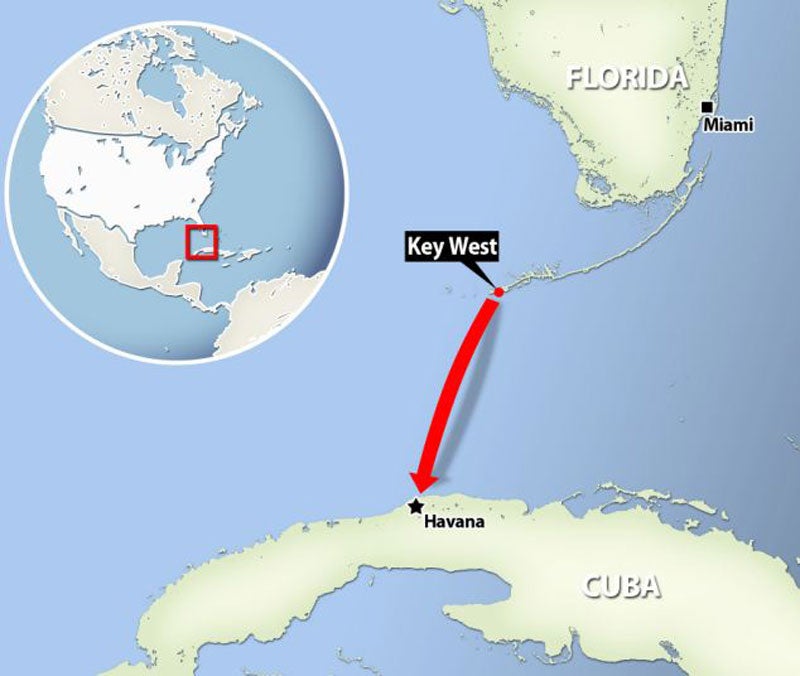
The geographical proximity between Key West and Cuba is a defining characteristic, a slender stretch of ocean that has historically facilitated both connection and separation. The closest point in Cuba to Key West is the northern coast, near Havana. As mentioned, the direct, straight-line distance across the water is approximately 90 miles. This short span is a testament to Florida’s unique geographical position, a peninsula reaching out into the warm waters of the Gulf of Mexico and the Caribbean Sea.
However, while the distance is short, direct, scheduled commercial travel between Key West and Cuba has been historically complex and is currently very limited, if available at all. Decades of United States foreign policy have significantly impacted direct travel options. While there have been periods of increased accessibility, particularly for specialized travel categories like educational or cultural exchange programs, independent leisure travel directly from Key West to Cuba has remained restricted for most US citizens.
This doesn’t mean US citizens cannot visit Cuba. Instead, travel typically requires flying from a major US gateway city, such as Miami or New York City, to Havana or other Cuban cities. These flights, while originating from the United States, are not direct departures from Key West itself. This indirect route adds significant time and cost to the journey, making the 90-mile geographical gap feel much larger in terms of actual travel logistics.
For those seeking to experience the unique allure of Cuba, the journey often begins with a flight to Miami International Airport or another international hub. From there, one can board a flight to Havana’s José Martí International Airport. The flight duration from Miami to Havana is typically around an hour. This means that while Key West is geographically closer to Cuba than any other major US city, the practicalities of travel often necessitate a detour through a larger airport.
The Nautical Perspective: Sailing and Boating
For the adventurous spirit and those with their own vessels, the 90-mile distance takes on a different meaning. Sailing or boating between Key West and Cuba is a tangible possibility, though it requires careful planning, adherence to regulations, and a significant understanding of maritime conditions. This route is not for the faint of heart and is typically undertaken by experienced sailors.
The journey across the Straits of Florida can be challenging, with variable weather patterns, strong currents, and the need for proper navigation and safety equipment. Marinas in Key West can serve as departure points for those embarking on such a voyage. Upon reaching Cuba, visitors would typically arrive at ports like Havana or Cienfuegos.
It’s crucial to note that any such voyage would need to comply with all US and Cuban maritime laws and customs regulations. This includes obtaining necessary permits, visas, and clearances before departure and upon arrival. The allure of sailing directly from the laid-back, bohemian atmosphere of Key West to the historic, rhythmic pulse of Cuba is undeniable for many seafarers, offering a truly immersive and unforgettable travel experience. This perspective truly highlights the geographical intimacy, even if direct travel infrastructure is limited.
Key West: An Island Paradise with a Cuban Echo
Key West itself possesses a unique cultural tapestry woven with threads of Spanish, Bahamian, Cuban, and American influences. Its history is deeply intertwined with the broader Caribbean and Latin American regions, and one can feel echoes of Cuba in its architecture, its culinary traditions, and the very spirit of its inhabitants.
Historical Connections and Cultural Exchange
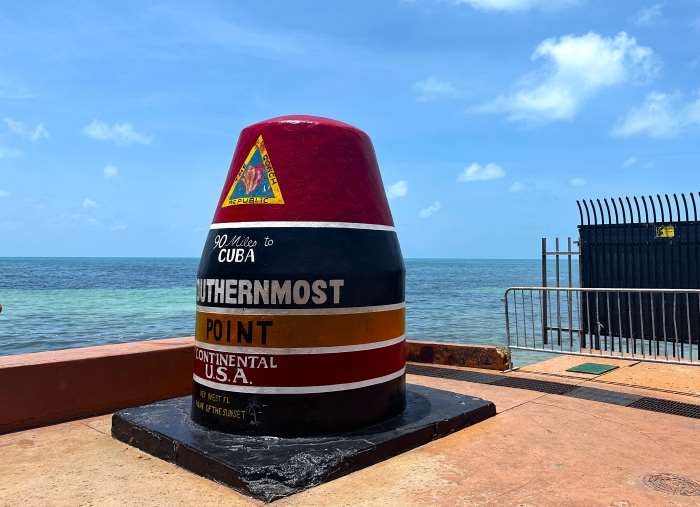
Historically, Key West and Cuba have shared a dynamic relationship. Cuban immigrants have played a significant role in the development of Key West, bringing with them their vibrant culture, their entrepreneurial spirit, and their delicious cuisine. This influence is palpable in the historic Cuban Quarter of Key West, where visitors can still find traditional Cuban bakeries, cigar shops, and restaurants. The aroma of freshly brewed Cuban coffee and the sounds of Latin music often fill the air, offering a sensory experience that bridges the geographical gap.
The architecture in Key West also hints at these connections. Many of the iconic Conch houses, with their distinctive wooden structures and wrap-around porches, show influences that can be traced back to Caribbean building styles, which in turn have historical links to Spanish colonial design found throughout Cuba.
Even the legendary characters associated with Key West, such as Ernest Hemingway, had strong ties to Cuba. Hemingway spent a significant portion of his life in Havana, and his experiences there deeply informed his writing and his lifestyle. His former home in Key West, now a popular museum and landmark, stands as a testament to this interconnectedness. Visitors to the Ernest Hemingway Home and Museum can learn about his life in both locations, further highlighting the shared cultural currents.
Experiencing “Cuban” Flavors in Key West
For many visitors to Key West, the closest they come to experiencing Cuba is through its food. Cuban cuisine has left an indelible mark on the island’s culinary scene. From the iconic Cuban sandwich – a pressed delight of ham, roasted pork, Swiss cheese, pickles, and mustard on Cuban bread – to strong, sweet Cuban coffee, these flavors are an integral part of the Key West experience. Restaurants like Blue Heaven and Schooner Wharf often feature dishes with Cuban inspirations, even if they aren’t strictly Cuban establishments. Exploring the local eateries is a delicious way to feel a connection to the island nation to the south.
Cuba: A World Apart, Yet So Close
Cuba, on the other hand, offers a profoundly different, yet equally captivating, travel experience. Its allure lies in its preserved colonial architecture, its rich musical heritage, its revolutionary history, and its distinct social and economic landscape. While the geographical distance from Key West is minimal, the cultural, political, and experiential distance is significant, offering a journey into a world that feels both familiar and entirely unique.
Exploring the Wonders of Havana and Beyond
Havana, the capital of Cuba, is a city that captivates the senses. Its UNESCO World Heritage Old Town (Habana Vieja) is a labyrinth of cobblestone streets, colorful colonial buildings, and lively plazas. Visitors can wander through Plaza Vieja, marvel at the grandeur of the Capitolio Nacional, and soak in the atmosphere along the iconic Malecón seawall. The classic American cars that cruise the streets are not just a tourist attraction but a living testament to the island’s unique history and resourcefulness.
Beyond Havana, Cuba offers diverse landscapes and experiences. The tobacco fields of Viñales offer stunning natural beauty and insight into the production of world-renowned Cuban cigars. The colonial charm of Trinidad, a UNESCO World Heritage site, transports visitors back in time with its well-preserved buildings and cobblestone streets. For beach lovers, the pristine sands of Varadero offer a tropical escape.
Navigating Travel to Cuba
As previously discussed, traveling from the United States to Cuba requires navigating specific regulations. While direct flights from Key West are not a standard option, travelers can book flights from major US hubs. The categories of travel permitted for US citizens have evolved over time, with options often including family visits, journalistic activity, professional research, educational activities, religious activities, public performances, workshops, conferences, and humanitarian projects. Independent travel for purely tourist purposes has been historically more restricted, though there have been periods of greater openness.
It is essential for any potential traveler to stay informed about the latest US Department of the Treasury regulations regarding travel to Cuba. These regulations can change, and compliance is paramount. Understanding these nuances is a key part of grasping the practical “distance” involved in traveling from Key West to Cuba, even if the geographical span is small.

The Interplay of Two Distinct Destinations
The question of “How Far Is Key West From Cuba?” is thus a multifaceted one. Geographically, the answer is a concise 90 miles. However, the practical, cultural, and logistical distances are far more complex and intriguing. Key West offers a taste of Caribbean charm with a distinctly American flair, peppered with Cuban influences that speak to a shared history and proximity. Cuba, just a short hop across the water, presents a world apart – a vibrant nation steeped in history, music, and a unique way of life that continues to fascinate travelers from around the globe.
For those planning a trip, understanding these nuances is key. Whether you are enjoying a sunset in Mallory Square in Key West or listening to live salsa music in Havana, you are experiencing destinations that, despite their minimal geographical separation, offer profoundly different but equally rewarding adventures. The journey between them, though sometimes indirect, is a passage between two worlds, each with its own story to tell and its own unforgettable experiences to offer. The enduring connection, felt through history, culture, and the very air, makes the question of distance less about miles and more about the richness of the human experience that bridges them.
LifeOutOfTheBox is a participant in the Amazon Services LLC Associates Program, an affiliate advertising program designed to provide a means for sites to earn advertising fees by advertising and linking to Amazon.com. Amazon, the Amazon logo, AmazonSupply, and the AmazonSupply logo are trademarks of Amazon.com, Inc. or its affiliates. As an Amazon Associate we earn affiliate commissions from qualifying purchases.