
The allure of Key West has long captivated travelers with its unique blend of history, vibrant culture, and breathtaking natural beauty. Often painted as a quintessential island paradise, the question naturally arises: is Key West truly an island? The answer, perhaps surprisingly to some, is a resounding yes. This southernmost point of the continental United States is a testament to geographical definition, a strip of land embraced by the turquoise waters of the Atlantic Ocean and the Gulf of Mexico. Its identity as an island is not just a matter of cartography; it underpins the very essence of its charm, influencing everything from its distinct ecosystem to its laid-back, maritime-influenced lifestyle.
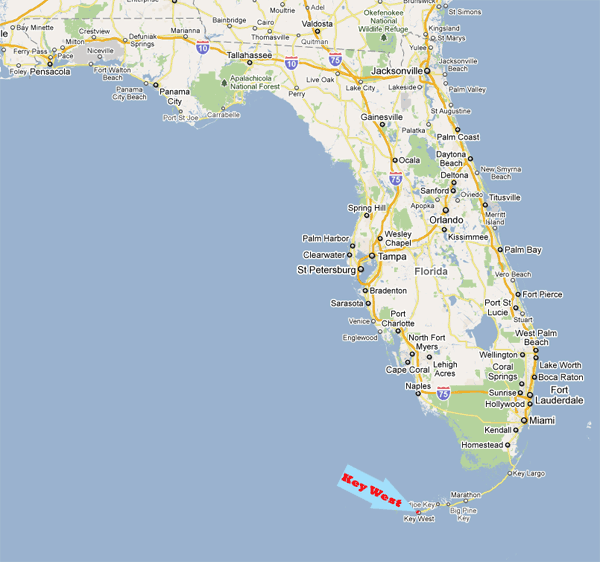
The story of Key West being an island is deeply intertwined with its geographical origins and the geological processes that shaped the Florida Keys. Formed from ancient coral reefs, these islands, or keys, are essentially the exposed peaks of a submerged mountain range. This unique geological foundation has given Key West its characteristic flat terrain and porous limestone bedrock. Its isolation, a direct consequence of being surrounded by water, has fostered a unique microclimate and a biodiversity that sets it apart from mainland Florida. Understanding Key West as an island is fundamental to appreciating its history, its attractions, and the experiences it offers to those who venture to its shores.
Exploring the Island Geography and Its Impact
Key West‘s insular nature is not merely a geographical footnote; it is the very fabric of its existence. Measuring approximately four miles long and one mile wide, this compact landmass is entirely surrounded by water. To the north, the shimmering expanse of the Florida Bay, a crucial estuarine environment, provides a stark contrast to the deeper blues of the Atlantic Ocean to the south and east. The western side faces the open Gulf of Mexico, contributing to its spectacular sunsets. This constant embrace of water shapes the island’s weather patterns, influences its marine life, and dictates the modes of transportation to and from the mainland.
The journey to Key West itself is often an integral part of the experience, further emphasizing its island status. While the Overseas Highway (US Highway 1) offers a spectacular drive, it is a meticulously engineered feat of construction, bridging numerous smaller keys to connect Key West to the mainland. This highway, a marvel in itself, underscores the physical separation that water imposes. Planes land at the Key West International Airport, and ferries offer a more leisurely, sea-level arrival. These access points highlight the reality that reaching Key West requires traversing significant stretches of water, a characteristic shared by islands worldwide. The island’s limited space also contributes to its unique atmosphere, fostering a close-knit community and a palpable sense of place that is often lost in larger, more sprawling destinations.
Natural Wonders and Island Biodiversity
The insular environment of Key West has nurtured a distinct array of flora and fauna. The surrounding waters teem with marine life, making it a world-renowned destination for snorkeling, diving, and fishing. The Florida Keys National Marine Sanctuary, which encompasses the waters around Key West, is a protected area safeguarding vital coral reefs and diverse marine ecosystems. Visitors can explore vibrant coral gardens, encounter colorful fish species, and if lucky, spot sea turtles and dolphins in their natural habitat.
On land, Key West‘s subtropical climate supports a unique blend of Caribbean and North American plant life. Palm trees, bougainvillea, and other tropical blooms flourish, creating a riot of color against the pastel-hued architecture. The island is also a significant migratory stop for various bird species, making it a haven for birdwatchers. The presence of endemic species, adapted to the island’s specific conditions, further emphasizes its ecological isolation. Understanding these natural wonders is intrinsically linked to recognizing Key West as an island, a self-contained ecosystem that thrives in its watery embrace. Exploring sites like the Ernest Hemingway Home and Museum, with its free-roaming cats descended from the author’s pet, offers a glimpse into the island’s unique character, where even domestic animals seem to embody its relaxed, somewhat whimsical spirit. The island’s commitment to preserving its natural heritage, from its beaches to its coral reefs, is a testament to its appreciation for its island identity.
The Island’s Rich History and Cultural Tapestry

Key West‘s island geography has profoundly influenced its historical development and cultural evolution. For centuries, its strategic location at the crossroads of major shipping lanes made it a vital outpost for traders, pirates, and military strategists. Its isolation from the mainland allowed for the development of a distinct culture, a melting pot of influences from Spain, Cuba, the Bahamas, and various maritime traditions. The island’s history is etched into its architecture, its dialect, and its culinary traditions, all of which bear the hallmarks of its island heritage.
From its early days as a wrecking capital, salvaging goods from ships that foundered on the surrounding reefs, to its prominence as a naval base and a hub for cigar manufacturing, Key West has always been shaped by its relationship with the sea. The iconic Conch Republic, a tongue-in-cheek secessionist movement born from a dispute with the U.S. Customs Service, further highlights the islanders’ strong sense of identity, often fueled by their perceived separation from the mainland. This independent spirit is a direct byproduct of living on an island, where a unique perspective on the world often takes root.
Iconic Landmarks and Island Life
The landmarks of Key West are as much a part of its island story as its sandy shores. The Southernmost Point Buoy, a concrete monument marking the geographically southernmost point of the continental United States, is a quintessential symbol of the island’s unique position. Visiting this landmark offers a tangible connection to its extreme location. The Whitehead Street area, with its colorful Victorian houses, charming boutiques, and lively bars, embodies the quintessential Key West experience.
The Duval Street scene, renowned for its vibrant nightlife, street performers, and eclectic mix of establishments, is another facet of island life. However, beyond the bustling thoroughfares, quieter neighborhoods reveal the island’s residential charm, with gingerbread-trimmed cottages and lush gardens that speak to a slower pace of life. The Mel Fisher Maritime Museum showcases artifacts recovered from shipwrecks, a direct testament to the island’s historical connection to maritime endeavors. Exploring these sites, whether it’s the historic Fort Zachary Taylor State Park or the whimsical Key West Butterfly and Nature Conservatory, offers a deeper understanding of how its island nature has shaped its attractions and its very soul. The island’s culinary scene, heavily influenced by fresh seafood and Caribbean flavors, further solidifies its distinct identity. Restaurants like Sloppy Joe’s Bar and The Chart Room are not just places to eat and drink; they are cultural institutions that have witnessed generations of island life.
Experiencing Key West: A Destination Defined by Its Island Nature
The appeal of Key West as a travel destination is inextricably linked to its island setting. Whether you seek adventure on the water, a journey through history, or simply a place to unwind and soak in a unique atmosphere, the island delivers. The experiences available are shaped by its geography, offering a sense of escape and discovery that is often sought but rarely found in mainland destinations.
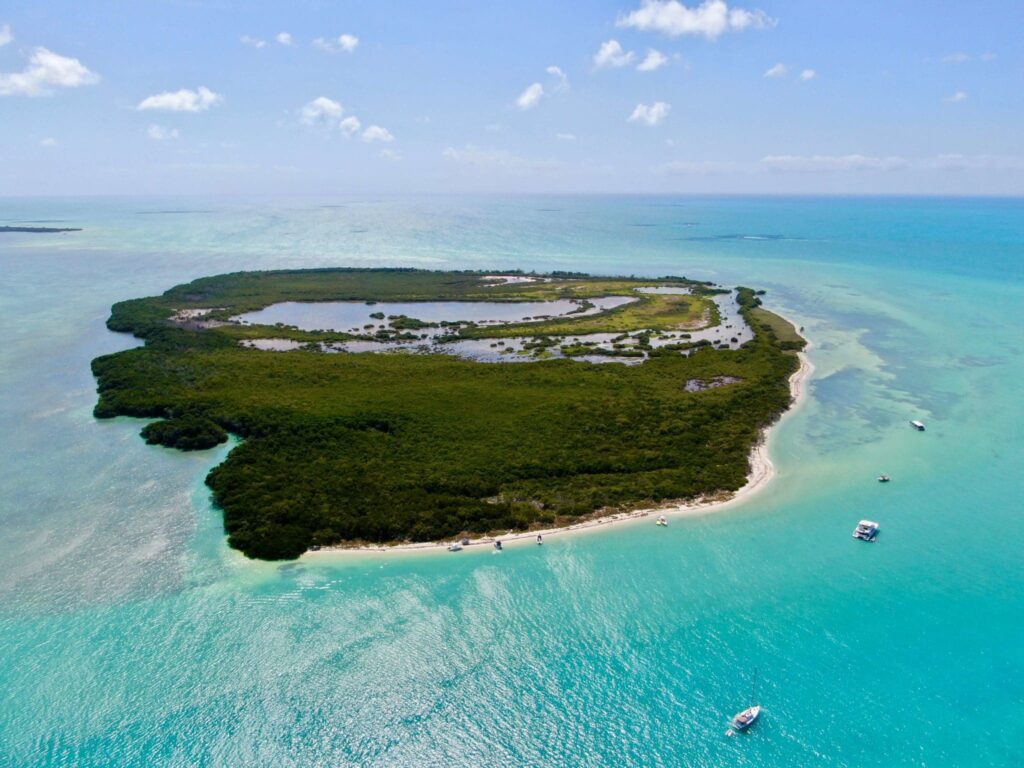
The range of accommodations on Key West reflects its island character, from luxurious resorts offering ocean views to charming guesthouses nestled in historic neighborhoods. The Marriott Beachside Hotel and The Marker Key West Harbor Resort are examples of properties that leverage the island’s stunning coastal locations to provide guests with an immersive experience. The focus on outdoor activities – kayaking through mangrove tunnels, paddleboarding in the calm bay waters, or simply lounging on the beach – is a direct consequence of being surrounded by water.
Practical Tips for Island Exploration
Navigating Key West is relatively easy due to its compact size, and many visitors choose to explore on foot, by bicycle, or by scooter, further enhancing their connection to the island rhythm. Renting a car is often unnecessary once you’ve arrived, as parking can be challenging and expensive. The island’s public transportation options, including the Conch Tour Train and the Duval Loop bus, provide convenient ways to get around and learn about its history and attractions.
When planning your trip, consider the time of year. The weather in Key West is generally warm year-round, but hurricane season, typically from June to November, can bring unpredictable weather. The shoulder seasons, spring and fall, often offer a pleasant balance of good weather and fewer crowds. When it comes to dining, don’t shy away from local specialties like key lime pie and fresh seafood. For those interested in longer stays or budget travel, exploring options beyond the main tourist hubs might reveal more affordable accommodations and authentic experiences. Ultimately, embracing the fact that Key West is an island is the first step to unlocking its full potential as a destination. It’s a place where the rhythm of the tides influences the pace of life, and where every vista is a reminder of its captivating, water-bound existence.
LifeOutOfTheBox is a participant in the Amazon Services LLC Associates Program, an affiliate advertising program designed to provide a means for sites to earn advertising fees by advertising and linking to Amazon.com. Amazon, the Amazon logo, AmazonSupply, and the AmazonSupply logo are trademarks of Amazon.com, Inc. or its affiliates. As an Amazon Associate we earn affiliate commissions from qualifying purchases.