
The allure of the Rocky Mountains and the vibrant energy of Denver stands in fascinating contrast to the dazzling lights and desert charm of Las Vegas. For many travelers, connecting these two iconic United States cities represents a quintessential American adventure, whether it’s for leisure, business, or a blend of both. Understanding the distance, travel time, and various transportation options is the first step in planning an unforgettable journey. This comprehensive guide will not only answer the fundamental question of “how far,” but also delve into the rich experiences, diverse accommodation choices, and unique lifestyle opportunities that define a trip between the Mile High City and Sin City.

The Distance Unpacked: Miles, Time, and Terrain
At first glance, the distance between Denver, Colorado, and Las Vegas, Nevada, might seem significant, spanning across vast western landscapes. However, depending on your mode of travel and preferred route, this journey can be an exhilarating road trip or a swift aerial transit.
The Straight Shot: Aerial Distance
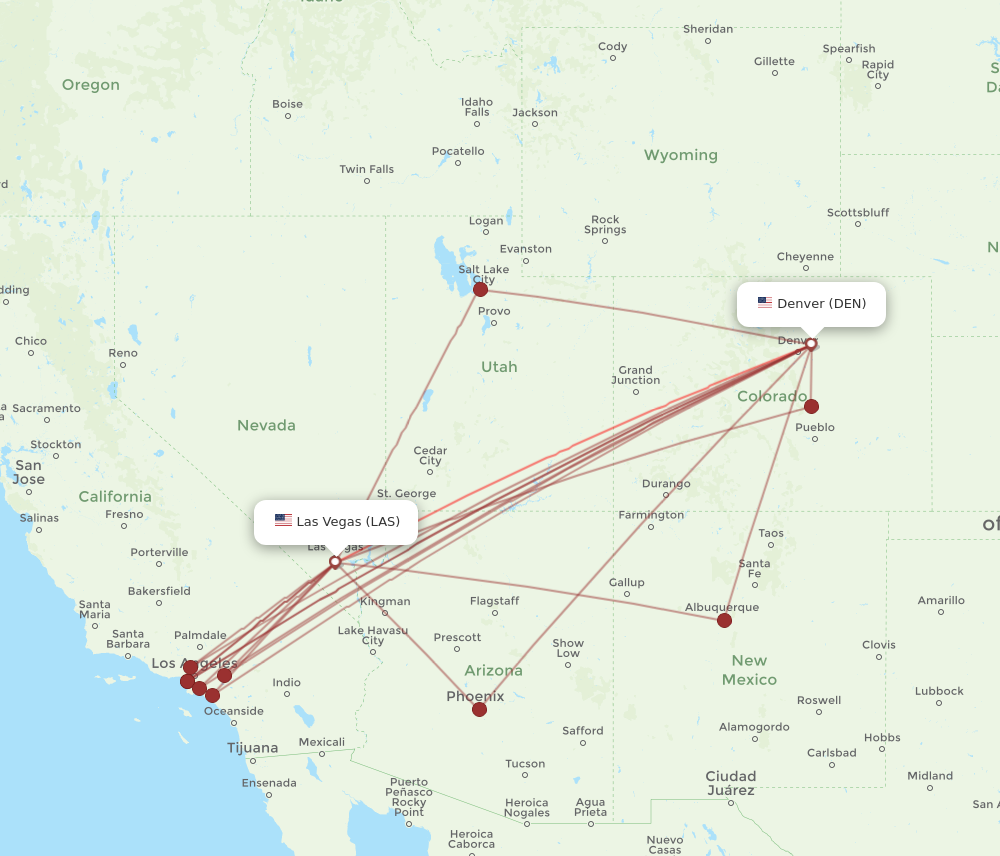
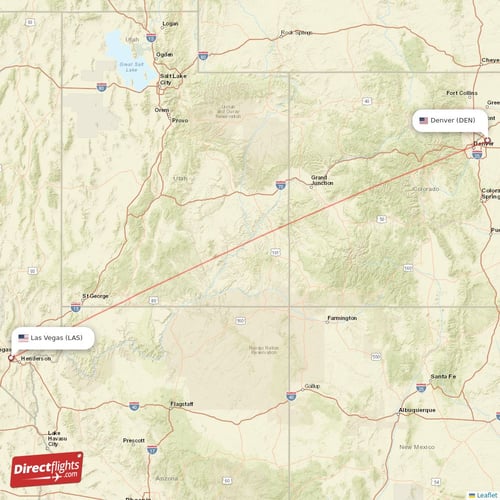
As the crow flies, the aerial distance between Denver and Las Vegas is approximately 627 miles (1,009 kilometers). This direct measurement is primarily relevant for air travel, which typically bypasses the winding roads and geographical barriers that ground transportation must navigate. A direct flight between Harry Reid International Airport in Las Vegas and Denver International Airport usually takes around 1 hour and 45 minutes to 2 hours, making it by far the fastest way to bridge the gap. Airlines like Southwest Airlines, United Airlines, Delta Air Lines, Frontier Airlines, Spirit Airlines, American Airlines, and Allegiant Air offer frequent services, making this a highly accessible route for those prioritizing speed.
On the Road: Driving Distance and Time
For those who prefer the open road, the driving distance is considerably longer and offers a chance to explore the diverse landscapes of the American West. The most common and direct driving route covers approximately 750-770 miles (1,207-1,239 kilometers), primarily utilizing Interstate 70 (I-70) westbound from Denver through Colorado and Utah, then connecting to Interstate 15 (I-15) southbound into Nevada and Las Vegas.
Without significant stops, this drive typically takes between 11 to 12 hours of pure driving time. However, it’s highly recommended to break up the journey, especially if you’re traveling with family or prefer a more leisurely pace. Many travelers choose to make it a two-day trip, stopping overnight in cities like Grand Junction, Colorado, or Salt Lake City, Utah, allowing for rest and exploration. This road trip is a fantastic opportunity for those interested in lifestyle experiences like budget travel or family trips, offering flexibility and the chance to discover hidden gems.
Scenic Routes vs. Fastest Paths
While the I-70 to I-15 corridor is the most efficient, several scenic detours can turn a mere drive into an epic adventure. Instead of rushing, consider incorporating stops at some of the region’s breathtaking natural landmarks.
- Southern Utah’s National Parks: A slight deviation through southern Utah allows access to world-renowned parks like Arches National Park, Canyonlands National Park (near Moab), Zion National Park, Bryce Canyon National Park, and Capitol Reef National Park. While adding several hours or even days to the journey, the geological wonders and outdoor activities offer unparalleled experiences for nature lovers.
- The Colorado River Valley: Traveling along I-70 through Colorado, you’ll pass through stunning mountain towns like Golden, Idaho Springs, and Glenwood Springs, each offering unique attractions and scenic beauty. These stops are perfect for outdoor enthusiasts, with opportunities for hiking, hot springs, and river rafting.
Navigating the Journey: Transportation Options
Choosing how to travel between Denver and Las Vegas depends on your priorities: speed, budget, desire for exploration, or convenience. Each mode of transport offers a distinct travel experience.
Hitting the Road: A Classic American Road Trip
The road trip from Denver to Las Vegas is an iconic American adventure, appealing to those who love the freedom of the open road.
- Pros: Flexibility to stop whenever and wherever you please, cost-effective for groups, opportunity to see diverse landscapes and visit landmarks not accessible by air. It’s ideal for family trips or travelers seeking a deep dive into local culture and food.
- Cons: Time-consuming, requires a reliable vehicle, potential for unexpected delays due to weather (especially in Colorado mountains during winter) or traffic.
- Tips: Plan your route and overnight stops in advance, especially if you plan to visit popular national parks. Pack essentials like snacks, water, and emergency supplies. Consider renting an RV for a truly unique accommodation and travel experience. Fuel costs and potential one-way rental fees (if applicable) should be factored into your budget travel plan.
Taking to the Skies: The Fastest Connection
For those with limited time or who simply prefer to arrive quickly, flying is the best option.
- Airports: Flights depart from Denver International Airport (DIA) and arrive at Harry Reid International Airport (LAS) in Las Vegas. Both are major hubs, offering numerous daily direct flights.
- Airlines: Major carriers include Southwest Airlines, United Airlines, Delta Air Lines, Frontier Airlines, Spirit Airlines, and Allegiant Air, providing a range of price points from budget travel to more luxury travel options.
- Pros: Speed and convenience. Ideal for short trips, business stays, or maximizing time in your destination.
- Cons: Less scenic, can be more expensive, especially if booking last-minute or during peak seasons. Airport security, check-in times, and potential delays add to the overall travel duration beyond the flight itself. Baggage fees can also add up.
Alternative Transit: Buses and Trains
While less popular for this specific route due to the distance, bus and train services offer alternatives, particularly for budget travel or unique travel experiences.
- Bus Services: Companies like Greyhound offer routes between Denver and Las Vegas. The journey is long, typically 18-24 hours with transfers, but significantly more affordable than flying or driving solo. This is a viable option for those on a tight budget or those who prefer to relax and let someone else do the driving.
- Train Services: Amtrak does not offer a direct route between Denver and Las Vegas. A train journey would involve multiple transfers and take upwards of 30-40 hours, making it impractical for most travelers. While Amtrak provides a unique and scenic way to explore certain regions, this particular connection is not its strong suit for efficiency.
Planning Your Trip: What to Consider
Whether you’re visiting Las Vegas from Denver or vice versa, meticulous planning enhances the overall travel experience. From where you’ll stay to what you’ll do, every detail contributes to a memorable journey.
Accommodation Choices in Both Cities
Both Las Vegas and Denver boast a wide array of accommodation options, catering to every taste and budget.
- In Las Vegas: Known for its opulent resorts and hotels, Las Vegas offers everything from sprawling integrated resorts like the MGM Grand, The Venetian Resort Las Vegas, Bellagio, and Caesars Palace on The Strip, to more budget-friendly hotels off the main tourist corridors. Many properties offer luxurious suites, world-class amenities (spas, pools, culinary scene), and diverse entertainment options. For longer stays or a different vibe, consider apartments or villas available through various booking platforms. Reading reviews and doing a comparison is key to finding the perfect fit.
- In Denver: Denver offers a blend of historic hotels, trendy boutique stays in areas like LoDo (Lower Downtown) and Larimer Square, and modern suites near Denver International Airport. From luxury travel experiences in downtown high-rises to charming bed and breakfasts in residential neighborhoods, the city caters to varied preferences. Many Denver hotels emphasize access to outdoor activities and local culture.
Maximizing Your Las Vegas Experience
Las Vegas is a city of superlatives, offering endless possibilities for tourism and experiences.
- Entertainment & Nightlife: Catch a world-class show (e.g., Cirque du Soleil), dance the night away at a mega-club, or try your luck at the casinos. The Fremont Street Experience offers free concerts and a dazzling light show.
- Culinary Scene: From celebrity chef restaurants like Gordon Ramsay Steak and Wolfgang Puck’s Spago to buffets and casual eateries, Las Vegas is a foodie paradise.
- Attractions Beyond the Strip: Explore the natural beauty of Red Rock Canyon National Conservation Area or Valley of Fire State Park for hiking and stunning desert landscapes. Visit the iconic Hoover Dam and Lake Mead for engineering marvels and water activities.
- Events & Sports: Check the schedules for T-Mobile Arena and Allegiant Stadium for concerts, sports, and other major events.
Discovering Denver’s Charms
Denver, with its vibrant urban core and immediate access to the Rocky Mountains, offers a different kind of excitement.
- Outdoor Activities: Hiking, biking, skiing (in nearby Aspen, Vail, etc.), and exploring Red Rocks Amphitheatre for a hike or concert. Day trips to Boulder, Garden of the Gods, or even Pikes Peak are popular.
- Culture & Arts: Visit the Denver Art Museum, explore the immersive art experience at Meow Wolf Denver, or catch a show in the Denver Performing Arts Complex.
- Food & Drink: Denver is famous for its craft beer scene, with numerous breweries. Explore Larimer Square and LoDo for diverse dining options, from farm-to-table to international cuisine. The 16th Street Mall is also a central hub for shopping and dining.
Budgeting and Lifestyle Considerations
Your budget and preferred lifestyle will heavily influence your trip planning.
- Budget Travel: Flying with budget airlines, staying at more affordable hotels or hostels, cooking some of your meals (if in an apartment or villa rental), and taking advantage of free attractions (e.g., hiking, walking the Strip or 16th Street Mall). A road trip can be more cost-effective for groups sharing fuel and accommodation costs.
- Luxury Travel: Opt for first-class flights, suites in five-star resorts, fine dining experiences, VIP tours, and private transfers. Both cities offer exceptional luxury travel amenities and experiences.
- Family Trips: Consider a road trip for flexibility, planning stops at kid-friendly attractions or national parks. In Las Vegas, look for resorts with family-friendly pools and entertainment options. Denver offers many museums, zoos, and outdoor activities suitable for all ages.
- Business Stays: Proximity to convention centers, reliable Wi-Fi, and convenient airport access are key. Both cities offer ample facilities for business travelers.
Extending Your Adventure: Beyond the City Limits
The journey between Las Vegas and Denver is an opportunity to explore a vast and diverse region of the United States. Consider extending your trip to truly immerse yourself in the natural beauty and unique culture of the American West.
Natural Wonders Along the Way
The region between Colorado and Nevada is a treasure trove of natural landmarks, particularly if you opt for a road trip.
- Utah’s Mighty 5 National Parks: As mentioned, the collective beauty of Zion, Bryce Canyon, Arches, Canyonlands, and Capitol Reef is unparalleled. Each park offers distinct geological formations and incredible hiking opportunities, managed by the National Park Service. These stops transform a simple drive into a multi-day outdoor adventure.
- Grand Canyon: Although a significant detour further south into Arizona, the Grand Canyon is a bucket-list destination that can be incorporated into a longer Las Vegas itinerary. It’s roughly a 4-5 hour drive from Las Vegas to the South Rim.
- Other Colorado Attractions: If starting from Denver, exploring more of the Rocky Mountains National Park, or visiting picturesque towns like Aspen and Vail can significantly enhance your trip before heading west.
Combining Destinations for an Epic Journey
Considering the geographical placement, a trip between Denver and Las Vegas can be a segment of a much grander Western United States tour.
- Beyond Nevada and Colorado: Think about extending your journey into neighboring states like California (Los Angeles or San Francisco are manageable drives from Las Vegas), Arizona (for the Grand Canyon or Sedona), or even further north to Wyoming and its Yellowstone National Park (from Denver).
- Themed Road Trips: Plan a “National Parks Loop” or a “Wild West History Tour” that incorporates historical sites, unique local culture, and diverse landscapes. Such comprehensive trips often require careful accommodation booking and route planning to optimize the experience and ensure seamless transitions between destinations. For those interested in a truly immersive experience, considering long-term stay options in key cities can provide a deeper understanding of the region.
In conclusion, the distance between Las Vegas and Denver is more than just miles; it represents a gateway to diverse travel experiences. Whether you choose the speed of flight or the adventure of a road trip, both cities offer rich cultural tapestries, stunning natural beauty, and a vast array of accommodation and lifestyle choices. By considering your budget, time, and desired level of exploration, you can tailor a journey that perfectly suits your needs and creates lasting memories.
LifeOutOfTheBox is a participant in the Amazon Services LLC Associates Program, an affiliate advertising program designed to provide a means for sites to earn advertising fees by advertising and linking to Amazon.com. Amazon, the Amazon logo, AmazonSupply, and the AmazonSupply logo are trademarks of Amazon.com, Inc. or its affiliates. As an Amazon Associate we earn affiliate commissions from qualifying purchases.