
The allure of Las Vegas often conjures images of dazzling casinos, world-class entertainment, and the vibrant pulse of the Strip. Yet, beyond the neon glow lies a starkly beautiful and geologically astounding natural wonder: Valley of Fire State Park. For travelers seeking an escape from the urban energy and a communion with ancient landscapes, a day trip to this iconic park is an absolute must. The burning question for many planning their Nevada adventure is a fundamental one: “How far is Valley of Fire from Las Vegas?” The answer is refreshingly simple and remarkably accessible, making it an easy addition to any itinerary.

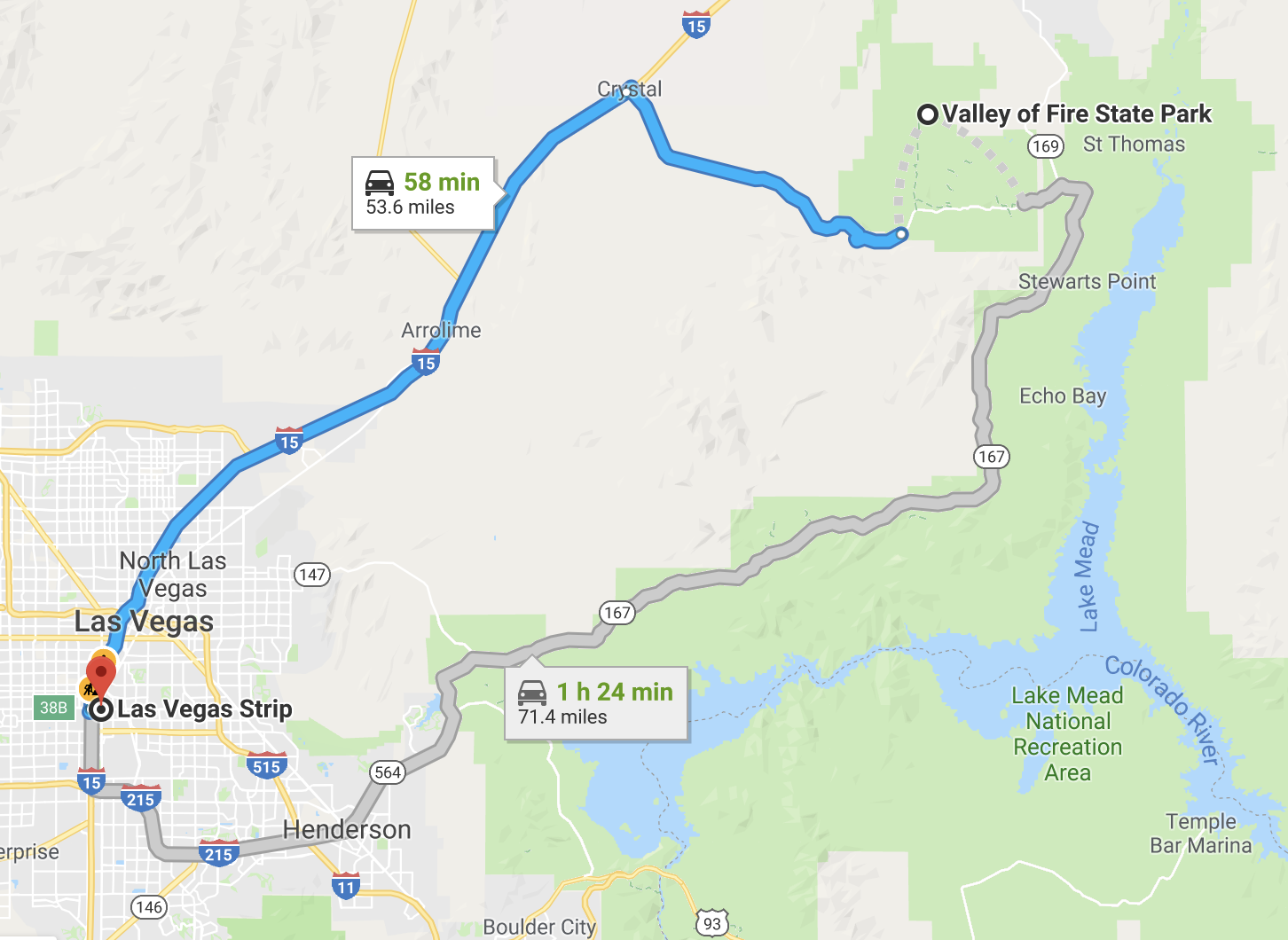
The distance between Las Vegas and Valley of Fire State Park is approximately 50-55 miles, translating to a driving time of roughly one hour to one hour and fifteen minutes, depending on your starting point in Las Vegas and traffic conditions. This relatively short journey is a significant part of its appeal, offering a dramatic shift in scenery from the developed cityscape to the raw, untamed beauty of the desert. The drive itself is part of the experience, guiding you away from the familiar urban sprawl and into an increasingly arid and captivating terrain. As you leave the Las Vegas valley, the landscape begins to change, the bustling highways giving way to more open roads and the iconic desert vistas of Nevada starting to unfold.
Planning Your Expedition: Getting to Valley of Fire
Embarking on your journey to Valley of Fire is a straightforward affair, primarily relying on personal transportation. The park is best explored by car, allowing for flexibility in stopping at various viewpoints and embarking on short hikes.
The Scenic Route: Driving Directions
The most common and recommended route from Las Vegas to Valley of Fire State Park is via Interstate 15 North. This major highway provides a direct path for most of the journey.
- Start in Las Vegas: Begin by heading north on I-15.
- Exit onto NV-169: After approximately 30-40 miles on I-15 North, you will take exit 167 for NV-169 East, also known as the Moapa Valley Boulevard. This exit is well-marked and crucial for diverting you towards the park.
- Follow NV-169: Continue on NV-169 East for about 15-20 miles. This road will wind through the picturesque Moapa Valley, offering glimpses of rural Nevada life, agricultural fields, and the distant, dramatic rock formations that signal your approach to Valley of Fire.
- Arrival at the Park Entrance: NV-169 directly leads you to the eastern entrance of Valley of Fire State Park. From here, you can proceed to the park’s visitor center and begin your exploration of the designated scenic drives and trails.
An alternative route, though slightly longer and less direct, is via Lake Mead National Recreation Area. This option can add about 15-20 minutes to your drive but offers stunning views of Lake Mead and surrounding desert landscapes. If time allows and you’re interested in a more extended scenic drive, this can be a rewarding choice. However, for the most efficient and direct route, the I-15 North to NV-169 East remains the preferred method.
Essential Considerations for Your Drive
Before you set off, a few practical considerations will enhance your experience:
- Vehicle: Ensure your vehicle is in good working condition. The desert environment can be harsh, and having a reliable car is paramount.
- Fuel: It is advisable to fill up your gas tank in Las Vegas or in one of the smaller towns along NV-169 before entering the park. Services within Valley of Fire are limited, and you don’t want to risk running out of fuel.
- Navigation: While the route is generally straightforward, a GPS or mapping app on your smartphone is always a good idea, especially if you opt for alternative routes or wish to explore side roads.
- Park Entrance Fee: Be prepared for an entrance fee upon arrival at Valley of Fire State Park. The fee is typically per vehicle and contributes to the park’s upkeep and preservation.
Unveiling the Wonders: What to Expect in Valley of Fire
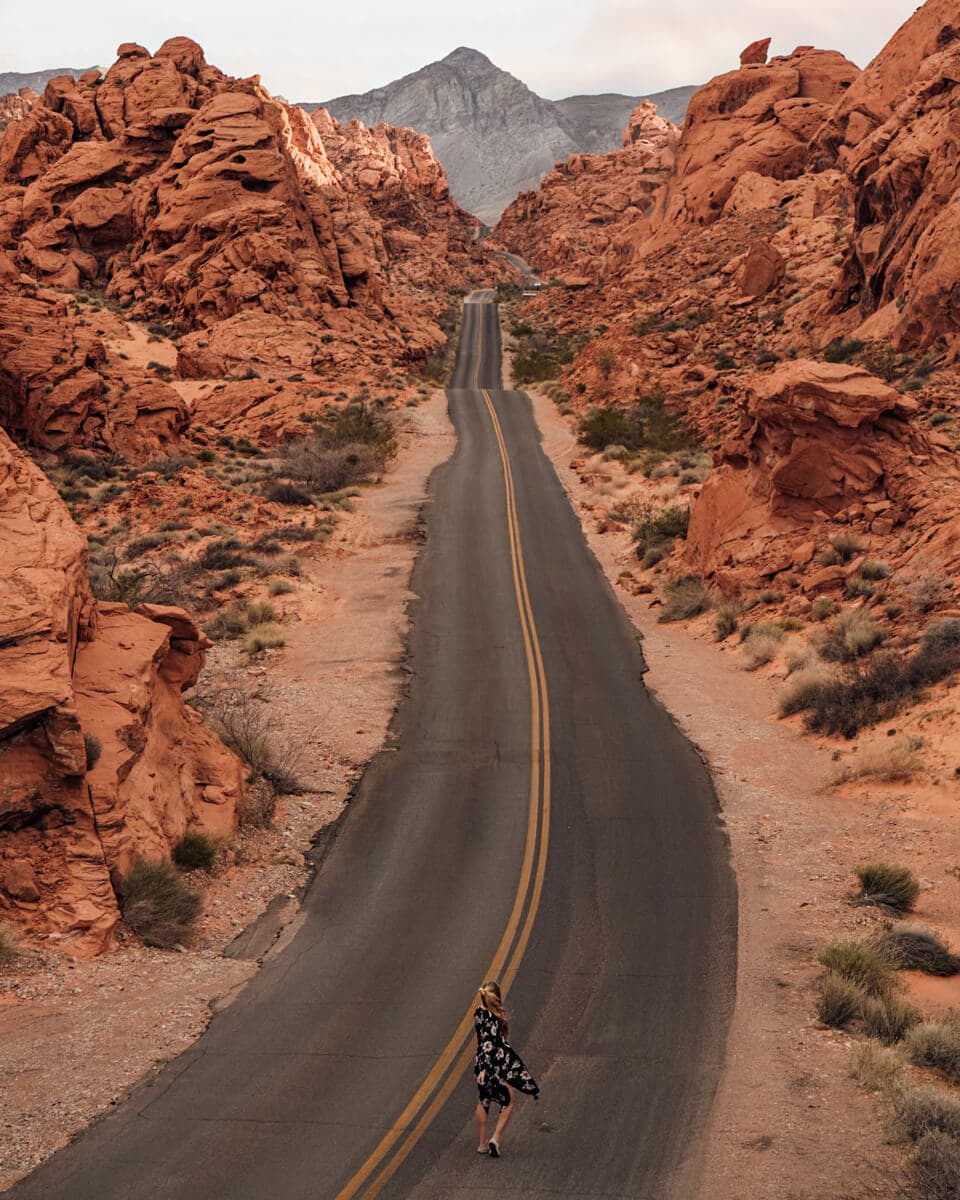
Once you arrive at Valley of Fire, you’ll understand why the short drive from Las Vegas is so worthwhile. The park is a geological masterpiece, renowned for its brilliant red Aztec sandstone formations, which are the result of millions of years of geological activity. These ancient rocks, dating back over 150 million years to the Jurassic period, have been sculpted by wind, water, and time into breathtaking shapes and formations.
The Crimson Landscape: Key Attractions and Landmarks
The park’s name, Valley of Fire, is a direct reflection of its appearance, particularly during sunrise and sunset when the sun’s rays illuminate the sandstone, making it appear as if the entire valley is ablaze with fiery hues of red, orange, and pink.
- Fire Rock: This iconic formation, resembling a burning ember, is a must-see. Its vibrant color and striking shape encapsulate the essence of the park.
- Elephant Rock: As the name suggests, this natural arch formation bears a remarkable resemblance to an elephant’s head. It’s a popular spot for photography.
- Atlatl Rock: Home to ancient Native American petroglyphs, Atlatl Rock offers a glimpse into the history of the region and the people who once inhabited it. These petroglyphs, carved into the rock face thousands of years ago, depict animals, human figures, and abstract symbols, providing invaluable insights into prehistoric cultures.
- The Beehives: These unique, domed rock formations, resembling enormous beehives, are another distinctive feature of the Valley of Fire. Their smooth, rounded surfaces are a testament to the erosive power of the desert environment.
- Rainbow Vista: Offering panoramic views of the colorful rock formations and the vast desert landscape, Rainbow Vista is a prime location to appreciate the grandeur and scale of Valley of Fire.
Experiencing the Park: Activities and Exploration
Valley of Fire State Park is not just for passive observation; it’s an invitation to active exploration. The park offers a variety of ways to immerse yourself in its natural beauty.
- Scenic Drives: The park features a 10.5-mile (16.9 km) scenic loop drive that connects many of the main attractions. This drive is perfect for those who prefer to see the highlights from the comfort of their vehicle, with numerous pull-offs for photo opportunities.
- Hiking Trails: For the more adventurous, numerous hiking trails cater to different fitness levels, from short, easy walks to more challenging treks.
- Mouse’s Tank Trail: A relatively short and easy hike leading to a natural water tank that historically provided water for outlaws like Little Burro and Massy (nicknamed “Mouse”).
- White Domes Trail: A moderate loop trail that takes you through diverse rock formations, including arches and canyons, and offers stunning views. This trail also features remnants of a movie set.
- Fire Wave Trail: A moderate hike to a unique geological formation known as the Fire Wave, characterized by undulating stripes of red, pink, and orange. This is one of the most photogenic spots in the park.
- Picnicking: Designated picnic areas with tables and grills are available throughout the park, providing an ideal setting for a desert lunch amidst spectacular scenery.
- Photography: The vibrant colors, dramatic formations, and vast desert vistas make Valley of Fire a photographer’s paradise. Sunrise and sunset are particularly magical times for capturing the park’s beauty.
- Stargazing: Far from the light pollution of Las Vegas, Valley of Fire offers incredible opportunities for stargazing. On a clear night, the desert sky is ablaze with stars, providing a celestial spectacle.
Beyond the Drive: Enhancing Your Valley of Fire Experience
While the drive itself is short, making Valley of Fire an accessible day trip from Las Vegas, you can significantly enhance your experience by incorporating some strategic planning and embracing the spirit of exploration.
Timing is Everything: Best Times to Visit
The desert climate of Nevada dictates that certain times of year are far more pleasant for visiting Valley of Fire.
- Spring (March to May) and Fall (September to November): These are arguably the best seasons to visit. Temperatures are mild and comfortable, ranging from the 60s to 80s Fahrenheit (15-30 Celsius), making it ideal for hiking and outdoor activities. The desert flora may also be in bloom during the spring, adding a touch of color to the arid landscape.
- Summer (June to August): Summers in Valley of Fire are intensely hot, with temperatures frequently exceeding 100°F (38°C) and often reaching well over 110°F (43°C). While still possible to visit, extensive outdoor activities during the peak daylight hours are not recommended. Early morning or late evening visits are best if you are traveling during this period. Always carry ample water and wear sun protection.
- Winter (December to February): Winter offers cooler temperatures, often in the 50s and 60s Fahrenheit (10-20 Celsius). While less crowded, some amenities might have reduced hours, and occasional frost is possible. It’s still a beautiful time to visit, with crisp air and clear skies.
Practical Tips for a Smooth Visit
To ensure your trip to Valley of Fire is as enjoyable and hassle-free as possible, consider these practical tips:
- Hydration: This cannot be stressed enough. The desert is arid, and dehydration can occur quickly. Carry more water than you think you’ll need, even for short excursions. Consider bringing electrolyte drinks as well.
- Sun Protection: The desert sun is intense. Wear sunscreen with a high SPF, a wide-brimmed hat, and sunglasses. Lightweight, long-sleeved clothing can also provide protection from the sun.
- Footwear: Sturdy, closed-toe hiking shoes or comfortable walking shoes are essential, especially if you plan to explore the trails.
- Snacks: While there are no restaurants inside the park, bringing snacks and a picnic lunch can be a delightful way to enjoy the scenery. Pack out all trash to help preserve the park’s natural beauty.
- Download Maps: Cell service can be spotty within Valley of Fire. Download offline maps of the park and surrounding areas before you leave Las Vegas.
- Check Park Alerts: Before your visit, check the official Valley of Fire State Park website or contact the park office for any alerts or updates regarding road closures, trail conditions, or weather advisories.
- Respect the Environment: Valley of Fire is a protected natural resource. Stay on designated trails, do not disturb or remove any rocks or plants, and practice “Leave No Trace” principles.
By understanding the distance, planning your route, and preparing for the unique desert environment, a trip to Valley of Fire State Park from Las Vegas transforms from a mere drive into a memorable journey into one of Nevada’s most spectacular natural treasures. The roughly one-hour drive is a small price to pay for the vast geological wonders that await, offering a perfect complement to the vibrant energy of Las Vegas. Whether you’re a keen hiker, a photography enthusiast, or simply seeking a breathtaking escape, Valley of Fire delivers an unforgettable experience.
LifeOutOfTheBox is a participant in the Amazon Services LLC Associates Program, an affiliate advertising program designed to provide a means for sites to earn advertising fees by advertising and linking to Amazon.com. Amazon, the Amazon logo, AmazonSupply, and the AmazonSupply logo are trademarks of Amazon.com, Inc. or its affiliates. As an Amazon Associate we earn affiliate commissions from qualifying purchases.