
When planning a trip to the dazzling oasis of Las Vegas, one of the first logistical considerations for any traveler is how they will arrive. The sheer volume of visitors flocking to this entertainment capital means efficient air travel is paramount. This begs the fundamental question: “How many airports are in Las Vegas?” While most visitors will undoubtedly be familiar with the primary gateway, Las Vegas is served by a network of aviation facilities, each with a distinct purpose and catering to different needs. Understanding these options can significantly streamline your travel plans, from booking flights to navigating your arrival and departure.

The answer to “how many airports in Las Vegas” isn’t as simple as pointing to a single name. It involves understanding the main commercial hub, as well as smaller, more specialized facilities that contribute to the region’s overall air traffic. For the majority of tourists and business travelers, the focus will be on the main airport, but acknowledging the others provides a comprehensive picture of Las Vegas‘s aerial infrastructure. This article will delve into the airports serving the Las Vegas metropolitan area, detailing their roles, the types of flights they handle, and what travelers can expect from each.
The Main Gateway: Harry Reid International Airport
Undoubtedly, the most prominent and widely recognized airport serving Las Vegas is Harry Reid International Airport (LAS). This colossal facility is the lifeblood of the region’s tourism and business sectors, handling millions of passengers annually. Its strategic location, just a short distance from the iconic Las Vegas Strip, makes it incredibly convenient for travelers looking to immerse themselves in the city’s vibrant atmosphere immediately upon arrival.
A Hub of Commercial Aviation
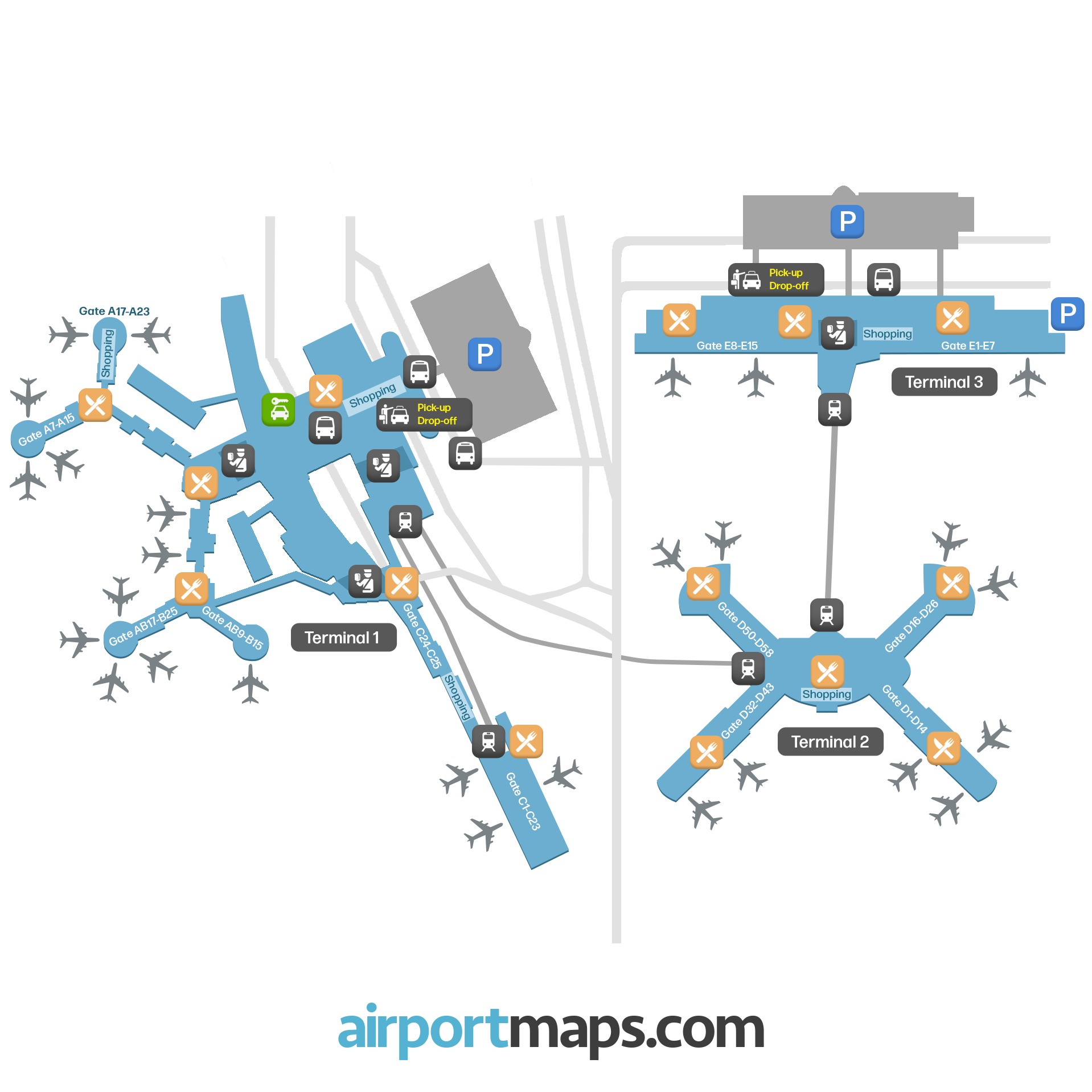
Harry Reid International Airport is a bustling hub for commercial aviation, boasting two major terminals: Terminal 1 and Terminal 3. These terminals are equipped to handle a vast array of domestic and international flights from numerous airlines. Whether you’re flying from a small town in the United States or a major international city, chances are you’ll be landing at Harry Reid International Airport.
- Terminal 1: This is the older and larger of the two terminals, primarily serving domestic flights. It’s home to major carriers like Southwest Airlines, Allegiant Air, and Spirit Airlines, among others. Terminal 1 offers a wide range of amenities, including numerous dining options, retail stores, and lounges. Its proximity to the Las Vegas Strip is a significant advantage, with many hotels offering shuttle services or being a short taxi or rideshare away.
- Terminal 3: Opened in 2012, Terminal 3 is a modern marvel designed to accommodate both domestic and international flights. It serves a broader spectrum of airlines, including many international carriers, as well as a number of domestic ones. Terminal 3 is known for its spacious design, natural light, and advanced facilities. It offers a similar array of services to Terminal 1, ensuring a comfortable experience for all passengers. A convenient inter-terminal shuttle connects passengers between Terminal 1 and Terminal 3, making transfers seamless.
The sheer volume of flights handled by Harry Reid International Airport underscores its importance to Las Vegas. It serves as the primary point of entry for tourists visiting the world-renowned hotels, casinos, and entertainment venues that define the city. From budget travelers seeking an affordable getaway to those indulging in luxury stays at resorts like the Bellagio or The Venetian, virtually every visitor will experience Harry Reid International Airport at some point in their journey. Its expansive infrastructure is a testament to Las Vegas‘s status as a global tourism destination.
Beyond the Main Hub: Specialized Airfields
While Harry Reid International Airport handles the lion’s share of passenger traffic, Las Vegas and its surrounding Nevada landscape are also served by other airfields. These facilities cater to specific needs, such as general aviation, military operations, and cargo transport, contributing to the overall air traffic ecosystem of the region. For the average tourist, these might not be direct points of arrival, but they are crucial components of the area’s aviation network.
Henderson Executive Airport (HND)

Located in the neighboring city of Henderson, approximately 13 miles southeast of Las Vegas, Henderson Executive Airport (HND) plays a significant role in general aviation. This airport is not a commercial passenger hub in the same vein as Harry Reid International Airport. Instead, it primarily serves private jets, corporate aircraft, and smaller propeller-driven planes.
- General Aviation Focus: HND is a popular choice for private pilots and charter services. This means that if you are traveling on a private jet or chartering a small aircraft for a more exclusive travel experience, Henderson Executive Airport might be your destination. It offers a less congested and often quicker alternative to navigating the larger commercial airport for those with specific travel arrangements.
- Business and Leisure Travel: Many business executives and high-net-worth individuals opt for HND for its efficiency and personalized service. It’s also utilized by those flying in for specialized events or for quick trips to Las Vegas, bypassing the main terminals. The airport provides a range of services catering to the needs of private aircraft operators and their passengers, including fueling, maintenance, and concierge services.
While you won’t find major airline carriers operating out of HND, its existence highlights the diverse aviation needs of the Las Vegas metropolitan area. It demonstrates that Las Vegas is not just a destination for mass tourism but also a place that accommodates a spectrum of travel preferences, including those seeking privacy and convenience through private air travel.
Nellis Air Force Base (LSV)
Serving a very different but vital purpose is Nellis Air Force Base. Located northeast of Las Vegas, this is a United States Air Force installation. While its primary function is military operations, it does have an airport designation (LSV) and is a critical part of the Nevada air traffic landscape.
- Military Operations: Nellis Air Force Base is renowned for its extensive training programs, including the United States Air Force‘s premier advanced combat training exercise, Red Flag. The base hosts a variety of aircraft, from fighters to bombers, and is a hub for air combat training.
- Limited Civilian Access: Access to Nellis Air Force Base for civilian purposes is highly restricted and generally not available for commercial passenger travel. Flights into LSV are typically military operations or, on rare occasions, may involve civilian aircraft participating in specific military exercises or events. It is important for travelers to understand that this is not an airport for booking regular commercial flights.
The presence of Nellis Air Force Base underscores the strategic importance of the Las Vegas region to national defense and its role in aviation beyond purely civilian endeavors. While it doesn’t contribute to the tourist arrival numbers, it is an integral part of the airspace and aviation infrastructure in Nevada.
Understanding Your Arrival: Which Airport is Right for You?
For the vast majority of travelers heading to Las Vegas, the answer to “how many airports” will ultimately lead them to Harry Reid International Airport (LAS). Its comprehensive offerings and convenient location make it the undisputed primary gateway to the city’s attractions.
When booking your flights, ensure you are selecting Harry Reid International Airport (LAS). The airlines will clearly indicate this as the destination. Once you’ve landed, you’ll have various options for onward travel to your accommodation, whether it’s a lavish suite at a Strip hotel or a more secluded villa.
- Taxis and Rideshares: Abundant taxi stands and designated rideshare pick-up zones are readily available at both terminals of Harry Reid International Airport. These offer a direct and convenient way to reach your hotel, often within minutes of exiting the airport.
- Shuttles: Many hotels on the Las Vegas Strip and in the surrounding areas offer their own shuttle services or partner with shuttle companies. These can be a cost-effective option, especially for groups or families.
- Rental Cars: For those planning to explore beyond the immediate Las Vegas area or who prefer the freedom of their own vehicle, rental car facilities are conveniently located at Harry Reid International Airport. Major car rental companies operate desks at the airport, offering a wide selection of vehicles to suit all needs and budgets, from compact cars for budget travel to luxury SUVs for a more comfortable lifestyle experience.
- Public Transportation: While less common for tourists arriving with luggage, Las Vegas does have public bus services that connect the airport to various parts of the city. This can be a very budget-friendly option for the intrepid traveler.
In essence, while there are multiple airfields in the broader Las Vegas area, the question of “how many airports are in Las Vegas” for a typical visitor is definitively answered by the presence and capabilities of Harry Reid International Airport. Its robust infrastructure, coupled with the array of transportation options available upon arrival, ensures that your journey into the heart of Nevada‘s entertainment capital is as smooth and efficient as possible, setting the stage for an unforgettable Las Vegas experience.
LifeOutOfTheBox is a participant in the Amazon Services LLC Associates Program, an affiliate advertising program designed to provide a means for sites to earn advertising fees by advertising and linking to Amazon.com. Amazon, the Amazon logo, AmazonSupply, and the AmazonSupply logo are trademarks of Amazon.com, Inc. or its affiliates. As an Amazon Associate we earn affiliate commissions from qualifying purchases.