
While the glittering lights and vibrant energy of Las Vegas are synonymous with entertainment, luxury, and unforgettable experiences, understanding the economic underpinnings of this dynamic city is crucial for residents and those considering a move. The question of “What is the minimum wage in [Las Vegas]?” is a fundamental one, impacting countless individuals and shaping the local lifestyle. This article delves into the current minimum wage landscape in Nevada, the specific considerations for Las Vegas, and how these figures intertwine with the city’s thriving tourism and hospitality sectors, offering insights relevant to travelers, potential residents, and anyone interested in the Las Vegas experience.
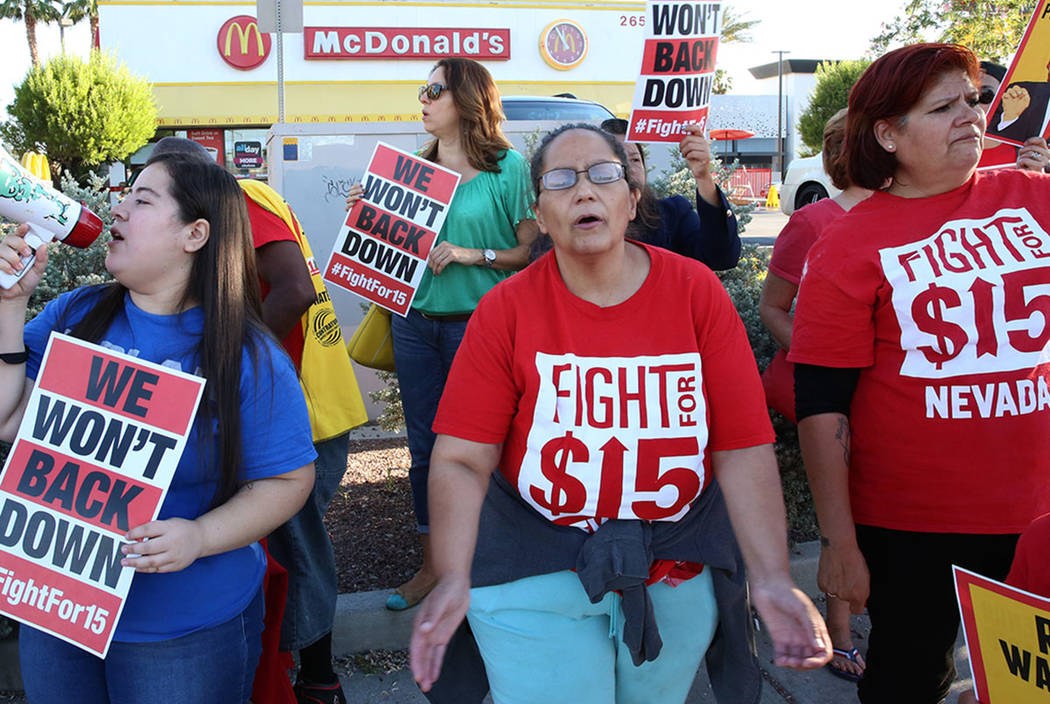
Understanding the Nevada Minimum Wage
The minimum wage in Nevada is not a single, static figure. Instead, it operates with a tiered system that distinguishes between employers who offer qualifying health insurance and those who do not. This distinction is a significant factor for both businesses and employees, influencing compensation structures across various industries, particularly the dominant hospitality and service sectors in Las Vegas.
Tier 1: Employers Offering Qualifying Health Insurance
For employers in Nevada who provide employees with qualifying health insurance, the state mandates a lower minimum wage. This tier is designed to incentivize businesses to offer health benefits, thereby contributing to the overall well-being of their workforce. As of the most recent updates, the minimum wage for these employers stands at $12.00 per hour. This figure applies to a broad spectrum of businesses that meet the specific criteria for offering health insurance to their employees.
Tier 2: Employers Not Offering Qualifying Health Insurance
Conversely, employers in Nevada who do not offer their employees qualifying health insurance are required to pay a higher minimum wage. This tier reflects the expectation that if health benefits are not provided by the employer, a greater portion of the employee’s earnings will need to cover their healthcare costs. The minimum wage for these employers is set at $13.00 per hour. This higher rate ensures that employees in this category have a more substantial income to manage their essential living expenses, including healthcare.
It’s important to note that these figures are subject to periodic adjustments. The state of Nevada has a mechanism in place for reviewing and potentially increasing the minimum wage based on economic indicators and cost of living. Therefore, while these are the current rates, it is always advisable to consult the most up-to-date official Nevada Department of Labor information for the absolute latest figures.
Minimum Wage in Las Vegas: A Closer Look
Las Vegas, as the most populous city in Nevada, operates under the state’s minimum wage laws. Therefore, the tiered system of $12.00 or $13.00 per hour, depending on health insurance provision, directly applies to businesses within the city limits. This means that whether you are working at a world-renowned resort on the Las Vegas Strip or a local establishment downtown, your earnings will be governed by these state-mandated minimums.
The city’s economy is heavily reliant on the tourism and hospitality industries, which are significant employers of individuals earning minimum wage. These roles range from housekeeping staff and food service workers to bellhops and entry-level positions in entertainment venues. The minimum wage directly influences the earning potential and quality of life for a substantial portion of the Las Vegas workforce.
Impact on Hospitality and Tourism Jobs
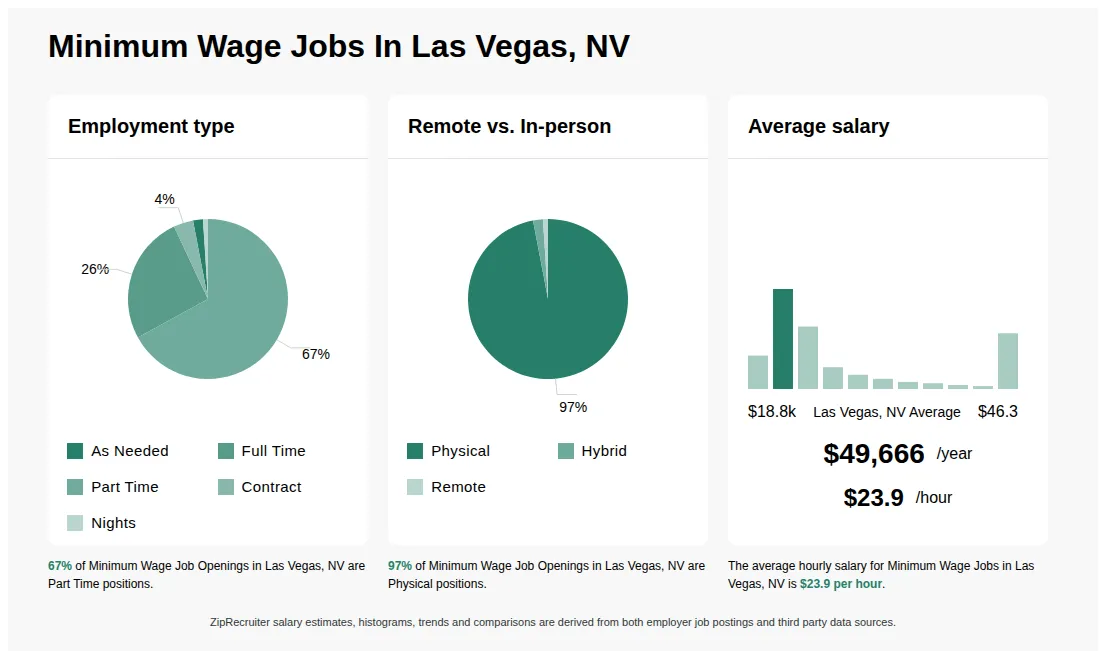
The tourism sector is the lifeblood of Las Vegas, attracting millions of visitors annually to its iconic hotels, casinos, and entertainment offerings. From the opulent suites at the Bellagio to the vibrant atmosphere of Fremont Street Experience, the city offers a diverse range of accommodations and attractions. The staff who ensure these experiences run smoothly often earn at or near the minimum wage.
Consider the daily operations of a large resort like The Venetian or The Cosmopolitan. Thousands of employees are involved in providing services that define the Las Vegas visitor experience. The minimum wage directly affects the take-home pay of many of these dedicated individuals. For businesses, particularly those with tight margins, the cost of labor is a significant consideration, impacting pricing for services and amenities.
The distinction between employers offering health insurance and those that do not can lead to variations in compensation even within the same sector. A hotel that provides comprehensive health benefits might pay its staff $12.00 per hour, while a similar establishment that does not offer such benefits would be required to pay $13.00 per hour. This has implications for employee benefits packages and the overall attractiveness of employment opportunities.
For travelers and tourists, while the minimum wage might seem like an internal economic matter, it indirectly influences the cost of services. A higher minimum wage can, in some instances, lead to increased operational costs for businesses, which may be passed on to consumers through prices for hotel rooms, dining, and entertainment. However, the highly competitive nature of the Las Vegas market often helps to moderate such price increases.
Tips and Service Industry Earnings
A significant aspect of earnings in the Las Vegas service industry, especially for roles like servers, bartenders, and casino dealers, involves tips. Nevada has a specific provision for employees who regularly receive tips, often referred to as “tipped employees.” For these individuals, the cash minimum wage can be lower, with the expectation that tips will bring their total earnings up to at least the standard minimum wage.
Currently, for tipped employees in Nevada, the cash minimum wage is $10.00 per hour if the employer provides qualifying health insurance, and $11.00 per hour if health insurance is not provided. This means that an employer can pay a tipped employee $10.00 or $11.00 per hour in cash, and as long as the employee’s tips, when added to this cash wage, meet or exceed the $12.00 or $13.00 minimum wage respectively, the employer has met their obligation. If the tips do not bring the employee’s total earnings up to the standard minimum wage, the employer must make up the difference.
This tip credit system is a complex and often debated aspect of compensation in the hospitality industry. It allows businesses to leverage the gratuities earned by employees to meet their minimum wage obligations. For employees, their total income can fluctuate significantly based on the volume of business and the generosity of patrons. This is particularly relevant in a city like Las Vegas, where tipping is a common practice across many customer-facing roles in hotels, restaurants, and casinos. Understanding this nuance is crucial for anyone working in or considering a career in the Las Vegas service sector.

Broader Economic and Lifestyle Considerations
The minimum wage in Las Vegas is more than just an hourly rate; it’s a factor that influences the overall cost of living, the availability of services, and the lifestyle choices of its residents. As a city known for its extravagant resorts like Caesars Palace and MGM Grand, and a vibrant nightlife, Las Vegas also has a cost of living that residents must navigate.
For individuals earning minimum wage, affording housing, transportation, and basic necessities can be a significant challenge, especially in a popular tourist destination. The gap between minimum wage earnings and the cost of living is a perennial concern for policymakers and community advocates. Efforts to increase the minimum wage are often driven by the desire to improve the financial stability and quality of life for low-wage workers.
From a lifestyle perspective, the minimum wage impacts the accessibility of various experiences within Las Vegas. While the city offers a plethora of world-class dining and entertainment, the affordability of these options for minimum wage earners is a different story. Many residents may find themselves enjoying the spectacle of the Bellagio fountains or the energy of a show on the Strip as observers rather than active participants, due to budget constraints.
The continuous discussion around minimum wage adjustments in Nevada reflects a broader national conversation about economic fairness and the adequacy of wages in supporting a decent standard of living. For Las Vegas, a city whose identity is so deeply intertwined with its service economy and its appeal to global travelers, striking a balance between economic competitiveness and ensuring livable wages for its residents is an ongoing endeavor. This dynamic ensures that the question of “What is the minimum wage in [Las Vegas]?” remains a pertinent and evolving topic.
LifeOutOfTheBox is a participant in the Amazon Services LLC Associates Program, an affiliate advertising program designed to provide a means for sites to earn advertising fees by advertising and linking to Amazon.com. Amazon, the Amazon logo, AmazonSupply, and the AmazonSupply logo are trademarks of Amazon.com, Inc. or its affiliates. As an Amazon Associate we earn affiliate commissions from qualifying purchases.