
The allure of Las Vegas, Nevada extends far beyond its glittering casinos and world-class entertainment. For many, a trip to this vibrant desert metropolis is an escape, a chance to indulge in luxury, explore unique attractions, and immerse themselves in a truly unforgettable lifestyle. Whether you’re planning a romantic getaway, a family adventure, or a business trip, understanding the prevailing weather conditions in Las Vegas is paramount to ensuring your experience is as seamless and enjoyable as possible. The iconic Las Vegas Strip buzzes with activity year-round, but the climate dictates the comfort of your explorations, from strolling along the boulevard to venturing out to nearby natural wonders.
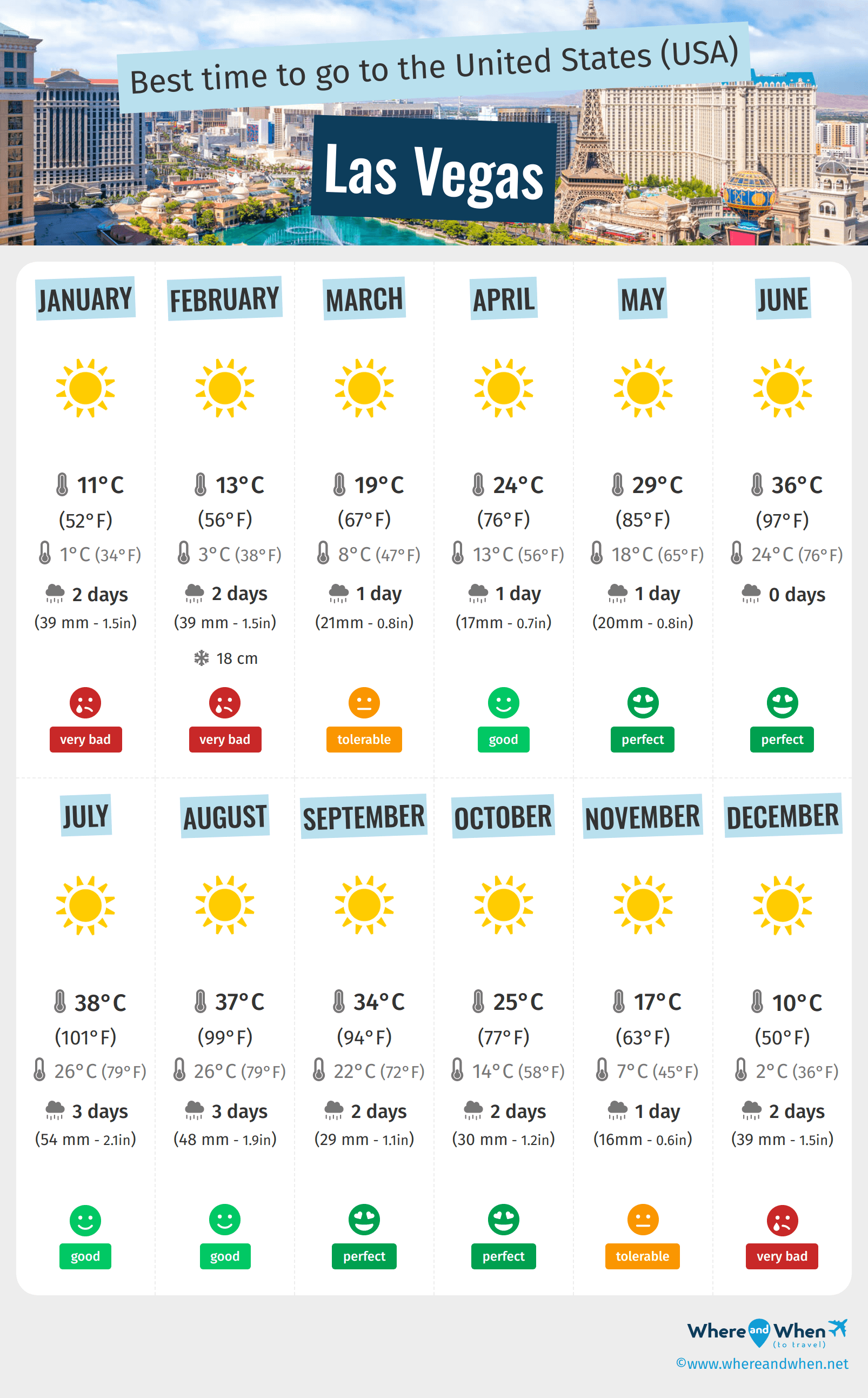
The desert climate of Nevada is characterized by extremes, and Las Vegas is no exception. Generally, you can expect hot, dry summers and mild, pleasant winters. However, daily fluctuations and the occasional weather anomaly can influence your plans. Being prepared for the temperature, humidity, and potential for sunshine (or lack thereof) can significantly enhance your travel experience. This guide aims to provide a comprehensive overview of the weather in Las Vegas, Nevada today, offering insights that will help you pack appropriately, plan your outdoor activities, and make the most of your visit to this dynamic city. From the shimmering heat of July to the crisp air of December, knowing what to expect allows you to tailor your accommodation choices and itinerary to suit the day’s conditions.
Understanding Las Vegas’s Desert Climate
Las Vegas sits in the Mojave Desert, a region known for its arid conditions and significant temperature swings. This unique geographical setting profoundly influences its weather patterns throughout the year. The lack of humidity means that even when temperatures soar, the air can feel drier than in more temperate climates, which can offer a slight reprieve from the heat but also necessitates a diligent approach to hydration.
Seasonal Variations and Their Impact on Travel
The seasons in Las Vegas are distinct and have a direct impact on how you might approach your tourism activities.
Summer (June – August)
Summers in Las Vegas are famously hot. Daytime temperatures regularly climb into the triple digits Fahrenheit (above 38°C), with highs often exceeding 100°F (37.8°C) and sometimes reaching up to 110°F (43.3°C) or more. The sun is intense, and heat advisories are common. This is the time when staying indoors in air-conditioned hotels, exploring the incredible indoor attractions, or enjoying poolside relaxation at your resort is highly recommended during the peak afternoon hours. Evening temperatures offer some relief, often dropping into the 80s Fahrenheit (around 27-32°C), making it more pleasant for dinner, shows, and exploring the Las Vegas Strip after sunset. Hydration is absolutely critical during this period; carrying water with you at all times is essential, even for short walks.
Autumn (September – November)
Autumn brings a welcome change to Las Vegas. The scorching heat of summer begins to dissipate, ushering in milder temperatures that are ideal for outdoor activities. September can still be quite warm, but October and November are particularly pleasant, with daytime highs typically ranging from the 70s to 80s Fahrenheit (21-27°C). Evenings become cooler, often in the 50s and 60s Fahrenheit (10-16°C), making it perfect for enjoying outdoor dining, exploring Fremont Street, or taking day trips to nearby landmarks like the Hoover Dam or Red Rock Canyon National Conservation Area. This is considered by many to be one of the best times of year to visit Las Vegas.
Winter (December – February)
Winters in Las Vegas are generally mild and sunny. Daytime temperatures are comfortable, usually in the 50s and 60s Fahrenheit (10-16°C). Snow is extremely rare in the city itself, though higher elevations in the surrounding mountains can receive snowfall. Evenings can get chilly, with temperatures dropping into the 30s and 40s Fahrenheit (0-4°C), so packing a jacket or sweater is advisable. The mild winter weather is perfect for exploring the city’s attractions without the intense heat, and it’s a popular time for those seeking a sunny escape from colder climates elsewhere. The holiday season brings festive decorations to the Strip, adding to the unique lifestyle experience.
Spring (March – May)
Spring mirrors the pleasant conditions of autumn. March can still have cooler days, but by April and May, temperatures are warming up considerably, with daytime highs often reaching the 70s and 80s Fahrenheit (21-27°C). Similar to autumn, evenings become cooler, offering a comfortable transition. This season is excellent for exploring all that Las Vegas and its surroundings have to offer, from nature excursions to enjoying the city’s vibrant food scene and outdoor patios. It’s another prime time for budget travel as well, with many hotels offering competitive rates before the peak summer demand.
Factors Affecting Today’s Weather in Las Vegas
While the seasonal trends provide a general understanding, the specific weather conditions for any given day in Las Vegas, Nevada are influenced by a combination of atmospheric phenomena.

Humidity Levels
As a desert city, Las Vegas typically experiences low humidity. This is a key characteristic of its climate. Low humidity contributes to the feeling of dryness and can make extreme temperatures feel more manageable than they might in humid environments. However, it also means that any moisture you lose through perspiration evaporates quickly, reinforcing the need for constant hydration. During certain weather patterns, particularly rare rain events, humidity can temporarily increase, though this is not a common occurrence.
Sunshine and Cloud Cover
Las Vegas is renowned for its abundant sunshine, averaging over 300 sunny days per year. This makes it a highly reliable destination for those seeking sunshine and outdoor activities. However, occasional cloud cover can occur, particularly during transitional seasons or when weather systems move through the region. These periods of cloudiness, while not blocking the sun entirely, can offer a slight reduction in direct solar intensity. The presence or absence of significant cloud cover directly impacts the daytime high temperatures, making clear days feel hotter and more intense.
Wind Conditions
While not typically a major factor, wind can play a role in the perceived temperature. During hotter months, a gentle breeze can provide a cooling effect. Conversely, during cooler months, a stronger wind can make the air feel colder than the thermometer indicates. Dust storms, while infrequent, can also occur in desert regions, affecting visibility and air quality.
Planning Your Las Vegas Itinerary Based on the Weather
Understanding the daily forecast is crucial for maximizing your enjoyment and comfort while in Las Vegas.
Optimizing Outdoor Activities
If today’s weather in Las Vegas, Nevada is favorable, consider taking advantage of the many outdoor opportunities. This could include:
- Exploring the Fremont Street Experience: Especially in the cooler evening hours.
- Visiting nearby natural landmarks: Such as Red Rock Canyon National Conservation Area for hiking or scenic drives. Remember to check conditions and carry ample water.
- Enjoying resort pools and outdoor dining: During pleasant temperature ranges.
- Taking a day trip to the Grand Canyon or Hoover Dam: The weather will significantly influence the comfort of these excursions.
Choosing Indoor Pursuits
On days when the weather is less conducive to outdoor activities, Las Vegas offers an unparalleled array of indoor entertainment.
- World-class shows and performances: From Cirque du Soleil to musical residencies.
- Museums and galleries: Explore the Mob Museum or various art installations.
- Shopping at luxury malls: Such as the Forum Shops at Caesars Palace or the Miracle Mile Shops at Planet Hollywood.
- Indulging in fine dining: Las Vegas is a culinary mecca with restaurants catering to every taste.
- Experiencing themed resorts: Such as The Venetian or Excalibur Hotel & Casino.

Packing Essentials
Regardless of the day’s forecast, a few items are always essential for a trip to Las Vegas, Nevada:
- Sunscreen: High SPF is non-negotiable, even on cloudy days.
- Hats and sunglasses: To protect from the intense desert sun.
- Lightweight, breathable clothing: For warmer temperatures.
- A light jacket or sweater: For cooler evenings or air-conditioned interiors.
- Comfortable walking shoes: You’ll be doing a lot of exploring.
- A reusable water bottle: To stay hydrated.
By paying attention to the daily weather report, you can ensure your travel in Las Vegas is perfectly suited to the conditions, allowing you to fully immerse yourself in the city’s electrifying lifestyle and explore all its incredible attractions.
LifeOutOfTheBox is a participant in the Amazon Services LLC Associates Program, an affiliate advertising program designed to provide a means for sites to earn advertising fees by advertising and linking to Amazon.com. Amazon, the Amazon logo, AmazonSupply, and the AmazonSupply logo are trademarks of Amazon.com, Inc. or its affiliates. As an Amazon Associate we earn affiliate commissions from qualifying purchases.