
The continental United States, a land of vast landscapes and diverse cultures, is home to two iconic cities that represent opposite coasts and distinct American experiences: New York City and Los Angeles. The question of “How far is New York from Los Angeles?” is more than just a matter of mileage; it encapsulates the essence of a cross-country journey, the planning involved in bridging this considerable distance, and the myriad ways one can traverse this iconic stretch of America. Whether you’re a seasoned traveler or planning your first epic adventure, understanding the distances and travel options is key to unlocking the wonders of both these metropolises.
The Vast Expanse: Understanding the Distance
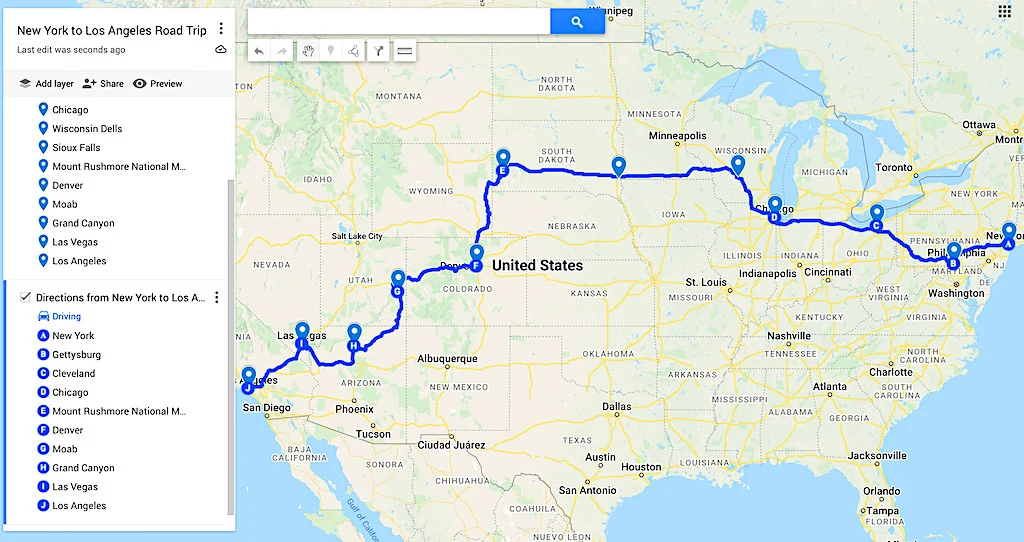
The sheer scale of the United States becomes palpable when considering the distance between New York and Los Angeles. Situated on opposite sides of the continent, these two urban giants are separated by approximately 2,800 miles (about 4,500 kilometers) when measured by road. This figure is not static, of course; depending on the specific route taken and the starting and ending points within each sprawling city, the mileage can vary slightly. However, this ballpark figure serves as a fundamental understanding of the geographical chasm that divides the bustling streets of Manhattan from the sun-drenched boulevards of Hollywood.
By Air: The Fastest Route
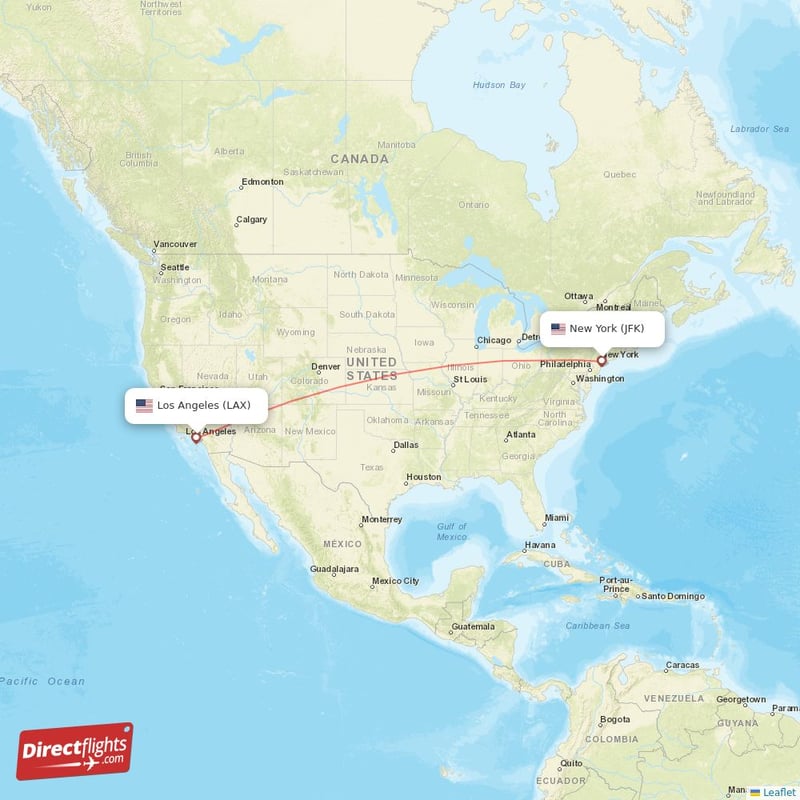
For most travelers, the most practical and time-efficient way to bridge the gap between New York and Los Angeles is by air. Direct flights from major New York airports, such as John F. Kennedy International Airport (JFK), LaGuardia Airport (LGA), and Newark Liberty International Airport (EWR), to Los Angeles International Airport (LAX) are plentiful. These flights typically span a duration of about five to six hours, depending on wind conditions and specific flight paths. While this is the quickest method, it bypasses the opportunity to experience the diverse landscapes that lie between these two coastal hubs. Nonetheless, for those with limited time or who prioritize efficiency, flying remains the undisputed champion of long-distance travel within the United States. Numerous airlines, including American Airlines, Delta Air Lines, United Airlines, and JetBlue, offer regular services on this popular route, ensuring ample choice for travelers seeking to book their journey.
By Road: The Iconic American Road Trip
Embarking on a road trip from New York to Los Angeles is a quintessential American experience, a journey steeped in the romance of the open road and the opportunity to explore the heartland of the United States. This overland adventure typically takes a minimum of 40-45 hours of pure driving time. However, to truly appreciate the grandeur of the country, this journey is best undertaken over several days, ideally one to two weeks, allowing for meaningful stops and exploration.
The most common and arguably most scenic route often involves traversing interstates such as I-80 West, which cuts across the northern tier of the United States, or a combination of southern routes like I-40 West, which passes through iconic landscapes. Each route offers a unique tapestry of American life, from the rolling hills of the Midwest to the vast deserts of the Southwest.
Route 66: A Nostalgic Byway
For those seeking a dose of nostalgia and a glimpse into mid-20th-century Americana, a portion of the historic Route 66 can be incorporated into the journey. While the original highway has been largely superseded by modern interstates, segments of Route 66 still exist and offer a charming alternative, dotted with vintage diners, quirky roadside attractions, and a palpable sense of history. Traveling even a portion of Route 66 adds significant time to the trip, but the immersive experience is often deemed well worth the effort for those interested in American history and culture.
Key Stops and Attractions Along the Way
The beauty of a New York to Los Angeles road trip lies in the freedom to curate your own adventure. Potential stops abound, offering a diverse range of attractions and experiences:
- Chicago, Illinois: A vibrant metropolis known for its stunning architecture, world-class museums like the Art Institute of Chicago, and deep-dish pizza.
- St. Louis, Missouri: Home to the majestic Gateway Arch, a symbol of westward expansion, and a lively music scene.
- Denver, Colorado: The “Mile High City,” offering access to the breathtaking Rocky Mountains and opportunities for outdoor adventures.
- Grand Canyon National Park, Arizona: A natural wonder of unparalleled scale and beauty, a must-see for any cross-country traveler.
- Las Vegas, Nevada: The dazzling “Entertainment Capital of the World,” offering a unique blend of casinos, shows, and vibrant nightlife.
- Hoover Dam: An engineering marvel straddling the Colorado River, offering insights into American ingenuity.
- Joshua Tree National Park, California: Famous for its surreal landscapes of rugged rocks and iconic Joshua trees, a popular spot for hikers and photographers.
Each of these destinations, and countless others, offer a chance to immerse yourself in the local culture, sample regional cuisine, and witness the diverse natural beauty of the United States. Planning these stops in advance, researching hotels and accommodations, and factoring in time for exploration are crucial for a successful and enjoyable road trip.
By Train: A Scenic and Relaxing Journey
For travelers who prefer a more relaxed pace and wish to soak in the scenery without the stress of driving, the train offers a compelling option. Amtrak operates cross-country routes that connect the East and West Coasts, providing a unique perspective on the American landscape. The journey from New York to Los Angeles by train is a multi-day affair, typically taking around three days.
The Experience of Cross-Country Rail Travel
Amtrak’s long-distance services offer various seating and sleeping accommodations, from coach seats to private roomettes and bedrooms, ensuring comfort for different budgets and preferences. Dining cars provide meals with panoramic views, and observation cars allow for unparalleled vistas of passing scenery. This mode of travel is an excellent choice for those who appreciate slow travel, enjoy reading, or simply want to disconnect and observe the unfolding vistas. The journey offers a chance to see the country unfold at a more leisurely pace, with opportunities to observe the subtle shifts in landscape and culture as you traverse different regions.
Factors Influencing Travel Time and Cost
The chosen mode of transportation significantly impacts not only the travel time but also the overall cost of getting from New York to Los Angeles. Several factors come into play when making this decision.
Flight Comparisons
Airfare prices fluctuate based on booking time, airline, season, and demand. Booking in advance, being flexible with travel dates, and considering budget airlines can lead to more economical flight options. Conversely, last-minute bookings or traveling during peak seasons like holidays can result in significantly higher prices. The cost of transporting oneself and luggage across the country via air also needs to be considered against the potential expenses of extended road travel.
Road Trip Expenses
A road trip, while offering unparalleled freedom, involves a range of expenses. These include fuel costs, which can be substantial given the distance. Accommodation costs, whether camping, staying in budget motels, or more upscale hotels, will vary greatly depending on the chosen itinerary and comfort level. Food expenses, while potentially reduced by packing snacks and utilizing picnic stops, can also add up. Vehicle maintenance, tolls, and potential unexpected repairs should also be factored into the overall budget for a road trip. The opportunity to explore numerous attractions and landmarks along the way can also incur entrance fees and activity costs.
Train Travel Considerations
Train tickets, particularly for sleeping accommodations, can be comparable to or even exceed the cost of airfare. However, the price often includes meals and the unique experience of sleeping in a private compartment. The longer duration of train travel also means that more time is spent on the journey itself, which can be a factor for those with strict time constraints. For travelers who value the journey as much as the destination, the train can offer excellent value.
Preparing for Your Transcontinental Journey
Regardless of the chosen mode of transport, thorough preparation is key to a successful and enjoyable trip from New York to Los Angeles. Understanding the distance is only the first step.
Logistics and Planning
For air travel, booking flights and airport transportation in advance is advisable. For road trips, meticulous route planning, vehicle checks, and securing accommodations at chosen stops are essential. Familiarizing yourself with potential road closures, weather conditions, and traffic patterns can help avoid delays. For train travel, booking tickets and any desired sleeper accommodations well in advance is recommended, especially during peak travel seasons.
Packing Essentials
Packing appropriately for a transcontinental journey requires considering the diverse climates you might encounter. New York can experience cold winters and warm summers, while Los Angeles generally enjoys a milder climate. Road trippers will need to pack for a range of temperatures and potential weather changes. Comfortable clothing, walking shoes, sun protection, and any necessary medications are universal essentials. For those embarking on longer journeys, entertainment options such as books, music, or podcasts can enhance the experience.

Embracing the Experience
The journey from New York to Los Angeles is more than just covering miles; it’s an opportunity to experience the vastness, diversity, and cultural richness of the United States. Whether you fly for efficiency, drive for freedom, or ride the rails for a leisurely exploration, each method offers a unique lens through which to view this incredible country. Understanding the distances involved, planning your route, and embracing the adventure will ensure that your transcontinental passage is as memorable as your arrival in either of these iconic cities.
LifeOutOfTheBox is a participant in the Amazon Services LLC Associates Program, an affiliate advertising program designed to provide a means for sites to earn advertising fees by advertising and linking to Amazon.com. Amazon, the Amazon logo, AmazonSupply, and the AmazonSupply logo are trademarks of Amazon.com, Inc. or its affiliates. As an Amazon Associate we earn affiliate commissions from qualifying purchases.