
Embarking on a journey from the sun-drenched shores of Los Angeles to the vibrant, captivating landscapes of Japan is a dream for many travelers. As you begin to plan this trans-Pacific adventure, one of the most pressing questions that arises is: “How long is a flight from Los Angeles to Japan?” While the answer isn’t a simple, one-size-fits-all figure, understanding the various factors that influence flight duration will help you prepare for your epic voyage. This comprehensive guide delves into the intricacies of this long-haul flight, touching upon the destinations, the travel experience, and what to expect as you traverse continents.
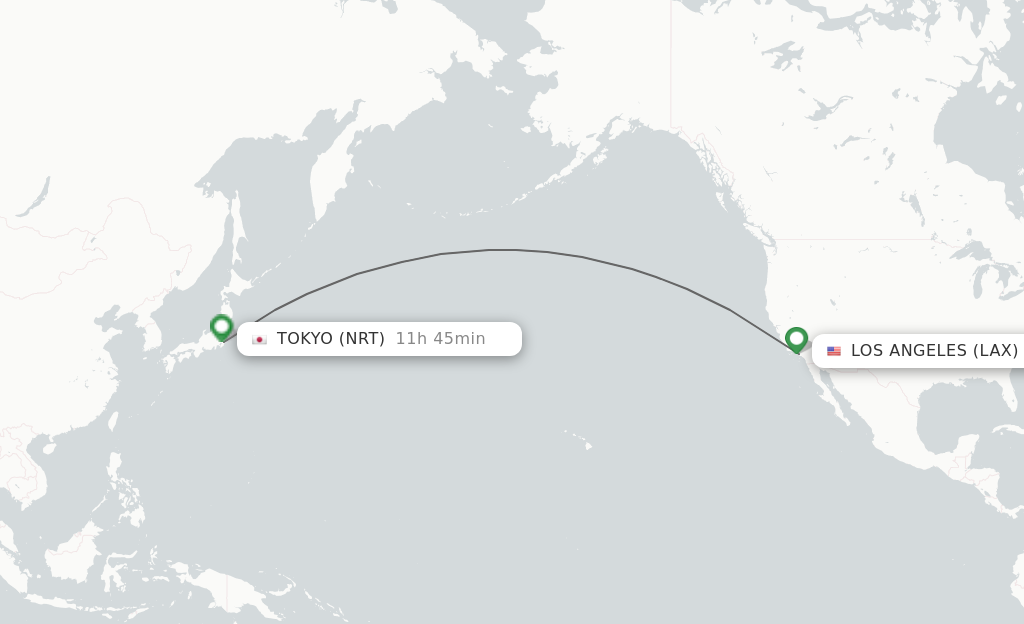
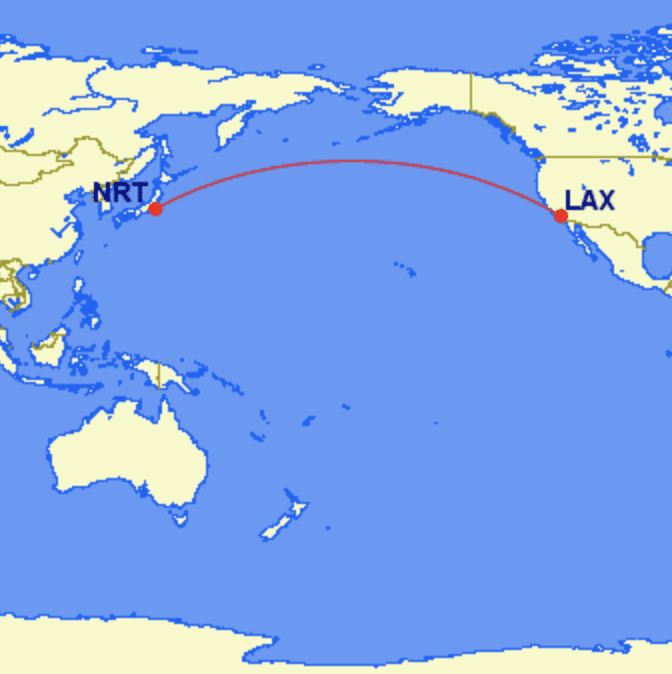
The distance between Los Angeles and Japan is substantial, spanning over 5,000 miles across the Pacific Ocean. This significant mileage, combined with the Earth’s rotation and prevailing wind patterns, dictates the length of your flight. While direct flights offer the most efficient travel, various elements can subtly alter the time you spend in the air.
Factors Influencing Flight Duration
Several key elements contribute to the overall flight time between Los Angeles and Japan. Understanding these will provide a clearer picture of what to anticipate.
Direct vs. Connecting Flights
The most significant factor impacting flight duration is whether you opt for a direct flight or one with layovers.
Direct Flights: The Swift Passage
Direct flights are the pinnacle of convenience for long-haul travel. Airlines like Japan Airlines, All Nippon Airways, and some American carriers, such as United Airlines, offer non-stop services from Los Angeles International Airport (LAX) to major Japanese hubs. These flights bypass the need for changes and minimize transit time, making them the fastest option.
For a direct flight from LAX to Tokyo, specifically Narita International Airport (NRT) or Haneda Airport (HND), you can generally expect the flight time to be between 9.5 to 11 hours. This is the most common duration quoted for this route. The precise time can fluctuate based on the specific aircraft, prevailing wind conditions, and air traffic control.
Other popular Japanese destinations, such as Osaka (Kansai International Airport – KIX), may also have direct flight options, though they might be slightly less frequent than those to Tokyo. Flights to Osaka tend to be in a similar range, perhaps adding an extra 30 minutes to an hour due to slightly different routing or ground time for the aircraft.
Connecting Flights: The Extended Journey
Connecting flights, while often cheaper, significantly extend your travel time. These journeys involve one or more layovers in other cities, either within the United States or in international hubs. Popular layover points could include cities like Seattle, San Francisco, Honolulu, or even cities in Canada like Vancouver.
The total travel time for a connecting flight can range dramatically. You might be looking at 13 to 20 hours or even more, depending on the length of your layover. This includes not only the flight segments but also the time spent in airports, navigating terminals, and waiting for your next flight. While this option requires a greater investment of time, it can offer cost savings and opportunities to visit multiple cities on a single trip.
Flight Direction and Wind Patterns
The Earth’s rotation and prevailing wind patterns, particularly the jet stream, play a crucial role in determining flight times across the Pacific.
Westbound Flights (Los Angeles to Japan)
Flights traveling westbound from Los Angeles to Japan generally benefit from tailwinds. The jet stream often blows from west to east, meaning that aircraft heading eastwards will fly against a headwind, slowing them down. Conversely, flights heading westwards will often catch a tailwind, propelling them forward and reducing their travel time. This is why the flight to Japan is typically shorter than the flight back to Los Angeles.
Eastbound Flights (Japan to Los Angeles)
When flying from Japan back to Los Angeles, the same wind patterns that aided your journey westwards now become a headwind. The aircraft has to work harder against the prevailing winds, which adds to the flight duration. Consequently, the return flight from Japan to Los Angeles is usually longer, often by an hour or more, typically falling between 10 to 12 hours for direct flights.
Airline and Aircraft Type
While less impactful than direct vs. connecting flights or wind patterns, the specific airline and the type of aircraft used can also contribute to minor variations in flight duration. Modern, larger aircraft are often designed for efficiency and speed. Similarly, different airlines may have slightly different flight paths they adhere to, influenced by their operational preferences and agreements with air traffic control. However, these differences are usually marginal, measured in minutes rather than hours.
Time Zones: The Illusion of Time
It’s important to remember the significant time difference between Los Angeles and Japan when considering your arrival. Japan operates on Japan Standard Time (JST), which is 16 hours ahead of Pacific Standard Time (PST). This means that even if your flight lands only 10 hours after departure, you will have effectively crossed the International Date Line and will arrive on a different calendar day. For example, a flight departing Los Angeles on a Monday evening might arrive in Tokyo on a Wednesday morning. This temporal leap is a fascinating aspect of trans-Pacific travel and something to factor into your planning.
Planning Your Trip to Japan
Beyond understanding flight times, successful travel planning involves considering accommodation, attractions, and the overall lifestyle you envision for your trip. Japan offers a rich tapestry of experiences, from ancient traditions to cutting-edge modernity.
Accommodation Options in Japan
Your choice of accommodation will significantly influence your travel experience and budget. Japan offers a diverse range of lodging, catering to every type of traveler.
Traditional Ryokans: Immerse in Culture
For an authentic cultural immersion, consider staying in a traditional Japanese inn, or Ryokan. These establishments offer tatami mat rooms, futon bedding, and often feature communal baths (onsen) and exquisite multi-course meals (kaiseki). Staying in a Ryokan in a historic area like Kyoto provides a unique glimpse into Japanese hospitality and heritage.
Modern Hotels: Comfort and Convenience
Major cities like Tokyo, Osaka, and Kyoto boast a vast array of modern hotels. From luxurious five-star establishments like the Park Hyatt Tokyo to more budget-friendly business hotels, there are options to suit every preference and pocket. Many hotels offer excellent amenities, including gyms, spas, and fine dining restaurants.
Unique Stays: Apartments and Villas
For longer stays or for families and groups, renting an apartment or villa can provide more space and flexibility. Websites dedicated to accommodation booking allow for comparisons and reviews, helping you find the perfect place. Consider areas outside the immediate city center for potentially more affordable and spacious options, offering a more local experience.
Must-See Destinations and Attractions
Japan is brimming with iconic landmarks and diverse attractions that cater to a wide array of interests.
The Bustling Metropolis of Tokyo
Tokyo is a city that never sleeps, a dazzling blend of futuristic skyscrapers and ancient temples. Must-visit landmarks include the historic Senso-ji Temple in Asakusa, the vibrant shopping districts of Shibuya and Shinjuku, and the tranquil Imperial Palace East Garden. For breathtaking views, head to the Tokyo Skytree.
The Cultural Heart of Kyoto
Kyoto, the former imperial capital, is a treasure trove of traditional Japanese culture. Explore the stunning golden pavilion of Kinkaku-ji, wander through the ethereal bamboo forest of Arashiyama, and experience the geisha district of Gion. Fushimi Inari Shrine, with its thousands of vermillion torii gates, is another unforgettable sight.
Beyond the Major Cities
Venture beyond the urban centers to discover Japan’s natural beauty and historical significance. The serene island of Miyajima with its iconic floating torii gate, the poignant Peace Memorial Park and Museum in Hiroshima, and the majestic natural beauty of Mount Fuji are just a few examples of the diverse experiences awaiting you.
Experiencing Japanese Tourism and Lifestyle
To truly appreciate Japan, engage with its local culture, savor its culinary delights, and embrace its unique lifestyle.
Culinary Adventures
Japanese cuisine is renowned worldwide for its artistry and flavor. From fresh sushi and sashimi in Tokyo to hearty ramen bowls and delicate tempura, there’s a culinary adventure for everyone. Don’t miss trying regional specialties and visiting local markets for an authentic taste of Japan.
Activities and Local Experiences
Immerse yourself in local activities, whether it’s participating in a traditional tea ceremony, learning the art of calligraphy, or exploring vibrant street festivals. Hiking through the Japanese Alps, visiting ancient castles, or even experiencing a themed café in Harajuku offer diverse ways to engage with the local scene.
Luxury and Budget Travel
Japan caters to all travel styles. Luxury travelers can indulge in world-class resorts and fine dining, while budget travelers can find affordable accommodations, utilize the efficient public transport system, and enjoy delicious street food. The Shinkansen, or bullet train, is an efficient and iconic way to travel between cities, offering both speed and comfort. Family trips can be enhanced by visiting theme parks like Tokyo Disneyland or exploring interactive museums.
In conclusion, while the exact flight time from Los Angeles to Japan can vary, a direct flight typically ranges from 9.5 to 11 hours. This journey is a gateway to a land of profound cultural richness, breathtaking landscapes, and unparalleled hospitality. By understanding the factors that influence flight duration and planning your accommodation, activities, and overall travel experience, you can ensure your adventure from the Pacific coast of America to the shores of the Rising Sun is as seamless and memorable as possible.
LifeOutOfTheBox is a participant in the Amazon Services LLC Associates Program, an affiliate advertising program designed to provide a means for sites to earn advertising fees by advertising and linking to Amazon.com. Amazon, the Amazon logo, AmazonSupply, and the AmazonSupply logo are trademarks of Amazon.com, Inc. or its affiliates. As an Amazon Associate we earn affiliate commissions from qualifying purchases.