
The sprawling metropolis of Los Angeles is a city synonymous with sunshine, entertainment, and vast urban landscapes. However, its picturesque beauty, especially in the surrounding hills and natural reserves, is frequently threatened by a force as old as the region itself: wildfire. The question “How much of Los Angeles has burned?” is not merely about statistics; it delves into the city’s relationship with its environment, the impact on its residents and tourism, and the ongoing efforts to mitigate these devastating events. Understanding the extent of past fires provides crucial context for appreciating the vulnerability and resilience of this iconic Californian city.
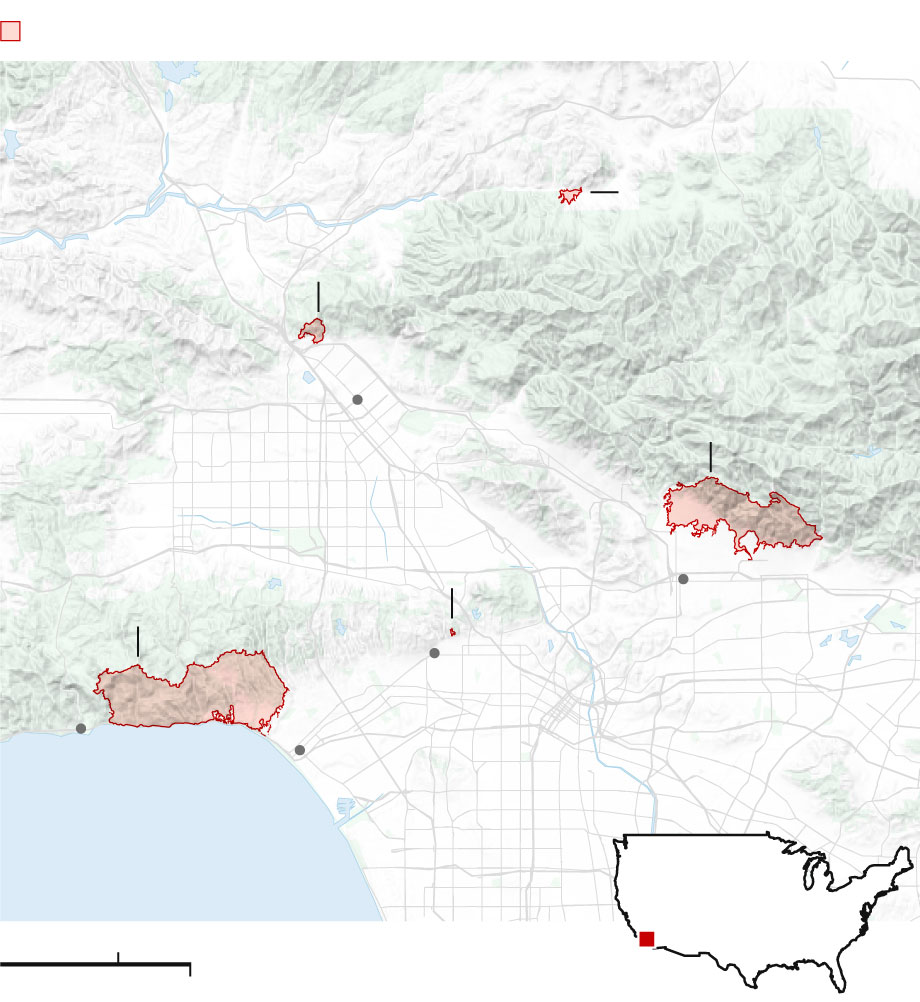
The Ever-Present Threat: Understanding Wildfire in Los Angeles
Los Angeles County, a vast expanse stretching from the Pacific coast to the mountains, is a region with a Mediterranean climate characterized by hot, dry summers and mild, wet winters. This climatic pattern, coupled with the abundant chaparral and coastal sage scrub vegetation, creates an ideal environment for wildfires. These fires are not a new phenomenon; indigenous peoples of the region understood and utilized the natural fire cycles. However, with the exponential growth of human settlements, particularly the development of numerous homes and infrastructure in historically fire-prone wildland-urban interface (WUI) areas, the stakes have dramatically increased.
Historical Context and Shifting Landscapes
The history of Los Angeles is intertwined with fire. Indigenous tribes, such as the Tongva, periodically used controlled burns to manage landscapes for hunting and agriculture, understanding that fire was an essential part of the ecosystem’s regeneration. After European settlement, these practices declined, and the accumulation of fuel in the chaparral led to larger, more intense fires.
Over the decades, numerous significant wildfires have swept through the hills and canyons surrounding the city. These events have not only reshaped the natural landscape but have also had a profound impact on the lives of residents, the infrastructure, and the very fabric of Los Angeles. The constant expansion of the city into these fire-prone areas means that the “burned” statistics are not just about acreage lost in remote wilderness, but often encompass neighborhoods, homes, and critical infrastructure.
Quantifying the Burn: Statistics and Significant Fires
Determining “how much” of Los Angeles has burned requires looking at acreage affected by wildfires over time. This data is often aggregated at the county level and can be influenced by the size and frequency of major incidents. While it’s impossible to give a single, static number that answers the question definitively for all time, we can examine some of the most impactful fires to illustrate the scale of the problem.
Major Wildfire Events in Los Angeles County
The history of Los Angeles County is punctuated by a series of devastating wildfires. These events serve as stark reminders of the region’s inherent fire risk.
The Malibu Fires: A Recurring Nightmare
The coastal community of Malibu, with its multi-million dollar homes nestled in canyons and hillsides, has been particularly hard-hit by wildfires. The 1993 Old Topanga Fire and the 2007 Malibu Fire (also known as the Malibu Canyon Fire) are just two examples that consumed thousands of acres and destroyed hundreds of structures. These fires often originate in the canyons and are fanned by Santa Ana winds, rapidly spreading towards the coast. The sheer beauty of the Santa Monica Mountains National Recreation Area makes it a prime destination for hikers and nature lovers, yet its dry vegetation poses a constant threat.
The Woolsey Fire of 2018: A Catastrophic Impact
Perhaps one of the most impactful recent fires was the Woolsey Fire in 2018. This blaze, which also affected Ventura County, burned over 96,000 acres. It devastated parts of Malibu, destroying hundreds of homes and iconic structures. The fire’s rapid spread, fueled by extreme Santa Ana winds, highlighted the vulnerability of even the most affluent areas. The economic impact was immense, with property damage in the billions of dollars. The Getty Villa, a significant cultural landmark, was threatened but ultimately saved by fire crews.
The Getty Fire of 2019: Proximity to Urban Centers
The Getty Fire in October 2019, named after its proximity to the Getty Center, demonstrated how fires can rapidly encroach upon the urban core. While smaller in acreage than some other major fires (around 745 acres), its location in the upscale Brentwood neighborhood and its proximity to major thoroughfares like the San Diego Freeway caused significant disruption and evacuations. It served as a potent reminder that no part of Los Angeles, even seemingly developed areas, is entirely safe from wildfire.
Other Notable Fires
Beyond these headline-grabbing events, numerous other fires have occurred throughout Los Angeles County over the years. The Station Fire in 2009 burned over 160,000 acres in the Angeles National Forest, impacting the northern reaches of the county. The Rios Fire in 2018, the Canyon Fire in 2017, and many others, have collectively contributed to a significant portion of the county’s wildlands and some developed areas experiencing fire.
Impact on Los Angeles: Beyond the Acreage
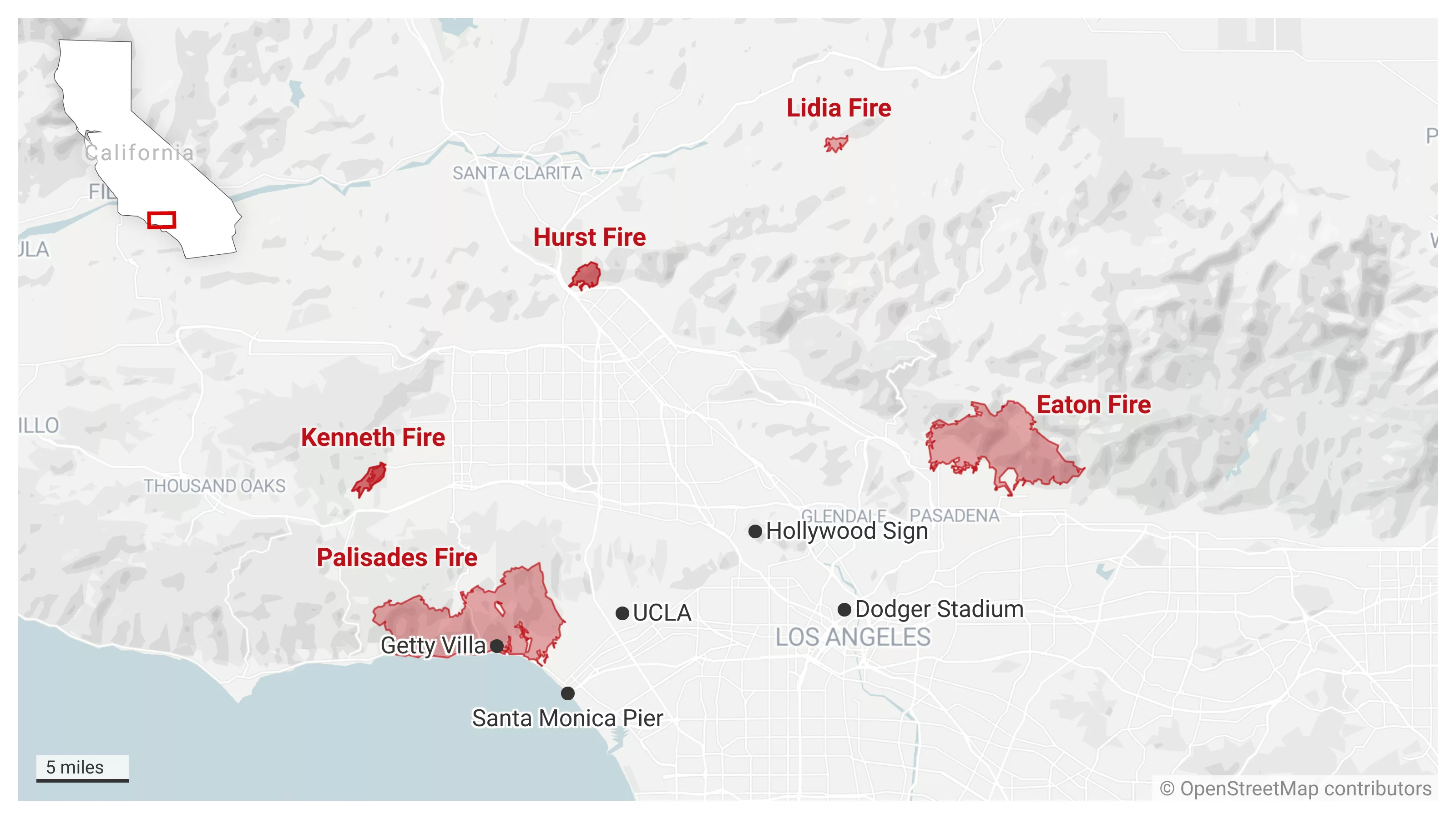
The question of “how much has burned” extends far beyond the simple measurement of land area. Wildfires in Los Angeles have profound and multifaceted impacts on various aspects of life, tourism, and the city’s identity.
Tourism and Destinations Under Threat
Los Angeles is a global tourism powerhouse, drawing millions of visitors each year to its beaches, theme parks like Disneyland and Universal Studios Hollywood, iconic landmarks like the Hollywood Sign, and its vibrant cultural scene. Wildfires, however, pose a significant threat to this industry.
Impact on Natural Attractions
The very natural beauty that attracts many tourists can be destroyed or made inaccessible by fires. Parks like those within the Santa Monica Mountains National Recreation Area or the Angeles National Forest are often closed due to fire activity or the aftermath of burn scars, impacting hiking, camping, and scenic driving. The destruction of vegetation can also lead to increased erosion, further damaging the landscape.
Smoke and Air Quality
Even when fires are not directly threatening tourist areas, the pervasive smoke can blanket the city for days or even weeks. This significantly degrades air quality, making outdoor activities unpleasant or even dangerous for visitors and residents alike. The iconic blue skies of Los Angeles can be replaced by an eerie, hazy orange, impacting visibility and the overall visitor experience. This can lead to cancellations of outdoor tours, reduced attendance at attractions, and a general decline in tourism revenue.
Evacuations and Safety Concerns
Major fires often trigger large-scale evacuations, including in areas frequented by tourists or near popular hotels. The disruption caused by road closures, power outages, and the sheer anxiety of living through a wildfire event can deter potential visitors. Concerns for personal safety, coupled with the visual impact of destruction, can lead travelers to choose alternative destinations.
Real Estate and Lifestyle in the Wildland-Urban Interface
The allure of Los Angeles often includes the dream of living near nature, with homes offering stunning views of canyons and mountains. This has led to widespread development in the wildland-urban interface (WUI). However, this desirable lifestyle comes with an inherent and growing risk of wildfire.
Increased Insurance Costs and Building Restrictions
As wildfire events become more frequent and intense, insurance premiums in high-risk areas have skyrocketed, and some insurers have even stopped offering coverage altogether. This places a significant financial burden on homeowners and can impact property values. Local governments are also implementing stricter building codes and regulations for new constructions and renovations in the WUI, requiring fire-resistant materials and defensible space around homes.
The “Fire Season” and Community Resilience
What was once a distinct fire season is now, for many, a year-round concern. Residents in areas like Malibu, Calabasas, and the foothills of the San Gabriel Mountains have become accustomed to the sound of sirens and the smell of smoke. Communities are investing more in emergency preparedness, creating evacuation plans, and adopting fire-wise landscaping practices. The resilience of these communities is constantly tested, but they often demonstrate a strong spirit in rebuilding and adapting.
The Role of Climate Change and Future Outlook
While wildfires are a natural part of the California ecosystem, scientific consensus points to climate change exacerbating their severity and frequency. Rising temperatures, prolonged drought conditions, and changes in precipitation patterns create drier vegetation, making it more susceptible to ignition and allowing fires to spread more rapidly and intensely.
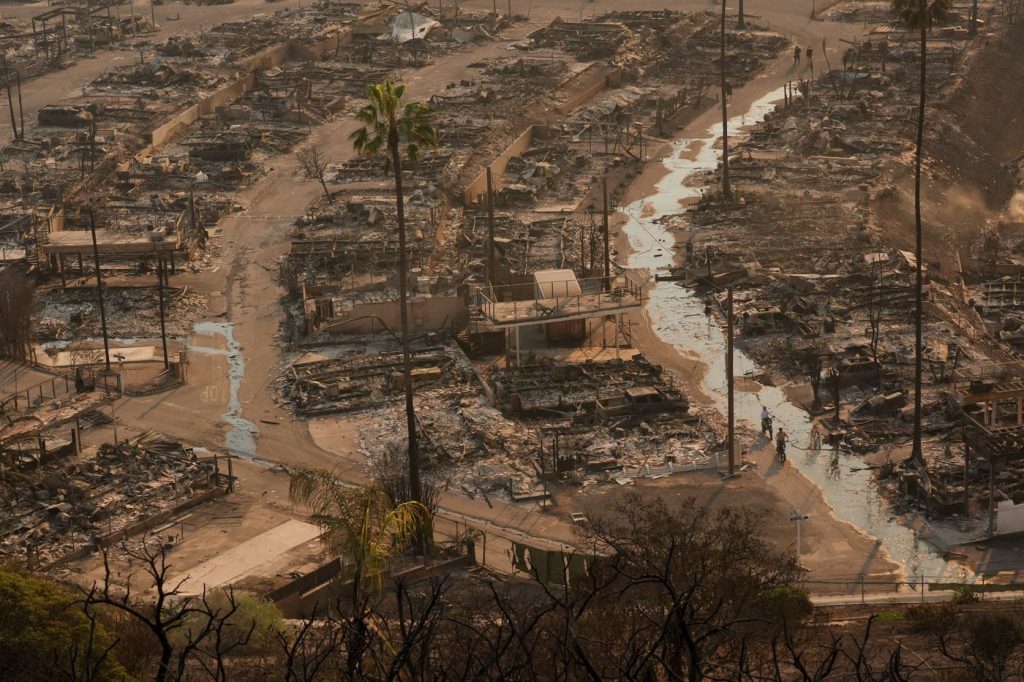
Mitigation and Adaptation Strategies
Los Angeles and surrounding regions are implementing various strategies to combat the growing wildfire threat. These include:
- Enhanced Firefighting Resources: Investing in more advanced aircraft, equipment, and personnel for swift response.
- Fuel Management: Conducting controlled burns and mechanical thinning in critical areas to reduce the amount of flammable vegetation.
- Early Detection Systems: Utilizing advanced technology like cameras, sensors, and AI to detect fires in their incipient stages.
- Public Education and Awareness: Informing residents about fire safety, creating defensible space, and developing evacuation plans.
- Land Use Planning: Rethinking development in high-risk areas and promoting fire-resilient design.
The question “How much of Los Angeles has burned?” is a dynamic one. While past fires have consumed significant acreage, the ongoing efforts to mitigate risk, coupled with the inherent resilience of the region and its people, suggest a continuous battle against the flames. The future of Los Angeles will undoubtedly involve a careful balance between embracing its natural surroundings and effectively managing the ever-present threat of wildfire.
LifeOutOfTheBox is a participant in the Amazon Services LLC Associates Program, an affiliate advertising program designed to provide a means for sites to earn advertising fees by advertising and linking to Amazon.com. Amazon, the Amazon logo, AmazonSupply, and the AmazonSupply logo are trademarks of Amazon.com, Inc. or its affiliates. As an Amazon Associate we earn affiliate commissions from qualifying purchases.