
The buzz, the hum, the perpetual motion – that’s the essence of Los Angeles. It’s a city synonymous with dreams, glamour, and an undeniable energy that pulses through its sprawling avenues. From the sun-kissed shores of Santa Monica to the iconic Hollywood sign standing sentinel over the hills, LA is a destination that captivates millions. Visitors flock here for the promise of experiencing the magic of the entertainment industry, the allure of celebrity spotting, the diverse culinary landscapes, and the sheer vastness of its cultural offerings.
However, recent whispers and online discussions have raised a curious question: Is Los Angeles under martial law? This seemingly outlandish inquiry likely stems from a heightened perception of security measures, crowd control, or perhaps even public discourse surrounding law enforcement presence, especially in the context of major events or social movements. To address this, we need to delve into what “martial law” actually entails and then examine the reality of how a city like Los Angeles operates, particularly through the lens of its vibrant tourism and lifestyle sectors.
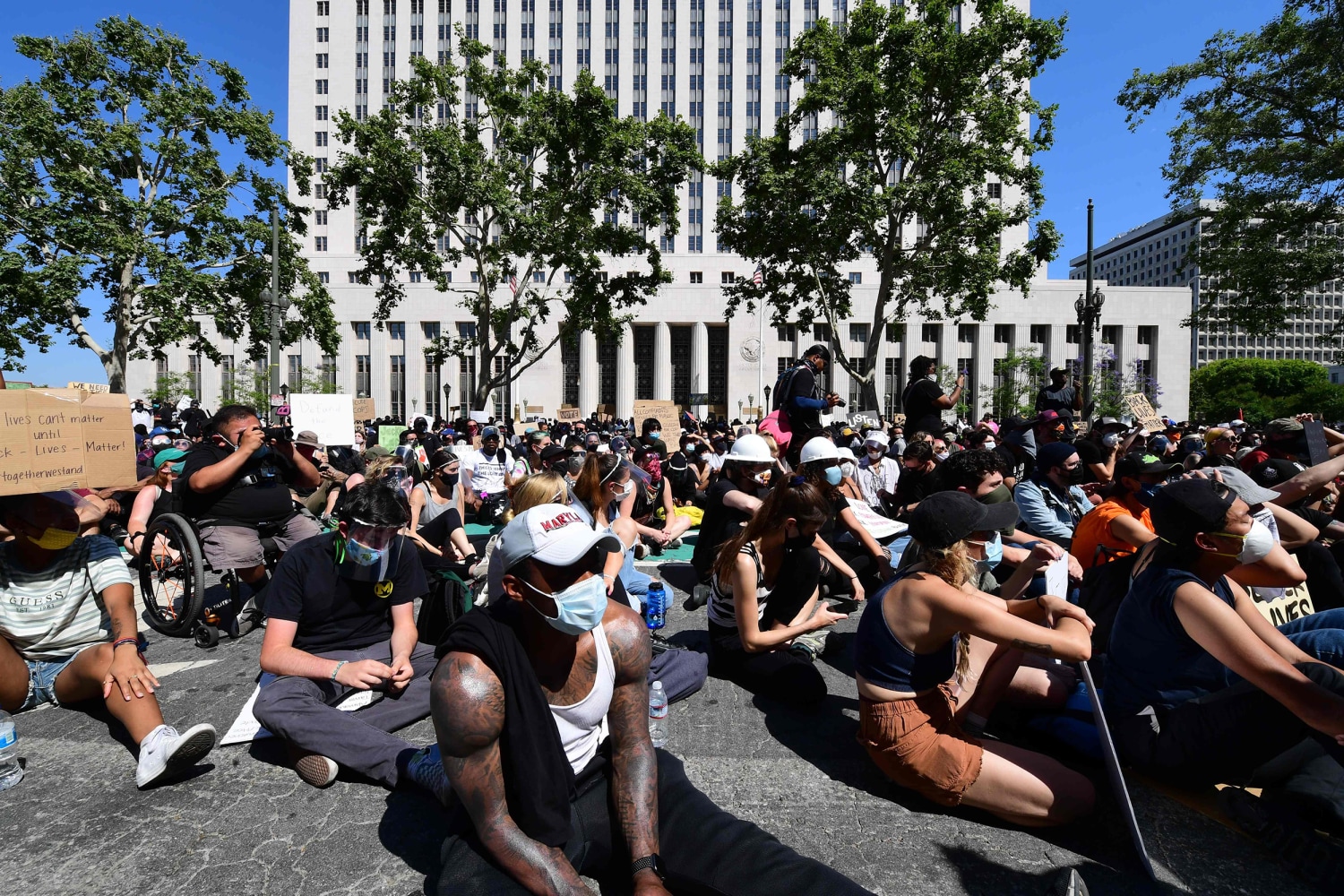
Martial law, in its strictest definition, signifies the imposition of direct military control over normal civilian functions of government, especially in response to a temporary emergency such as invasion or major disaster, or in an occupied territory. It involves the suspension of ordinary law and the imposition of military rule. This is a drastic measure, reserved for situations of extreme crisis and typically enacted by governmental authorities under specific legal frameworks.
The idea of Los Angeles operating under such a severe restriction is, at face value, highly improbable. LA is a global hub for culture, business, and tourism. Its economy thrives on open access, freedom of movement, and the ability for millions of people – residents and visitors alike – to engage with its attractions, accommodations, and lifestyle offerings. The very fabric of LA as we know it, with its bustling streets, world-class hotels, and diverse neighborhoods, would be fundamentally altered under martial law.
So, where might this perception arise from? It’s possible that increased security presence around major tourist attractions, during large-scale events like the Oscars or the Super Bowl, or in response to periods of civil unrest, could be misinterpreted. These are standard operational procedures for managing large populations and ensuring public safety, not an indication of a shift to military governance. The Los Angeles Police Department and other law enforcement agencies are responsible for maintaining order, and their visibility can sometimes be amplified during specific times.
Navigating Los Angeles: A Guide for Travelers and Locals
Understanding the operational dynamics of Los Angeles is key to dispelling any notions of martial law. The city is a complex organism, a tapestry woven from diverse communities, economic engines, and a relentless pursuit of innovation and entertainment. For travelers, it offers an unparalleled range of experiences, from exploring the historical significance of Griffith Observatory to indulging in the culinary delights of Grand Central Market.
Destinations and Attractions: More Than Just Hollywood
Los Angeles is far more than just the glitz and glamour of Hollywood. Its appeal lies in its sheer diversity.
- Theme Parks and Entertainment: For families and thrill-seekers, destinations like Disneyland Resort in nearby Anaheim and Universal Studios Hollywood are iconic. These hubs of entertainment operate under normal business regulations, attracting millions of visitors annually who move freely throughout their grounds.
- Museums and Culture: The Getty Center, with its stunning architecture and art collections, the Los Angeles County Museum of Art (LACMA), and the Petersen Automotive Museum offer enriching cultural experiences. Access to these institutions is governed by ticket sales and operating hours, not military decree.
- Natural Beauty: The beaches of Malibu, the hiking trails in the Santa Monica Mountains National Recreation Area, and the vibrant marine life off the coast of Catalina Island provide ample opportunities for outdoor exploration. These natural landscapes are managed by parks departments and operate under environmental and recreational guidelines.
- Historic Landmarks: From the historic streets of Downtown Los Angeles to the architectural marvels like the Walt Disney Concert Hall, the city is rich in history and architectural significance. Exploring these sites involves navigating public spaces and adhering to general public access rules.
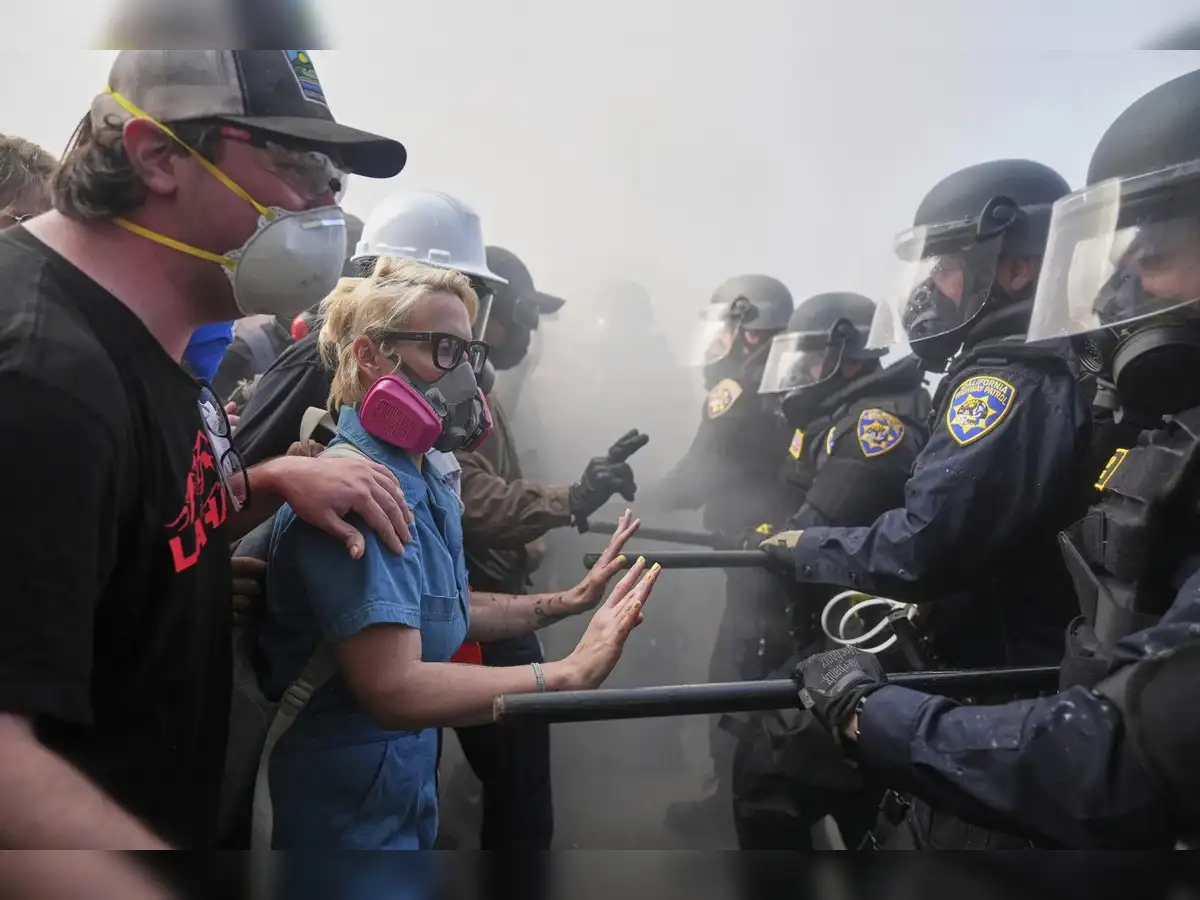
The freedom to explore these diverse attractions is a cornerstone of the Los Angeles travel experience. Imagine the chaos and disruption if such vibrant hubs were subject to military control; it would be antithetical to the very concept of a tourist destination.
Accommodation and Lifestyle: Catering to Every Traveler
The accommodation landscape in Los Angeles is as varied as its attractions, catering to every budget and preference.
- Luxury Resorts and Hotels: From the iconic Beverly Hills Hotel to the modern elegance of the Four Seasons Hotel Los Angeles at Beverly Hills, the city boasts world-class hotels offering unparalleled amenities and services. Booking a suite or a room is a straightforward transaction, governed by hotel policies and travel booking platforms.
- Boutique Stays and Apartments: For those seeking a more intimate experience, LA offers numerous boutique hotels and a growing number of vacation apartments and villas, particularly through platforms like Airbnb. Long-term stays for business or extended visits are also readily available, all operating within the normal framework of rental agreements and property management.
- Budget-Friendly Options: Travelers on a budget can find well-located hostels and more affordable hotels, ensuring that the Los Angeles experience is accessible to everyone.
The lifestyle in Los Angeles is characterized by its dynamism. Whether it’s a family trip exploring the Griffith Observatory and enjoying a picnic in Griffith Park, a luxury stay in Beverly Hills, or a business trip requiring convenient access to the Los Angeles Convention Center, the city facilitates these diverse needs through its established infrastructure and services.
The seamless operation of these sectors – travel, hotels, tourism, accommodation, and the broader lifestyle choices they enable – is incompatible with the concept of martial law. The very idea of martial law implies a suspension of normal commerce, a restriction on movement, and an override of civilian authority, all of which are absent in the everyday functioning of Los Angeles.
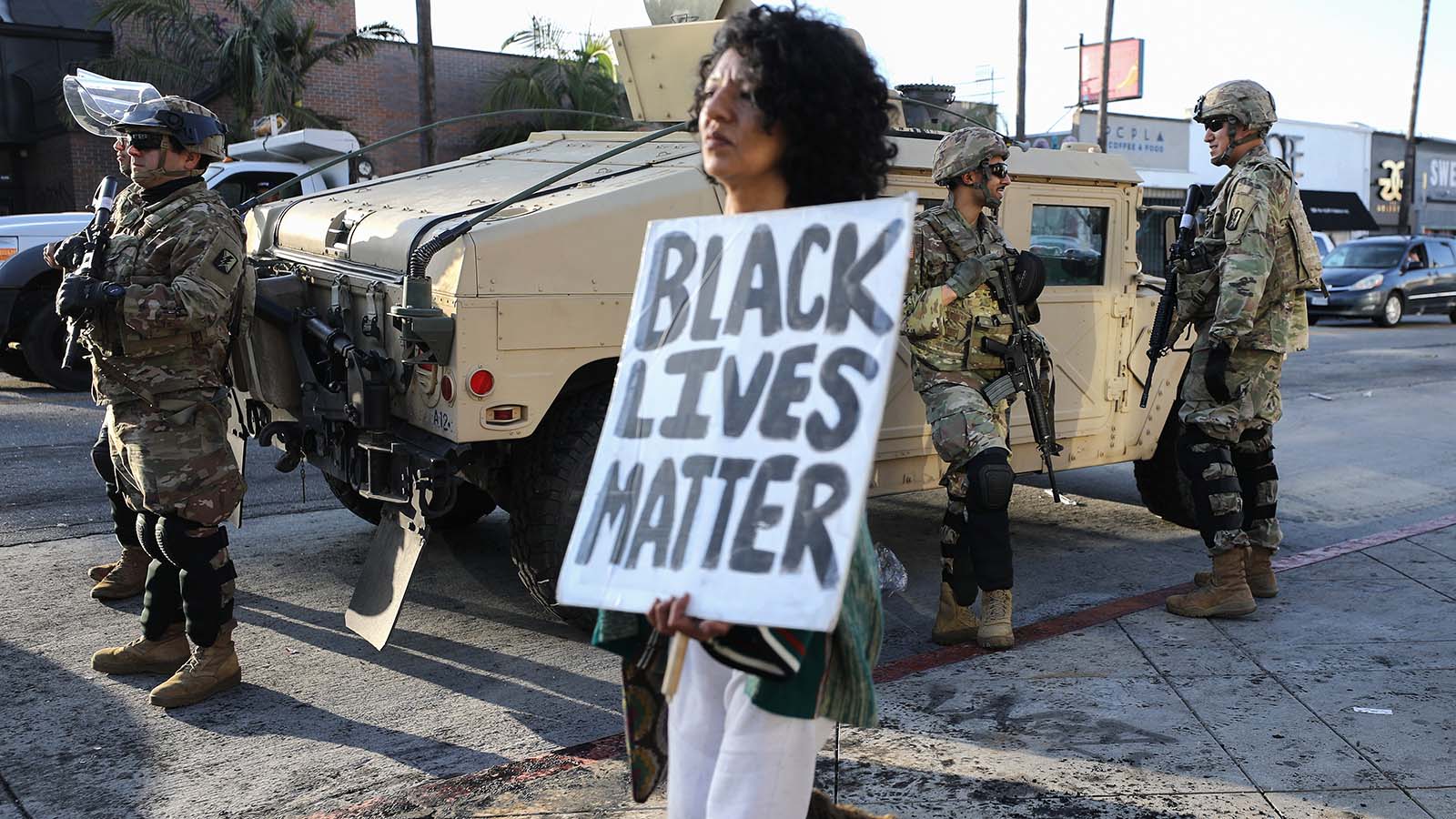
Public Perception and Law Enforcement Presence
While martial law is not in effect, it’s important to acknowledge that public perception can sometimes be influenced by visible law enforcement. Large cities, by their nature, experience a constant need for security and order. This is particularly true in a metropolis as vast and diverse as Los Angeles.
- Event Management: Major events, whether they are concerts at the Hollywood Bowl, sporting events at SoFi Stadium, or political rallies, require significant security planning and personnel deployment. This is a normal aspect of crowd control and public safety.
- Crime Prevention: Like any major urban center, Los Angeles faces challenges related to crime. Law enforcement presence, patrols, and visible security measures are integral to crime prevention and public safety efforts.
- Civil Liberties: It’s crucial to distinguish between necessary law enforcement and the imposition of martial law. While law enforcement agencies operate under specific legal frameworks, martial law represents a complete suspension of these norms. The robust legal system and the active role of civil society in Los Angeles serve as safeguards against any such overreach.
The narratives that sometimes emerge questioning the status of Los Angeles likely arise from these visible security measures, which are standard for a city of its size and prominence. The freedom to explore, to dine, to stay in a variety of accommodations, and to engage with local culture is a testament to the fact that civilian governance, not military rule, is the order of the day.
In conclusion, the question “Is Los Angeles Under Martial Law?” can be definitively answered with a resounding no. The city’s vibrant tourism, diverse accommodation options, rich cultural landscape, and dynamic lifestyle all thrive under civilian law. While security is a paramount concern for any large urban center, the measures observed are standard practices for public safety and event management, not indicators of military control. Visitors and residents alike can continue to enjoy all that Los Angeles has to offer with the assurance that it remains a city open to exploration, enjoyment, and the pursuit of dreams, governed by its elected officials and legal systems. The allure of LA lies in its freedom and accessibility, qualities that would be irrevocably lost under the imposition of martial law.
LifeOutOfTheBox is a participant in the Amazon Services LLC Associates Program, an affiliate advertising program designed to provide a means for sites to earn advertising fees by advertising and linking to Amazon.com. Amazon, the Amazon logo, AmazonSupply, and the AmazonSupply logo are trademarks of Amazon.com, Inc. or its affiliates. As an Amazon Associate we earn affiliate commissions from qualifying purchases.