
The sprawling metropolis of Los Angeles is renowned for its sun-drenched beaches, iconic film studios, and vibrant cultural tapestry. Yet, beneath this alluring facade lies a recurring vulnerability: the persistent threat of wildfires. These devastating infernos, often referred to as the “Los Angeles Fires” or by specific fire names like the “Woolsey Fire” or the “Getty Fire“, have repeatedly scarred the landscape, threatened communities, and underscored a complex interplay of natural and human-induced factors. Understanding the genesis of these fires is crucial for residents, policymakers, and anyone drawn to the allure of Southern California, offering insights not just into disaster prevention but also into the delicate balance of the region’s environment and its burgeoning tourism industry.
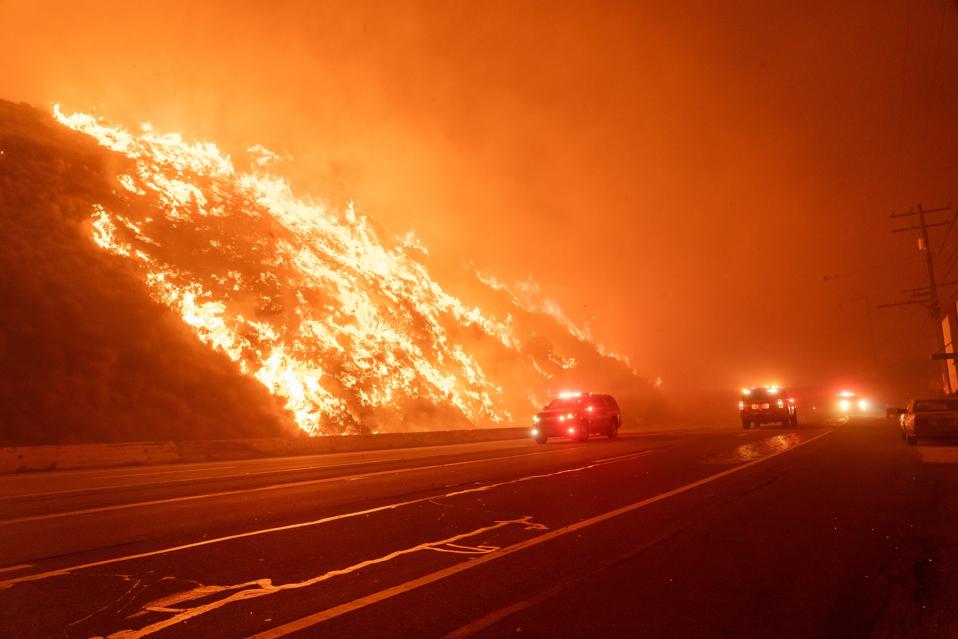
The allure of Los Angeles extends far beyond its urban core. Visitors flock to experience the magic of Hollywood, explore the artistic treasures at the Getty Center, or simply soak in the sun at beaches like Santa Monica. The city offers a diverse range of accommodations, from luxurious resorts in Beverly Hills to charming boutique hotels nestled in neighborhoods like Silver Lake. Beyond the immediate urban attractions, the surrounding areas boast natural wonders, including the vast Angeles National Forest, a popular destination for hikers and nature enthusiasts. This proximity to wildlands, coupled with the city’s unique geography, creates a fertile ground for the conditions that lead to destructive fires.
The question of “What Caused The Los Angeles Fires?” is not one with a single, simple answer. Instead, it points to a confluence of elements, a perfect storm that ignites and propagates these devastating events. These factors can be broadly categorized into environmental conditions, ignition sources, and human influence. Examining each of these facets provides a comprehensive understanding of why this region is so susceptible.
Environmental Catalysts: The Perfect Tinderbox
The natural landscape of Southern California is intrinsically prone to fire. Several key environmental characteristics create a tinderbox effect, making vegetation highly susceptible to ignition and rapid spread. This natural propensity is then amplified by other climatic and geographical factors, turning a spark into a raging inferno.
Climate and Weather Patterns
The Mediterranean climate of Southern California plays a pivotal role in fire susceptibility. This climate is characterized by long, dry summers with very little rainfall, allowing vegetation to dry out significantly. The transition into autumn and winter often brings Santa Ana winds, a crucial factor in the intensity and rapid spread of many fires.
- Extended Droughts: Periods of prolonged drought, often lasting for several years, deplete moisture from soil and vegetation. This leaves trees, shrubs, and grasses exceptionally flammable, acting like fuel waiting for a spark. The cumulative effect of dry spells is a significant increase in the overall fire danger.
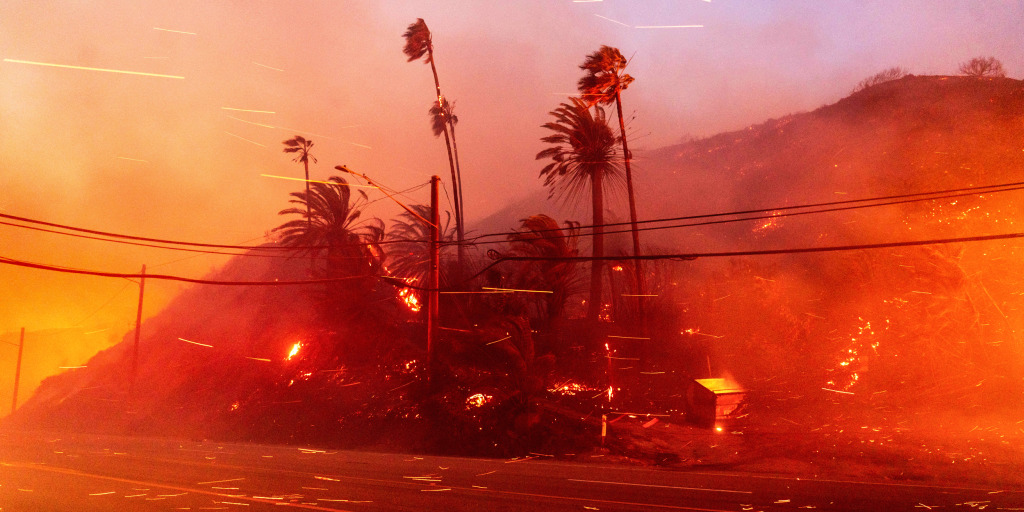
- Santa Ana Winds: These notorious winds are a defining feature of Southern California’s fire season. Originating in the desert interiors, they are hot, dry, and often gusty. As they descend towards the coast, they accelerate, fanning flames and pushing them with incredible speed and intensity. Their desiccating effect further dries out vegetation, making it even more combustible. The powerful gusts can also carry embers for miles, igniting new fires far ahead of the main blaze, a phenomenon known as spotting.
- Low Humidity: During dry periods, especially when Santa Ana winds are present, humidity levels can plummet to single digits. This extreme dryness draws out any remaining moisture from plant life, transforming normally green foliage into highly flammable material.
Topography and Vegetation
The unique geography of Los Angeles County, with its mountainous terrain bordering densely populated urban areas, presents a significant challenge for firefighting. The type of vegetation that thrives in this region is also a key contributor to fire behavior.
- Steep Terrain: The hilly and mountainous areas surrounding Los Angeles, such as the Santa Monica Mountains, create challenging conditions for both fire ignition and suppression. Fire moves rapidly uphill, and the steep slopes can make it difficult for firefighters to access and combat blazes effectively. The rapid uphill spread also increases the speed at which fires can consume fuel and threaten communities.
- Fire-Adapted Vegetation: Much of the native vegetation in Southern California, such as chaparral, is naturally adapted to fire. While this can be a part of the ecosystem’s regeneration cycle, it also means the plants contain flammable oils and oils, making them burn intensely. After a fire, these plants often regenerate, but if fires occur too frequently, the ecosystem can be altered, sometimes leading to the growth of more flammable invasive species.
- Urban-Wildland Interface: The encroaching development of residential areas into natural wildlands, known as the urban-wildland interface, is a critical factor. Millions of residents live in homes situated in or adjacent to areas with dense, flammable vegetation. This proximity means that fires originating in the wildlands can quickly threaten homes, and conversely, human activities in these areas can also be ignition sources. This interface creates a constant tension between human habitation and the natural fire cycle.
Ignition Sources: The Spark of Disaster
While the environment provides the fuel and conditions for fires, an ignition source is always required to start one. These sources can range from natural phenomena to accidental or even intentional human actions. In the context of Los Angeles, understanding the origin of ignition is paramount in prevention efforts.

Natural Ignitions
Lightning strikes are the most common natural cause of wildfires, particularly in more remote wilderness areas. However, in the densely populated and developed areas around Los Angeles, natural ignitions are less frequent as the primary cause of major urban-threatening fires compared to human-related causes.
- Lightning Strikes: While infrequent in the immediate coastal areas, lightning can spark fires in the higher elevations of the surrounding mountains. These fires, if not quickly contained, can spread downslope towards populated areas, especially when combined with dry conditions and wind.
Human-Caused Ignitions
A significant majority of wildfires in California, and specifically around Los Angeles, are attributed to human activities. These can be accidental, negligent, or, in rare cases, intentional.
- Electrical Equipment Malfunctions: Power lines are a significant and recurring cause of wildfires in California. When high winds cause power lines to sway, snap, or fall, they can generate sparks that ignite dry vegetation. Utility companies like Southern California Edison have faced scrutiny and lawsuits over the role of their equipment in starting fires. This has led to increased efforts in vegetation management around power lines and the implementation of Public Safety Power Shutoffs (PSPS) during high-risk weather conditions.
- Arson: While less common than accidental ignitions, arson remains a concern. Fires deliberately set can be particularly devastating as they can be ignited in strategically chosen locations and at times to maximize damage. Law enforcement agencies actively investigate suspected cases of arson.
- Campfires and Debris Burning: In recreational areas like Malibu Creek State Park or designated campgrounds, improperly extinguished campfires can easily ignite surrounding dry grass and brush. Similarly, the uncontrolled burning of debris from landscaping or construction projects can spread rapidly.
- Vehicle-Related Ignitions: Sparks from vehicle exhaust systems, dragging chains, or equipment malfunctions can also ignite roadside vegetation. Even a flat tire that causes a rim to grind against the pavement can generate sufficient heat and sparks.
- Fireworks and Other Recreational Activities: The use of fireworks, especially during dry periods, is a major cause of fires. Sparks can easily ignite dry grass and brush. Careless use of tools that generate sparks, such as grinders or welding equipment, in dry areas also poses a significant risk.
The Interplay of Factors: Amplifying the Threat
It is rarely a single cause that leads to a catastrophic wildfire. Instead, it is the confluence and amplification of several factors that transforms a potential fire into a destructive event. The unique challenges faced by Los Angeles are deeply rooted in how these diverse elements interact.
Urban Sprawl and Development
The relentless expansion of Los Angeles and its surrounding communities into wildland areas has created a constant risk. As more homes are built closer to flammable vegetation, the potential for fires to threaten lives and property increases exponentially.
- Increased Risk at the Urban-Wildland Interface: As mentioned, this interface is a critical zone. The more homes and infrastructure that exist in proximity to wildlands, the greater the potential for catastrophic losses. This necessitates stringent building codes, fire-safe landscaping, and robust community preparedness plans.
- Increased Human Activity: A larger population living in or near wildland areas naturally leads to more human-related ignition sources, whether accidental or negligent. This includes increased recreational use of natural areas, more vehicles on roads, and more construction and maintenance activities.
Climate Change and its Impact
The broader effects of climate change are exacerbating the conditions that fuel wildfires in Southern California, making them more frequent, intense, and unpredictable.
- Warmer Temperatures: Global warming leads to higher average temperatures, which further dry out vegetation and extend the fire season. This means that even traditionally wetter periods may not provide enough moisture to significantly reduce fire risk.
- Changes in Precipitation Patterns: While the overall trend in California has been towards longer dry periods, the intensity of rainfall events may also change. However, the extended droughts are a more direct and significant contributor to increased fire risk.
- Increased Frequency of Extreme Weather Events: Climate change is linked to an increase in the frequency and intensity of extreme weather, including heatwaves and strong winds, both of which are catalysts for wildfires.
In conclusion, the “Los Angeles Fires” are a complex phenomenon arising from a delicate, and often volatile, interplay of natural environmental conditions and human activities. The region’s arid climate, coupled with its dry, fire-adapted vegetation and challenging topography, creates a naturally susceptible landscape. However, it is the human element – from the electrical infrastructure that powers communities to the sprawling development that encroaches on wildlands, and the ever-present threat of accidental or intentional ignitions – that truly ignites these devastating events. As climate change continues to intensify these natural vulnerabilities, understanding and mitigating these multifaceted causes becomes ever more critical for the safety and resilience of Los Angeles and its surrounding areas, impacting everything from local tourism to the very lifestyle of its residents.
LifeOutOfTheBox is a participant in the Amazon Services LLC Associates Program, an affiliate advertising program designed to provide a means for sites to earn advertising fees by advertising and linking to Amazon.com. Amazon, the Amazon logo, AmazonSupply, and the AmazonSupply logo are trademarks of Amazon.com, Inc. or its affiliates. As an Amazon Associate we earn affiliate commissions from qualifying purchases.