
The vibrant metropolis of Los Angeles, a global epicenter for entertainment, culture, and innovation, draws millions to its sun-drenched shores each year. Beyond the glitz and glamour of Hollywood, the sprawling urban landscape is home to a diverse and ever-growing population. Understanding the demographic makeup of this iconic city is crucial for anyone planning a visit, considering a move, or simply seeking to grasp the sheer scale of this West Coast giant.
The Ever-Evolving Demographics of Los Angeles
The population of the City of Los Angeles is not a static figure but a dynamic indicator of its growth, migration patterns, and evolving social fabric. As of the most recent reliable estimates, the population hovers around 3.8 million people within the city limits. This makes Los Angeles the second-most populous city in the United States, trailing only New York City. However, this figure represents only a fraction of the greater metropolitan area.

The Scope of the Los Angeles Metropolitan Area
When one speaks of Los Angeles, it’s often in the context of the vast Los Angeles Metropolitan Area, also known as Southern California or the Greater Los Angeles Area. This sprawling conurbation encompasses multiple counties, including Los Angeles County, Orange County, Riverside County, San Bernardino County, and Ventura County. The combined population of this immense region is staggering, exceeding 18 million people. This makes it the second-largest metropolitan area in the United States by population, demonstrating the immense influence and reach of Los Angeles beyond its official city boundaries. This expansive area is a melting pot of cultures, economies, and lifestyles, offering a kaleidoscope of experiences for residents and visitors alike.
Understanding Population Trends and Influences
Several factors contribute to the ongoing population trends in Los Angeles. Historically, the city experienced rapid growth during the mid-20th century, fueled by post-war economic booms and the burgeoning aerospace and entertainment industries. Migration from across the United States and from international destinations played a significant role in shaping its diverse demographic profile.
Today, while population growth might be more moderate compared to past decades, Los Angeles continues to attract new residents for a multitude of reasons. The city remains a global hub for the entertainment industry, drawing aspiring actors, musicians, and filmmakers. Its strong economy, particularly in sectors like technology, fashion, and international trade, provides ample job opportunities. Furthermore, the allure of the California lifestyle, with its pleasant climate, beautiful beaches, and access to diverse natural landscapes, continues to draw people seeking a different pace of life.
However, like many major urban centers, Los Angeles also faces challenges related to its population. Housing affordability, traffic congestion, and the cost of living are significant concerns that influence both inward migration and outward movement of residents. The city’s planning and development strategies are constantly adapting to manage these pressures and ensure a sustainable future for its growing populace.
Beyond the Numbers: The Cultural Tapestry of Los Angeles
The sheer number of people inhabiting Los Angeles is impressive, but it’s the rich tapestry of cultures they represent that truly defines the city. Los Angeles is renowned for its incredible diversity, with a significant proportion of its population being of Hispanic or Latino origin. This vibrant community contributes immensely to the city’s culinary scene, music, and traditions.
Major Ethnic and Cultural Groups
The Hispanic or Latino population forms the largest ethnic group in Los Angeles, bringing with them a wealth of cultural heritage that permeates neighborhoods like East Los Angeles and Pico Union. This influence is evident in everything from the delicious tacos found on street corners to the lively festivals celebrated throughout the year.
Following closely are the White and Asian populations. The Asian community in Los Angeles is exceptionally diverse, encompassing people of Chinese, Korean, Filipino, Vietnamese, Japanese, and many other ancestries. Neighborhoods like Koreatown, Chinatown, and Little Tokyo serve as vibrant cultural enclaves, offering authentic culinary experiences, traditional markets, and unique shopping opportunities. The presence of these communities enriches the city’s cultural landscape, making it a truly global destination.
The African American population also holds a significant and historically important place in the fabric of Los Angeles. Their contributions to music, art, and civil rights have shaped the city’s identity, particularly in areas like South Los Angeles.
Language and Heritage
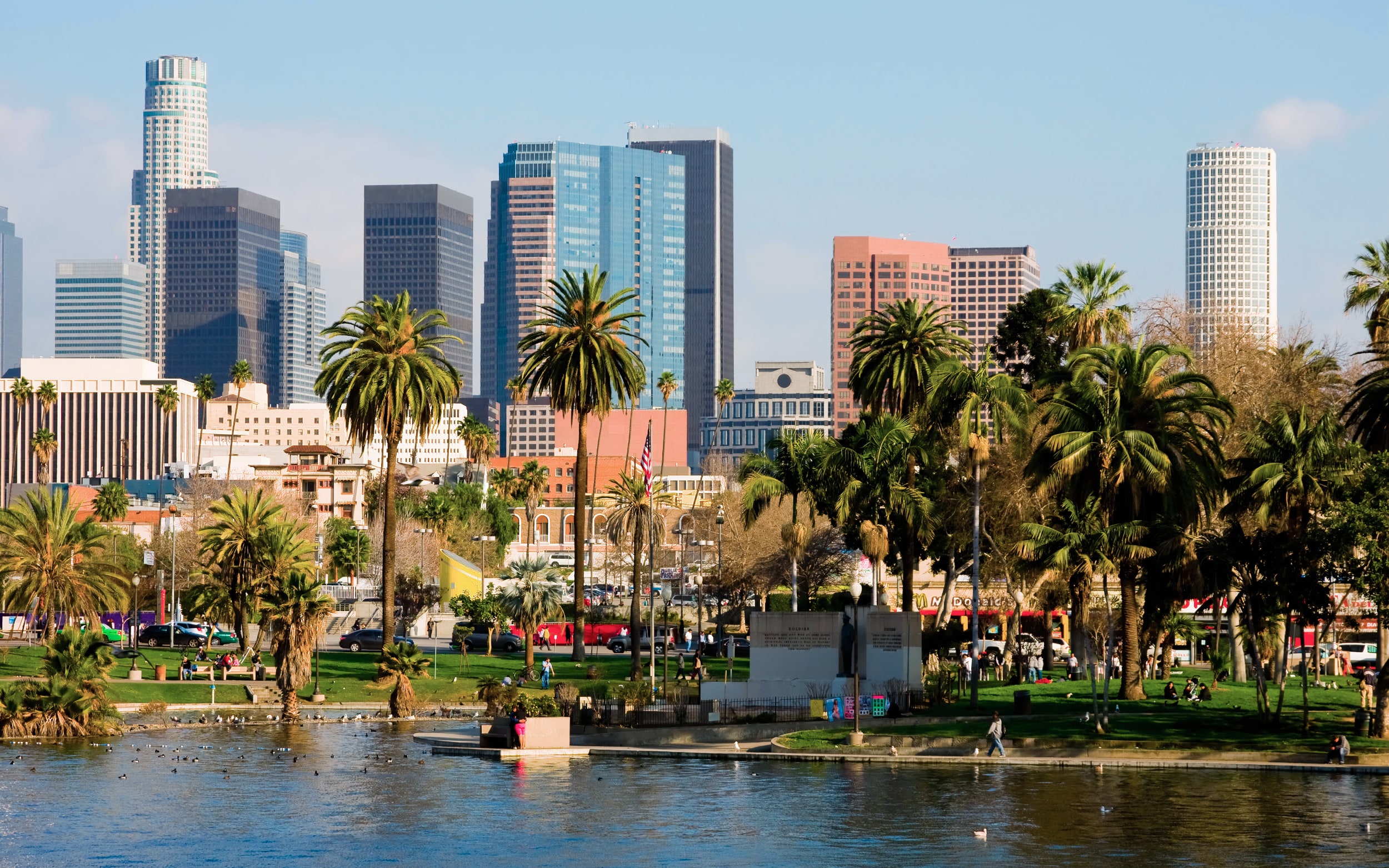
The linguistic landscape of Los Angeles is as varied as its people. While English is the primary language, Spanish is spoken by a substantial portion of the population, reflecting the strong Hispanic influence. You’ll also hear a multitude of other languages, including Korean, Chinese dialects, Tagalog, Armenian, and Farsi, among many others. This multilingual environment adds to the city’s cosmopolitan charm and makes it a fascinating place to explore.
The diverse heritage of Los Angeles is celebrated through numerous cultural festivals, museums, and community events. From Lunar New Year parades to Cinco de Mayo celebrations, the city actively embraces and showcases the traditions of its many residents. This commitment to cultural preservation and celebration makes Los Angeles a truly unique and dynamic place to live and visit.
Navigating Los Angeles: Travel and Accommodation Insights
For travelers planning a visit to Los Angeles, understanding its sheer size and population is key to effective planning. The city is not a single, easily navigable entity but rather a collection of distinct neighborhoods, each with its own character and attractions. Whether you’re seeking luxury accommodations, budget-friendly stays, or unique experiences, Los Angeles offers a vast array of options.
Exploring Diverse Neighborhoods and Attractions
From the iconic beaches of Santa Monica and Venice Beach to the glamorous streets of Beverly Hills, and the cultural heart of Downtown Los Angeles, each area of Los Angeles offers a distinct experience.
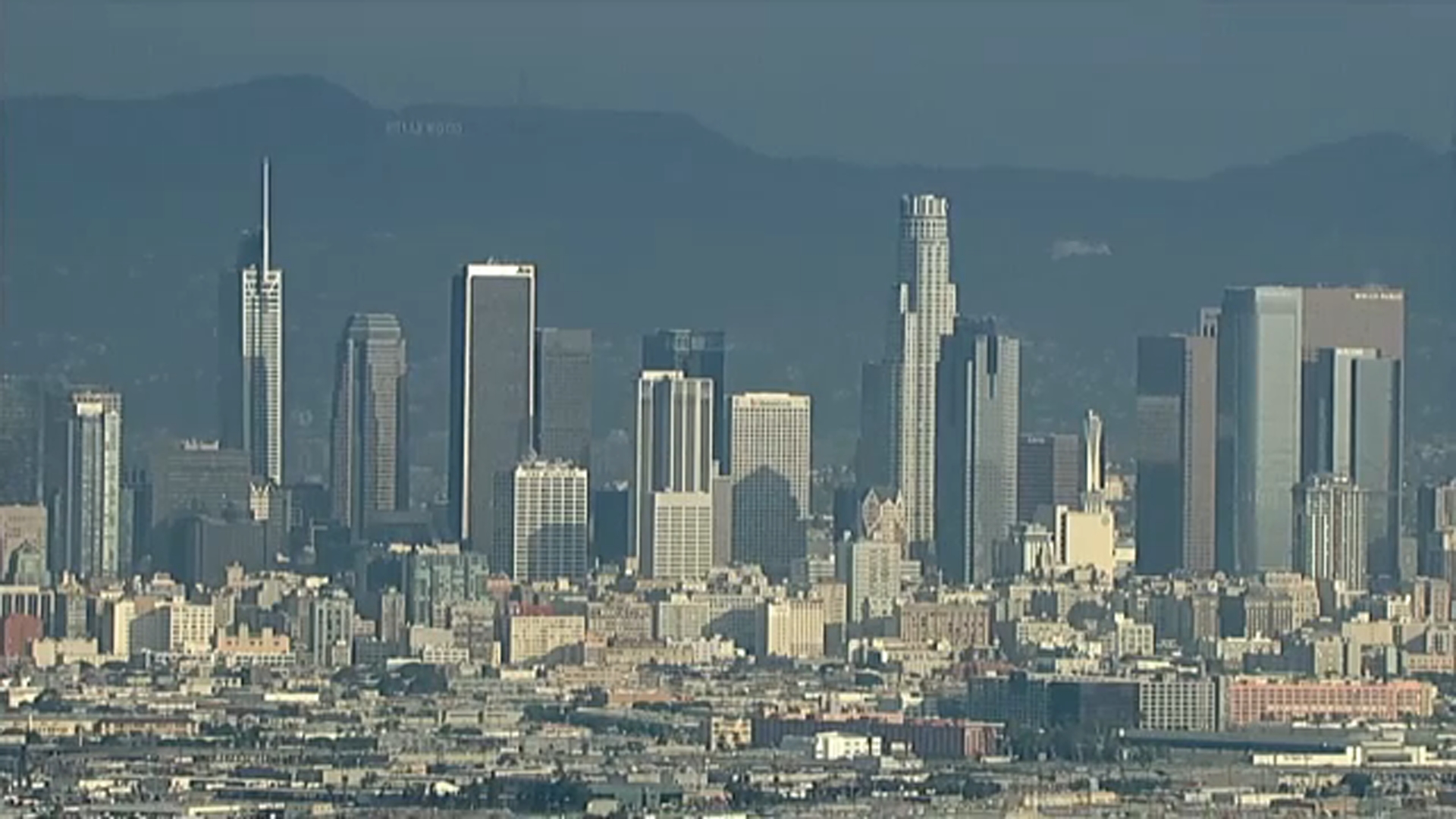
For those interested in the glitz and glamour of the film industry, a visit to Hollywood is a must. Here, you can walk the Hollywood Walk of Fame, see the historic TCL Chinese Theatre, and marvel at the Hollywood Sign in the distance. The Griffith Observatory offers breathtaking panoramic views of the city and a chance to explore the cosmos.
Families might enjoy a trip to Disneyland Park in nearby Anaheim, or explore the wonders of the Universal Studios Hollywood. For art and culture enthusiasts, The Getty Center boasts impressive art collections and stunning architecture, while the Los Angeles County Museum of Art (LACMA) offers a diverse range of exhibits.
Nature lovers can escape the urban bustle in Griffith Park, one of the largest urban parks in the North America, or venture further afield to the scenic beauty of Malibu. The vibrant street art scene in areas like the Arts District in Downtown Los Angeles also provides a unique visual feast.
Accommodation Options to Suit Every Traveler
When it comes to accommodation, Los Angeles caters to every budget and preference. Luxury travelers can indulge in world-class resorts and boutique hotels, such as the renowned Beverly Wilshire, A Four Seasons Hotel, or the opulent Hotel Bel-Air. For those seeking a more intimate experience, charming guesthouses and stylish apartments are plentiful.
Budget-conscious travelers will find a good selection of hotels and motels, particularly in areas slightly outside the prime tourist zones. Hostels also offer affordable dormitory-style lodging, providing a great way to meet fellow travelers.
For longer stays or those seeking a more home-like environment, vacation rentals and serviced apartments are excellent options. Websites offering comparison of prices and availability can be invaluable when navigating the vast array of choices. Consider neighborhoods like West Hollywood for its lively atmosphere and trendy hotels, or Santa Monica for its beachside charm and proximity to the pier.
Practical Tips for Navigating the City
Navigating Los Angeles requires a strategic approach due to its sprawling nature and the ubiquitous presence of cars. While public transportation options are improving, including an extensive bus network and a growing subway system, many residents and visitors rely on personal vehicles or ride-sharing services.
Renting a car can offer the most flexibility, allowing you to explore at your own pace. However, be prepared for significant traffic, especially during peak hours. Familiarize yourself with common routes and consider using GPS navigation apps that provide real-time traffic updates.
If you prefer not to drive, ride-sharing services like Uber and Lyft are readily available. For travel between major hubs like Downtown Los Angeles and the San Fernando Valley, the Metro Rail system can be a convenient and cost-effective option.
When booking your accommodation, consider its proximity to the attractions you plan to visit and its access to public transportation. Reviews from previous guests can provide valuable insights into the quality and suitability of a particular hotel or resort. Whether you’re planning a short business stay or an extended family trip, meticulous planning will ensure you make the most of your Los Angeles experience.
LifeOutOfTheBox is a participant in the Amazon Services LLC Associates Program, an affiliate advertising program designed to provide a means for sites to earn advertising fees by advertising and linking to Amazon.com. Amazon, the Amazon logo, AmazonSupply, and the AmazonSupply logo are trademarks of Amazon.com, Inc. or its affiliates. As an Amazon Associate we earn affiliate commissions from qualifying purchases.