
The question of the last rainfall in Los Angeles is a persistent one, a testament to the city’s famously dry climate and the significant impact weather patterns have on everything from daily life to its thriving tourism industry. While LA is synonymous with sunshine and blue skies, understanding its precipitation cycles is crucial for both residents and visitors planning their adventures. This isn’t just about avoiding a surprise shower; it’s about appreciating the nuances of the Southern California climate, how it shapes the region’s unique appeal, and how to best experience its diverse attractions, whether basking in the sun or, occasionally, enjoying a welcome downpour.

The perception of Los Angeles as perpetually sunny is largely accurate, but it doesn’t tell the whole story. The region experiences a Mediterranean climate, characterized by hot, dry summers and mild, wet winters. This means that while prolonged dry spells are the norm, there is indeed a distinct rainy season. The timing and intensity of these rains can vary significantly from year to year, influenced by complex atmospheric phenomena such as El Niño and La Niña. These variations can have a profound effect on the local environment, from the health of its natural landscapes to the availability of water resources, a topic of perennial importance for this vast metropolitan area.
For travelers, knowing the general rainfall patterns can influence the best times to visit. While many come for the iconic beaches and outdoor entertainment, a rare rainy day can offer a different perspective on the city. It’s an opportunity to explore the world-class museums, indulge in the vibrant culinary scene, or simply enjoy a cozy afternoon in one of the city’s many boutique hotels. Understanding when the rain typically arrives helps in crafting a well-rounded itinerary that accounts for all possibilities, ensuring a memorable trip no matter the weather.
Understanding Los Angeles’s Rainfall Patterns
The climate of Los Angeles is a delicate balance, largely dictated by its proximity to the Pacific Ocean and its location in the mid-latitudes. The prevailing winds bring moist air from the ocean, but this moisture often gets released as precipitation further north along the coast. When weather systems do align to bring rain to Los Angeles, it’s typically during the winter months, roughly from November to March. This period is when the jet stream shifts southward, allowing storm systems to penetrate Southern California.
The “Wet” Season: A Relative Term
It’s important to emphasize that Los Angeles’s “wet” season is relative. Compared to many other major cities, LA receives a modest amount of rainfall annually. Average annual precipitation hovers around 15 inches, but this can fluctuate dramatically. Some years might see significantly less, contributing to drought conditions, while others can experience drenching storms that bring relief and replenish reservoirs. This variability is a defining characteristic of the region’s climate and a constant consideration for water management authorities.
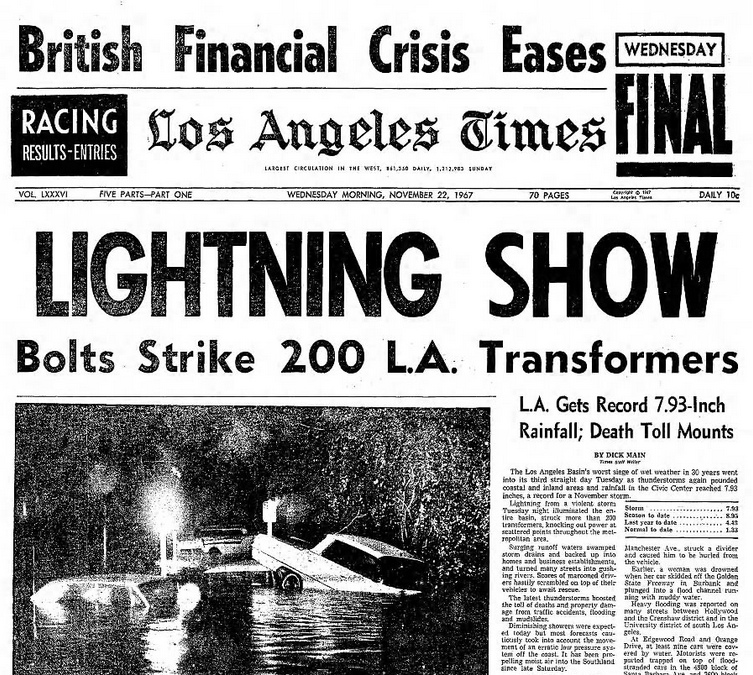
The most significant rainfall events often come from atmospheric rivers – narrow corridors of concentrated moisture in the atmosphere that can transport vast amounts of water vapor across thousands of miles. When these tap into the storm track and make landfall in Southern California, they can produce heavy downpours, strong winds, and even flooding. These events, while sometimes disruptive, are critical for the region’s water supply, filling lakes like Lake Mead and providing a vital resource for agriculture and urban consumption.
The timing of these systems is unpredictable, making it difficult to pinpoint an exact “last time it rained” with absolute certainty without checking a specific, up-to-the-minute weather report. However, by looking at historical data, we can identify the general periods when rain is most likely. For instance, a significant storm in late February or early March would be well within the typical winter rainy season. Conversely, a rain event in July or August would be exceptionally rare and noteworthy.
The impact of rainfall extends beyond just water conservation. It influences the blooming of wildflowers in the surrounding hills, such as those seen in Anza-Borrego Desert State Park, and affects the lushness of iconic natural landmarks like Griffith Park. Even the city’s famous outdoor attractions, like the Hollywood Walk of Fame, can be temporarily impacted by wet weather, though operations often resume quickly once the skies clear.
When to Expect Rain: A Seasonal Outlook
While the idea of a “last rain” can be a fun conversation starter or a point of curiosity, for practical purposes, it’s more useful to understand the seasonal probabilities. The winter months, from December through February, typically represent the peak of the rainy season in Los Angeles. This is when the highest chance of encountering significant precipitation exists. However, this doesn’t preclude rain from occurring in November or extending into April.
Beyond the Winter Months: Rare Occurrences
Rain in the spring and fall is less common but not impossible. Light showers can sometimes occur in these shoulder seasons, often associated with the tail end of winter storms or the nascent stages of new ones. These events are usually brief and can be quite refreshing after a long dry spell.
Summer in Los Angeles, from June through September, is overwhelmingly dry. While tropical moisture can occasionally drift north from Mexico, leading to isolated thunderstorms in the mountains or deserts, rainfall within the urban sprawl of Los Angeles during these months is exceedingly rare. If it does rain in the summer, it’s typically a minor event and a significant deviation from the norm, often making headlines as a peculiar weather anomaly.
For anyone planning a trip during the summer, packing for sunshine is almost always the correct choice. However, a quick check of the National Weather Service forecast before departing and upon arrival is always advisable, especially when considering activities like hiking in the Santa Monica Mountains or exploring the beaches along the Pacific Coast Highway.
The absence of consistent rainfall is a primary driver of the city’s infrastructure and lifestyle. Smart water management, drought-tolerant landscaping, and a culture that embraces outdoor living are all direct results of this arid environment. When it does rain, it’s often a cause for celebration, a welcome break from the sun-drenched routine, and a vital replenishment for the region’s ecosystems and water reserves.
Planning Your Los Angeles Experience: Rain or Shine
The beauty of visiting Los Angeles lies in its incredible diversity, offering experiences that are enjoyable in virtually any weather. While a sunny day is ideal for exploring world-renowned attractions like the Getty Center or Universal Studios Hollywood, a rainy day presents its own unique set of opportunities.
Embracing Indoor Attractions
When the skies open up, Los Angeles boasts an impressive array of indoor activities. The city is a cultural hub, home to museums that cater to every interest. The Los Angeles County Museum of Art (LACMA), the Petersen Automotive Museum, and the Natural History Museum of Los Angeles County are just a few examples of world-class institutions that provide hours of engaging exploration. For film buffs, a visit to a studio tour, such as those offered by Warner Bros. Studios, can be a fascinating indoor adventure.
The culinary scene in Los Angeles is another major draw, and a rainy day is the perfect excuse to dive deep into its diverse offerings. From Michelin-starred restaurants in areas like Beverly Hills to hidden gems in Downtown Los Angeles serving up authentic ethnic cuisines, there are endless gastronomic delights to discover. Cozy cafes and lively bars also provide welcoming havens to escape the weather and soak in the local atmosphere.
For those seeking a more relaxed experience, the city’s numerous hotels offer luxurious amenities. Staying at a renowned resort like the Beverly Wilshire, A Four Seasons Hotel or a boutique hotel in West Hollywood can turn a rainy day into an opportunity for pampering, with spa treatments, fine dining, and comfortable suites providing a perfect retreat. Accommodation options in Santa Monica or downtown offer convenient access to attractions, whether it’s a short walk to a museum or a quick ride-share to a culinary hotspot.

A Different Perspective on Iconic Landmarks
Even iconic outdoor landmarks can offer a different charm when viewed through a veil of rain. A drive along the coast, perhaps towards Malibu, can be dramatic and moody under overcast skies. The vibrant energy of Venice Beach takes on a quieter, more introspective feel. While it might not be the ideal weather for sunbathing, the dramatic skies can provide a stunning backdrop for photography and a unique perspective on familiar sights.
Ultimately, the question of “When is the last time it rained in Los Angeles?” highlights the city’s defining sunny disposition. However, understanding the seasonal probabilities and embracing the diverse range of indoor and alternative outdoor experiences means that a visit to Los Angeles can be captivating and rewarding, regardless of whether the sun is shining or the rain is falling. The key is preparation and an open mind, ready to discover all that this dynamic metropolis has to offer.
LifeOutOfTheBox is a participant in the Amazon Services LLC Associates Program, an affiliate advertising program designed to provide a means for sites to earn advertising fees by advertising and linking to Amazon.com. Amazon, the Amazon logo, AmazonSupply, and the AmazonSupply logo are trademarks of Amazon.com, Inc. or its affiliates. As an Amazon Associate we earn affiliate commissions from qualifying purchases.