
Louisiana, a state renowned for its vibrant culture, soul-stirring music, and mouthwatering cuisine, also holds a wilder, more ancient allure. Its sprawling wetlands, bayous, and marshes are the natural habitat of one of North America’s most formidable reptiles: the American alligator. So, to answer the burning question for any traveler venturing into the Pelican State: yes, there are indeed alligators in Louisiana, and encountering them is often a quintessential part of the Louisiana experience.
The presence of alligators isn’t just a curiosity; it’s an integral part of the ecological and cultural fabric of Louisiana. These prehistoric creatures have roamed the state’s waterways for millennia, shaping the landscape and influencing local traditions. For visitors, understanding where to find them, how to observe them safely, and what role they play in the state’s tourism industry is key to a truly immersive Louisiana adventure. Whether you’re exploring the historic French Quarter in New Orleans or venturing into the remote wilderness of the Atchafalaya Basin, the possibility of spotting an alligator is ever-present, adding an exciting layer to your journey.
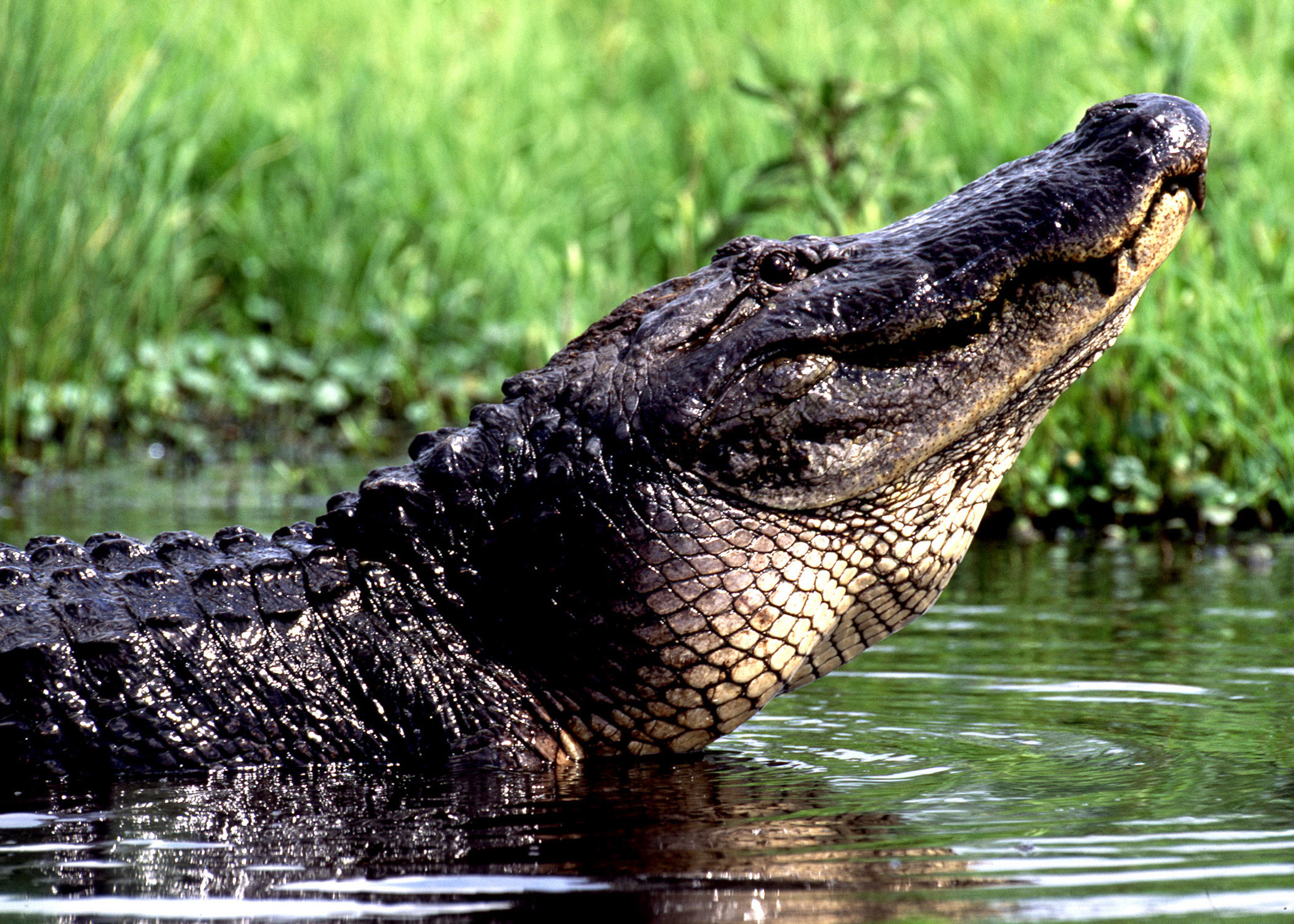
The Alligator’s Domain: Louisiana’s Wetlands and Waterways
Louisiana’s geography is perfectly suited for alligator habitation. The state boasts an extensive network of freshwater and brackish marshes, swamps, rivers, and bayous that provide the ideal environment for these semi-aquatic reptiles. These water bodies offer abundant food sources, including fish, turtles, snakes, and small mammals, as well as protected areas for nesting and basking.
Where to Encounter the Mighty American Alligator
The most significant alligator populations are found in the vast wetland ecosystems of southern Louisiana. These areas are not only crucial for the survival of the American alligator but also offer unparalleled opportunities for wildlife enthusiasts to witness them in their natural environment.
The Atchafalaya Basin is a prime example. This immense swampland, the largest in the United States, is a labyrinth of cypress swamps, bayous, and lakes. It is teeming with wildlife, and alligators are a common sight here. Guided boat tours are the most popular and safest way to explore this incredible ecosystem. Companies operating in areas like Breaux Bridge and Lafayette offer excursions that navigate the narrow channels and open waters, allowing passengers to get up close (but not too close!) to alligators basking on the banks or swimming lazily through the water.
Beyond the Atchafalaya, the Coastal Marshes stretching from Lake Pontchartrain near New Orleans westward towards the Sabine River are also prime alligator territory. Areas around Houma, Morgan City, and the Jean Lafitte National Historical Park and Preserve are excellent locations for alligator spotting. The Jean Lafitte Preserve, in particular, offers ranger-led tours and self-guided exploration opportunities, providing a chance to learn about the bayou ecosystem and its inhabitants.
Even within closer proximity to populated areas, such as the outskirts of Baton Rouge, canals and smaller waterways can harbor alligators. However, it is crucial to remember that these are wild animals, and maintaining a safe distance is paramount.
Understanding Alligator Behavior and Habitat
American alligators ( Alligator mississippiensis) are apex predators and play a vital role in maintaining the health of their wetland habitats. They are most active during warmer months, typically from spring through fall. During these periods, they are frequently seen basking in the sun to regulate their body temperature or hunting for food.
Alligators are most active during dawn and dusk, though they can be spotted at any time of day. They are opportunistic feeders, their diet consisting of fish, amphibians, reptiles, birds, and small mammals. While their primary hunting strategy involves ambushing prey from the water, they are also capable of terrestrial hunting.
During colder months, alligators become less active, often seeking refuge in burrows or at the bottom of water bodies to survive freezing temperatures. Their ability to withstand low temperatures is remarkable, showcasing their adaptability to the Louisiana climate.
It is important to understand that while alligators are a fascinating part of Louisiana’s natural heritage, they are also wild and potentially dangerous animals. Respecting their space and avoiding any attempt to feed or provoke them is crucial for both human safety and the well-being of the alligators themselves.
Experiencing Louisiana’s Wild Side: Alligator Tours and Activities
The presence of alligators has become a significant draw for tourism in Louisiana, leading to a variety of tours and activities designed to offer visitors a safe and memorable encounter with these magnificent reptiles. These experiences are not only thrilling but also educational, providing insights into the alligator’s biology, behavior, and ecological importance.
Guided Alligator Tours: The Best Way to See Them
The most popular and recommended way to see alligators in Louisiana is through guided tours. These tours are typically led by experienced guides who know the best locations and understand alligator behavior.
Airboat Tours are a quintessential Louisiana experience. These flat-bottomed boats, propelled by a large fan, can navigate shallow waters and marshes with ease, allowing access to remote areas where alligators are abundant. The thrill of speeding across the water while spotting alligators, egrets, and other wildlife is an unforgettable adventure. Many operators offer tours departing from locations like Slidell or near New Orleans.
Bayou Tours in traditional flat-bottomed boats or kayaks offer a more intimate and tranquil experience. These tours allow for a slower pace, giving visitors more time to observe alligators and the intricate details of the bayou ecosystem. Guides often share local folklore and information about the flora and fauna. Cajun Encounters in Metairie is one such operator providing these immersive experiences.

Swamp Tours are another common offering, often focusing on the unique cypress-draped landscapes of Louisiana’s swamps. These tours often include opportunities to see alligators, turtles, and various bird species. Many tours depart from cities like Lafayette or Houma, providing access to diverse wetland environments.
Alligator Farms and Education Centers
For those who prefer a more controlled environment, Louisiana also boasts several alligator farms and educational centers. These facilities offer close-up views of alligators of all sizes, from hatchlings to fully grown adults, and provide detailed information about their life cycle, conservation efforts, and the history of alligator farming.
Gator Country Adventure Park in Baton Rouge is a popular destination where visitors can see numerous alligators and even participate in feeding demonstrations. These centers often have interactive exhibits and knowledgeable staff who can answer any questions about these fascinating creatures.
For a more in-depth look at conservation and research, the Audubon Nature Institute in New Orleans often features alligator exhibits and educational programs. These centers play a crucial role in fostering understanding and appreciation for Louisiana’s native wildlife.
Safety and Etiquette When Observing Alligators
When embarking on an alligator viewing adventure, safety and respect for the wildlife are paramount.
- Maintain a Safe Distance: Never approach an alligator in the wild. Alligators can be faster than they appear and may perceive humans as a threat. A general rule of thumb is to stay at least 60 feet away.
- Never Feed Alligators: Feeding alligators is not only dangerous but also illegal in many areas. It disrupts their natural feeding behaviors, makes them bolder and more likely to approach humans, and can lead to their demise.
- Stay on Designated Paths: When exploring on foot in areas where alligators are present, stick to marked trails and boardwalks.
- Keep Pets Secure: Keep dogs and other pets on a leash at all times, as they can attract an alligator’s attention and become a target.
- Be Aware of Your Surroundings: Always be mindful of where you are stepping and looking, especially when near water bodies.
- Listen to Your Guide: If you are on a guided tour, always follow the instructions of your guide. They are experts in safely navigating the environment and observing wildlife.
By adhering to these guidelines, visitors can ensure a safe, enjoyable, and respectful experience with Louisiana’s iconic alligators.
Alligators: A Symbol of Louisiana’s Natural Heritage and Tourism
The American alligator is more than just a creature of the swamps; it is a powerful symbol of Louisiana’s unique natural heritage and a significant contributor to its thriving tourism industry. From the earliest indigenous peoples to modern-day visitors, alligators have captivated and intrigued, shaping local lore and providing a distinct wild allure to the state.
Ecological Significance of Alligators in Louisiana
Alligators are considered keystone species in their wetland ecosystems. Their activities, such as digging “gator holes” (deep pools that retain water during dry periods), create vital habitats for other aquatic species. These holes serve as refuges for fish, amphibians, and invertebrates, supporting biodiversity during droughts and contributing to the overall health of the marsh. Their predatory role also helps regulate populations of smaller animals, maintaining ecological balance. The presence of healthy alligator populations is often an indicator of a healthy wetland environment.
Alligators in Louisiana Culture and Cuisine
The relationship between Louisianians and alligators is deep-rooted, extending beyond simple coexistence to encompass cultural traditions and even culinary practices. For centuries, alligators were hunted for their meat and hide, a practice that has since been regulated and is now managed sustainably.
Today, alligator meat is considered a delicacy in Louisiana, often prepared in traditional dishes like alligator sauce piquante or fried alligator bites. While this might seem unusual to some, it reflects a long-standing tradition of utilizing natural resources. Many restaurants in Louisiana, particularly in the southern regions, feature alligator on their menus.
The alligator also features prominently in local folklore and art. Stories of the elusive “swamp monster” and local legends often revolve around these powerful reptiles. Their image is frequently seen in local crafts, artwork, and as a symbol of Louisiana’s wild and untamed spirit.
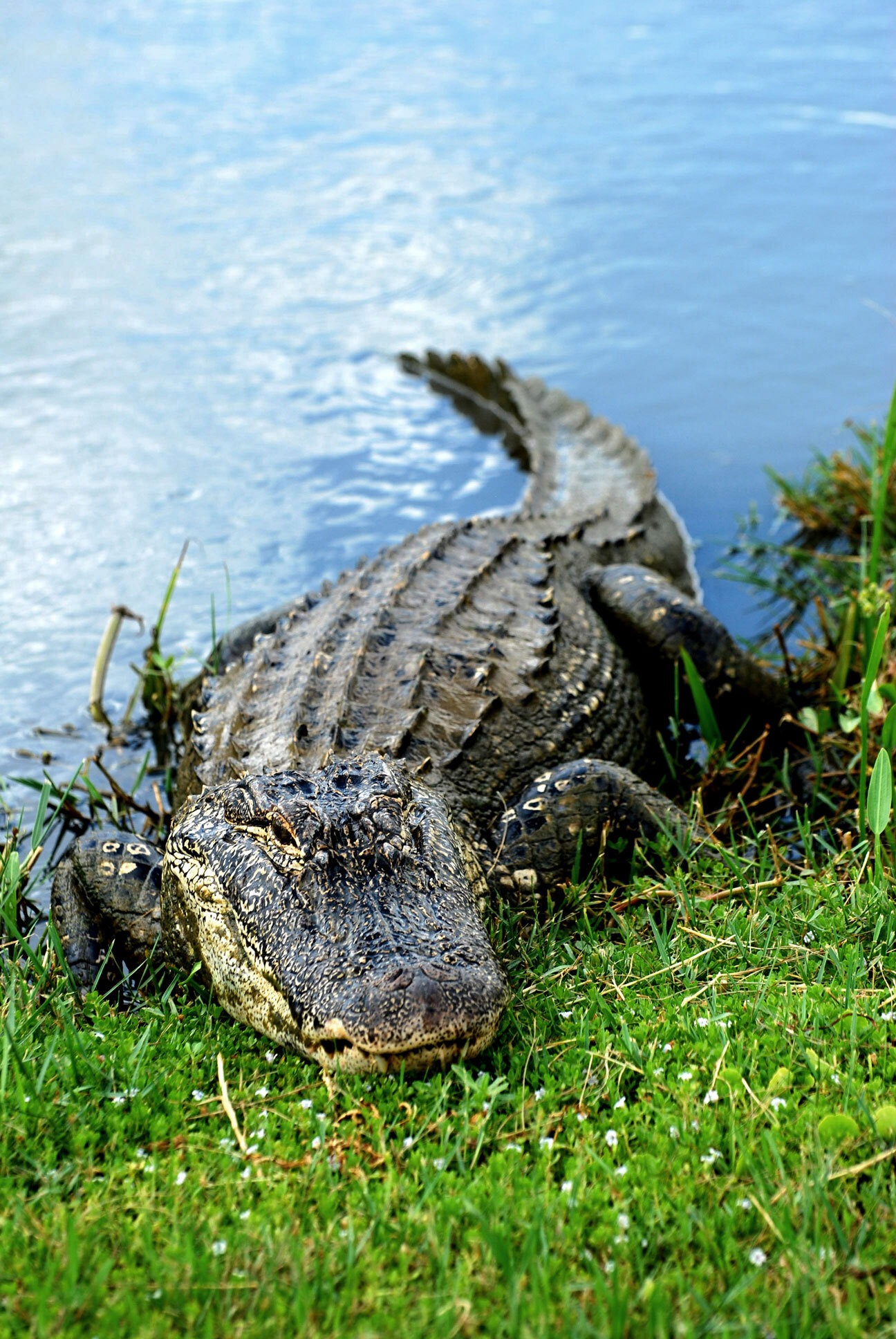
The Economic Impact of Alligator Tourism
The fascination with alligators translates into significant economic benefits for Louisiana. Alligator-themed tours, wildlife parks, and associated businesses generate substantial revenue, supporting local economies and creating jobs. Tourists flock to the state specifically to experience the unique environment that alligators inhabit, contributing to the broader tourism sector encompassing hotels, restaurants, and other attractions.
For example, towns like Breaux Bridge, often referred to as the “Crawfish Capital of Louisiana,” also heavily promote their bayou tours, which invariably feature alligator sightings. This symbiotic relationship between local culture, natural resources, and tourism is a hallmark of the Louisiana experience. The revenue generated by these activities helps fund conservation efforts, ensuring that these incredible animals continue to thrive for generations to come.
Ultimately, the answer to “Are there alligators in Louisiana?” is a resounding yes, and their presence is a vital part of what makes the state so captivating. For travelers seeking an authentic and adventurous experience, a journey into the Louisiana bayous offers a chance to connect with nature in its most primal form, with the magnificent American alligator as its undisputed king. From the bustling streets of New Orleans to the tranquil depths of the Atchafalaya Basin, the wild heart of Louisiana beats in rhythm with the ancient presence of its most iconic resident.
LifeOutOfTheBox is a participant in the Amazon Services LLC Associates Program, an affiliate advertising program designed to provide a means for sites to earn advertising fees by advertising and linking to Amazon.com. Amazon, the Amazon logo, AmazonSupply, and the AmazonSupply logo are trademarks of Amazon.com, Inc. or its affiliates. As an Amazon Associate we earn affiliate commissions from qualifying purchases.