
When you ask “What is the time in Kansas?” you’re not just asking for a simple clock reading. You’re potentially opening the door to understanding the geographical nuances of this fascinating state, and perhaps, even hinting at the best time to embark on a journey through its vast prairies, vibrant cities, and rich historical landscapes. Kansas, often known as the “Sunflower State,” offers a unique blend of experiences that resonate with travellers seeking authentic American culture, natural beauty, and a dose of pioneering spirit. Let’s delve into the literal and metaphorical “time” in Kansas, guiding you through its time zones and the optimal moments to explore its diverse attractions.
Geographically, Kansas spans two primary time zones, a common feature for states that stretch across significant longitudes. The vast majority of Kansas observes Central Standard Time (CST) during the winter months and Central Daylight Time (CDT) in the summer. This means that for cities like Kansas City (its largest metropolitan area, though primarily in Missouri, its Kansas side is significant), Wichita, Topeka, and Lawrence, the time will typically be UTC-6 during standard time and UTC-5 during daylight saving time. However, a small portion of western Kansas, bordering Colorado, observes Mountain Standard Time (MST) and Mountain Daylight Time (MDT). This includes counties such as Sherman, Wallace, Greeley, and Hamilton. For these areas, the time is UTC-7 during standard time and UTC-6 during daylight saving time. Therefore, to answer precisely, you’d need to know which part of Kansas you’re referring to, but for most travel purposes, anticipating Central Time will serve you well. Understanding these time zones is the first step in planning any trip, ensuring your flight schedules, hotel bookings, and tour arrangements align seamlessly with local time.

Embracing the Rhythms of Kansas: Best Times to Visit
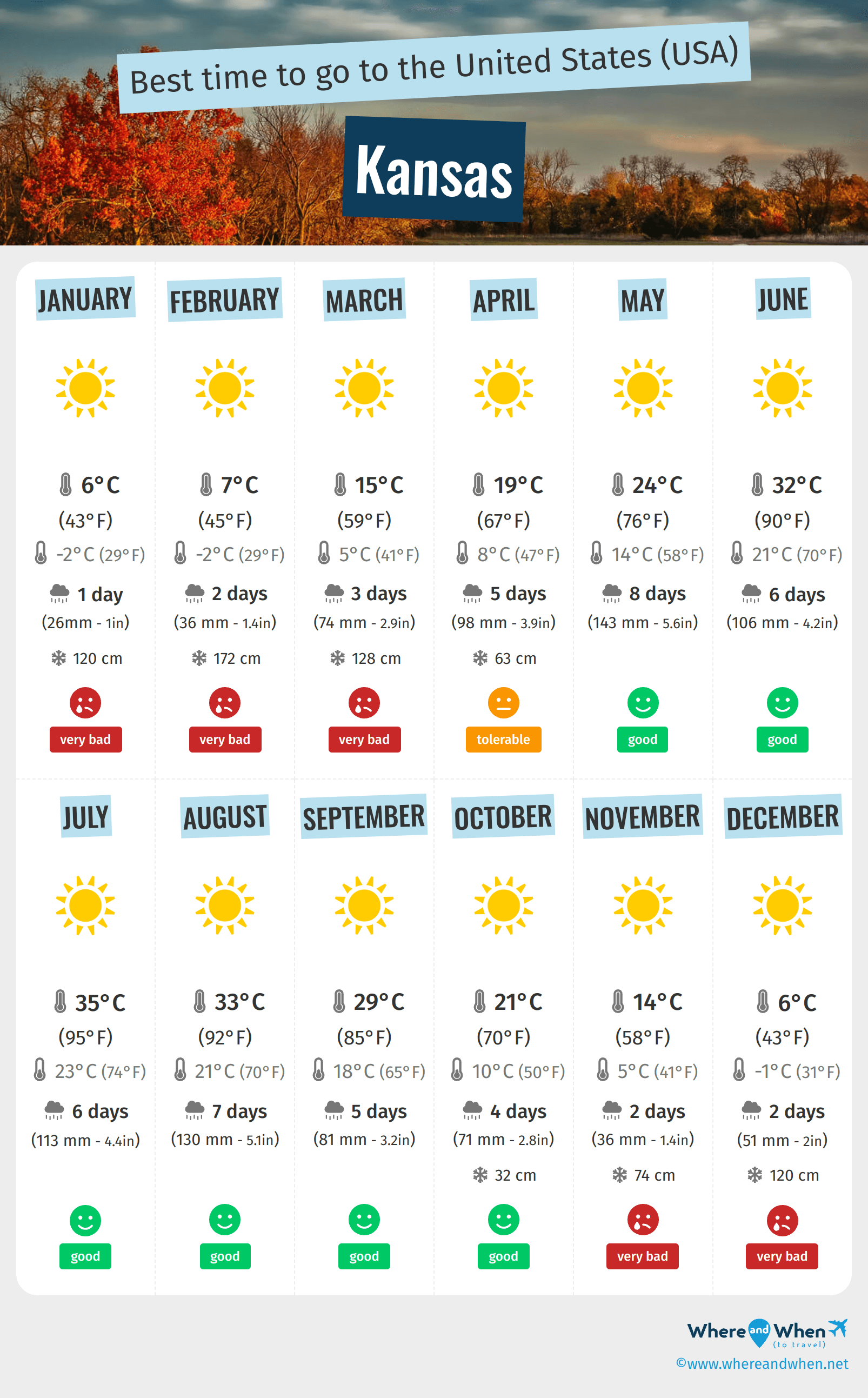
Beyond the clock, “the time in Kansas” also refers to the best periods to immerse yourself in its unique offerings. Kansas experiences a continental climate with distinct seasons, each presenting its own charm and array of activities. Your ideal travel time will largely depend on the kind of experience you seek, whether it’s vibrant urban explorations, serene prairie adventures, or historical deep dives.
Spring: A Time of Reawakening and Natural Beauty
Spring, from April to early June, is arguably one of the most beautiful times to visit Kansas. The vast prairies, which dominate much of the state’s landscape, burst into life with wildflowers, and the famous sunflowers begin their journey towards full bloom. Temperatures are mild and pleasant, making it perfect for outdoor activities like hiking, birdwatching, and exploring state parks. The Flint Hills, the last remaining tallgrass prairie ecosystem in North America, is particularly captivating during this season. Visiting the Tallgrass Prairie National Preserve near Strong City in spring allows you to witness prescribed burns – a vital conservation technique – and see bison grazing against a backdrop of fresh green grasses. Cultural events and local farmers’ markets also begin to flourish, offering a taste of authentic Kansas tourism and community spirit. It’s an excellent time for family trips before the intense summer heat sets in.
Summer: Festivals, Prairies, and American History
Summer in Kansas, from June through August, brings warmth and sunshine, making it an ideal time for many outdoor adventures and community festivals. While temperatures can be hot, especially in July and August, this season is when Kansas truly celebrates its heritage. The iconic sunflowers reach their peak bloom in late July and August, creating breathtaking golden fields that stretch as far as the eye can see – a photographer’s dream. This is a popular time for tourism in cities like Dodge City, where the Boot Hill Museum brings the Old West to life with daily gunfight re-enactments. Lakes and reservoirs across the state become hubs for swimming, boating, and fishing. Summer also sees a packed calendar of county fairs, rodeos, and music festivals, providing ample opportunities to experience local culture and hospitality. For those interested in American history, exploring sites like Fort Leavenworth or the Brown v. Board of Education National Historic Site in Topeka offers a profound journey into the past.
Autumn: Golden Hues and Comfortable Exploration
Autumn, from September to November, transforms Kansas into a palette of warm, golden hues. The heat of summer subsides, replaced by crisp air and comfortable temperatures, making it an excellent time for exploring both urban and natural attractions. The foliage in urban parks and along river systems like the Missouri River and Arkansas River provides stunning visual appeal. Hiking, cycling, and scenic drives through the Flint Hills are particularly enjoyable. Many outdoor festivals continue into early fall, and the harvest season brings unique culinary experiences, from pumpkin patches to cider mills. It’s also a fantastic time for stargazing in the expansive, unpolluted skies of western Kansas. Accommodation options remain readily available, and crowds typically thin out compared to the peak summer months, making it ideal for those seeking a more tranquil travel experience.
Winter: A Quiet Charm and Indoor Discoveries
Winter, from December to March, brings colder temperatures and occasional snowfall, offering a quieter, more serene side of Kansas. While outdoor activities might be limited to ice skating or cross-country skiing in some areas, this season is perfect for delving into the state’s rich indoor attractions. Museums, art galleries, and historical sites provide warmth and engaging experiences. Cities like Wichita and Kansas City offer a bustling urban environment with vibrant dining scenes, shopping opportunities, and live entertainment. The Kansas Cosmosphere and Space Center in Hutchinson and Strataca, an underground salt museum, provide fascinating insights that are perfect for a chilly day. Many hotels and resorts offer special winter rates, making it a good time for budget travel or a cozy getaway.
Spending Your Time Wisely: Exploring Kansas’s Top Destinations
Regardless of the time of year, Kansas boasts a wealth of destinations and attractions that promise memorable experiences. From bustling metropolitan hubs to tranquil natural wonders, there’s something to capture every traveller’s interest.
Urban Escapes: The Pulse of Kansas
Kansas City, though split by the state line, is a dynamic urban center with a thriving arts scene, renowned barbecue, and jazz heritage. On the Kansas side, areas like Overland Park and Olathe offer upscale shopping, diverse dining, and family-friendly attractions. Wichita, the largest city in Kansas, is a hub for aerospace history and cultural tourism. Don’t miss the Old Cowtown Museum, the Keeper of the Plains statue, and the vibrant Delano District. Topeka, the state capital, combines historical significance with modern amenities, featuring the majestic Kansas State Capitol Building and the Brown v. Board of Education National Historic Site. Lawrence, home to the University of Kansas, has a youthful energy, eclectic shops, and a strong musical heritage.
Journey Through Time: Historical and Cultural Landmarks
Kansas is steeped in history, from its Old West roots to its pivotal role in the Civil Rights movement. Dodge City remains synonymous with frontier legends, and the Boot Hill Museum offers an immersive experience into this era. For aviation enthusiasts, the Amelia Earhart Birthplace Museum in Atchison pays tribute to the legendary aviator. Fans of the classic tale will delight in the Oz Museum in Wamego, a unique attraction celebrating “The Wizard of Oz.” For those fascinated by the natural world and paleontology, the Sternberg Museum of Natural History in Hays at Fort Hays State University offers impressive fossil exhibits, including the famous “Fish-within-a-Fish.” Meanwhile, the Frontier Army Museum at Fort Leavenworth provides a deep dive into military history.
Nature’s Timeless Wonders: Prairies, Rock Formations, and More
The natural landscape of Kansas is surprisingly diverse and breathtaking. The Flint Hills region, with its rolling hills and vast expanses of tallgrass prairie, is a testament to untamed beauty. The Tallgrass Prairie National Preserve offers trails and interpretive programs. In western Kansas, you can find fascinating geological landmarks like Monument Rocks (also known as the Chalk Pyramids) and Little Jerusalem Badlands State Park, which showcase dramatic formations sculpted by millions of years of erosion. For wildlife enthusiasts, the Konza Prairie Biological Station near Manhattan offers opportunities to observe bison and a rich array of flora and fauna. These sites provide a timeless connection to the earth’s ancient processes and the persistent beauty of the natural world.

Planning Your Time in Kansas: Accommodation and Lifestyle
To make the most of your time in Kansas, strategic planning for accommodation and lifestyle preferences is key. The state offers a wide range of options, catering to all types of travellers, from luxury resorts to cozy bed & breakfasts.
Diverse Accommodation Options
Cities like Wichita and Overland Park boast a variety of hotels, from international chains offering modern suites and comprehensive amenities suitable for business stays, to boutique hotels with unique character. For those seeking a more immersive experience, charming bed & breakfasts can be found in smaller towns, often providing a taste of local hospitality and culture. When exploring rural areas, consider staying in apartments or vacation villas for a home-away-from-home feel, especially if you’re on a long-term stay or travelling with family. Websites offering booking and comparison services are invaluable tools for finding the perfect stay that matches your preferences and budget. Don’t forget to check reviews to ensure quality.
Lifestyle and Travel Styles
Kansas caters to various lifestyle and travel styles. If you’re looking for luxury travel, you’ll find upscale dining, high-end shopping, and premium accommodation in Kansas City and Wichita. For budget travel enthusiasts, campsites in state parks, affordable motels, and delicious local eateries provide an economical way to experience the state without compromising on adventure. Family trips will find plenty of kid-friendly attractions, from science museums to outdoor recreational areas. Business stays are well-supported by modern hotels with conference facilities in major cities. Embracing the local culture, trying regional cuisine like Kansas barbecue, and participating in community events are essential tips for a fulfilling visit.
In conclusion, “What is the time in Kansas?” is a question that, when fully explored, unveils the layers of this captivating state. From the practicalities of understanding its two time zones (Central and Mountain) to the strategic planning of when to visit for optimal weather and events, Kansas offers a rich tapestry of experiences waiting to be discovered. Whether you’re drawn by its historical echoes, the timeless beauty of its prairies, or the vibrant pulse of its cities, spending your time in Kansas promises a journey filled with authentic American charm and unforgettable moments. Make sure to plan your travel wisely to synchronize with the rhythms of this truly remarkable state.
LifeOutOfTheBox is a participant in the Amazon Services LLC Associates Program, an affiliate advertising program designed to provide a means for sites to earn advertising fees by advertising and linking to Amazon.com. Amazon, the Amazon logo, AmazonSupply, and the AmazonSupply logo are trademarks of Amazon.com, Inc. or its affiliates. As an Amazon Associate we earn affiliate commissions from qualifying purchases.