
The vast expanse of the United States is home to incredible diversity, and two of its most captivating states, Texas and Louisiana, offer a unique blend of culture, history, and natural beauty. For many travelers, the journey between these neighboring states is a frequent consideration, whether for a quick getaway, a more extended exploration, or as part of a larger road trip adventure. Understanding the distances involved is crucial for planning, packing, and maximizing the enjoyment of your travel experience. This comprehensive guide delves into the nuances of traveling from Texas to Louisiana, considering various starting points and popular destinations, all while keeping in mind the rich tapestry of attractions and accommodations that await you.

Bridging the Lone Star State and the Bayou State: Understanding the Journey
The geographical proximity of Texas and Louisiana makes them natural companions on many travel itineraries. While both states boast a significant landmass, the borders between them are extensive, meaning the “distance” can vary dramatically depending on your specific origin and destination. This section will explore the general distances and factors that influence travel time, setting the stage for more detailed route planning.
Driving Distances: A State-Wide Perspective
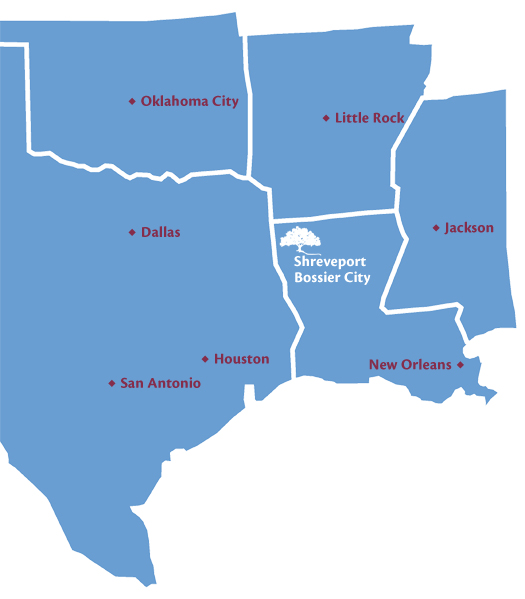
Texas, the second-largest state in the United States, presents a considerable challenge when defining a single “distance” to Louisiana. Its sheer size means that a drive from the western tip of Texas, near El Paso, to the easternmost part of Louisiana, such as Shreveport, is a journey of hundreds of miles. Conversely, a departure from a city in East Texas, like Beaumont, will bring you across the border into Louisiana in a matter of minutes.
The primary interstate highways connecting the two states are Interstate 10 (I-10), which runs east-west, and Interstate 49 (I-49), which connects Shreveport to New Orleans. These major arteries are the workhorses of cross-state travel, offering the most direct and efficient routes.
For a general understanding, consider these points:
-
East Texas to Louisiana: Cities like Houston, Beaumont, and Nacogdoches are very close to the Louisiana border. For example, the drive from Houston to Lake Charles, Louisiana, is approximately 150-170 miles and takes around 2.5 to 3 hours. This is a common route for those seeking the vibrant atmosphere of Southwest Louisiana.
-
North Texas to Louisiana: Cities such as Dallas and Fort Worth are further north. To reach Shreveport, Louisiana, from Dallas, the distance is roughly 180-200 miles, with a driving time of about 3 to 3.5 hours. This route is popular for accessing North Louisiana‘s attractions.
-
South Texas to Louisiana: From cities like San Antonio or Austin, the journey to Louisiana becomes more substantial. Reaching New Orleans from Austin involves a drive of approximately 550-600 miles, which translates to an 8 to 9-hour driving time, not including stops. This often necessitates an overnight stay, making it a more significant travel undertaking.
-
West Texas to Louisiana: Traveling from cities like San Angelo or Amarillo to Louisiana is a considerable distance. To reach New Orleans from San Angelo, you’re looking at over 700 miles and a driving time of 10-12 hours, almost certainly requiring an overnight stop.
The time estimates provided are for ideal driving conditions and do not account for potential traffic, construction delays, or the need for rest stops. It’s always advisable to check real-time traffic conditions before and during your journey.
Factors Influencing Travel Time
Beyond the raw mileage, several factors can significantly influence how long it takes to get from Texas to Louisiana:
-
Traffic: Major metropolitan areas in both states, such as Houston, Dallas, Austin, and New Orleans, can experience significant traffic congestion, especially during peak hours. Planning your departure to avoid rush hour can save you considerable time.
-
Road Conditions and Construction: While major interstates are generally well-maintained, unexpected road closures, construction zones, or detours can add to your travel time. Checking local traffic reports for both states before you depart is a wise precaution.
-
Border Crossings: While there are no formal border checkpoints between Texas and Louisiana, you will encounter state line signage. The transition is seamless, but it marks a shift in local culture, cuisine, and even driving styles.
-
Weather: Texas and Louisiana can experience a range of weather phenomena, from heavy rain and thunderstorms to fog, particularly in the coastal regions. Severe weather can lead to significant travel delays and should be monitored closely. Hurricane season, typically from June to November, can also impact travel plans along the Gulf Coast.
-
Stops and Breaks: A long drive is rarely done without stops. Factor in time for fuel, meals, and restroom breaks. If you’re making a multi-day journey, the length of these stops will naturally extend your overall travel time.
Popular Travel Routes and Destinations
The allure of Louisiana draws many travelers from Texas, with specific destinations often dictating the preferred routes. From the jazz-infused streets of New Orleans to the historic charm of Natchitoches, understanding the common pathways can help you visualize your trip.
Route 1: The Gulf Coast Gateway – Texas to New Orleans
This is perhaps the most popular route, connecting the major population centers of Texas with the iconic city of New Orleans. Travelers from Houston, Galveston, and other coastal Texas cities will predominantly use Interstate 10 East.
- Starting Point Example: Houston, Texas
- Destination: New Orleans, Louisiana
- Distance: Approximately 350 miles
- Estimated Driving Time: 5.5 to 6.5 hours (without significant traffic or long stops)
This route takes you through the heart of Southeast Texas and across the border into Louisiana. You’ll pass through cities like Beaumont in Texas and Lake Charles in Louisiana. Lake Charles is a great place to stop for a break, offering casinos, local seafood restaurants, and a taste of Cajun culture. As you continue east on I-10, you’ll eventually reach Baton Rouge, the capital of Louisiana, before arriving in New Orleans.
Exploring Along the Way: Attractions and Experiences
This route is rich with opportunities for exploration, catering to various interests:
- Coastal Charm: If starting from Galveston, you can enjoy the beaches and historic Strand district before heading inland towards Houston and then east.
- Cajun Country: As you enter Louisiana, towns like Lafayette are considered the heart of Cajun Country. A slight detour from I-10 can lead you to authentic Cajun restaurants, dance halls, and cultural experiences. Vermilionville in Lafayette offers a living history museum showcasing the Cajun and Creole way of life.
- Historic Sites: Baton Rouge boasts the impressive Louisiana State Capitol and the Old Louisiana Governor’s Mansion, offering a glimpse into the state’s political history.
- New Orleans Delights: Upon arrival in New Orleans, the possibilities are endless. Immerse yourself in the lively atmosphere of the French Quarter, enjoy live jazz music on Frenchmen Street, explore the historic cemeteries, and indulge in world-renowned Creole and Cajun cuisine. Consider a stay at renowned hotels like The Roosevelt New Orleans, A Waldorf Astoria Hotel or experience the historic grandeur of the Hotel Monteleone.
Route 2: The Northern Connection – Texas to Shreveport and Beyond
For those in North Texas, the gateway to Louisiana often lies in the northern parishes of the state, with Shreveport being a primary hub. This route is ideal for accessing North Louisiana‘s natural beauty and unique history.
- Starting Point Example: Dallas, Texas
- Destination: Shreveport, Louisiana
- Distance: Approximately 190 miles
- Estimated Driving Time: 3 to 3.5 hours
This route primarily utilizes U.S. Highway 79 or a combination of smaller highways and I-30 East before connecting to I-49 North towards Shreveport. The drive is generally scenic, passing through rolling hills and smaller towns.
Discovering North Louisiana
Shreveport and its surrounding areas offer a distinct Louisiana experience:
- Casinos and Entertainment: Shreveport is known for its vibrant casino scene along the Red River, offering gaming, dining, and entertainment.
- American Rose Center: A beautiful and expansive botanical garden featuring thousands of rose bushes, it’s a peaceful retreat, especially during blooming seasons.
- Historic Natchitoches: A short drive south of Shreveport on I-49 brings you to Natchitoches, the oldest permanent settlement in the Louisiana Purchase. This charming town is famous for its Cane River plantation homes, historic Front Street, and the sweet treat known as “Natchitoches meat pies.” Consider a stay at historic inns or bed and breakfasts to fully embrace the atmosphere.
- Caddo Lake State Park: Straddling the border of Texas and Louisiana, Caddo Lake is a mystical cypress swamp dotted with Spanish moss. It’s a prime location for kayaking, fishing, and wildlife viewing, offering a different kind of natural beauty than the coastal regions.
Route 3: The Long Haul – Central and West Texas to Louisiana
Travelers from cities like San Antonio, Austin, or even further west in Texas face a more extended journey to Louisiana. These routes often involve significant stretches of I-10 East and can be broken down into manageable segments with overnight stops.
- Starting Point Example: Austin, Texas
- Destination: New Orleans, Louisiana
- Distance: Approximately 570 miles
- Estimated Driving Time: 8.5 to 9.5 hours (without significant stops)
This route is best approached as a two-day trip. A common strategy is to drive about half the distance on the first day, stopping in a city like Houston or somewhere further east along I-10.
Planning an Extended Journey
When embarking on a longer drive, strategic planning is key:
- Overnight Stays: Consider booking a hotel in a mid-point city. Houston offers a vast array of accommodation options, from luxury suites at the Four Seasons Hotel Houston to budget-friendly stays. Lake Charles, Louisiana, is another convenient stopping point with numerous hotels and resorts.
- Exploring Texas Cities: If you have extra time, Houston provides numerous attractions, including the Space Center Houston, the Museum District, and diverse culinary scenes.
- Appreciating the Transition: As you drive further east, the landscape gradually changes, transitioning from the rolling plains of Central Texas to the piney woods of East Texas and eventually the bayous and swamps of Louisiana. This gradual shift is part of the travel experience.
- Louisiana’s Inland Gems: Beyond New Orleans, towns like Lafayette offer a deep dive into Cajun culture, renowned for its music, food, and festivals. Further north, cities like Alexandria provide access to historical sites and natural landscapes.
Accommodation and Lifestyle Considerations
Choosing where to stay and how to travel in Louisiana from Texas depends heavily on your budget, the type of experience you seek, and your lifestyle preferences. The website’s focus on diverse travel styles ensures there’s something for everyone.
Finding Your Perfect Stay
Louisiana offers a wide spectrum of accommodation, from opulent resorts to charming boutique hotels and practical apartments.
- Luxury Resorts and Hotels: For those seeking a pampered experience, New Orleans boasts world-class hotels like the Windsor Court Hotel or The Ritz-Carlton, New Orleans, offering exquisite amenities and impeccable service. Many resorts also feature spas, fine dining, and stunning views.
- Boutique Hotels and Bed & Breakfasts: For a more intimate and unique stay, consider the numerous boutique hotels and charming bed and breakfasts, particularly in historic districts like the French Quarter or in towns like Natchitoches. These often provide a glimpse into local architecture and history.
- Apartments and Villas: For longer stays or families, renting an apartment or villa can offer more space, privacy, and the convenience of a kitchen. Websites and booking platforms often list these options in major cities and tourist destinations.
- Budget-Friendly Options: Numerous chain hotels and motels are available across Louisiana, offering comfortable and affordable lodging for budget-conscious travelers.

Tailoring Your Louisiana Experience
Whether you’re embarking on a luxurious getaway, a family vacation, or a solo adventure, Louisiana caters to all:
- Luxury Travel: Indulge in fine dining, upscale shopping, and premium experiences. Think private swamp tours, gourmet Creole cooking classes, and stays in five-star accommodations.
- Budget Travel: Embrace the vibrant street life, enjoy delicious and affordable local eateries, and explore free attractions like parks and historic neighborhoods. Public transportation in New Orleans can also be a cost-effective way to get around.
- Family Trips: Louisiana offers engaging activities for all ages. New Orleans has the Audubon Aquarium of the Americas and the Children’s Museum. Beyond the city, consider swamp tours suitable for families, visiting historical plantations, or enjoying the natural beauty of state parks.
- Business Stays: Major cities like New Orleans, Baton Rouge, and Shreveport have excellent business hotels with conference facilities and amenities catering to corporate travelers.
Ultimately, the distance from Texas to Louisiana is not just a number; it’s an invitation to explore the rich cultural tapestry that bridges these two distinct yet harmonious states. Each mile traveled brings you closer to unique flavors, captivating histories, and unforgettable experiences.
LifeOutOfTheBox is a participant in the Amazon Services LLC Associates Program, an affiliate advertising program designed to provide a means for sites to earn advertising fees by advertising and linking to Amazon.com. Amazon, the Amazon logo, AmazonSupply, and the AmazonSupply logo are trademarks of Amazon.com, Inc. or its affiliates. As an Amazon Associate we earn affiliate commissions from qualifying purchases.