
The pursuit of a fulfilling career often leads individuals to consider the noble profession of teaching. For those drawn to the heart of the Southern United States, particularly the vibrant state of Louisiana, understanding the financial landscape of educators is a crucial step in their career exploration. This comprehensive guide delves into the intricacies of teacher salaries in Louisiana, examining the factors that influence earning potential and providing insights relevant to aspiring and current educators alike. Whether you are dreaming of exploring the charming historic districts of New Orleans, experiencing the unique culinary scene in Baton Rouge, or immersing yourself in the rich cultural tapestry of Shreveport, knowing your potential income as a teacher in the Pelican State can help shape your relocation or career advancement plans.
Understanding Teacher Salary in Louisiana: A Multifaceted Equation
The question of “How much do teachers make in Louisiana?” is not met with a single, simple answer. Instead, it’s a complex calculation influenced by a variety of interconnected elements, much like planning a perfect getaway to the Bayou State. From the specific district a teacher serves to their years of experience and educational qualifications, each component plays a role in shaping their annual earnings. This section will unpack these key determinants, offering a clear picture of the salary structure for educators across Louisiana.
Factors Influencing Teacher Salaries
The base salary for a teacher in Louisiana is often determined by a district’s salary schedule. These schedules are typically structured to reward experience and advanced education.
-
Experience: Generally, the more years a teacher has dedicated to the profession, the higher their salary will be. This reflects a proven track record, accumulated expertise, and a deeper understanding of pedagogical strategies. Entry-level teachers will naturally earn less than seasoned veterans with decades of service. For instance, a first-year teacher in a smaller, rural district might start with a salary significantly lower than a teacher with 15 years of experience in a more affluent suburban district.
-
Education Level: Teachers who possess advanced degrees, such as a Master’s degree or a Doctorate, often command higher salaries than those with only a Bachelor’s degree. Many districts offer salary increments for these higher qualifications, recognizing the additional knowledge, research skills, and specialized training that come with advanced study. This can be a significant factor for teachers looking to maximize their earning potential over their career.
-
District Funding and Location: The financial health of a school district is a paramount factor. Districts in areas with a strong tax base or those that receive more state and federal funding can generally afford to offer more competitive salaries. This often means that teachers in more urban or suburban areas, such as those surrounding New Orleans or Baton Rouge, may see higher salary offers compared to those in more rural or economically challenged parts of the state. The cost of living in these different regions also plays a role, with higher salaries in some areas intended to offset higher housing and general living expenses. For example, a teacher working in a highly sought-after tourist destination like the French Quarter might find salary expectations differ from those in a less visited rural parish.
-
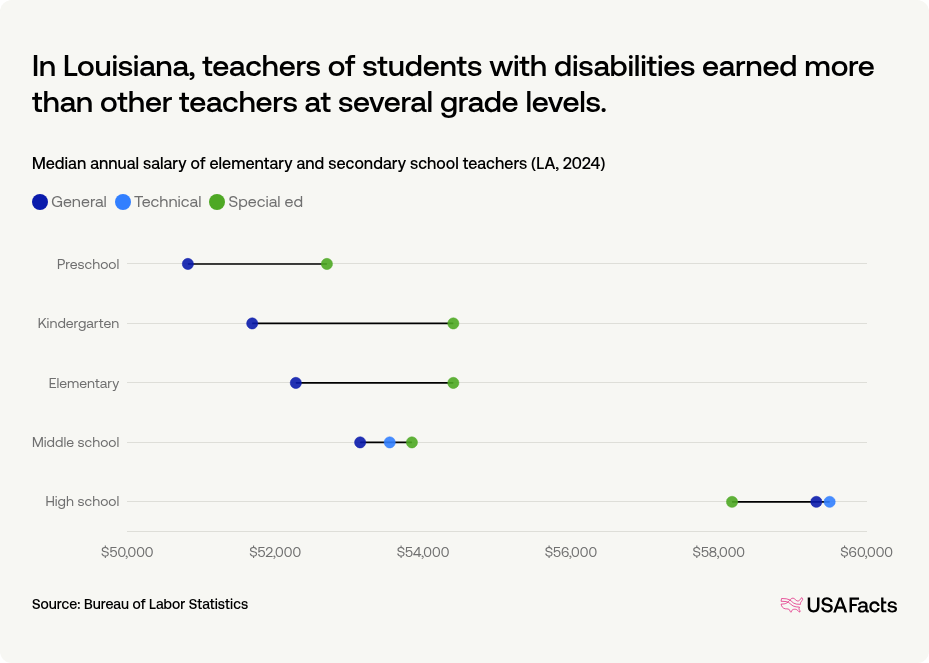
Subject Area and Demand: In some cases, teachers in high-demand subject areas, such as STEM fields (Science, Technology, Engineering, and Mathematics) or special education, may receive slightly higher salaries or bonuses. This is a common practice to attract and retain qualified educators in areas where there is a critical shortage of teachers.
-
Additional Duties and Extracurriculars: Beyond their core teaching responsibilities, many Louisiana teachers take on additional roles. These can include coaching sports teams, advising clubs, heading up departments, or participating in curriculum development committees. These extra duties often come with stipends, which can add a considerable amount to a teacher’s overall annual income. Imagine a history teacher in Natchitoches who also coaches the football team – their total compensation would be higher than a colleague who only teaches.
Average Teacher Salaries in Louisiana
While exact figures can fluctuate annually and vary by district, understanding the average salary provides a useful benchmark. According to data from the National Education Association (NEA) and other educational reporting bodies, the average teacher salary in Louisiana has historically been below the national average. However, recent efforts and reforms have aimed to improve this.
-
Starting Salaries: Entry-level teachers in Louisiana can expect to begin their careers with salaries typically ranging from the high $30,000s to the mid-$40,000s. This figure can be higher in better-funded districts.
-
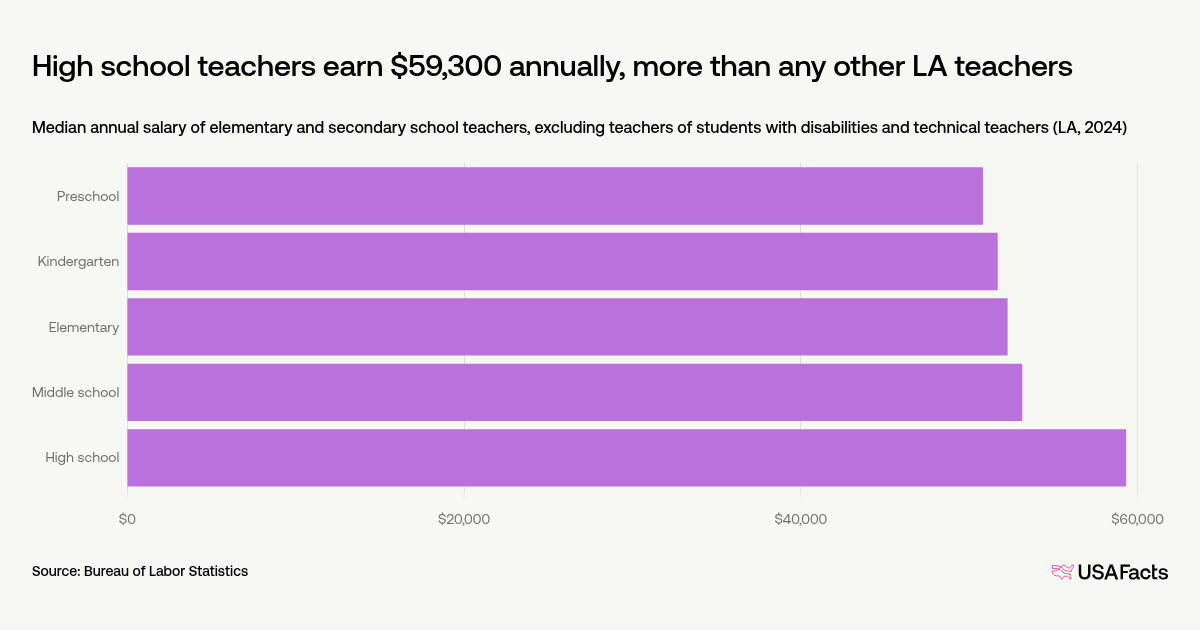
Mid-Career Salaries: With several years of experience and potentially a Master’s degree, teachers can see their salaries rise into the $50,000s and even approach $60,000 or more.
-
Experienced Teachers: Highly experienced educators, those with 20+ years of service and advanced degrees, can earn salaries in the $60,000s and occasionally exceed $70,000, particularly in well-compensated districts or those with significant supplemental pay.
It’s important to note that these are averages. A teacher in a top-tier district in the New Orleans metropolitan area might earn significantly more than a teacher with similar experience in a more remote rural parish. Conversely, areas experiencing economic hardship might offer lower starting points. For someone considering teaching in Louisiana, researching specific district salary schedules is highly recommended.
Exploring Salary Variations Across Louisiana’s Diverse Regions
Louisiana is a state of striking contrasts, from the bustling urban centers to the tranquil, scenic bayous. These regional differences are not just cultural and geographical; they often translate into variations in teacher salaries. Understanding these regional nuances is key for anyone considering a teaching career in the Magnolia State, whether they are drawn to the historic charm of St. Augustine or the vibrant music scene of New Orleans.
Urban vs. Rural Compensation
-
Urban and Suburban Districts: Generally, school districts in or near major metropolitan areas like New Orleans, Baton Rouge, Shreveport, and the Lafayette metropolitan area tend to offer higher average salaries. These areas often have a larger tax base, attract more experienced teachers, and may face greater competition for qualified educators, driving up compensation. The presence of renowned institutions like Tulane University in New Orleans can also influence the overall educational landscape and salary expectations.
-
Rural Districts: Teachers in more rural parts of Louisiana, while often experiencing a strong sense of community and a unique lifestyle, may find themselves earning less on average. These districts often have smaller tax bases and may struggle to attract and retain teachers, sometimes relying on incentives or housing assistance to fill positions. However, the cost of living in these areas is typically lower, which can help to offset the difference in salary. For instance, a teacher living in a quiet town in the Acadiana region might find their earnings stretch further than a teacher earning slightly more in a pricier urban setting.
Impact of Tourism and Economic Factors
The economic landscape of different regions within Louisiana can also indirectly affect teacher salaries. Areas with robust tourism, like those surrounding the French Quarter in New Orleans or the historic plantations along the Mississippi River, might have a stronger local economy. While direct funding for schools might not always correlate perfectly with tourism revenue, a generally prosperous region can sometimes translate to better-funded school districts. Conversely, areas heavily reliant on industries that experience economic downturns might see tighter school budgets and, consequently, lower teacher salaries.
When considering where to teach in Louisiana, prospective educators should research the specific school districts within their desired region. Websites of the Louisiana Department of Education and individual school district sites often publish salary schedules and offer insights into local economic conditions that might influence compensation.
Benefits and Perks Beyond the Paycheck
While understanding the salary is paramount, a teacher’s compensation package in Louisiana often extends beyond their base salary. A comprehensive benefits package can significantly enhance the overall financial well-being and lifestyle of an educator, much like discovering hidden gems and exclusive amenities when booking a dream vacation. These benefits can include health insurance, retirement plans, and opportunities for professional development, which contribute to a secure and rewarding career.
Health Insurance and Retirement
-
Health Insurance: Most Louisiana school districts offer health insurance plans to their employees, which typically include medical, dental, and vision coverage. The specifics of these plans vary from district to district, including the cost of premiums, deductibles, and the extent of coverage. A good health insurance plan can save teachers thousands of dollars annually in out-of-pocket medical expenses.
-
Retirement Plans: Louisiana teachers are typically enrolled in the Louisiana Teachers Retirement System (TRSL). This is a defined benefit pension plan, which means that upon retirement, teachers receive a guaranteed monthly payment based on their years of service and final average salary. This provides a significant degree of financial security for educators in their later years. Many plans also offer opportunities for early retirement and other retirement planning resources.

Professional Development and Other Incentives
-
Professional Development: School districts in Louisiana often provide opportunities for ongoing professional development, including workshops, conferences, and tuition reimbursement programs for advanced degrees. These opportunities not only help teachers to enhance their skills and stay current with educational best practices but can also lead to salary increases as they gain further qualifications.
-
Loan Forgiveness Programs: For teachers working in high-need areas or teaching critical subject matter, there may be federal or state loan forgiveness programs available. These programs can help to alleviate the burden of student loan debt, making teaching a more financially attractive career option.
-
Incentive Programs: Some districts may offer signing bonuses for hard-to-fill positions, performance-based bonuses, or stipends for taking on leadership roles. While not universally available, these incentives can provide a welcome boost to a teacher’s income.
When evaluating a teaching position in Louisiana, it is essential to look beyond the stated salary and consider the full value of the benefits package. This holistic view will provide a more accurate understanding of the overall compensation and the long-term financial security offered by the profession. For those who dream of living and working in places like the charming historic towns of St. Francisville or the vibrant music scene of New Orleans, understanding these benefits can make the decision to pursue a teaching career in Louisiana even more appealing.
LifeOutOfTheBox is a participant in the Amazon Services LLC Associates Program, an affiliate advertising program designed to provide a means for sites to earn advertising fees by advertising and linking to Amazon.com. Amazon, the Amazon logo, AmazonSupply, and the AmazonSupply logo are trademarks of Amazon.com, Inc. or its affiliates. As an Amazon Associate we earn affiliate commissions from qualifying purchases.