
Navigating the process of applying for disability benefits in Louisiana can feel overwhelming, especially when you are dealing with health challenges that impact your ability to work. Whether you are considering a trip to explore the vibrant culture of New Orleans or planning a relaxing stay at a resort along the Gulf Coast, understanding your rights and the available support systems is crucial. This guide aims to demystify the application process for disability benefits in the Pelican State, offering insights into eligibility, the application itself, and what to expect along the way. While the subject might seem distant from the joys of travel and luxury accommodations, securing financial stability through disability benefits can provide the peace of mind needed to fully enjoy life’s experiences, from exploring Louisiana’s historic landmarks to enjoying local cuisine.
The primary federal programs providing disability benefits are administered by the Social Security Administration (SSA). These are the Social Security Disability Insurance (SSDI) program and the Supplemental Security Income (SSI) program. While both programs are designed to assist individuals who are unable to work due to a medical condition, they have different eligibility requirements based on work history and income. Understanding these distinctions is the first step in successfully applying for benefits in Louisiana.
Understanding Eligibility for Disability Benefits in Louisiana
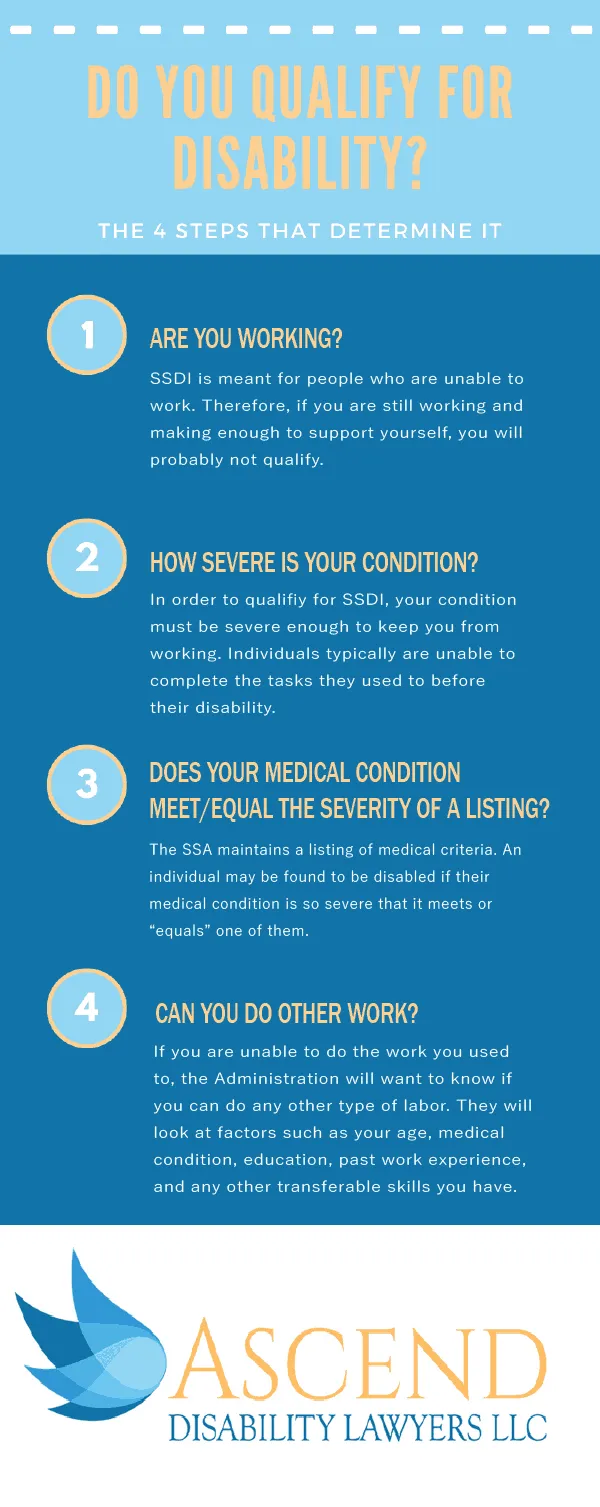
To qualify for disability benefits in Louisiana, you must meet specific medical and non-medical criteria. The SSA defines disability as a medically determinable physical or mental impairment that has lasted or is expected to last for at least 12 months, or to result in death, and prevents you from engaging in any substantial gainful activity. This is a high bar, and the SSA meticulously reviews medical evidence to make this determination.
Social Security Disability Insurance (SSDI)
SSDI is an insurance program. To be eligible, you must have a work history and have paid Social Security taxes for a sufficient number of years. This is often referred to as having enough “work credits.” The number of work credits required depends on your age at the time you become disabled. Generally, you need 40 work credits, with 20 earned in the last 10 years ending in the year you become disabled. If you are younger, you may need fewer credits. The benefits you receive under SSDI are based on your average lifetime earnings. This program is beneficial for individuals who have a consistent work history and have contributed to the Social Security system.
Supplemental Security Income (SSI)
SSI is a needs-based program, meaning it is for individuals with limited income and resources. You do not need a work history to qualify for SSI. This program is particularly important for children with disabilities and adults who have not worked enough to qualify for SSDI. The SSI program provides a basic monthly income to help cover essential needs like food, clothing, and shelter. Eligibility for SSI is determined by both medical and financial criteria. The SSA has strict limits on the value of assets you can own and the amount of income you can receive to qualify for SSI.
Medical Criteria for Disability
Regardless of which program you are applying for, you must meet the SSA’s definition of disability. This involves having a severe impairment that meets or is medically equivalent to one of the conditions listed in the SSA’s “Listing of Impairments,” also known as the “Blue Book.” These listings cover a wide range of physical and mental conditions. If your condition does not precisely match a listing, the SSA will consider whether it is medically equivalent to a listed impairment.
The SSA will review your medical records, including doctor’s notes, test results, and treatment history, to assess the severity of your condition. They may also require you to attend a consultative examination (CE) performed by a doctor chosen and paid for by the SSA. It is crucial to be thorough and honest in providing all medical information. Remember, the goal is to demonstrate how your medical condition prevents you from performing your past work or any other substantial gainful activity.
The Disability Application Process in Louisiana
Applying for disability benefits can be a lengthy and complex process. It requires careful attention to detail and persistence. Knowing the steps involved can help you prepare and manage your expectations.
Gathering Necessary Information and Documents
Before you begin your application, it is essential to gather all the necessary information and documents. This includes:

- Personal Information: Your Social Security number, date of birth, and contact information.
- Medical Information: A complete list of all doctors, hospitals, and clinics you have visited, along with the dates of treatment. You will also need information about your medical conditions, diagnoses, medications, and treatments. Bring prescription numbers and dosages if you have them.
- Work History: Details about your past jobs, including job titles, duties, dates of employment, and earnings. The SSA needs to understand your physical and mental capacities in previous roles.
- Educational Background: Information about your schooling and any special training you have received.
- Other Income and Resources: If applying for SSI, you will need to provide details about your income, savings, and any other assets.
Having this information readily available will make the application process smoother and more efficient. It also ensures that you don’t miss any critical details that could affect your claim.
Filing Your Application
You can file your disability application in Louisiana in several ways:
- Online: The SSA offers an online application for disability benefits, which is often the most convenient option. You can access it through the SSA website.
- By Phone: You can call the SSA at 1-800-772-1213 to schedule an appointment or to have them mail you an application.
- In Person: You can visit your local Social Security Administration office to file an application. It is advisable to call ahead to schedule an appointment to avoid long wait times.
The application itself will ask detailed questions about your medical condition, your work history, and your daily activities. Be as accurate and complete as possible. Inaccurate or incomplete information can lead to delays or denial of your claim.
The Role of the Disability Determination Services (DDS)
Once you submit your application, it will be sent to the Disability Determination Services (DDS) agency in Louisiana. DDS is a state agency that works with the SSA to evaluate your medical condition and determine if you meet the criteria for disability. DDS representatives will gather your medical records and may arrange for you to have a consultative examination. They will then make a recommendation to the SSA, who makes the final decision on your claim.
The DDS review process typically involves several stages. They will examine your medical evidence, consider your age, education, and work experience, and assess your residual functional capacity (RFC) – what you can still do despite your impairments. This is a critical part of the evaluation, and it’s vital that your medical records clearly articulate your limitations.
Navigating the Appeals Process
It is not uncommon for initial disability applications to be denied. If your claim is denied, do not lose hope. The SSA provides a multi-step appeals process that allows you to challenge their decision. It is crucial to understand these steps and to act promptly, as there are strict deadlines for filing appeals.
The Appeals Steps
- Reconsideration: This is the first level of appeal. You request that the SSA review your claim again, often with new evidence. A different claims examiner will review your case.
- Hearing by an Administrative Law Judge (ALJ): If your reconsideration is denied, you can request a hearing before an Administrative Law Judge. This is your opportunity to present your case in person, often with the assistance of legal counsel. Many claimants are approved at this stage.
- Review by the Appeals Council: If the ALJ denies your claim, you can request a review by the Appeals Council. The Appeals Council looks for errors of law or procedure and will either decide the case itself or send it back to an ALJ for a new hearing.
- Federal Court Review: If the Appeals Council denies your claim or refuses to review it, your final option is to file a lawsuit in federal district court.
Seeking Assistance During the Appeals Process
The appeals process can be complex, and many people find it beneficial to seek assistance. Disability advocates or attorneys specialize in Social Security disability law and can provide invaluable support. They can help you gather evidence, represent you at hearings, and navigate the intricacies of the appeals process. While the thought of securing benefits may seem challenging, especially when considering how it might impact your ability to enjoy leisure activities like a stay at a boutique hotel in the French Quarter or an adventure through the Atchafalaya Basin, understanding and pursuing your disability claim is a fundamental step towards ensuring financial security and the ability to maintain a good quality of life.
Securing disability benefits in Louisiana is a journey that requires patience, perseverance, and a clear understanding of the process. By thoroughly understanding the eligibility requirements, carefully preparing your application, and being prepared to navigate the appeals process if necessary, you can increase your chances of a successful outcome. This financial stability can then pave the way for you to enjoy all that Louisiana has to offer, from its vibrant festivals to its serene natural beauty.
LifeOutOfTheBox is a participant in the Amazon Services LLC Associates Program, an affiliate advertising program designed to provide a means for sites to earn advertising fees by advertising and linking to Amazon.com. Amazon, the Amazon logo, AmazonSupply, and the AmazonSupply logo are trademarks of Amazon.com, Inc. or its affiliates. As an Amazon Associate we earn affiliate commissions from qualifying purchases.