
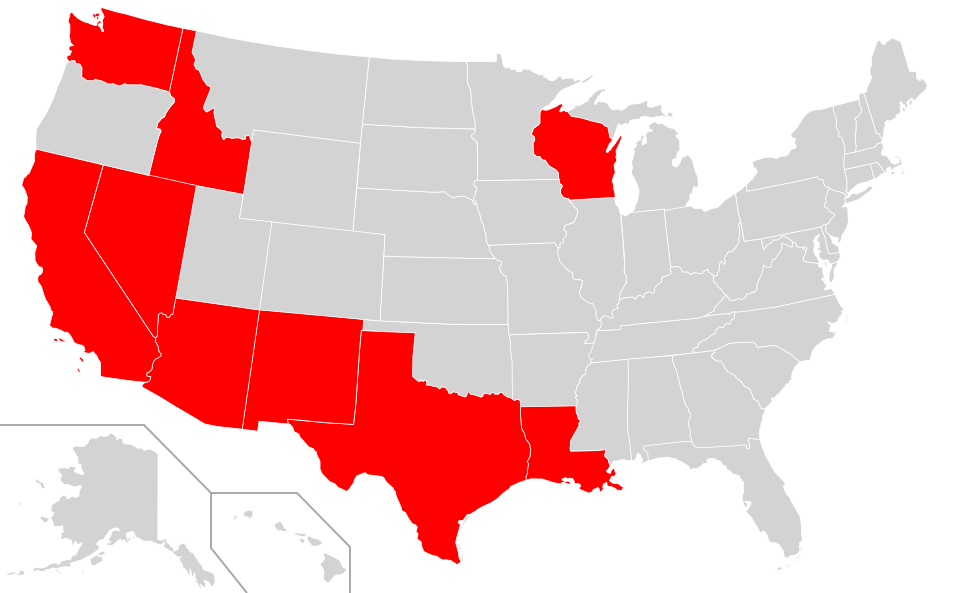
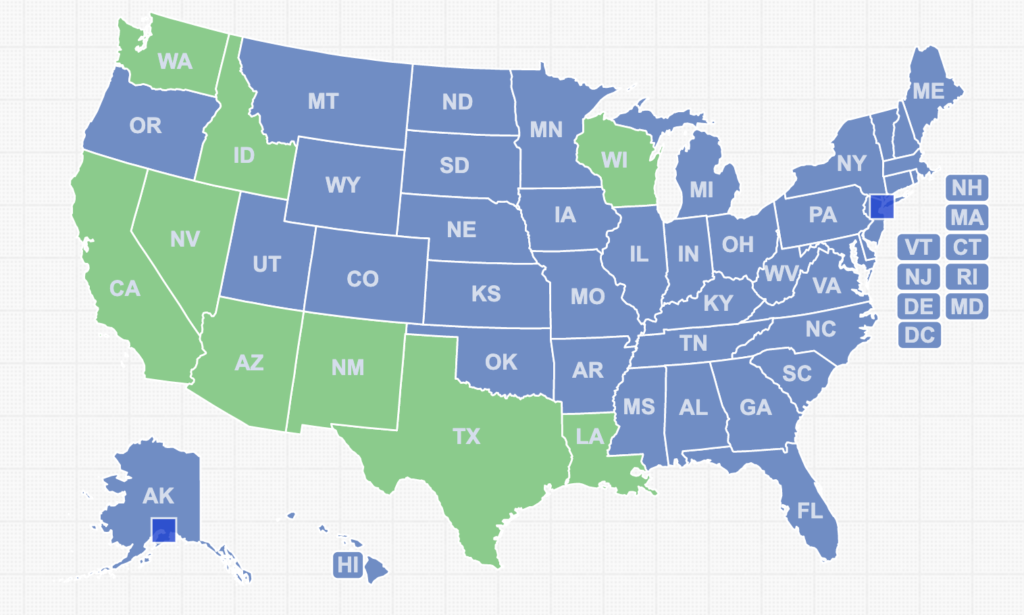
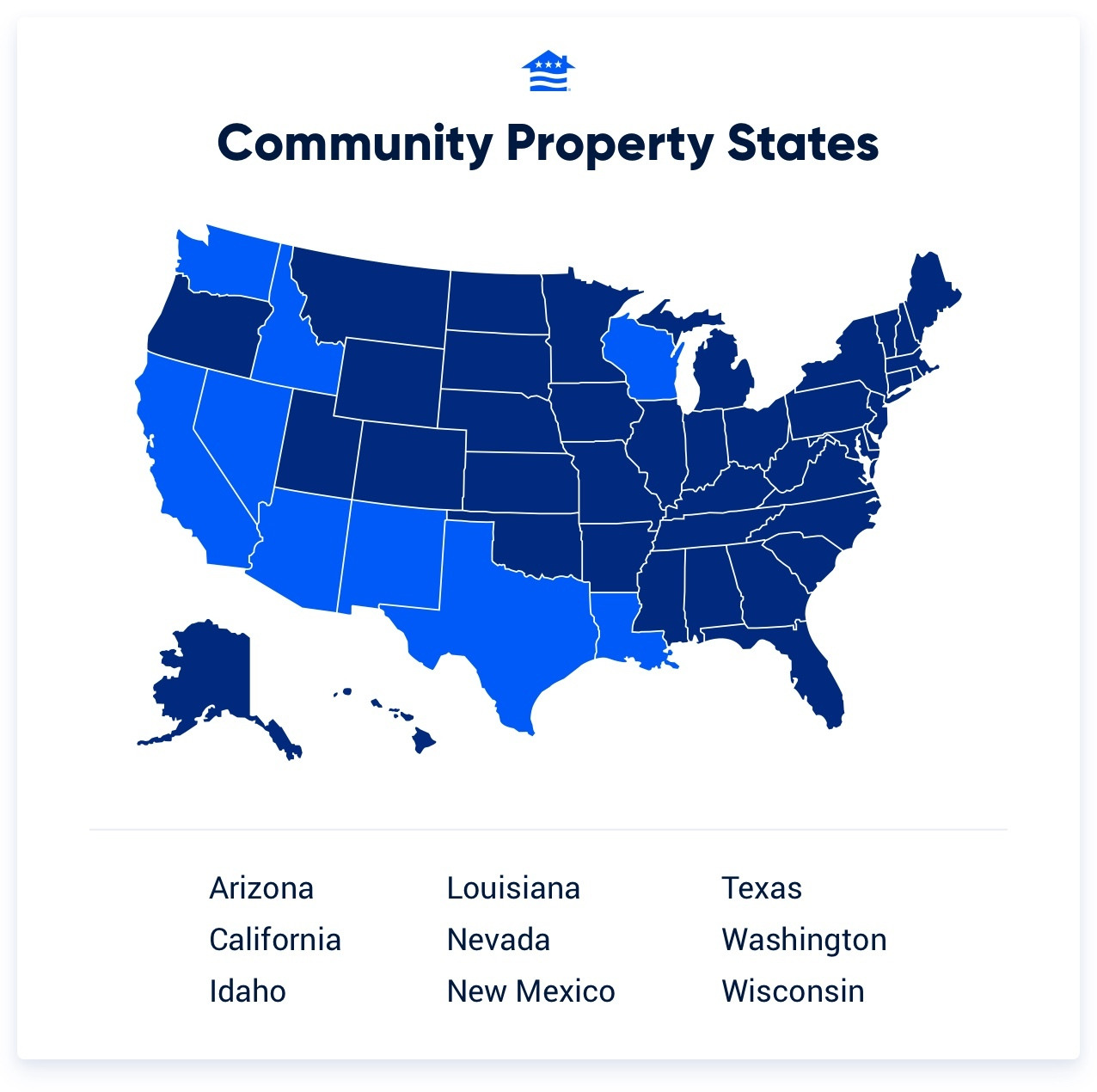
The question of whether Louisiana is a community property state is a crucial one, not just for legal scholars but for anyone considering marriage, divorce, or estate planning within its unique legal framework. Unlike the majority of states in the United States, which follow common law principles regarding marital property, Louisiana adheres to a system rooted in civil law, a direct descendant of the French and Spanish legal traditions. This distinction has significant implications for how assets and debts are owned and divided during a marriage and upon its dissolution.
This article will delve into the intricacies of Louisiana’s community property system. We’ll explore its historical origins, define what community property entails, and contrast it with separate property. Furthermore, we will discuss how this system impacts married couples, including considerations for prenuptial agreements and the division of assets during divorce. Understanding these concepts is vital for residents and those planning to establish a life in the Pelican State, whether for its vibrant culture, delectable cuisine, or picturesque landscapes.
Understanding the Foundations of Louisiana’s Community Property System
The legal landscape of Louisiana is a fascinating blend of common law influences and a strong adherence to its civil law heritage. This unique legal tradition, primarily shaped by its colonial past under French and Spanish rule, is most evident in its distinctive approach to marital property. Unlike the 40 states that operate under a common law system, where property acquired during a marriage is generally presumed to belong to the spouse who earned it or to whom it was gifted, Louisiana embraces the concept of community property.
Historical Roots and Civil Law Influence
The origins of Louisiana’s community property system can be traced back to the Napoleonic Code, which heavily influenced French colonial law. When France established its claim over the vast territory of Louisiana, it brought with it its legal framework. Similarly, the period of Spanish rule further solidified and adapted these civil law traditions. Even after becoming a U.S. state, Louisiana retained its civil law heritage, making it a legal outlier in an otherwise common law nation. This commitment to civil law means that many legal concepts, including those related to property, are interpreted and applied differently than in other states.
The core principle of the community property system is the idea that a marriage is an economic partnership. During the marriage, most assets and debts acquired by either spouse are considered to be jointly owned by both spouses, regardless of who earned the money to purchase them or whose name is on the title. This concept is fundamental to understanding how property is managed and divided in Louisiana.
Defining Community Property vs. Separate Property
In Louisiana, property is broadly categorized into two types: community property and separate property. This distinction is paramount, especially in the event of divorce or the death of a spouse.
Community Property
Community property generally includes all property acquired by married couples during the marriage. This encompasses a wide range of assets, such as:
- Wages and Salaries: Income earned by either spouse from employment or self-employment.
- Real Estate: Homes, land, or other properties purchased with funds earned during the marriage.
- Personal Property: Vehicles, furniture, investments, bank accounts, and other possessions acquired during the marriage.
- Debts: Debts incurred by either spouse during the marriage are also typically considered community debts.
The fundamental principle is that if property is acquired during the marriage, it is presumed to be community property unless proven otherwise. Both spouses have equal ownership and control over community property. This shared ownership extends to the management and disposition of community assets.
Separate Property
Conversely, separate property is owned by a spouse individually and is not subject to the community property rules. Separate property includes:
- Property Owned Before Marriage: Any assets or debts that a spouse owned before entering into the marriage are considered their separate property.
- Property Acquired During Marriage by Gift or Inheritance: Assets received by one spouse as a gift or through inheritance during the marriage are generally considered separate property.
- Damages for Personal Injuries: Compensation received for personal injuries, excluding lost wages that would have been community property.
- Property Acquired After Termination of the Marital Community: Assets acquired after a legal separation or divorce.
It is crucial to maintain clear records and demonstrate the origin of separate property, especially if it is commingled with community property. For instance, if separate funds are used to purchase an asset during the marriage, it can become complex to prove its separate nature without proper documentation.
Implications for Married Couples in Louisiana
The community property system in Louisiana has profound implications for married couples, influencing everything from daily financial management to long-term estate planning. Understanding these implications is essential for ensuring financial harmony and clarity within the marital union.
Management and Control of Community Property
During the marriage, both spouses have equal management and control over community property. This means that neither spouse can unilaterally sell, mortgage, or otherwise dispose of significant community assets without the consent of the other. For example, selling a family home or a jointly owned vehicle would typically require both spouses’ signatures. This shared control is designed to protect both partners’ interests in the marital estate.
However, there are nuances. For instance, a spouse who is engaged in a business may have primary management over that business’s assets, even if they are community property, subject to certain reporting and notification requirements to the other spouse.
Prenuptial and Postnuptial Agreements
Recognizing that the default community property rules may not suit everyone’s circumstances, Louisiana law allows married couples to enter into prenuptial (before marriage) and postnuptial (during marriage) agreements. These agreements, often referred to as matrimonial agreements, provide couples with the flexibility to modify or opt out of certain community property provisions.
With proper legal counsel, couples can define what will be considered separate property, how community property will be managed, and how assets will be divided in the event of divorce or death. These agreements must be entered into voluntarily and with full disclosure of each party’s financial situation to be considered valid. They are a powerful tool for couples who wish to establish clear financial boundaries and expectations within their marriage, whether they are business owners, have significant pre-marital assets, or are planning for future inheritances.
Divorce and Division of Community Property
The community property system significantly impacts the process of divorce in Louisiana. Upon the dissolution of a marriage, the community property is subject to division between the spouses. The law presumes an equal division of community assets and debts. This means that, ideally, each spouse receives half of the net value of the community estate.
The division process can be straightforward if the couple can agree on how to divide their assets and debts. However, if disagreements arise, a court will intervene to make the division. This often involves valuing all community assets and debts, and then allocating them equitably between the spouses. An equitable division does not always mean a precise 50/50 split; courts may consider various factors, such as the fault of one spouse in the breakup of the marriage, the needs of children, or contributions to the marriage beyond financial ones.
It is important to note that separate property is not subject to division in a divorce; it remains with the spouse who owns it. The complexity of divorce proceedings often hinges on accurately identifying and valuing both community and separate property.
Navigating Louisiana’s Legal Landscape for Travelers and Residents
For those who visit or choose to live in Louisiana, understanding its community property laws, even at a basic level, can prevent future complications. Whether you are planning a romantic getaway to the charming streets of New Orleans or considering a permanent move to enjoy the state’s rich history and vibrant culture, awareness of these legal distinctions is beneficial.
Practical Considerations for Visitors
While the community property laws primarily affect residents and those contemplating marriage or divorce, visitors might encounter situations where such knowledge is indirectly relevant. For instance, if a couple jointly purchases property in Louisiana as an investment during their vacation or considers a long-term accommodation rental, understanding the ownership implications can be useful.
For travelers seeking accommodation, from luxurious resorts in Baton Rouge to cozy apartments in Shreveport, the legal status of property ownership within the state is unlikely to directly impact their booking experience. However, for individuals making significant financial commitments or considering establishing residency, a deeper understanding is warranted.
Long-Term Stays and Residency
Individuals planning long-term stays or considering establishing residency in Louisiana should proactively consult with legal professionals specializing in family law and estate planning. This is particularly crucial if you are married, planning to marry, or have significant assets.
- Marriage: If you are marrying a resident of Louisiana, or if you are a Louisiana resident marrying someone from another state, it is highly advisable to discuss marital property agreements. This proactive step can clarify ownership and prevent future disputes.
- Divorce: For couples contemplating or undergoing divorce, understanding the precise definition and valuation of community and separate property is paramount. Legal counsel will guide you through the division process, ensuring your rights are protected.
- Estate Planning: In the event of a spouse’s death, community property laws dictate how assets are distributed. Proper estate planning, including wills and potentially trusts, can ensure your assets are distributed according to your wishes, while respecting the community property framework.
The unique legal heritage of Louisiana offers a distinct approach to marital property. By understanding the fundamentals of its community property system, residents and visitors alike can navigate its legal landscape with greater confidence and clarity, whether they are exploring its historic landmarks like the French Quarter or simply seeking to understand the framework of life within this captivating state.
LifeOutOfTheBox is a participant in the Amazon Services LLC Associates Program, an affiliate advertising program designed to provide a means for sites to earn advertising fees by advertising and linking to Amazon.com. Amazon, the Amazon logo, AmazonSupply, and the AmazonSupply logo are trademarks of Amazon.com, Inc. or its affiliates. As an Amazon Associate we earn affiliate commissions from qualifying purchases.