
The question of “What time is it in Louisiana USA?” might seem straightforward, but it opens a gateway to understanding a state steeped in rich history, vibrant culture, and diverse landscapes. Beyond the ticking of the clock, discovering Louisiana means delving into its unique temporal rhythm, a blend of its geographical positioning and its spirited way of life. Whether you’re planning a getaway to the charming streets of New Orleans, exploring the bayous of the Atchafalaya Basin, or embarking on a culinary adventure through Acadiana, understanding the local time is just the first step in appreciating the full spectrum of experiences this captivating United States state has to offer.
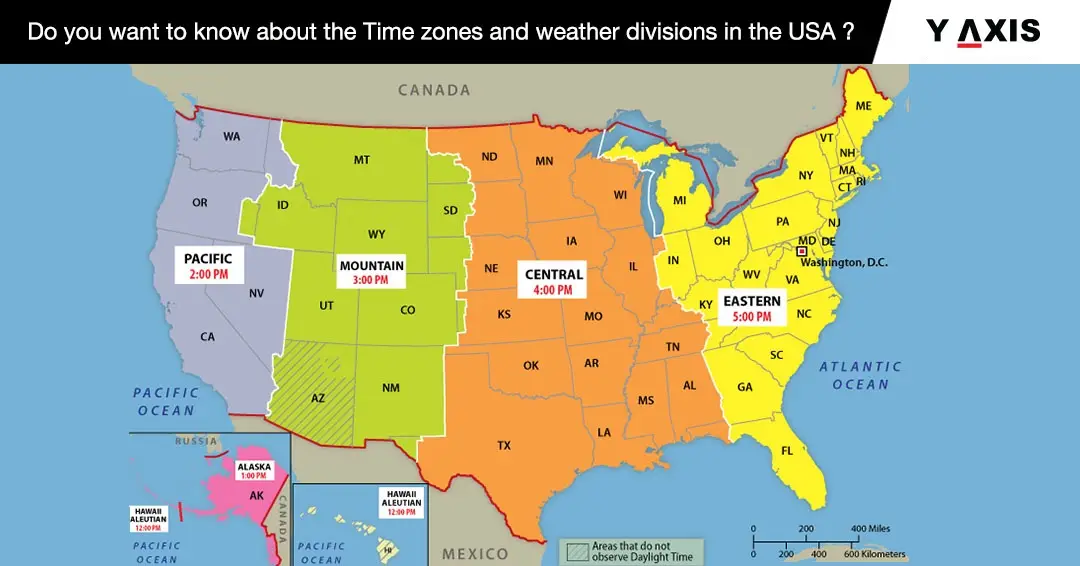
Louisiana’s temporal identity is intrinsically linked to its geographical location within the North American continent, specifically its position within the Central Time Zone. This zone dictates the official time across the state, aligning it with a vast swathe of the central United States. However, the significance of time in Louisiana extends far beyond mere chronological markers. It is woven into the fabric of its daily life, its historical narratives, and the very essence of its appeal to travelers.
Navigating Time Zones and Daylight Saving in Louisiana
Understanding the official time in Louisiana requires a look at the Central Time Zone (CT). During standard time, this zone is observed as Central Standard Time (CST), which is UTC-6. This means that when it is noon UTC, it is 6:00 AM in Louisiana. However, like most of the United States, Louisiana observes Daylight Saving Time (DST).
Daylight Saving Time: A Seasonal Shift
When Daylight Saving Time is in effect, typically from the second Sunday in March to the first Sunday in November, the clocks in Louisiana are moved forward by one hour. During this period, the state observes Central Daylight Time (CDT), which is UTC-5. This shift ensures that daylight hours are maximized during the warmer, longer months, a practical consideration for a state that often experiences warm weather and outdoor activities for a significant portion of the year.
It is crucial for travelers to be aware of this shift, especially when planning flights, booking accommodations, or arranging meetings. Arriving in Louisiana during a Daylight Saving Time change can lead to confusion if not accounted for. For instance, if you are traveling from a region that does not observe Daylight Saving Time, or observes it on different dates, you will need to adjust your understanding of the local time accordingly. This temporal adjustment is a common aspect of travel across the United States and other parts of the world that implement DST.
The practical implications of this time difference are manifold. For business travelers, it impacts meeting schedules and communication with offices in other time zones. For tourists, it affects the timing of excursions, dining reservations, and the scheduling of visits to attractions like the historic French Quarter in New Orleans or the unique Oak Alley Plantation. Ensuring you are on the correct time not only prevents missed appointments but also allows for a more seamless and enjoyable experience of the state’s offerings.
The Central Time Zone: A Geographical Marker
The Central Time Zone spans a considerable geographical area, encompassing parts of 20 United States states. Louisiana’s inclusion within this zone places it alongside other prominent locations like Chicago, Dallas, and Minneapolis. This broad geographical coverage means that the temporal experiences of many Americans are synchronized with Louisiana’s clock.
The decision to adhere to the Central Time Zone is a historical and logistical one, reflecting the state’s position within the nation’s framework. While there are no specific anomalies within Louisiana regarding time zone adherence, understanding its placement within the CT helps contextualize its daily rhythm and its interaction with the rest of the country.
Louisiana: A State of Distinct Rhythms and Timeless Attractions
While knowing the exact time in Louisiana is essential for practical planning, the true allure of the state lies in its unique cultural rhythms and its ability to transport visitors to different eras. Louisiana’s timeline is not just measured in hours and minutes but in the unfolding of its rich history, its diverse cultural expressions, and the timeless beauty of its landscapes.
The Pulse of New Orleans: A Timeless Experience

New Orleans, often referred to as the “most unique city in America,” operates on a rhythm all its own. While adhering to the Central Time Zone, its spirit feels somewhat detached from the conventional flow of time. Days here are punctuated by the lively sounds of jazz spilling from Frenchmen Street, the vibrant colors of Mardi Gras parades (though the actual celebration is a specific event, its spirit permeates the city year-round), and the tantalizing aromas of Creole and Cajun cuisine wafting from bustling eateries.
Exploring the historic French Quarter, with its elegant Creole townhouses and wrought-iron balconies, feels like stepping back in time. Wandering down Bourbon Street at night offers a sensory overload of music, dancing, and revelry that seems to exist in its own temporal dimension. Even a quiet morning stroll through the serene Garden District, admiring the antebellum mansions, allows for a contemplative pause, a moment to absorb the history etched into the architecture and the ancient oak trees that line the streets.
A visit to the National WWII Museum offers a poignant journey through a pivotal period of history, reminding visitors of the sacrifices made and the impact on global timelines. In contrast, a swamp tour through the Atchafalaya Basin, the largest wetland and swamp in the United States, provides a glimpse into a natural world that has existed, largely unchanged, for millennia. Here, time seems to slow down, allowing for an appreciation of the delicate ecosystem and the diverse wildlife that call it home.
Louisiana’s culinary scene is another area where time takes on a different meaning. The preparation of authentic dishes, from a rich gumbo simmered for hours to delicate beignets dusted with powdered sugar, is a labor of love and a testament to culinary traditions passed down through generations. Dining at iconic establishments like Commander’s Palace or a casual seafood shack along the coast is an experience that transcends a simple meal; it’s an immersion into the state’s gastronomic heritage, a delicious timeline of flavors.
Beyond New Orleans: Discovering Louisiana’s Diverse Timelines
Louisiana’s temporal tapestry extends far beyond its most famous city. The Acadiana region, the heartland of the Cajun people, offers a different but equally captivating experience. Here, the pace of life often feels more relaxed, deeply connected to the land and the water. Exploring charming towns like Lafayette and Lake Charles allows visitors to discover the unique Cajun culture, characterized by its distinct French dialect, lively folk music, and, of course, its world-renowned cuisine.
The history of Acadiana is a story of resilience and adaptation. The Acadian people, expelled from their native lands in Canada by the British in the 18th century, found a new home in the swamps and prairies of southern Louisiana. Their perseverance and the preservation of their unique heritage are a testament to the enduring power of culture across time.
For those interested in the state’s natural wonders, the Atchafalaya Basin presents a landscape that exists in a realm of its own. This vast ecological system, a maze of bayous, swamps, and cypress forests, is a sanctuary for a remarkable array of wildlife. A boat tour through these watery byways offers a chance to witness alligators basking in the sun, various species of birds in flight, and the majestic beauty of ancient cypress trees draped with Spanish moss. In this environment, the passage of time is marked by the changing of the seasons and the ebb and flow of the water, a rhythm far removed from the digital clock.
Further north, the Red River Valley region offers a different historical and geographical narrative. Cities like Shreveport and Monroe boast their own unique attractions, from casinos and entertainment venues to historical sites that speak to the region’s past. The landscape here transitions from the wetlands to rolling hills and agricultural lands, showcasing the geographical diversity of Louisiana.
Accommodations: Finding Your Temporal Haven
When planning your journey through Louisiana, selecting the right accommodation can significantly enhance your experience, allowing you to immerse yourself in the local atmosphere and pace. Whether you are seeking a luxurious resort, a charming bed and breakfast, or a practical apartment for a longer stay, Louisiana offers a wide array of options to suit every traveler’s needs and temporal preferences.
In New Orleans, you can choose to stay in the historic French Quarter, where boutique hotels and charming inns place you at the heart of the city’s vibrant energy. Imagine waking up to the sounds of streetcar bells and distant jazz, ready to explore at your own pace. For those seeking a more refined experience, the Garden District offers elegant accommodations amidst antebellum splendor, providing a tranquil escape from the city’s bustle. High-end hotels like The Roosevelt New Orleans, A Waldorf Astoria Hotel offer unparalleled luxury, combining historic charm with modern amenities, ensuring a stay that feels both timeless and contemporary.
Outside of New Orleans, Louisiana’s diverse regions offer unique lodging experiences. In Acadiana, you might find yourself staying in a cozy bed and breakfast, perhaps on a former plantation, allowing you to connect with the rural charm and rich history of the area. Resorts along the coast or near natural attractions like the Atchafalaya Basin provide opportunities for relaxation and outdoor adventures. For extended stays or for those seeking a more independent experience, serviced apartments in cities like Baton Rouge or Lafayette offer the comforts of home with the convenience of a prime location.
When booking your stay, remember to consider the location’s impact on your itinerary. Staying closer to major attractions like the French Quarter, the National WWII Museum, or natural wonders like the Atchafalaya Basin will allow you to maximize your time and minimize travel. Reviews and comparisons can be invaluable tools in finding the perfect accommodation that aligns with your desired lifestyle – be it luxury travel, budget-friendly exploration, or a family-friendly adventure. Each accommodation choice offers a different temporal lens through which to experience the magic of Louisiana.
In essence, while the clock in Louisiana USA strictly adheres to the Central Time Zone, the state’s true essence lies in its ability to capture the imagination and transport visitors through its rich history, its dynamic culture, and its breathtaking landscapes. Understanding the local time is merely a practical necessity; truly experiencing Louisiana means embracing its unique rhythms and allowing yourself to be swept away by its timeless charm.
LifeOutOfTheBox is a participant in the Amazon Services LLC Associates Program, an affiliate advertising program designed to provide a means for sites to earn advertising fees by advertising and linking to Amazon.com. Amazon, the Amazon logo, AmazonSupply, and the AmazonSupply logo are trademarks of Amazon.com, Inc. or its affiliates. As an Amazon Associate we earn affiliate commissions from qualifying purchases.