
The majestic Maine Coon, often hailed as the “gentle giant” of the feline world, captivates with its impressive size, luxurious fur, and amiable disposition. For many prospective cat owners, and indeed for seasoned Maine Coon enthusiasts, a primary point of fascination is the sheer scale of these magnificent creatures. Unlike many domestic cat breeds that plateau in size relatively early, the Maine Coon continues to grow for a significant period, surprising many with their eventual stature. This article delves into the remarkable growth trajectory of the Maine Coon, exploring the factors that influence their size and what potential owners can expect when welcoming one of these colossal felines into their homes.

Understanding the Growth Curve of a Maine Coon
The journey of a Maine Coon from a small kitten to a full-grown adult is a gradual and impressive transformation. While their growth rate can seem rapid in the initial months, it’s crucial to understand that their development is a marathon, not a sprint. This extended growth period is a defining characteristic of the breed and contributes significantly to their imposing presence.
Kittenhood: The Rapid Ascent
From birth, Maine Coon kittens are notably larger than many of their domestic counterparts. At just a few weeks old, they already possess a more robust build. This initial rapid growth phase continues throughout their first year. During this time, they gain weight, their bones lengthen, and their muscles develop significantly. Owners often notice dramatic changes from month to month, with kittens seemingly outgrowing their food bowls and favorite sleeping spots in a matter of weeks. This period is characterized by boundless energy and playful exploration, all powered by a developing, substantial physique. It’s a time filled with adorable antics, but also one where responsible feeding and veterinary care are paramount to support their vigorous development. Ensuring they receive a diet specifically formulated for large-breed kittens is essential to provide the correct balance of nutrients for their rapidly growing bones and bodies.
Adolescence and Young Adulthood: The Slow Burn
The period between one and three years of age marks a shift in the Maine Coon’s growth pattern. While the explosive growth of kittenhood begins to taper off, they continue to mature and fill out. This is when their impressive musculature becomes more defined, and their overall body length and girth increase steadily. They might appear fully grown in height but will continue to gain substantial weight and depth in their chest and torso. This phase is akin to human adolescence, where a lanky frame gradually fills in to achieve a more mature, athletic build. It’s not uncommon for Maine Coons to still be growing, albeit at a slower pace, well into their second year and even beyond. Patience is key during this stage; their full magnificence is a work in progress. The Maine Coon’s inherent athleticism, developed during this period, means they are adept climbers and jumpers, often seeking out elevated perches to survey their domain.
Maturity: Reaching Full Stature
The true magnificence of a Maine Coon is typically realized between the ages of three and five years old. By this time, they have reached their full adult size and weight. While some individuals might continue to gain a little more weight or muscle mass after this, the most significant developmental phase is largely complete. Adult males, in particular, are renowned for their broad chests, muscular bodies, and substantial head structure, often appearing more powerfully built than females. This maturation process is what truly solidifies their reputation as one of the largest domestic cat breeds. Their calm demeanor often accompanies their mature physique, with many adult Maine Coons enjoying long naps in sunbeams or observing household activities with a regal, unhurried air. Their presence can be quite commanding, a testament to their carefully developed genetic blueprint.
Factors Influencing Maine Coon Size
While genetics lays the foundation for a Maine Coon’s impressive size, several other factors play a crucial role in their ultimate growth and development. Understanding these influences can help owners provide the best environment for their feline companions to thrive.
Genetic Predisposition: The Blueprint for Greatness
The Maine Coon’s lineage is the primary determinant of their potential size. Breeders who focus on maintaining the breed standard for size and conformation will often produce cats that are more likely to reach the upper end of the breed’s size spectrum. Responsible breeders will have a deep understanding of bloodlines known for producing larger individuals and will prioritize health and temperament alongside size. They are also diligent about screening for genetic health issues that can affect a cat’s overall well-being and, consequently, their growth. The robust build and characteristic bushy tail are not accidental; they are the result of generations of selective breeding that has favored these traits. When considering a Maine Coon, researching the breeder’s reputation and their commitment to breed standards is a vital first step.
Nutrition: Fueling the Gentle Giant
The quality and quantity of food a Maine Coon receives throughout its life are paramount to supporting its growth. As mentioned, a diet specifically formulated for large-breed kittens is crucial during their formative months. This ensures they receive the appropriate levels of protein, calcium, and phosphorus to support strong bone development without overstimulating rapid growth that could lead to skeletal problems. As they mature, their dietary needs will shift, but maintaining a balanced diet rich in high-quality protein remains essential to support their muscular physique and overall health. Overfeeding can lead to obesity, which can exacerbate joint issues and other health concerns, while underfeeding can stunt growth and compromise their well-being. Consulting with a veterinarian to establish an appropriate feeding plan tailored to the individual cat’s age, activity level, and health status is highly recommended. Many owners opt for premium cat food brands that cater to the specific nutritional requirements of large breeds.
Health and Veterinary Care: A Foundation for Growth
A Maine Coon’s overall health plays an undeniable role in its ability to reach its full genetic potential. Regular veterinary check-ups are essential to monitor growth, identify any potential health issues early, and ensure vaccinations are up-to-date. Conditions such as parasites, chronic illnesses, or developmental abnormalities can significantly impede a cat’s growth. Prompt and proper veterinary care ensures that any underlying issues are addressed, allowing the cat to grow and develop as intended. Furthermore, a veterinarian can offer guidance on parasite prevention, dental health, and any specific dietary recommendations that might be beneficial for the breed. Responsible ownership includes prioritizing regular health assessments, much like one would for a valuable asset or a beloved family member. This proactive approach to health care is an investment in the cat’s long-term well-being and its ability to achieve its natural size.
What to Expect: Size, Weight, and Temperament
When you envision a Maine Coon, you likely picture a cat of considerable size. This is indeed a defining characteristic, but it’s important to have realistic expectations and understand that size is just one facet of this remarkable breed.
Typical Dimensions: The “Gentle Giant” in Numbers
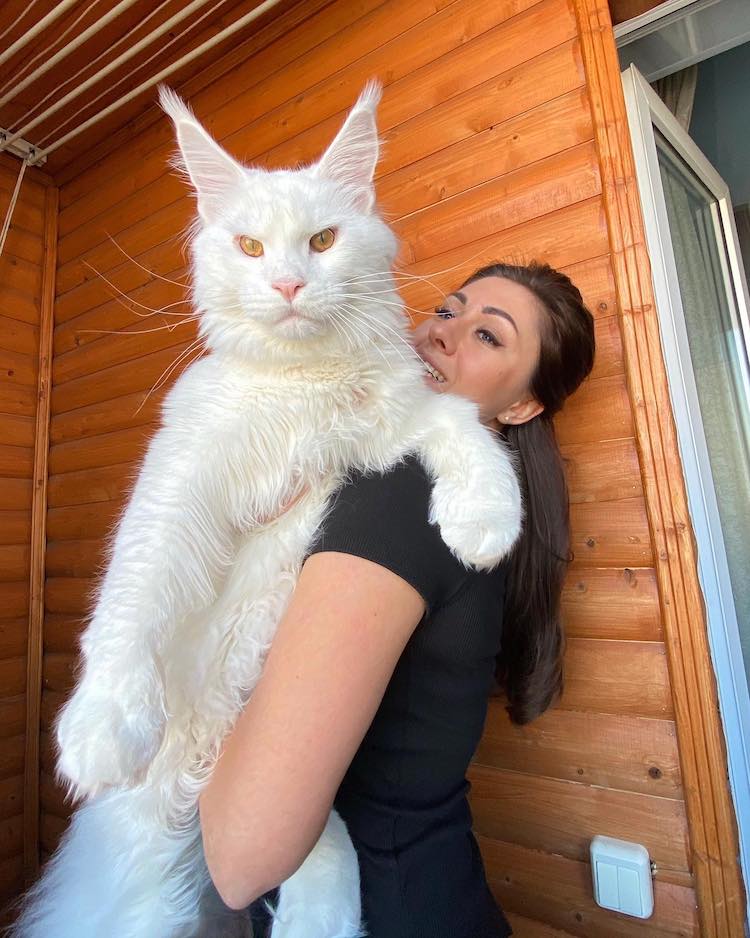
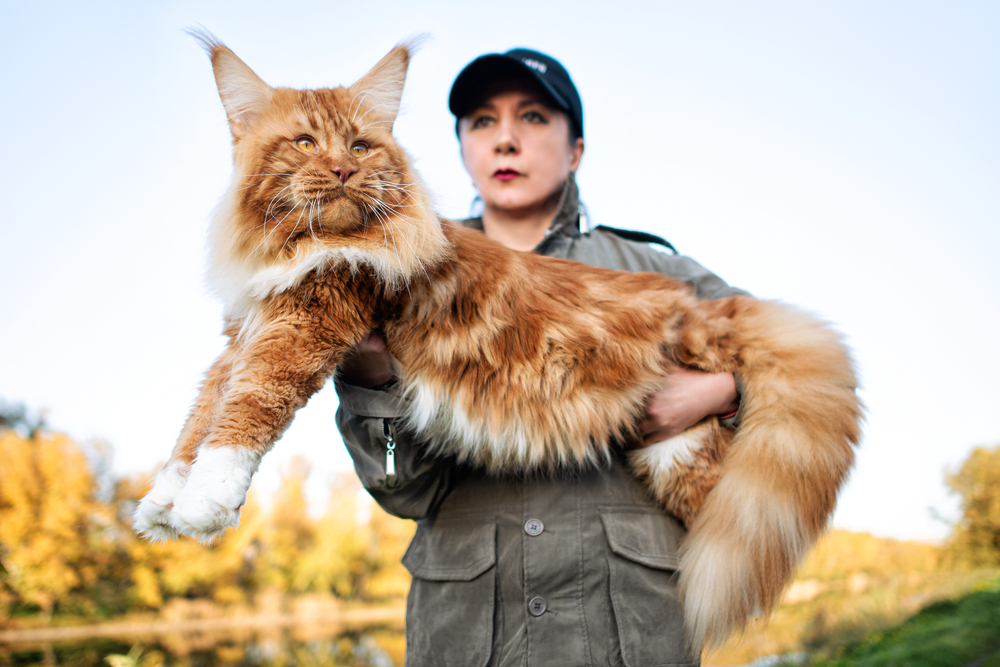
Adult male Maine Coons typically weigh between 15 and 25 pounds, though some can easily exceed this, reaching up to 30 pounds or even more. Females are generally smaller, usually weighing between 10 and 15 pounds, though again, exceptions exist. In terms of length, from the tip of their nose to the end of their tail, a large male can measure anywhere from 3 to 4 feet. Their bodies are long and rectangular, with a broad chest and powerful legs. This imposing size is not just about weight; it’s about their substantial bone structure and muscular build. Their fluffy, dense fur can also contribute to making them appear even larger, adding to their impressive visual presence. It’s a common sight to see a Maine Coon comfortably lounging on a sofa or a sturdy piece of furniture, dwarfing other pets or even children in comparison.
Temperament: Size Doesn’t Equal Aggression
Despite their formidable size, Maine Coons are renowned for their sweet, gentle, and friendly nature. The term “gentle giant” is exceptionally fitting. They are known for being highly intelligent, curious, and playful cats who often maintain a kitten-like demeanor well into adulthood. Maine Coons are typically very social and enjoy being part of the family’s activities. They are often described as “dog-like” due to their loyalty, their willingness to play fetch, and their tendency to follow their owners around. They are generally patient and good-natured with children and other pets, making them excellent family companions. Their vocalizations are also unique, often characterized by soft chirps, trills, and meows rather than loud, demanding yowls. This amiable disposition, combined with their striking appearance, makes them a popular choice for many households. They adapt well to different living situations, including apartments, provided they have enough stimulation and interaction.
Potential Challenges and Considerations
While the Maine Coon’s size is a significant draw, it also comes with practical considerations. Their large food consumption means higher food costs. Their size also requires more space; a large cat needs ample room to move, play, and stretch out comfortably. This might mean investing in larger litter boxes, more robust scratching posts, and comfortable, spacious sleeping areas. Their grooming needs are also significant due to their long, thick double coat, which can be prone to matting if not regularly brushed. This requires a consistent grooming routine to keep their fur in good condition and prevent uncomfortable tangles. Furthermore, their larger size means they can potentially knock things over more easily, especially when playful or excited. Owners should cat-proof their homes accordingly, securing breakable items and ensuring that shelves and surfaces are stable. Despite these considerations, the immense joy and companionship a Maine Coon offers far outweigh these practicalities for devoted owners. Their impressive presence, coupled with their loving personalities, makes them truly extraordinary companions.
LifeOutOfTheBox is a participant in the Amazon Services LLC Associates Program, an affiliate advertising program designed to provide a means for sites to earn advertising fees by advertising and linking to Amazon.com. Amazon, the Amazon logo, AmazonSupply, and the AmazonSupply logo are trademarks of Amazon.com, Inc. or its affiliates. As an Amazon Associate we earn affiliate commissions from qualifying purchases.