
The allure of Maine is undeniable. Known as “Vacationland,” its rugged coastline, charming small towns, vibrant fall foliage, and delicious seafood have long drawn visitors and residents alike. But as more people consider making the Pine Tree State their permanent home, a crucial question arises: Is Maine expensive to live in? The answer, like the Maine landscape itself, is nuanced and depends heavily on individual circumstances, lifestyle choices, and where within the state you choose to settle.
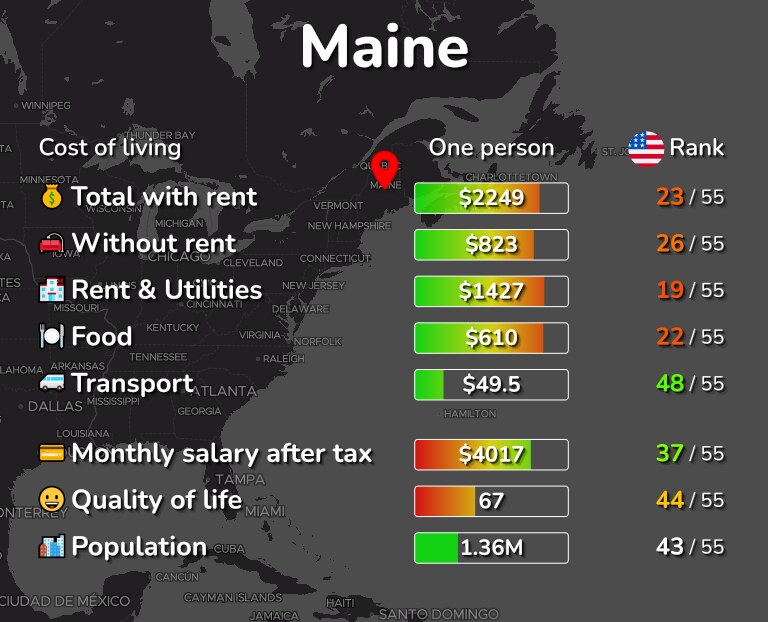
The cost of living in Maine is generally considered to be above the national average, but not astronomically so when compared to other popular New England states. Factors like housing, utilities, transportation, and groceries all play a significant role in the overall affordability of life in Maine. Understanding these components is key to determining if Maine aligns with your budget and desired lifestyle.

Housing: The Biggest Factor in Maine’s Cost of Living
When discussing the expense of living in Maine, housing is often the most significant contributor. The demand for homes, particularly in desirable coastal areas and near popular tourist destinations, has steadily increased. This, coupled with a limited supply of housing stock in many areas, drives up prices.
Home Prices and Rental Markets
Maine‘s real estate market can be divided into several distinct segments. Major metropolitan areas like Portland offer a wide range of housing options, from urban apartments to suburban homes, but at a premium. Portland consistently ranks as one of the most expensive cities in Maine for both buying and renting. The city’s vibrant economy, thriving restaurant scene, and cultural attractions make it a sought-after location, which directly impacts housing costs.
Beyond Portland, the coastal towns of Maine – such as Kennebunkport, Ogunquit, and Bar Harbor – are highly desirable, especially for second-home owners and those seeking a quintessential Maine experience. Consequently, these areas often command the highest prices for both real estate and rental properties. The seasonal nature of tourism in these towns can also influence rental availability and costs, with prices spiking during the summer months.
Inland communities and more rural areas of Maine tend to offer more affordable housing options. Towns in central Maine or northern Maine, while perhaps lacking the immediate access to the coast or bustling city life, can provide significant savings on housing. However, it’s important to consider that in some of these more remote locations, job opportunities might be more limited, and access to amenities could be further afield.
The median home price in Maine has been on an upward trajectory for several years. While it varies by county and town, prospective homeowners can expect to pay a premium, especially in the southern and coastal regions. Similarly, rental costs, whether for apartments, houses, or even seasonal cottages, can be substantial, particularly in popular tourist hubs.
Property Taxes
Another crucial aspect of housing costs in Maine is property taxes. Maine relies on property taxes to fund local services, and rates can vary considerably from town to town. Some towns have higher property tax rates than others to compensate for lower property values, while affluent communities with high property values may still have significant tax burdens. It’s essential for anyone considering buying a home in Maine to research the specific property tax rates in their target towns. These taxes can add a substantial amount to your annual housing expenses, making it a critical factor in affordability.
Beyond Housing: Other Significant Expenses in Maine
While housing often takes the spotlight, other everyday expenses also contribute to the overall cost of living in Maine. Understanding these can provide a more complete picture of what to expect financially.
Utilities
Utility costs in Maine can be a significant expense, particularly during the long and cold winter months. Heating is a major concern, and the price of heating oil, propane, or electricity can fluctuate significantly. Many homes in Maine rely on oil or propane for heat, and the cost of these fuels can be a substantial part of a household’s monthly budget. Electricity rates are also a factor, and while they may be comparable to the national average, the increased usage for heating and cooling can lead to higher bills. Internet and water/sewer costs also contribute, with rates varying based on the service provider and location.
Transportation
The cost of transportation in Maine is influenced by several factors. For those living in urban areas like Portland, public transportation options are more readily available, though they might not be as extensive as in larger metropolitan areas. However, for many residents of Maine, especially those in rural or suburban areas, a personal vehicle is a necessity. This means accounting for car payments, insurance, fuel, maintenance, and registration. The longer driving distances in some parts of Maine can also lead to higher fuel costs. Additionally, winter driving conditions can necessitate specialized tires and more frequent maintenance, adding to the overall transportation expense.
Groceries and Food
The cost of groceries in Maine is generally in line with or slightly above the national average. Fresh produce, meat, and dairy products can be more expensive, especially outside of the major grocery chains and during the off-season when local availability is limited. However, Maine is known for its abundant access to fresh seafood, and purchasing directly from local fishermen or markets can offer a more affordable and incredibly fresh option. Exploring farmers’ markets, especially during the summer and fall, can also provide opportunities to buy locally sourced produce at competitive prices. For those who enjoy cooking and utilizing seasonal ingredients, it’s possible to manage food costs effectively.
Healthcare
Healthcare costs are a concern for many across the country, and Maine is no exception. While the cost of healthcare services can vary, it’s an important factor to consider in your overall budget. Many employers offer health insurance plans, but individuals purchasing their own insurance should research plans carefully to understand premiums, deductibles, and co-pays. Access to healthcare facilities can also vary, with more specialized services concentrated in larger cities like Portland.
Lifestyle Choices and Affordability in Maine
Ultimately, how expensive Maine is to live in hinges significantly on your lifestyle choices. Maine offers a diverse range of living experiences, from the bustling city life of Portland to the tranquil remoteness of Acadia National Park‘s surrounding areas, to the charming coastal towns like Camden.
Luxury vs. Budget Travel and Living
For those who embrace luxury travel and fine dining, Maine can certainly cater to those desires, and at a price point that reflects that. Staying at high-end resorts like the Cliff House Maine or dining at acclaimed restaurants in Portland will undoubtedly add to expenses. However, Maine also offers incredible opportunities for budget-conscious living and travel.
Embracing the outdoors is a cornerstone of the Maine lifestyle and can be an incredibly affordable way to live. Hiking in places like Acadia National Park, exploring the vast wilderness, enjoying the numerous lakes and rivers for kayaking or fishing, and experiencing the stunning fall foliage are largely free or low-cost activities. Camping in state parks or utilizing more rustic accommodations can significantly reduce travel and lodging expenses.
Family and Long-Term Stays
For families considering a move to Maine, the cost of childcare, education, and family-friendly activities will be important considerations. Public school systems vary by district, and families may want to research school ratings and local taxes that support education. Long-term stays, whether for vacation rentals or considering permanent residency, often require a deeper dive into the true cost of living beyond just tourist prices. Negotiating rental agreements or understanding property tax implications for year-round occupancy becomes paramount.

Conclusion: Is Maine for You?
So, is Maine expensive to live in? For some, especially those accustomed to lower costs of living or seeking a fast-paced, amenity-rich urban environment without the associated price tag, Maine might feel expensive. Housing, particularly in desirable coastal and urban areas, is a significant expense.
However, for those who value access to nature, a slower pace of life, a strong sense of community, and are willing to make informed choices about their lifestyle, Maine can be an attainable and rewarding place to live. By carefully budgeting for housing, utilities, and other daily expenses, and by embracing the wealth of outdoor and recreational opportunities that come at little to no cost, the dream of living in Maine can become a reality. It requires research, planning, and a clear understanding of what matters most to you in a place to call home. The beauty and unique charm of Maine are significant draws, and for many, the financial considerations are a worthwhile trade-off for the unparalleled quality of life it offers.
LifeOutOfTheBox is a participant in the Amazon Services LLC Associates Program, an affiliate advertising program designed to provide a means for sites to earn advertising fees by advertising and linking to Amazon.com. Amazon, the Amazon logo, AmazonSupply, and the AmazonSupply logo are trademarks of Amazon.com, Inc. or its affiliates. As an Amazon Associate we earn affiliate commissions from qualifying purchases.