
The vast and vibrant state of Florida is a tapestry woven with diverse landscapes, unique cultures, and an abundance of travel opportunities. Two of its most prominent urban centers, Jacksonville in the northeast and Miami in the southeast, represent distinct facets of the Sunshine State. While both offer their own brand of excitement and allure, a common question for travelers planning a Florida adventure is: “How far is Jacksonville from Miami?” Understanding this distance is crucial for planning an efficient and enjoyable itinerary, whether you’re considering a direct drive, a scenic road trip, or simply comparing these two dynamic cities for your next getaway.

The geographical separation between these two major metropolises impacts everything from travel time and cost to the types of experiences you might encounter. Jacksonville, a sprawling city known for its extensive park system, riverfront, and proximity to the Atlantic coast, offers a different vibe than the cosmopolitan energy of Miami, a global hub for art, fashion, finance, and Latin American culture. This article will delve into the specifics of the distance, explore the most common travel methods, and highlight what makes each city a worthy destination in its own right, aiding you in crafting the perfect Florida travel plan.
Navigating the Distance: Driving, Flying, and Other Options
The question of how far Jacksonville is from Miami is best answered by considering the primary modes of transportation available to travelers. Each method presents its own set of advantages and disadvantages, catering to different time constraints, budgets, and preferences for the journey itself.
The Road Less Traveled (or the Highway Most Taken): Driving Between Jacksonville and Miami
The most common and often the most flexible way to traverse the distance between Jacksonville and Miami is by car. The direct driving distance is approximately 340 to 350 miles, depending on the specific routes taken and the starting and ending points within each city. This translates to a driving time of roughly 5 to 6 hours without significant traffic delays or stops.
The primary route for this journey is via Interstate 95 (I-95), which runs north-south along the eastern seaboard of Florida. This is a well-maintained, multi-lane highway that allows for relatively swift travel. However, it’s important to factor in potential traffic, especially around major metropolitan areas like Orlando and the outskirts of Miami.
Tips for Driving:
- Start Early: To avoid rush hour in either city and to maximize daylight driving, it’s advisable to start your journey early in the morning.
- Breaks are Essential: A 5-6 hour drive can be taxing. Plan for at least one or two stops for gas, food, and to stretch your legs. Convenient rest areas and service plazas are available along I-95.
- Consider a Scenic Detour: While I-95 is the most direct route, you could opt for a slightly longer but more scenic path. For instance, taking portions of U.S. Highway 1 (US-1) can offer glimpses of coastal towns and local life, though it will significantly increase travel time.
- Fuel and Food: Ensure your vehicle is adequately fueled before departing, and be aware of gas station availability, especially in less populated stretches. Numerous fast-food and sit-down dining options are available at exits along the route.
- Tolls: Be prepared for potential tolls, particularly as you approach the Miami metropolitan area. Many tolls are now cashless, so having a SunPass or similar transponder can streamline your journey.
A Potential Road Trip Itinerary:
For those with more time and a desire to explore, the drive between Jacksonville and Miami can be transformed into an engaging road trip. Several notable attractions lie along or are easily accessible from I-95, making for memorable stops.
- St. Augustine: The nation’s oldest continuously inhabited European-established settlement, St. Augustine, is a must-visit. Explore the Castillo de San Marcos National Monument, wander through the historic colonial streets, and soak in the rich history. This would add a significant detour and an overnight stay to your journey.
- Daytona Beach: Famous for its hard-packed sand where cars can drive, Daytona Beach offers a classic beach town experience. Visit the Daytona International Speedway for a dose of motorsports history.
- Kennedy Space Center Visitor Complex: Located on Merritt Island, this educational and inspiring attraction is a testament to America’s space exploration efforts. It’s an engaging stop for all ages.
- Fort Lauderdale: Often called the “Venice of America,” Fort Lauderdale boasts beautiful beaches, a vibrant dining scene, and extensive canal systems perfect for boat tours. It’s a great option for an overnight stop closer to Miami.
Each of these stops can add hours or even days to your trip, showcasing the diverse attractions and nature that Florida has to offer beyond its major cities.
Soaring Above: Flying Between Jacksonville and Miami
For travelers prioritizing speed and efficiency, flying is a viable option. Both Jacksonville International Airport (JAX) and Miami International Airport (MIA) are major hubs, offering numerous daily flights between the two cities.
- Flight Duration: The actual flight time is very short, typically around 1 hour to 1 hour and 15 minutes.
- Total Travel Time: However, when you factor in getting to the airport, check-in procedures, security, boarding, and travel from the destination airport to your final accommodation, the total time can easily equate to or exceed driving time, especially for shorter distances.
- Cost: Flight prices can vary significantly based on the airline, time of booking, and season. It is often more expensive than driving, especially for solo travelers.
- Convenience: If you are connecting to or from international flights, or if your primary goal is to minimize travel time between cities, flying can be the most practical choice.
Considerations for Flying:
- Airport Proximity: JAX is located about 15 miles northwest of downtown Jacksonville. MIA is situated about 8 miles northwest of downtown Miami. Travel time to and from these airports should be included in your planning.
- Airline Options: Major airlines operate routes between Jacksonville and Miami, offering various flight schedules.
- Baggage Fees: Factor in baggage fees, which can add to the overall cost of air travel.
Other Transportation Methods
While driving and flying are the most popular, other options exist, though they are generally less common for this particular route:
- Bus Services: Companies like Greyhound offer bus services between Jacksonville and Miami. This is typically the most budget-friendly option but also the slowest, with travel times often exceeding 8 hours. It’s a good choice for budget travel or for those who prefer not to drive.
- Train Services: Amtrak trains connect Jacksonville and Miami. While offering a more relaxed and scenic experience than a bus, train journeys are also considerably longer than driving or flying, often taking 7-9 hours. It can be a comfortable option for those who enjoy rail travel and want to avoid the stress of driving.
Understanding the Cities: Jacksonville vs. Miami
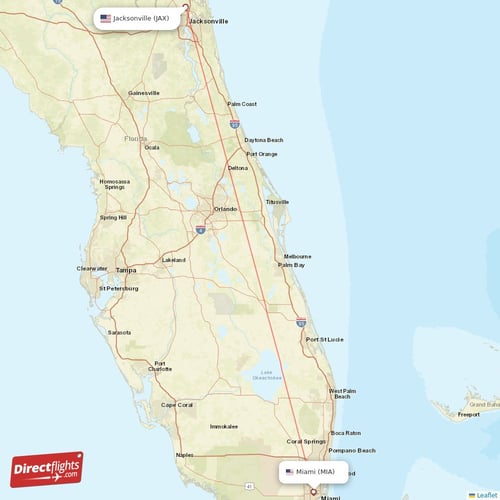
While the distance between Jacksonville and Miami is a key logistical factor, it’s also essential to appreciate the distinct lifestyles and attractions each city offers. These differences are shaped by their geographical locations, histories, and cultural influences.
Jacksonville: Gateway to Northeast Florida
Jacksonville, the largest city by land area in the contiguous United States, is a city of contrasts. Located on the St. Johns River, it boasts a significant coastline along the Atlantic Ocean and an impressive network of parks and nature preserves. This gives it a unique blend of urban amenities and natural beauty.
Key Attractions and Experiences in Jacksonville:
- Riverfront and Downtown: The St. Johns River is central to Jacksonville’s identity. The revitalized downtown area offers museums like the Cummer Museum of Art & Gardens, the Jacksonville Museum of Modern Art, and vibrant entertainment districts like the Southbank.
- Beaches: Nearby beaches such as Atlantic Beach, Neptune Beach, and Jacksonville Beach offer classic Florida beach experiences, popular for surfing, sunbathing, and fishing.
- Parks and Nature: With over 80,000 acres of parks, including the vast Timucuan Ecological and Historic Preserve, Jacksonville is an outdoor enthusiast’s paradise. Kayaking, hiking, and exploring diverse ecosystems are popular activities.
- Culture and History: The city has a rich history, evident in sites like the Fort Caroline National Memorial. Its local culture is a blend of Southern charm and a growing urban sophistication.
- Sports: Jacksonville is a major sports town, home to the NFL’s Jacksonville Jaguars and hosting major golf tournaments.
When considering accommodation in Jacksonville, you’ll find a range of options from family-friendly resorts to boutique hotels, catering to various travel styles.
Miami: The Jewel of South Florida
In stark contrast to Jacksonville, Miami is a pulsating metropolis renowned for its international flair, stunning Art Deco architecture, and world-class nightlife. It’s a city that never sleeps, drawing visitors from across the globe for its beaches, arts scene, and vibrant culinary landscape.
Key Attractions and Experiences in Miami:
- South Beach: The iconic stretch of sand in Miami Beach, famous for its vibrant atmosphere, colorful lifeguard stands, and the historic Art Deco Historic District. Exploring these famous places is a quintessential Miami experience.
- Wynwood Walls: This outdoor art museum is a testament to Miami’s burgeoning arts scene, featuring impressive murals by street artists from around the world. It’s a key stop for anyone interested in contemporary art and local culture.
- Little Havana: Immerse yourself in Cuban culture in Little Havana, where you can enjoy authentic Cuban cuisine, live music, and watch locals play dominoes in Domino Park.
- Bayside Marketplace: A lively waterfront shopping and entertainment complex offering boat tours, restaurants, and shops with views of the Miami skyline and Biscayne Bay.
- Museums and Galleries: Miami boasts a growing number of cultural institutions, including the Pérez Art Museum Miami and the Phillip and Patricia Frost Museum of Science.
- Dining and Nightlife: Miami is a global culinary destination, offering everything from high-end dining to authentic ethnic eateries. Its nightlife is legendary, with clubs and bars catering to diverse tastes.
Accommodation in Miami ranges from luxurious beachfront resorts and stylish boutique hotels to modern apartments and vacation villas. Whether you’re seeking luxury travel or a more budget-conscious stay, Miami has options to suit.
Planning Your Florida Journey: Jacksonville, Miami, and Beyond
The distance between Jacksonville and Miami is more than just miles; it represents the diverse experiences that Florida has to offer. Whether you choose to focus your trip on the natural beauty and relaxed pace of Jacksonville or the vibrant, cosmopolitan energy of Miami, or even combine them into a comprehensive road trip, understanding the travel logistics is key to a seamless and memorable vacation.
Connecting the Dots: Designing Your Itinerary
When planning a trip that involves both Jacksonville and Miami, or when choosing between them as primary destinations, consider the following:
- Time Allocation: Decide how much time you wish to spend in each city and factor in travel time. A quick visit to each might be possible in 4-5 days, but to truly experience their unique offerings, dedicating at least 2-3 days to each is recommended.
- Travel Style: Are you a road warrior who enjoys scenic drives and spontaneous stops, or do you prefer the speed and efficiency of air travel? Your chosen transportation method will significantly influence your itinerary.
- Interests: Align your destination choice with your interests. If you love the outdoors, history, and a more laid-back vibe, Jacksonville might be your focus. If you crave vibrant city life, world-class dining, and a buzzing nightlife, Miami will likely be more appealing.
- Budget: Compare the costs of travel, accommodation, and activities in both cities. Generally, Miami can be more expensive, especially in prime tourist areas, but both cities offer a range of options for budget travel.
- Exploring Beyond: Remember that Florida has much more to offer. Trips to the theme parks of Orlando, the natural springs, or the unique ecosystems of the Everglades can easily be integrated into a longer Florida adventure.

Accommodation and Activities in Each City
Both Jacksonville and Miami provide a wide array of accommodation options and activities to suit every traveler.
In Jacksonville:
- Hotels: From luxury hotels like the Ponte Vedra Inn & Club to budget-friendly chains, booking is straightforward.
- Apartments and Villas: For longer stays or families, apartments and villas offer more space and amenities.
- Experiences: Consider exploring the historic landmarks like the Cummer Museum of Art & Gardens, enjoying the nature at Kathryn Abbey Hanna Park, or experiencing the local food scene in areas like the Riverside Arts Market.
In Miami:
- Suites and Resorts: Indulge in the luxury of world-class resorts and spacious suites in areas like South Beach or Brickell.
- Comparison and Reviews: Utilize booking platforms to compare hotels and read reviews to find the perfect fit.
- Activities: Dive into the vibrant tourism scene by visiting the Vizcaya Museum & Gardens, enjoying the beaches, exploring the art in Wynwood Walls, or experiencing the unique local culture of Little Havana.
By understanding the distance and the unique characteristics of both Jacksonville and Miami, travelers can confidently plan their perfect Florida adventure, whether it’s a focused exploration of one city or a comprehensive journey across the diverse landscapes of the Sunshine State.
LifeOutOfTheBox is a participant in the Amazon Services LLC Associates Program, an affiliate advertising program designed to provide a means for sites to earn advertising fees by advertising and linking to Amazon.com. Amazon, the Amazon logo, AmazonSupply, and the AmazonSupply logo are trademarks of Amazon.com, Inc. or its affiliates. As an Amazon Associate we earn affiliate commissions from qualifying purchases.