
Embarking on a journey from the vibrant beaches of Miami to the dynamic cultural hub of Tampa is a popular Florida adventure, offering a captivating blend of coastal charm and urban exploration. Whether you’re a seasoned traveler or planning your first Sunshine State escapade, understanding the distance and the myriad of ways to traverse it is crucial for a seamless experience. This guide delves into the specifics of the Miami to Tampa distance, exploring the most efficient and enjoyable travel options, along with insights into what awaits you in these distinct yet equally alluring Floridian cities.

The question of “How far is Miami to Tampa?” is more than just a numerical query; it’s the first step in crafting an unforgettable road trip, a quick flight, or a comfortable bus journey. The physical separation between these two major Florida metropolises dictates much of the planning, from the time commitment to the type of vehicle you might choose, and even the budget you allocate. Fortunately, the distance is manageable, making it an accessible route for a weekend getaway or a longer vacation segment.
Understanding the Distance and Travel Times
The most direct route between Miami and Tampa is primarily by road, though air travel offers a significantly faster alternative. Understanding these options is key to maximizing your time and enjoying your journey.
Driving Distance and Routes
The driving distance between Miami and Tampa typically hovers around 280 to 300 miles, depending on the specific starting point in Miami and the chosen route into Tampa. This translates to an estimated driving time of approximately 4 to 5 hours without significant traffic delays or stops.
The most common and often the fastest route involves taking the Florida’s Turnpike North from the Miami area. You’ll then merge onto State Road 91 North, which eventually becomes the Suncoast Parkway North. This parkway will lead you directly towards the Tampa Bay area. Alternatively, some travelers opt for a route that utilizes Interstate 75 North for a significant portion of the journey. This can sometimes offer more scenic vistas and passes through different towns, though it may add a slight amount of time to the overall trip.
It’s essential to factor in potential traffic, especially when departing from Miami during peak hours or arriving in the Tampa metropolitan area. Weekends and holiday periods can also see increased congestion on major roadways like the Turnpike and I-75. Planning to leave early in the morning or later in the afternoon can help you avoid the worst of the rush.
Flying: The Fastest Way to Travel
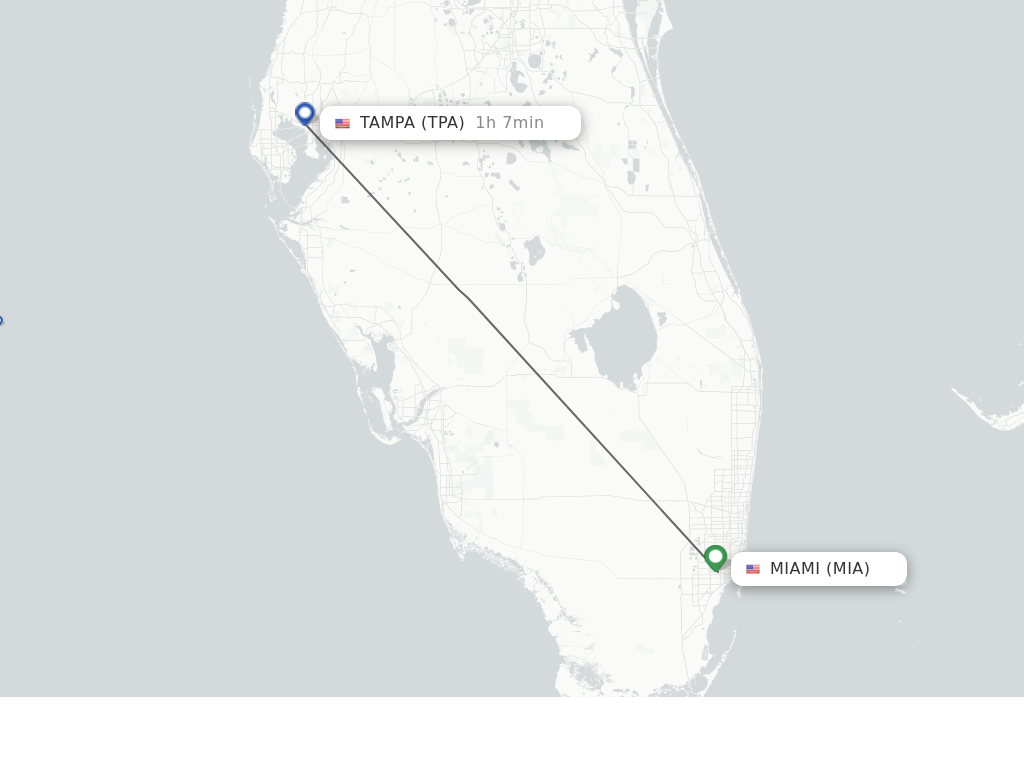
For those prioritizing speed and efficiency, flying from Miami to Tampa is the most practical option. Miami is served by Miami International Airport (MIA) and Fort Lauderdale–Hollywood International Airport (FLL), both of which offer numerous daily flights to Tampa International Airport (TPA).
The flight duration itself is remarkably short, typically around 1 hour. However, when you factor in travel time to and from the airports, check-in procedures, security screenings, and baggage claim, the total travel time can range from 3 to 5 hours. This still makes it a significantly quicker option than driving for many travelers.
Several airlines operate this route, offering a range of price points and schedules. It’s advisable to book your flights in advance, especially during peak travel seasons, to secure the best fares and availability. Tampa International Airport is conveniently located and offers easy access to the city center and surrounding attractions.
Bus and Train Services
While not as common as driving or flying, bus services also connect Miami and Tampa. Companies like Greyhound offer routes that can take anywhere from 5 to 7 hours, depending on the number of stops and the specific service chosen. This can be a budget-friendly option for travelers who prefer not to drive or fly.
Train travel is less direct and generally not the most efficient way to get between these two cities in Florida. While Amtrak operates in Florida, the routes are often circuitous and time-consuming for this particular journey.
Exploring Tampa: What Awaits You
Once you’ve navigated the distance, Tampa offers a wealth of attractions and experiences that make the journey worthwhile. Known for its vibrant arts scene, historic neighborhoods, and stunning waterfront, Tampa provides a distinct counterpoint to Miami‘s bustling energy.
Historic Ybor City: A Taste of Cuban Heritage
A must-visit destination in Tampa is Ybor City. This historic neighborhood, a National Historic Landmark District, was once the cigar capital of the world. Its rich Cuban heritage is palpable in its architecture, its bustling streets, and, of course, its food.
Wander through the brick-lined streets and admire the beautiful historic buildings, many of which have been beautifully preserved. The Ybor City Museum State Park offers a fascinating glimpse into the area’s past, showcasing the lives of the immigrants who shaped this unique community. You can also still find authentic cigar factories where you can witness the traditional hand-rolling process and purchase a handmade cigar as a souvenir.
The culinary scene in Ybor City is a major draw. Indulge in traditional Cuban sandwiches, often considered some of the best in Florida. Restaurants like Columbia Restaurant, a Florida institution since 1905, offer a refined dining experience with a rich history and authentic Cuban and Spanish cuisine. For a more casual yet equally delicious experience, explore the numerous smaller eateries and bakeries that serve up delectable pastries and strong Cuban coffee. The nightlife in Ybor City is also legendary, with a variety of bars, clubs, and live music venues.
The Tampa Riverwalk and Cultural Attractions
The Tampa Riverwalk is a 2.4-mile-long pedestrian pathway that winds along the Garrison Channel and Hillsborough River, connecting many of Tampa‘s most significant cultural attractions and public spaces. It’s a perfect place for a leisurely stroll, bike ride, or to simply soak in the city’s atmosphere.
Along the Riverwalk, you’ll find the Straz Center for the Performing Arts, which hosts a diverse array of Broadway shows, concerts, and theatrical performances. Nearby, the Tampa Museum of Art showcases a collection of modern and contemporary art, with rotating exhibitions that appeal to a wide audience. The Glazer Children’s Museum is a fantastic interactive space for families with young children, offering educational and engaging exhibits.
Further down the Riverwalk, you can access Curtis Hixon Waterfront Park, a beautiful green space often used for festivals and events. The Florida Museum of Photographic Arts is another gem, dedicated to the preservation and exhibition of fine art photography. For those interested in history, the Tampa Bay History Center provides an in-depth look at the region’s past, from its indigenous peoples to its development as a major port city.
Waterfront Wonders and Aquatic Adventures
Tampa‘s identity is intrinsically linked to its beautiful coastline and waterways. The Tampa Bay area offers numerous opportunities to enjoy the water, from relaxing on beaches to exploring marine life.
A short drive from downtown Tampa will take you to some of Florida‘s most renowned beaches. Clearwater Beach, consistently ranked among the best beaches in the United States, is famous for its soft white sand and clear, shallow waters, making it ideal for families. St. Pete Beach offers a more laid-back vibe with charming shops and restaurants, while Madeira Beach is known for John’s Pass Village, a lively fishing village with a boardwalk, shops, and seafood restaurants.
For an immersive aquatic experience, consider visiting The Florida Aquarium located on Channelside Drive near the Riverwalk. This impressive facility houses thousands of aquatic species and offers interactive exhibits that highlight Florida‘s diverse marine ecosystems. You can explore everything from vibrant coral reefs to the majestic Florida panther.
If you’re looking for wildlife encounters, booking a dolphin-watching tour or a sunset cruise from the Tampa or St. Petersburg waterfronts can be a truly memorable experience. Many tours depart from marinas like The Grand Plaza or Vinoy Park Marina, offering opportunities to spot dolphins, manatees, and a variety of seabirds in their natural habitat.
Accommodation Options in Tampa
When it comes to finding a place to stay in Tampa, you’ll be spoiled for choice. The city offers a wide range of accommodation options to suit every budget and travel style, from luxury resorts to budget-friendly hotels and cozy apartments.
For those seeking upscale amenities and prime locations, consider hotels along the Tampa waterfront or in the trendy SoHo (South Howard Avenue) district. Properties like The Tampa EDITION offer lavish suites, fine dining, and impeccable service, often with stunning views of Tampa Bay. The Barrymore Hotel Tampa Riverwalk provides a convenient location right on the Riverwalk, offering easy access to attractions and a comfortable stay.
For a more boutique experience, explore the charming inns and hotels in Ybor City, allowing you to immerse yourself in the neighborhood’s historic ambiance. If you’re planning a longer stay or prefer more space and privacy, numerous apartment rentals and vacation villas are available throughout the Tampa area, offering amenities like full kitchens and separate living areas.
Families might find resorts with pools and kid-friendly activities particularly appealing. Booking through platforms that allow for comparison and reading reviews from fellow travelers can help you pinpoint the perfect accommodation for your Tampa adventure. Whether you’re looking for a suite with a view or an apartment for a family trip, Tampa has you covered.
Planning Your Journey: Tips for a Smooth Trip
Traveling between Miami and Tampa is a straightforward endeavor, but a little planning can enhance your experience significantly. Consider these tips to ensure your journey is as smooth and enjoyable as possible.
Best Times to Travel
The best time to travel between Miami and Tampa generally aligns with Florida‘s pleasant weather seasons. The fall (October to December) and spring (March to May) months offer the most comfortable temperatures, with lower humidity and less rainfall. These periods are ideal for exploring both cities’ outdoor attractions and enjoying a scenic drive.
Winter (January to February) is also a popular time, with mild temperatures perfect for outdoor activities. However, this can also be peak tourist season, meaning higher prices for flights and accommodation, and potentially larger crowds at popular attractions.
The summer months (June to September) are characterized by high temperatures, humidity, and the possibility of afternoon thunderstorms. While you can still enjoy many activities, it’s essential to stay hydrated and plan for indoor breaks during the hottest parts of the day. Traveling during the shoulder seasons, like late spring or early fall, can often provide a good balance of pleasant weather and fewer crowds.
Packing Essentials
Regardless of the mode of transport you choose, packing appropriately will ensure comfort throughout your journey. Light, breathable clothing is essential for Florida‘s climate. Don’t forget sunscreen, a hat, and sunglasses to protect yourself from the strong sun, even during the cooler months.
If you plan on exploring Ybor City‘s historic streets or walking the Tampa Riverwalk, comfortable walking shoes are a must. For beach visits, swimwear and a beach towel are obvious essentials. If you’re traveling during the rainy season, a light rain jacket or umbrella can be a lifesaver.
For drivers, ensure your vehicle is in good condition and consider packing a roadside emergency kit. If you’re flying, check the baggage policies of your chosen airline to avoid any last-minute surprises.
Budget Considerations
The cost of traveling from Miami to Tampa can vary widely based on your chosen transportation method, accommodation preferences, and dining choices.
- Flights: Airfare prices fluctuate significantly. Booking in advance and being flexible with travel dates can lead to substantial savings. Consider budget airlines for potentially lower fares.
- Driving: The primary costs for driving include fuel and tolls. Florida‘s Turnpike has several toll points, so it’s advisable to have a SunPass or be prepared to pay cash. Factor in potential costs for parking in both cities.
- Bus: Bus travel is typically the most budget-friendly option, with tickets often being more affordable than flights or the cost of driving a personal vehicle.
- Accommodation: Tampa offers a broad spectrum of hotels, resorts, and apartments. Luxury accommodations will naturally be more expensive, while budget-friendly hotels and guesthouses can be found, especially if you book in advance or opt for locations slightly outside the city center.
- Activities and Dining: Researching attractions and restaurants in advance can help you budget effectively. Many of Tampa‘s best experiences, like walking the Riverwalk or exploring Ybor City‘s streets, are free. However, entrance fees to attractions like The Florida Aquarium or dining at renowned restaurants like Columbia Restaurant will add to your expenses.
By carefully considering these factors, you can plan a trip from Miami to Tampa that perfectly balances your desires for adventure, comfort, and cost-effectiveness. Whether you’re drawn by the allure of Miami‘s dynamic energy or the historical charm and waterfront beauty of Tampa, this journey promises a delightful exploration of Florida‘s diverse offerings.
LifeOutOfTheBox is a participant in the Amazon Services LLC Associates Program, an affiliate advertising program designed to provide a means for sites to earn advertising fees by advertising and linking to Amazon.com. Amazon, the Amazon logo, AmazonSupply, and the AmazonSupply logo are trademarks of Amazon.com, Inc. or its affiliates. As an Amazon Associate we earn affiliate commissions from qualifying purchases.