
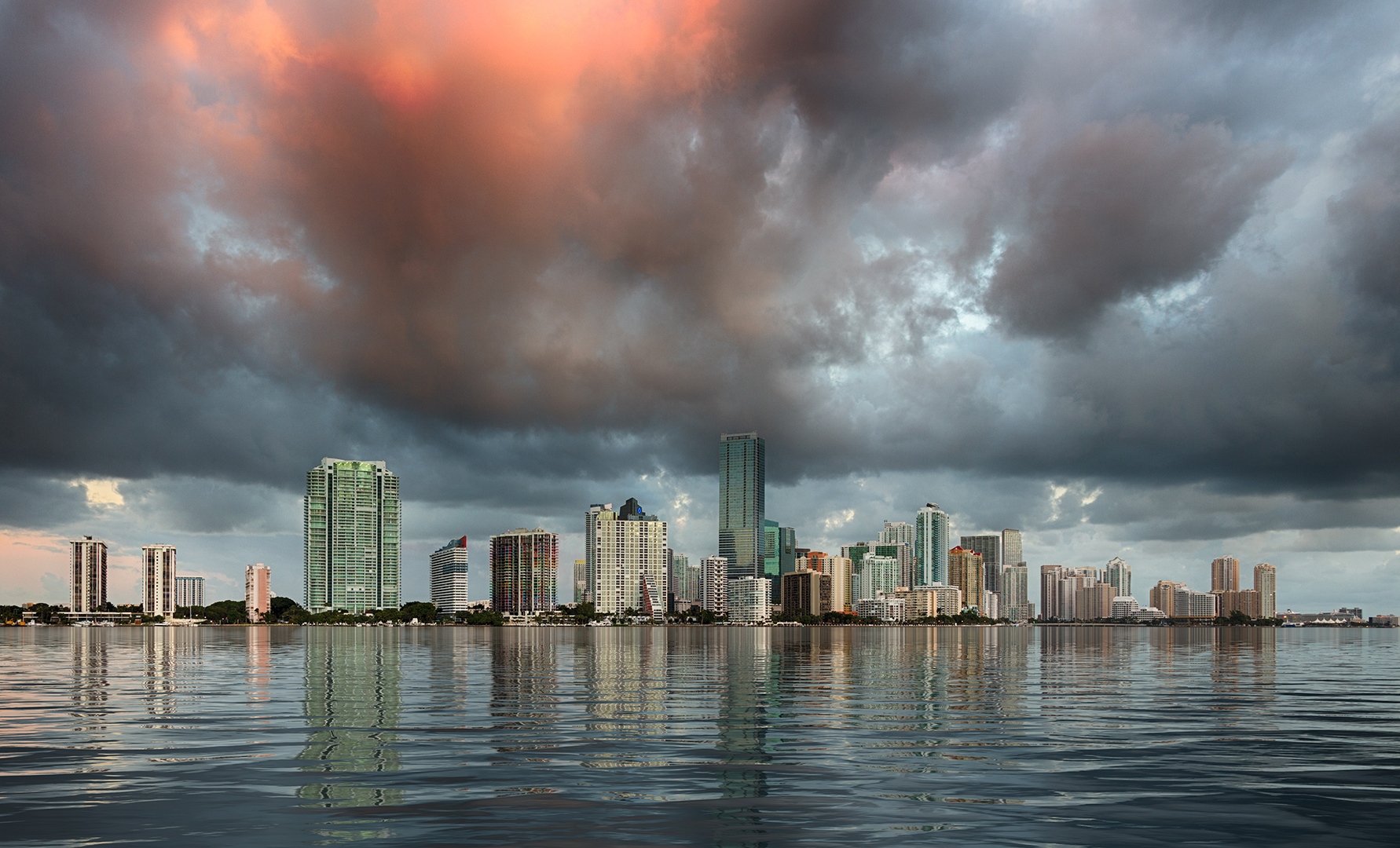
The glistening shores of Miami have long been synonymous with vibrant energy, sun-drenched beaches, and a thriving luxury lifestyle. It’s a city that beckons travelers from around the globe, promising unforgettable experiences, from exploring its iconic Art Deco Historic District to indulging in world-class dining and relaxing in opulent resorts like the Fontainebleau Miami Beach. But beneath the surface of this glamorous metropolis lies a growing concern, a subtle yet persistent threat that could redefine the future of this beloved travel destination: rising sea levels. The question “Is Miami sinking?” is no longer a hypothetical scenario; it’s a pressing reality that impacts everything from tourism infrastructure to the very foundation of daily life.

The Relentless Tide: Understanding Miami’s Vulnerability
Miami’s unique geography, a low-lying peninsula nestled between the vast Atlantic Ocean and the expansive Everglades, makes it inherently susceptible to the impacts of climate change, particularly sea-level rise. This isn’t a future problem; it’s a present-day challenge that manifests in various ways, affecting both natural landmarks and the urban landscape.
The Science Behind the Slow Drown
The primary driver behind Miami’s vulnerability is the global phenomenon of melting ice caps and thermal expansion of ocean water due to rising global temperatures. Scientific consensus points to a steady increase in sea levels worldwide, and Miami is experiencing this rise at a rate faster than the global average.
- Subsidence: While “sinking” might evoke images of the city literally falling into the ocean, the reality is more nuanced. A portion of the perceived sinking is due to natural ground subsidence, where the land itself settles over time. However, this is exacerbated by other factors.
- Geology: The underlying geology of South Florida, characterized by porous limestone, allows saltwater to intrude into the freshwater aquifer. This intrusion, driven by higher sea levels, can weaken the ground and contribute to subsidence.
- Human Impact: Urban development, including the extraction of groundwater and the weight of buildings, can also contribute to land subsidence.
The combination of these factors creates a situation where the land beneath Miami is both sinking and being overtaken by the rising sea.
Visible Signs: More Than Just High Tides
The effects of sea-level rise are not just confined to scientific reports and theoretical models; they are increasingly visible and disruptive to the everyday lives of residents and the experiences of tourists.
- “Sunny Day” Flooding: Perhaps the most talked-about symptom is the increased frequency of “sunny day” or “nuisance” flooding. These events occur even on clear days, when high tides push water up through storm drains and cracks in the pavement, inundating streets in low-lying areas. Neighborhoods like Miami Beach and parts of Miami-Dade County are particularly affected, transforming once-dry roads into temporary canals. This disrupts transportation, impacts local businesses, and can damage infrastructure.
- Saltwater Intrusion: The porous limestone bedrock allows saltwater to seep into the freshwater supply. This not only threatens the drinking water for millions but also impacts the delicate ecosystems of the Everglades National Park and the coastal mangroves that serve as natural storm buffers.
- Beach Erosion: The iconic beaches that draw so many visitors are constantly under threat from rising seas and stronger storm surges. Coastal erosion is a persistent problem, requiring significant investment in beach renourishment projects to maintain the picturesque shorelines. Resorts and hotels along the coast are continually assessing and adapting their strategies to protect their prime beachfront locations.
Adapting to the Inundation: Miami’s Resilience and Reimagining
Faced with this existential threat, Miami is not passively accepting its fate. The city and its surrounding communities are actively engaged in a race against time, implementing a range of innovative strategies to adapt and build resilience. These efforts span infrastructure improvements, policy changes, and a rethinking of urban planning.
Engineering a Safer Future
Significant investments are being made in engineering solutions to combat the rising waters. These are not just about aesthetics; they are critical for the long-term viability of the city as a tourist destination and a place to live.
- Elevated Roads and Infrastructure: One of the most visible adaptations is the elevation of roads and sidewalks. Many streets in vulnerable areas have been raised, sometimes by several feet, to keep them above high-tide levels. This is a costly but necessary measure to ensure continued access and functionality.
- Improved Drainage Systems: Modernizing and expanding storm drainage systems is crucial. This includes installing pumps to actively remove floodwater and designing systems that can better handle increased rainfall and tidal influence.
- Seawalls and Levees: In some areas, traditional flood defense mechanisms like seawalls and levees are being considered and implemented to protect critical infrastructure and low-lying neighborhoods. However, the effectiveness and aesthetic impact of such structures are often debated, especially in a city known for its open waterfront.
- Water Management Innovation: Innovative water management techniques are being explored, including the use of permeable pavements that allow water to seep through rather than pooling on the surface, and the restoration of natural water systems to help absorb excess water.
Policy and Planning for a Changing Climate
Beyond engineering, Miami is also grappling with policy and urban planning adjustments to accommodate a future with higher sea levels. This involves difficult conversations about development, zoning, and the very fabric of the city.
- Building Codes and Zoning: Future development is being scrutinized with sea-level rise in mind. Stricter building codes may require new construction to be elevated or designed to withstand periodic flooding. Zoning laws might restrict development in the most vulnerable areas, shifting the focus to higher ground.
- Resilience Hubs: The concept of “resilience hubs” is gaining traction. These are designated areas, often elevated and equipped with backup power and resources, that can serve as safe havens during extreme weather events and provide essential services during flood periods.
- Managed Retreat: In some of the most exposed and low-lying areas, the concept of “managed retreat” – strategically relocating communities and infrastructure away from the coast – is a difficult but increasingly necessary consideration for long-term planning. This is a sensitive topic, particularly for established neighborhoods and historical sites.
The Impact on Travel and Tourism: Rethinking the Miami Experience
The question of “Is Miami sinking?” has profound implications for the travel and tourism industry, a cornerstone of the city’s economy. While Miami remains a top global destination, the environmental challenges necessitate a recalibration of how visitors experience the city and how businesses operate.
Navigating the Waters: What Travelers Need to Know
For tourists planning a visit, understanding the changing landscape of Miami is becoming increasingly important.
- Choosing Your Base: When booking accommodation, consider the elevation of your chosen hotel or villa. Areas like South Beach are iconic but also highly susceptible to flooding during king tides. Researching the specific location and its history of flooding can help in making an informed decision. Luxury resorts like the Faena Hotel Miami Beach are investing in resilience measures, but it’s still wise to be aware.
- Transportation and Accessibility: Be prepared for potential disruptions to transportation, especially during periods of high tide or heavy rainfall. Rideshares, public transport, and even rental cars might face detours or delays in affected areas. Checking local traffic and weather updates is advisable.
- Embracing the Adaptations: The city’s adaptations, such as elevated roads and new drainage systems, are part of the evolving urban experience. These visible changes are a testament to Miami’s determination to persist. Experiencing these adaptations can be an interesting facet of a trip, offering a deeper understanding of the city’s resilience.
- Focus on Elevated Attractions: Many of Miami’s most beloved attractions are either inland or have been designed with resilience in mind. Exploring neighborhoods like Wynwood with its vibrant art scene, visiting cultural institutions like the Pérez Art Museum Miami, or enjoying the diverse culinary landscape offers excellent experiences that are less directly impacted by immediate flooding.
A Changing Landscape for Hospitality
The hospitality sector in Miami is at the forefront of confronting these challenges. Hotels, resorts, and restaurants are making significant investments to adapt.
- Infrastructure Upgrades: Many establishments are investing in elevating their ground floors, reinforcing their foundations, and improving their internal drainage and pumping systems. This is essential for maintaining operations and protecting guest experiences.
- Business Continuity Planning: Robust business continuity plans are now a necessity. This includes strategies for communicating with guests during flood events, providing alternative services, and ensuring the safety of staff and visitors.
- Sustainable Tourism: There’s a growing emphasis on sustainable tourism practices, not just as an environmental imperative but as a way to build long-term resilience. This includes water conservation, energy efficiency, and supporting local businesses that are also adopting sustainable methods.
- Reimagining Waterfront Experiences: For businesses directly on the water, the challenge is significant. There’s a creative reevaluation of how to best utilize and protect waterfront properties, perhaps focusing on elevated structures, resilient landscaping, and more adaptable designs.

The Future of the Magic City: Hope Amidst the Waves
The question “Is Miami sinking?” is not intended to be alarmist, but rather a call to awareness and action. Miami is a city of innovation, creativity, and unparalleled spirit. While the challenges posed by sea-level rise are formidable, they are also spurring remarkable ingenuity and a renewed commitment to sustainability and resilience.
From the iconic beaches of Miami Beach to the cultural heart of Little Havana, the city is a testament to human adaptability. The ongoing efforts in infrastructure, policy, and community engagement are paving the way for a future where Miami can continue to thrive, albeit in a transformed landscape.
For travelers, visiting Miami offers a unique opportunity to witness firsthand a city actively confronting one of the most significant environmental challenges of our time. It’s a chance to experience a destination that is not just beautiful and exciting, but also resilient and forward-thinking. The “magic city” may be adapting to the rising tides, but its allure and its ability to captivate visitors remain as strong as ever. The future of Miami is being written, one elevated street and one resilient building at a time, proving that even in the face of rising waters, the spirit of this vibrant metropolis endures.
LifeOutOfTheBox is a participant in the Amazon Services LLC Associates Program, an affiliate advertising program designed to provide a means for sites to earn advertising fees by advertising and linking to Amazon.com. Amazon, the Amazon logo, AmazonSupply, and the AmazonSupply logo are trademarks of Amazon.com, Inc. or its affiliates. As an Amazon Associate we earn affiliate commissions from qualifying purchases.