
Miami, a city synonymous with sun-drenched beaches, vibrant nightlife, and a captivating blend of cultures, holds a fascinating origin story. While many envision Miami as an ancient metropolis, its establishment as a modern city is a relatively recent, yet remarkably rapid, narrative. The question “When Was Miami Established?” opens a door to understanding the ambitious visionaries, strategic development, and unique circumstances that coalesced to forge this iconic American destination. The answer isn’t a single date carved in stone, but rather a series of pivotal moments that transformed a wild frontier into a global hub.
Miami’s genesis is intrinsically linked to the vision of Henry Flagler, a pivotal figure in Florida’s development. Flagler, already instrumental in building Florida into a tourist paradise through his Florida East Coast Railway, turned his gaze southward. He saw the untapped potential of the Biscayne Bay area, a region then sparsely populated and largely undeveloped. His ambition was to extend his railway to the southern tip of the peninsula, a feat that would unlock incredible opportunities for trade, tourism, and settlement. This monumental undertaking, often referred to as the “Railroad That Built a City,” was the catalyst for Miami’s formal establishment.

The Dawn of a New City: From Tent City to Incorporated Municipality
The story of Miami’s establishment is a testament to how vision, investment, and perseverance can reshape landscapes. While Indigenous peoples inhabited the area for thousands of years, and a small settlement called Miami existed along the Miami River in the late 19th century, the true birth of the modern city is tied to the arrival of Henry Flagler’s railroad. This groundbreaking extension of the Florida East Coast Railway south to Biscayne Bay in the early 1900s was the crucial factor that propelled the region into a new era of growth.
From Frontier Outpost to Strategic Investment
Before the railway, the area that would become Miami was a frontier territory. The Indigenous Tequesta tribe were the original inhabitants, followed by early settlers who established small farms and businesses. However, the lack of substantial transportation links limited its potential. The visionaries, most notably Henry Flagler, recognized this limitation and understood that a direct rail connection would transform the region.
Flagler’s ambition was audacious. He planned to extend his Florida East Coast Railway all the way to the southern tip of Florida, a challenging undertaking that involved traversing swampland and marshy terrain. This railway was not merely about transportation; it was a vehicle for development. Flagler envisioned a string of hotels, resorts, and communities along his railway line, and the land around Biscayne Bay was his ultimate prize.
The construction of the Florida East Coast Railway south of Palm Beach was a monumental engineering feat. It required immense resources and dedication. As the tracks slowly pushed southward, so did the promise of a new city. The area began to attract workers, entrepreneurs, and land speculators, all drawn by the prospect of being part of a burgeoning new frontier.
The early settlement, often referred to as “Miami,” was a collection of tents and simple structures clustered around the area where the railway was expected to terminate. Life was rudimentary, but the spirit of progress was palpable. The arrival of the first passenger train in Miami on April 15, 1896, marked a significant turning point. This event, while not the official incorporation date, symbolized the city’s destiny.
The push for formal incorporation gained momentum as the population grew and the need for organized governance became apparent. The land boom that followed the railway’s arrival fueled rapid development. Real estate developers began to subdivide land and market plots to potential residents and businesses.
The Official Birthdate: A Vote for Cityhood
The crucial event that answers the question “When Was Miami Established?” in a formal sense is the city’s incorporation. After a period of burgeoning growth fueled by Henry Flagler’s railway, the residents of Miami voted to establish themselves as an incorporated city. This decisive act laid the groundwork for the metropolis we know today.
Incorporation Day: July 28, 1896
The official establishment of Miami as a municipality occurred on July 28, 1896. On this date, a majority of the residents voted to incorporate the City of Miami. This vote was a significant step, transforming a collection of scattered settlements and ambitious dreams into a recognized governmental entity. The incorporation provided the legal framework for self-governance, allowing the city to levy taxes, establish services, and plan for future growth.
This date is celebrated as the official founding of Miami. It marked the transition from a speculative frontier outpost to a structured city with elected officials and a charter. The vote was a declaration of intent – a commitment by the early settlers to build a lasting community.
The early years of incorporated Miami were characterized by rapid development. The city began to attract more residents and businesses, drawn by the promise of a subtropical climate and economic opportunity. The construction of hotels, such as the iconic Royal Palm Hotel built by Henry Flagler in 1897, further solidified Miami’s reputation as a desirable tourist destination.
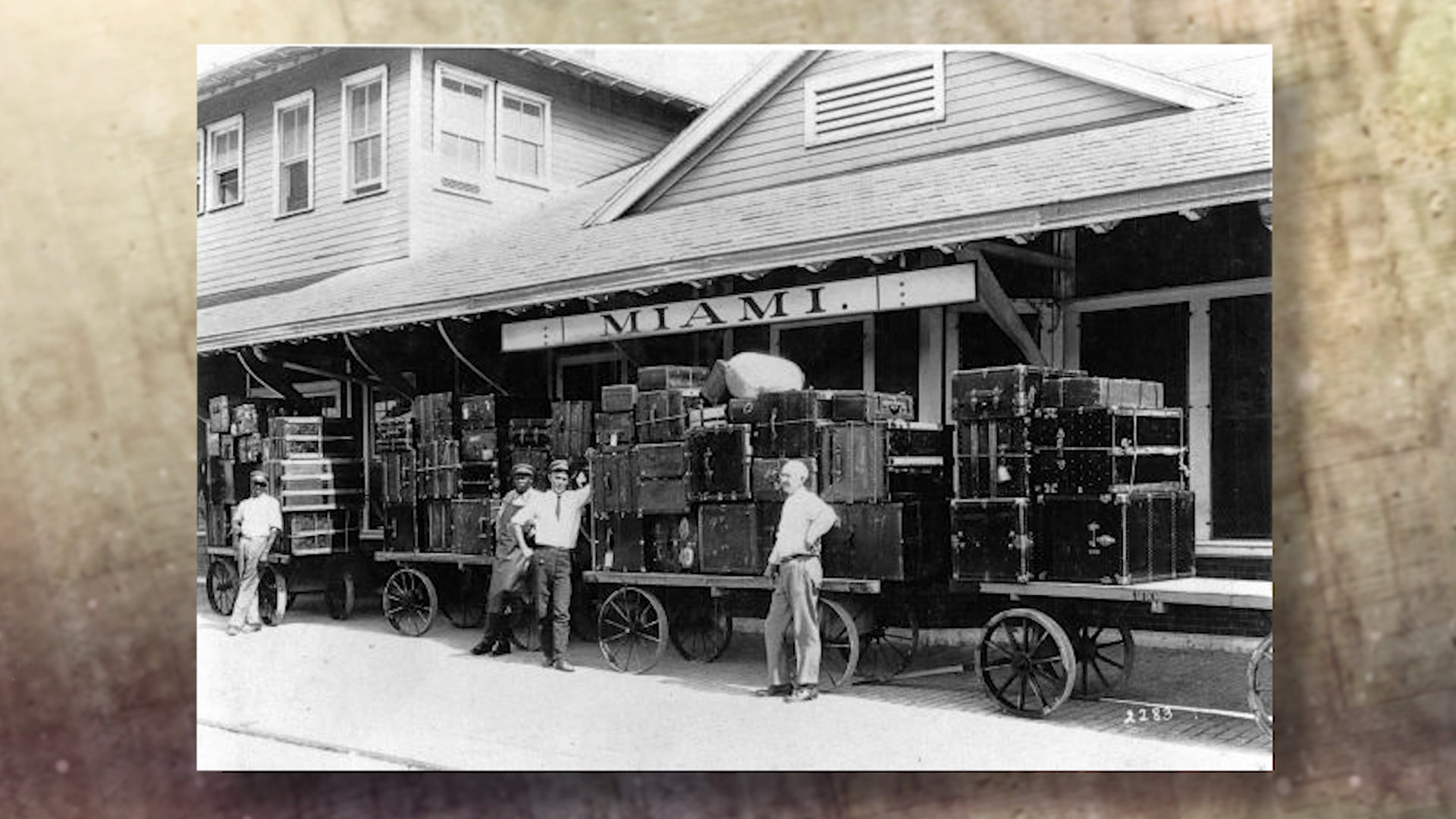
The city’s strategic location on Biscayne Bay proved invaluable. It facilitated maritime trade and became a gateway to the Caribbean and Latin America. This geographical advantage, combined with the influx of capital and ambitious development, set the stage for Miami’s exponential growth in the decades that followed.
Miami’s Transformation: From Humble Beginnings to Global Metropolis
The establishment of Miami in 1896 was merely the prologue to an extraordinary story of transformation. The decades following its incorporation witnessed an unprecedented surge in population, development, and cultural evolution, shaping Miami into the dynamic global city it is today. This period saw the city evolve from a fledgling settlement to a bustling hub of commerce, tourism, and culture.
The Early 20th Century Boom and Beyond
The early 20th century was a period of intense growth for Miami. The Florida Land Boom of the 1920s, although it experienced a significant downturn, brought a wave of investment and construction. Skyscrapers began to dot the skyline, and the city’s infrastructure expanded rapidly to accommodate its growing population. The influx of people from across the United States and beyond, attracted by the promise of opportunity and the allure of a subtropical lifestyle, fueled this expansion.
World War II also played a role in Miami’s development. The city served as a crucial training ground for military personnel and a strategic naval base, further bolstering its infrastructure and economy. Post-war, Miami continued its upward trajectory, becoming a favored destination for tourists seeking sun, sand, and entertainment. The rise of air travel in the mid-20th century made Miami more accessible than ever, solidifying its status as an international tourist hotspot.
The mid-to-late 20th century saw significant demographic shifts. Migration from Cuba in the aftermath of the Cuban Revolution profoundly influenced Miami’s culture, infusing it with a rich Latin American flavor. This influx of Cuban immigrants contributed to the city’s vibrant culinary scene, diverse artistic expressions, and distinct cultural identity. Neighborhoods like Little Havana became synonymous with this new wave of cultural influence.
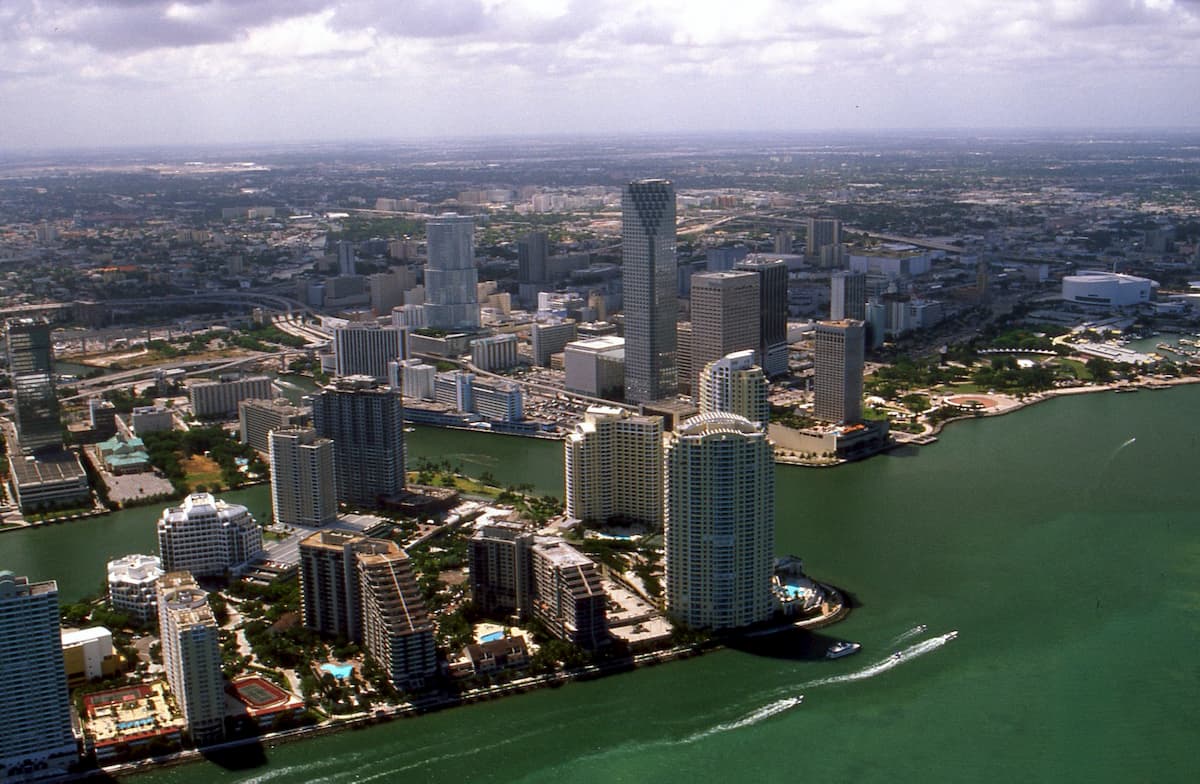
Miami’s appeal extends far beyond its beaches. Its role as a gateway to the Caribbean and Latin America has made it a major center for international trade, finance, and arts. The city’s unique architectural styles, from the vibrant Art Deco buildings of South Beach to modern high-rises, reflect its evolving history and cosmopolitan character.
Key Landmarks and Attractions Shaping Miami’s Identity
Since its establishment, Miami has cultivated a rich tapestry of landmarks and attractions that draw millions of visitors annually. These sites not only showcase the city’s natural beauty and architectural marvels but also tell the story of its unique cultural heritage and dynamic evolution. From the iconic beaches to historic districts, these places are integral to understanding what makes Miami so special.
Iconic Destinations and Historical Sites
South Beach, with its world-famous stretch of white sand and turquoise waters, is arguably Miami’s most recognizable landmark. Adjacent to it lies the Art Deco Historic District, a treasure trove of pastel-hued buildings from the 1930s and 1940s, representing a distinct architectural era that defines the city’s visual appeal. This district, meticulously preserved, offers a glimpse into Miami’s glamorous past.
Further north, the Vizcaya Museum & Gardens stands as a testament to Gilded Age opulence. This stunning Italian Renaissance-style villa, once the winter estate of businessman James Deering, is set amidst meticulously landscaped gardens overlooking Biscayne Bay. It provides a serene contrast to the city’s bustling energy and showcases incredible European art and architecture.
For those interested in the city’s natural wonders, the Everglades National Park offers a unique subtropical wilderness experience. Though technically outside the immediate city limits, this vast expanse of wetlands, home to abundant wildlife including alligators, panthers, and diverse bird species, is a crucial part of the South Florida ecosystem that has shaped Miami’s environment and history.
The PortMiami is another significant landmark, serving as one of the busiest ports in the United States and a vital hub for cruise ships and cargo. Its presence underscores Miami’s importance as a global gateway and a center for international commerce.
The cultural heart of the city is evident in districts like Wynwood, known for its vibrant street art and galleries, and Little Havana, where the aroma of Cuban coffee and the sounds of salsa music fill the air. These neighborhoods offer immersive experiences into the diverse cultural influences that have shaped Miami since its early days. The Bayside Marketplace provides a lively waterfront destination for shopping, dining, and entertainment, offering panoramic views of the bay and the city skyline.
In conclusion, while the official establishment of Miami dates back to July 28, 1896, its true story is a continuous narrative of vision, development, and cultural fusion. From the ambitious railway plans of Henry Flagler to the vibrant cultural districts of today, Miami has consistently reinvented itself, solidifying its place as a premier global destination.
LifeOutOfTheBox is a participant in the Amazon Services LLC Associates Program, an affiliate advertising program designed to provide a means for sites to earn advertising fees by advertising and linking to Amazon.com. Amazon, the Amazon logo, AmazonSupply, and the AmazonSupply logo are trademarks of Amazon.com, Inc. or its affiliates. As an Amazon Associate we earn affiliate commissions from qualifying purchases.