
When planning a trip to the vibrant city of Minneapolis, understanding its time zone is not just a matter of convenience; it’s crucial for orchestrating seamless travel, booking accommodations, and aligning with local experiences. Whether you’re a seasoned globetrotter or embarking on your first adventure, knowing the local time in Minneapolis ensures you don’t miss flights, tours, or that perfect sunset over Lake Harriet. This guide will not only clarify Minneapolis‘s time zone but also delve into its implications for your visit, drawing from the rich tapestry of travel, tourism, and lifestyle that defines this Midwestern gem.

Navigating Time Zones: The Basics
Time zones are a fundamental aspect of global coordination, designed to make local solar time consistent within a region. They are based on the Universal Coordinated Time (UTC), which serves as the primary time standard by which the world regulates clocks and time. Each time zone is defined by its offset from UTC. For instance, UTC+1 means the time zone is one hour ahead of UTC.
The Earth is divided into 24 main time zones, each roughly 15 degrees of longitude wide. However, political and geographical boundaries often cause these zones to deviate from perfect lines, creating irregular shapes to accommodate countries, states, or even specific regions. This is where understanding the specific time zone of a destination like Minneapolis becomes paramount.
The Significance of Daylight Saving Time
A key factor influencing time zones, especially in North America, is Daylight Saving Time (DST). DST is the practice of advancing clocks during warmer months so that darkness falls at a later hour of the day. In many regions that observe DST, clocks are moved forward by one hour in the spring and set back by one hour in the autumn. This practice aims to maximize the use of daylight and reduce the need for artificial lighting.
The observance of DST can significantly impact your travel plans. For example, if you are traveling from a region that does not observe DST to one that does, or vice-versa, you’ll need to account for the time difference shift. This is particularly important when scheduling calls with people in different time zones, making reservations, or coordinating meetings. Understanding when DST begins and ends in Minneapolis is therefore an essential part of pre-trip preparation.
Minneapolis: Central Time and Daylight Saving
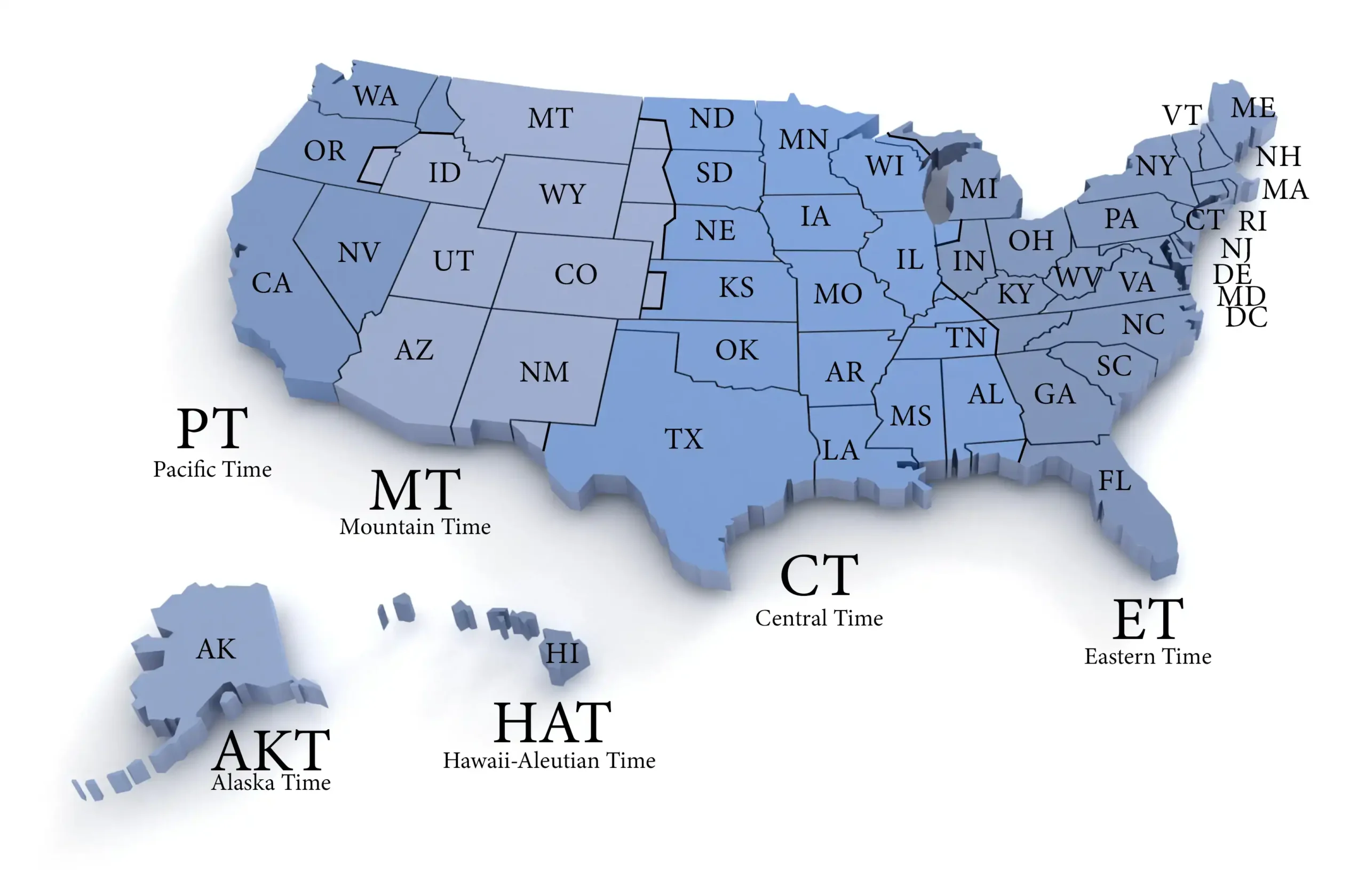
Minneapolis, Minnesota, along with the rest of the state, observes the Central Time Zone. This zone is typically five hours behind UTC during standard time.
Central Standard Time (CST)
During the fall and winter months, Minneapolis operates on Central Standard Time (CST). This means that CST is UTC-6. When it is noon UTC, it is 6:00 AM in Minneapolis during CST. This is the baseline time for the region when DST is not in effect.
Central Daylight Time (CDT)
When Daylight Saving Time is observed, Minneapolis switches to Central Daylight Time (CDT). This is when the clocks are advanced by one hour. Therefore, CDT is UTC-5. This means that during CDT, Minneapolis is four hours behind UTC. When it is noon UTC, it is 7:00 AM in Minneapolis during CDT.
The dates for Daylight Saving Time in the United States are generally standardized. It typically begins on the second Sunday in March and ends on the first Sunday in November. This means that for roughly two-thirds of the year, Minneapolis will be on Central Daylight Time (CDT), and for the remaining one-third, it will be on Central Standard Time (CST). Keeping track of these date shifts is vital for accurate timekeeping, especially around the spring and fall transitions.
Practical Implications for Travelers to Minneapolis
Knowing the time zone of Minneapolis is more than just a trivia fact; it has tangible impacts on your travel experience, influencing everything from flight bookings to exploring the local scene.
Coordinating Travel and Bookings
The most immediate impact of understanding Minneapolis‘s time zone is on travel logistics. When booking flights, you’ll see departure and arrival times listed in local Minneapolis time. This is crucial for calculating layovers, ensuring you arrive at the airport with adequate time, and managing connections, especially when crossing multiple time zones.
Similarly, hotel reservations should be made with local time in mind. Check-in and check-out times are dictated by the local Minneapolis clock. If you’re arranging transportation from the airport, such as a shuttle service or a pre-booked taxi, providing the correct local arrival time is essential for smooth pick-up.
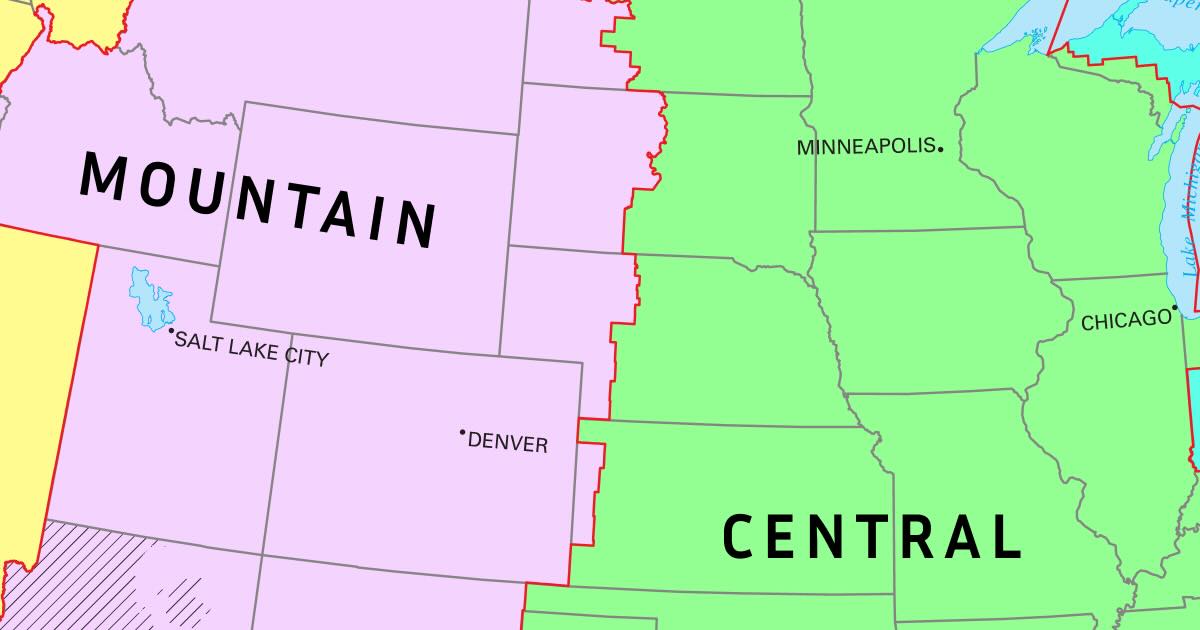
For those planning multi-city tours or international travel, constantly calculating the time difference can be a challenge. Utilizing time zone converter tools or simply noting the UTC offset for each destination can simplify this process. For Minneapolis, remember its UTC-5 (CDT) or UTC-6 (CST) designation.
Experiencing Local Culture and Activities
Minneapolis offers a wealth of attractions and activities, from exploring the iconic Stone Arch Bridge to enjoying the vibrant arts scene at the Walker Art Center. To make the most of these experiences, aligning with local times is key.
- Museum and Attraction Hours: Most museums, galleries, and tourist attractions in Minneapolis operate on local time. Understanding this means knowing when to arrive to catch the last entry or when to plan your visit to avoid peak crowds. For example, if a museum closes at 5:00 PM local time, and you arrive at 4:30 PM, you’ll need to be mindful of the time remaining.
- Dining Reservations: If you’re looking to experience Minneapolis‘s renowned culinary scene, from farm-to-table restaurants to classic diners, booking a table often requires specifying a local time. Popular spots can book up quickly, especially on weekends, so making reservations in advance, with the correct local time in mind, is highly recommended.
- Event Schedules: Minneapolis hosts numerous events throughout the year, including concerts, sporting events, and festivals. Whether you’re catching a Minnesota Twins game at Target Field or attending a performance at the Guthrie Theater, event start times are always in the local Minneapolis time zone.
Connecting with Local Businesses and Services
Beyond tourism, if your visit to Minneapolis is for business or a longer stay, understanding the local time zone is vital for interacting with businesses and services.
- Business Hours: Local shops, offices, and service providers operate within the Central Time Zone. If you need to contact a specific business, make an appointment, or utilize a service, you’ll need to do so during their operating hours as observed in Minneapolis.
- Customer Support: When dealing with customer support for local services or even some national companies that have service centers in different time zones, knowing the Minneapolis time can help you reach them when they are available and avoid calling at inconvenient hours for yourself or for them.
The Impact on Communication
For those who need to stay in touch with friends, family, or colleagues back home, understanding the time difference is essential for effective communication.
- Scheduled Calls: If you have a scheduled video call or phone conversation, knowing the time difference prevents awkward misunderstandings. For instance, if someone in New York (Eastern Time, UTC-5 during DST) calls you in Minneapolis (Central Time, UTC-5 during DST) at 7:00 PM their time, it will be 6:00 PM your time. However, if they are in Los Angeles (Pacific Time, UTC-7 during DST), their 7:00 PM would be your 9:00 PM.
- Social Media and Online Interactions: When engaging with local Minneapolis social media or online communities, posts and comments will reflect local time. This can give you a better sense of the daily rhythm of the city.
Beyond the Clock: Embracing the Minneapolis Experience
While the time zone is a practical consideration, it’s the rich experiences that Minneapolis offers that truly define a visit. From the natural beauty of its many lakes, such as Bde Maka Ska and Lake Nokomis, to its thriving arts and culinary scenes, there’s something for every traveler.
Exploring Minneapolis’s Landmarks and Attractions
Minneapolis is home to a remarkable array of landmarks and attractions. The Minnehaha Park, with its stunning waterfall, is a popular natural escape. Art enthusiasts can immerse themselves in the collections at the Minneapolis Institute of Arts. For a taste of urban exploration, the revitalized North Loop district offers trendy boutiques and restaurants. If you’re a sports fan, catching a game at Target Field or Target Center is a must. For families, the Mall of America, one of the largest shopping malls in the world, provides endless entertainment.
Accommodation Options
Finding the right place to stay in Minneapolis is part of the adventure. The city boasts a diverse range of accommodations to suit every budget and travel style. Luxury seekers might opt for boutique hotels in the downtown area, while families might prefer apartments or villas offering more space and amenities. Respected hotel chains like the Hyatt Regency Minneapolis or the Millennium Hotel Minneapolis offer convenience and comfort. For those seeking a more local feel, exploring vacation rentals or bed and breakfasts can provide a unique experience. When booking, always confirm the check-in and check-out times according to the Minneapolis local time.
Culinary Delights and Local Culture
The food scene in Minneapolis is a reflection of its diverse population and Midwestern roots. From classic diner fare to innovative fusion cuisine, the city has it all. Explore the Mill City Museum to learn about Minneapolis‘s flour milling history and enjoy local eateries nearby. Engaging with local culture can involve attending a performance at the Orpheum Theatre, exploring the Mill City Farmers Market, or simply enjoying a leisurely stroll along the Mississippi Riverfront.
Lifestyle Considerations
Whether you’re planning a luxurious getaway, a budget-friendly family trip, or a focused business stay, Minneapolis can accommodate. The availability of diverse lodging, from high-end resorts to charming budget hotels, ensures that every traveler can find their ideal base. Understanding the time zone helps in planning day trips, excursions to nearby attractions like the Como Park Zoo and Conservatory in Saint Paul, or simply enjoying the pace of life in this friendly Midwestern city.
In conclusion, while the question “What is the time zone for Minneapolis?” might seem straightforward, its implications are far-reaching for any traveler. By understanding Central Time, Daylight Saving Time, and their practical applications, you can ensure a smoother, more enjoyable, and perfectly timed visit to this dynamic American city. So, as you plan your itinerary, remember to set your watch—or your phone—to Minneapolis time and prepare for an unforgettable experience.
LifeOutOfTheBox is a participant in the Amazon Services LLC Associates Program, an affiliate advertising program designed to provide a means for sites to earn advertising fees by advertising and linking to Amazon.com. Amazon, the Amazon logo, AmazonSupply, and the AmazonSupply logo are trademarks of Amazon.com, Inc. or its affiliates. As an Amazon Associate we earn affiliate commissions from qualifying purchases.