
When planning a trip to a new destination, understanding the local time is not just a matter of convenience; it’s fundamental to ensuring smooth travel arrangements, punctual arrival at attractions, and a general sense of being oriented in your new surroundings. For many travelers, one of the initial practical questions that arise is about the time zone. This is certainly true for those looking to explore the vibrant city of Minneapolis, a gem nestled in the heart of the United States.
The primary purpose of this guide is to answer the straightforward question: “What time zone is Minneapolis in?” However, as with any exploration of a new place, understanding the time zone is just the beginning. It opens the door to a broader understanding of Minneapolis’s geographical context, its relationship with other parts of the United States, and how this might influence your travel experience, from the dazzling city lights to the serene natural beauty surrounding it. We’ll delve into the specifics of Minneapolis‘s time zone and then expand to discuss how this knowledge can enhance your journey, touching upon the diverse offerings that make Minneapolis a compelling destination for all types of travelers.
Navigating Time: Minneapolis and the Central Time Zone
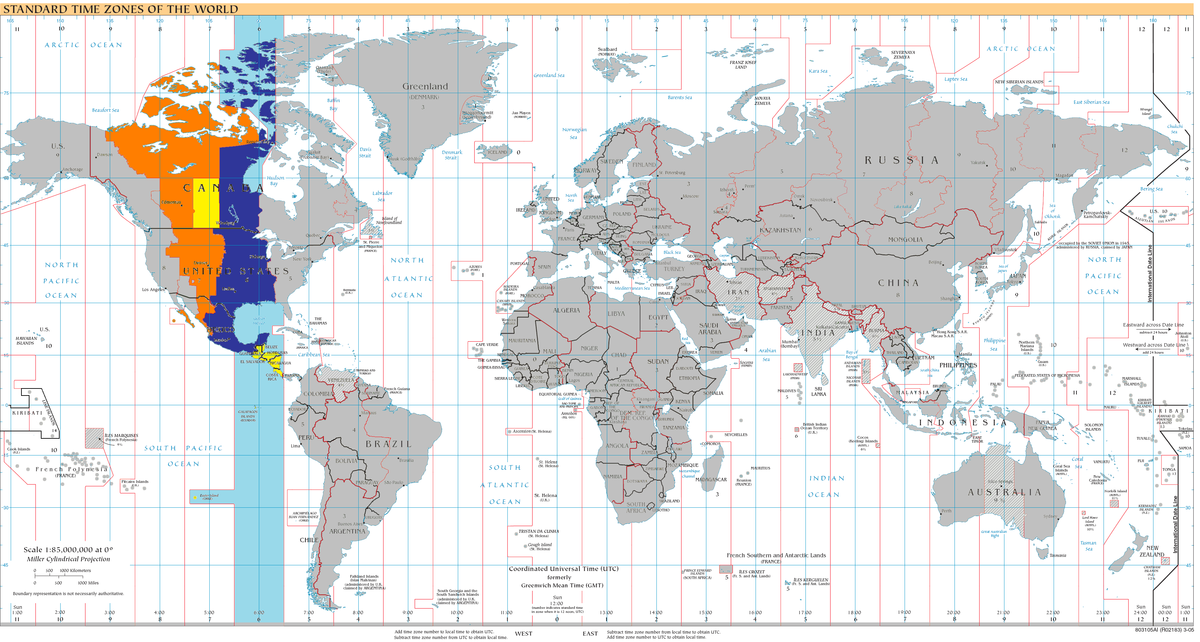
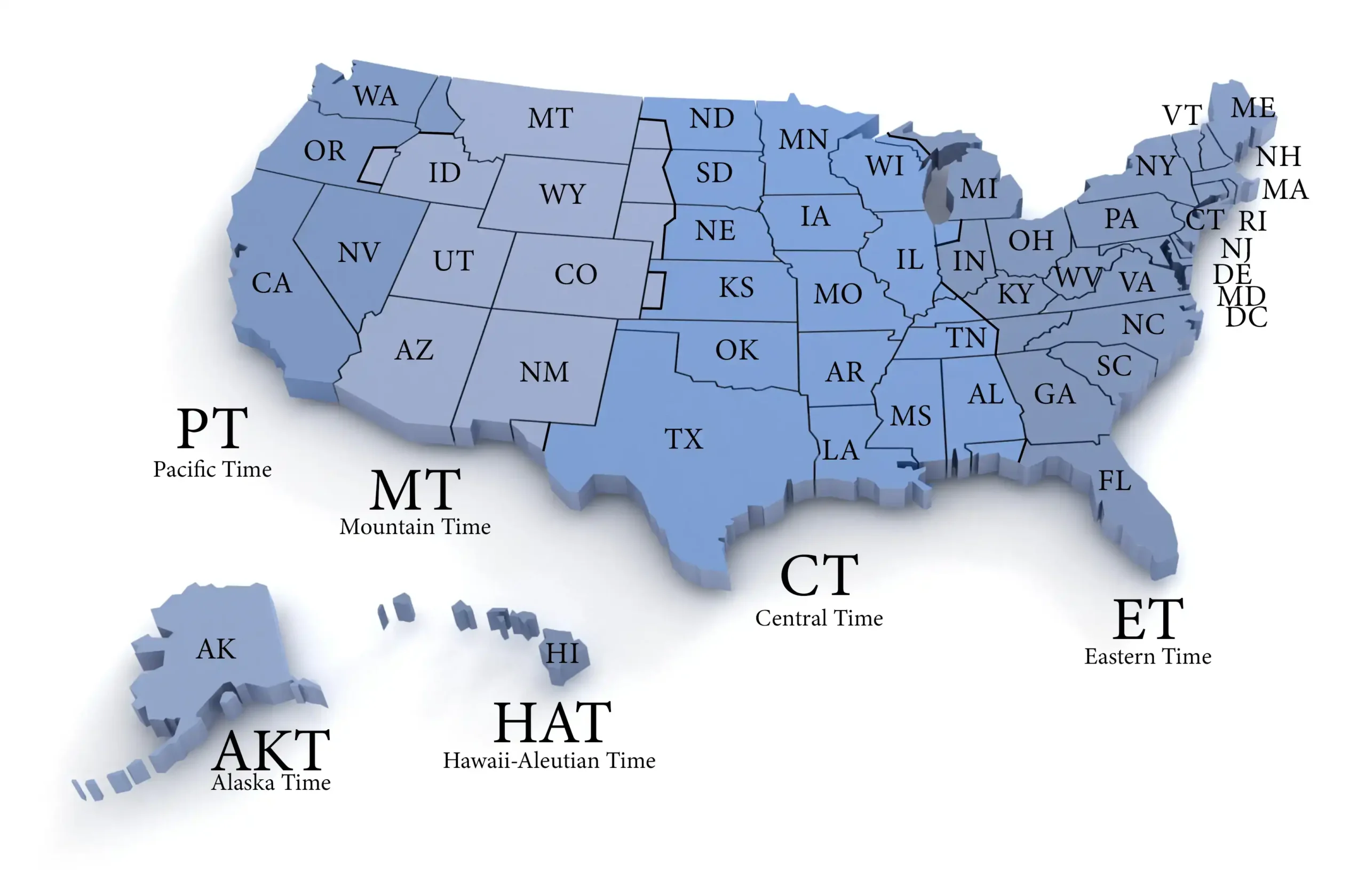
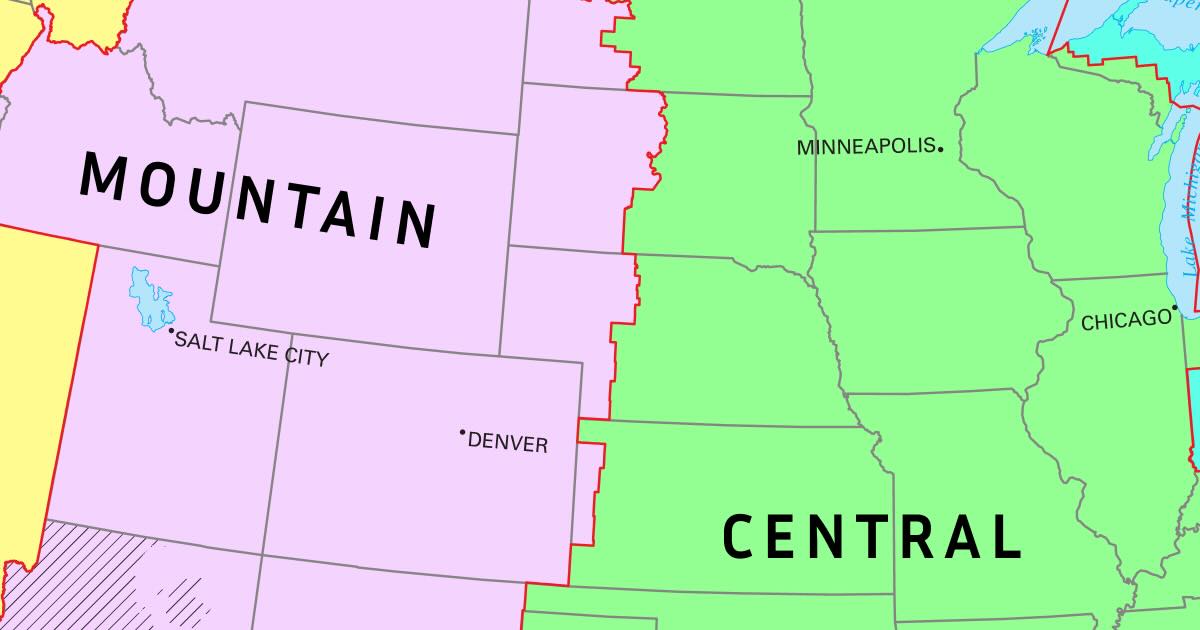
To directly address the question at hand, Minneapolis, Minnesota, observes the Central Time Zone (CT). This designation is crucial for anyone coordinating flights, booking accommodations, or scheduling activities within the city and its surrounding areas. The Central Time Zone is one of the six standard time zones in the contiguous United States. It spans across a significant portion of the central part of the country, affecting numerous states and major cities.
Understanding Central Standard Time (CST) and Central Daylight Time (CDT)
Within the Central Time Zone, like most of the United States, Minneapolis observes Daylight Saving Time. This means that the time shifts twice a year to make better use of daylight.
- Central Standard Time (CST): During the fall and winter months, Minneapolis operates on Central Standard Time (CST). This is the standard time, observed typically from early November to mid-March. CST is UTC-6, meaning it is six hours behind Coordinated Universal Time.
- Central Daylight Time (CDT): As spring arrives, the clocks are advanced by one hour to implement Daylight Saving Time. During this period, Minneapolis observes Central Daylight Time (CDT), which runs from mid-March to early November. CDT is UTC-5, making it five hours behind Coordinated Universal Time.
The transition to and from Daylight Saving Time is synchronized with the rest of the United States, usually occurring on the second Sunday in March (when clocks spring forward) and the first Sunday in November (when clocks fall back). This consistent application of Daylight Saving Time ensures that Minneapolis‘s time remains aligned with other major cities in the Central Time Zone, such as Chicago, Dallas, and Houston. This synchronization is a vital piece of information for travelers, as it simplifies scheduling when moving between different cities within the same time zone or when making international calls and connecting with friends and family abroad.
Knowing whether Minneapolis is currently on CST or CDT is important for making precise travel plans. For instance, if you are flying from New York City (which observes Eastern Time – ET), you need to account for the two-hour difference if Minneapolis is on CST (ET is UTC-5, CST is UTC-6) or the same two-hour difference if Minneapolis is on CDT (ET is UTC-4, CDT is UTC-5). Similarly, if you are traveling from Los Angeles (which observes Pacific Time – PT), the difference is typically three hours, regardless of whether Minneapolis is on CST or CDT (PT is UTC-8). Always double-check the current date against the Daylight Saving Time schedule to accurately calculate time differences.
The Impact of Time Zones on Your Minneapolis Travel Experience
Understanding Minneapolis‘s time zone is more than just a factual detail; it has tangible implications for how you experience your trip. This knowledge can influence everything from your itinerary planning to your overall sense of immersion in the local rhythm of the city.
Scheduling Attractions and Activities
Minneapolis boasts a wealth of attractions catering to diverse interests. From iconic landmarks like the Stone Arch Bridge and the arts district of the North Loop to cultural hubs such as the Minneapolis Institute of Arts and the vibrant live music scene, there’s always something to do. Knowing the local time zone is essential for booking tours, making dinner reservations, and planning your visits to museums and performance venues.
For example, if you’ve booked a guided tour of the Guthrie Theater that starts at 2:00 PM, you’ll want to arrive a little earlier to allow for travel and finding your way, especially if you’re coming from a hotel in the downtown area. Similarly, if you plan to catch a Minnesota Twins game at Target Field, understanding the game’s start time in Central Time is paramount. Early morning flights might mean an earlier wake-up call than you’re used to, depending on your origin city’s time zone. Conversely, evening activities might feel later or earlier than anticipated if you haven’t adjusted mentally to the new time.
The city’s renowned park system, including Minnehaha Park with its stunning waterfall, offers opportunities for outdoor exploration. Knowing the sunset times, which are directly influenced by the Central Time Zone, can help you plan scenic walks or picnics to maximize daylight hours, especially during the spring and summer months when CDT is in effect.
Accommodation and Lifestyle Considerations
Your choice of accommodation in Minneapolis can also be indirectly affected by time zone awareness. Whether you’re looking for a luxurious suite in a downtown hotel like the The Marquette Hotel, a family-friendly resort in the suburbs, or a charming apartment for a long-term stay, booking and check-in times are always in the local time.
Hotels in Minneapolis typically have check-in and check-out times that adhere to Central Time. Understanding this prevents any last-minute rushes or confusion. If you’re arriving on an early morning flight, you might inquire about early check-in options, and knowing the local time will make these conversations smoother. For those on extended stays or business trips, syncing your personal schedule with Minneapolis’s time zone is key to maintaining productivity and enjoying leisure time effectively.
The lifestyle of Minneapolis is a blend of urban sophistication and access to nature. Its culinary scene, from farm-to-table restaurants to vibrant food halls like the Mill City Museum Farmers Market, operates on Central Time. Knowing the local dining hours allows you to plan your gastronomic adventures, whether it’s a leisurely brunch or a late-night bite. Similarly, the city’s active nightlife, with bars and music venues concentrated in areas like the Uptown neighborhood, will all be operating according to Central Time.
Adapting to Local Rhythms
Adapting to a new time zone is often referred to as combating jet lag, but even without significant time differences, it’s about immersing yourself in the local rhythm. In Minneapolis, being aware of Central Time helps you align with the daily routines of the city. This means understanding when local businesses typically open and close, when public transportation is most active, and when certain neighborhoods come alive.
For family trips, children might need a little extra time to adjust to new meal and sleep schedules. Knowing the precise local time can help parents establish a consistent routine, making the transition smoother for everyone. Similarly, business travelers can use their knowledge of the time zone to schedule meetings efficiently, ensuring they are punctual for calls with colleagues in different parts of the United States or internationally.
The geographical location of Minneapolis in the Midwest means it experiences distinct seasons, each offering unique experiences. Summer days can be long and warm, perfect for exploring the Chain of Lakes or attending outdoor festivals. Winter brings snow and a cozy atmosphere, ideal for visiting the Mall of America or enjoying indoor cultural events. In both scenarios, understanding the hours of daylight and the operational times of attractions, all governed by Central Time, will significantly enhance your planning and enjoyment.
Beyond the Clock: Exploring Minneapolis’s Charms
While the time zone is a practical necessity for travel planning, the true allure of Minneapolis lies in its rich tapestry of attractions, cultural experiences, and natural beauty. Once you’ve got your bearings with the time, the city opens up to a world of exploration.
A City of Arts, Culture, and Innovation
Minneapolis is a city that celebrates creativity and culture. The Minneapolis Institute of Arts (MIA) houses an impressive collection spanning centuries and continents, offering a journey through human artistic expression. For those interested in performing arts, the Guthrie Theater is a world-renowned institution, staging a diverse array of theatrical productions. Music lovers will find a vibrant scene, with venues hosting everything from local indie bands to national touring artists. The First Avenue music club, famously associated with Prince, is a legendary spot for live music enthusiasts.
The city’s architecture is a fascinating blend of historic and contemporary. The iconic Foshay Tower offers panoramic views of the city, providing a historical perspective on its growth. Modern architectural marvels can be found throughout the downtown core and in districts like the North Loop, which has transformed from an industrial area into a trendy hub for dining, shopping, and entertainment. The Mill City Museum, built within the ruins of a historic flour mill, tells the story of Minneapolis‘s industrial past and its pivotal role in the flour milling industry.
Nature’s Embrace: Lakes and Parks
Despite being a major urban center, Minneapolis is renowned for its extensive park system and its numerous lakes. The city is home to over 100 miles of hiking and biking trails, many of which wind around the picturesque Chain of Lakes, including Bde Maka Ska, Lake Harriet, and Lake Calhoun (now officially known as Bde Maka Ska). These lakes are not just beautiful; they are integral to the city’s lifestyle, offering opportunities for sailing, kayaking, paddleboarding, and simply enjoying the outdoors.
Minnehaha Park, a sprawling urban oasis, is famous for its 53-foot waterfall, which freezes spectacularly in the winter months. It’s a popular spot for picnics, photography, and experiencing the natural beauty within the city limits. For those seeking a more expansive natural experience, the nearby Mississippi River offers scenic views and recreational activities. The Stone Arch Bridge, a historic railroad bridge converted into a pedestrian walkway, provides breathtaking vistas of the Mississippi River and the St. Anthony Falls, a significant landmark in the city’s history.
A Culinary and Shopping Destination
Minneapolis has emerged as a significant culinary destination, offering a diverse range of dining experiences. From upscale restaurants featuring innovative cuisine to casual eateries and food trucks, there’s something to satisfy every palate. The city’s commitment to local and seasonal ingredients is evident in its farm-to-table movement. Exploring areas like Uptown and the North Loop will reveal a vibrant collection of bistros, cafes, and bars.
For shoppers, Minneapolis offers a wide array of retail experiences. The Mall of America, one of the largest shopping malls in the United States, is a major attraction, featuring a vast selection of retail stores, entertainment venues, and an indoor amusement park. Beyond the mall, the city boasts unique boutiques, artisan shops, and farmers’ markets, particularly in neighborhoods like Northeast Minneapolis and the Uptown area, offering opportunities to find local crafts and souvenirs.
In conclusion, while knowing that Minneapolis is in the Central Time Zone is your initial navigational step, it’s merely the gateway to discovering a city rich in culture, natural beauty, and vibrant urban life. By understanding the practicalities of time, you can more fully immerse yourself in the experiences Minneapolis has to offer, ensuring a memorable and seamless journey.
LifeOutOfTheBox is a participant in the Amazon Services LLC Associates Program, an affiliate advertising program designed to provide a means for sites to earn advertising fees by advertising and linking to Amazon.com. Amazon, the Amazon logo, AmazonSupply, and the AmazonSupply logo are trademarks of Amazon.com, Inc. or its affiliates. As an Amazon Associate we earn affiliate commissions from qualifying purchases.