
The majestic Mississippi River, a ribbon of life that has shaped the American landscape and identity, is an iconic symbol of the United States. Its immense scale and historical significance have long captured the imagination of travelers, adventurers, and history buffs alike. For anyone planning a journey along its storied banks or simply curious about this natural wonder, a fundamental question arises: “How many states does the Mississippi River flow through?” The answer, while seemingly straightforward, unlocks a deeper appreciation for the river’s sprawling influence and the diverse tapestry of American life it touches.
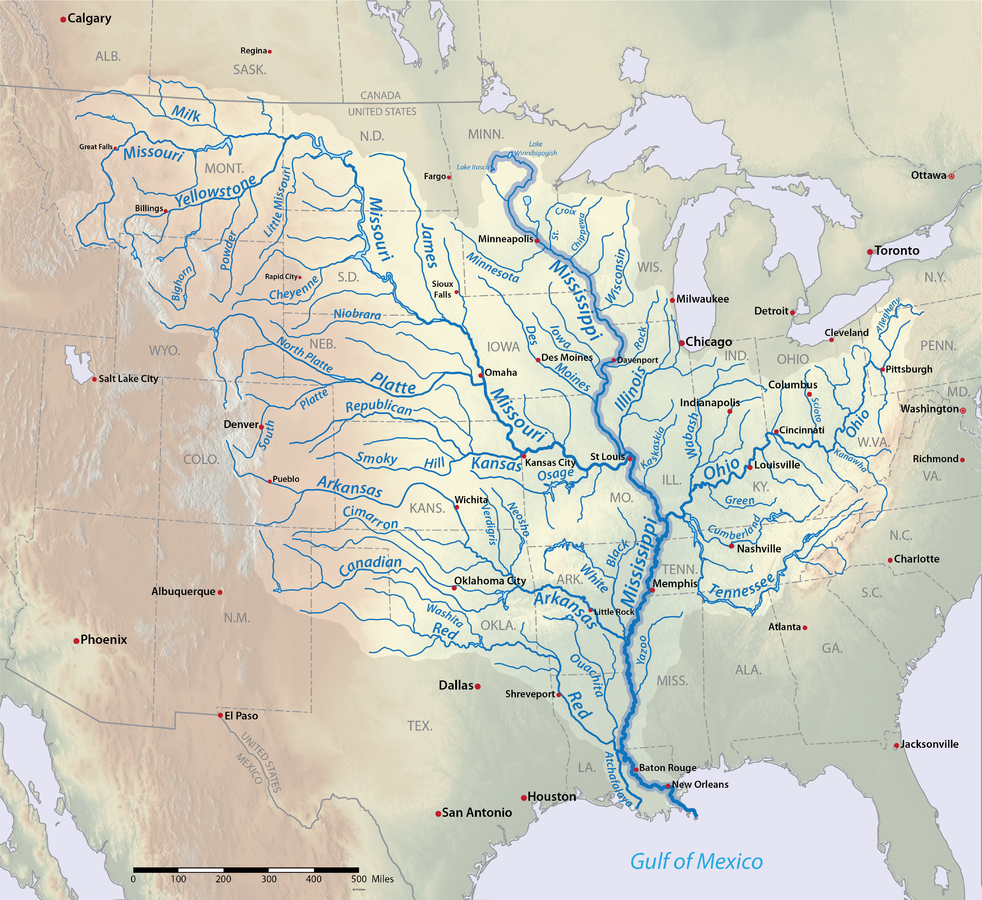
The Mississippi River is not merely a waterway; it is a vital artery, a historical highway, and a breathtaking natural landmark. From its humble beginnings as a trickle in the wilderness of northern Minnesota to its grand, sprawling delta in the Gulf of Mexico, its course traverses an astonishing breadth of geography and culture. Understanding the states it flows through is the first step to grasping its profound impact on the nation. This journey will guide you through the ten states that bear witness to the Mississippi’s ceaseless flow, revealing the unique character of each region it nourishes.
A North-South Divide: Tracing the Mississippi’s Journey
The Mississippi River is the second-longest river in North America, surpassed only by the Missouri River, which is a tributary of the Mississippi. When considered as a single river system, the Mississippi-Missouri-Jefferson river system is the fourth-longest in the world. Its watershed is the largest in North America, draining all or parts of 32 U.S. states and two Canadian provinces. However, when we refer to the Mississippi River itself, the focus is on its primary channel from its source to its mouth.
The river’s journey is a testament to the vastness of the American continent, a north-south axis that connects disparate landscapes and peoples. As it winds its way southward, it carves through distinct geographical zones, each with its own unique climate, ecosystem, and cultural heritage. From the forests of the Upper Midwest to the bayous of the Deep South, the Mississippi acts as a unifying force, bridging these regions and fostering a shared sense of place.
The Headwaters and the Upper Mississippi
The Mississippi River officially begins its journey in the pristine wilderness of northern Minnesota. This is where the adventure truly starts, a region characterized by its numerous lakes, dense forests, and a rugged, untamed beauty. The river’s source is an easily accessible and popular tourist destination, offering a tangible connection to the beginning of this immense waterway.
Minnesota: The Birthplace of the Mississippi
Our journey begins in the state of Minnesota. Here, at Lake Itasca, the Mississippi River emerges as a modest stream, barely a few feet wide. Itasca State Park is the designated birthplace, a place where visitors can walk across the very spot where the mighty river begins its thousands-of-miles-long pilgrimage. The early stages of the river are marked by clear, cool waters, flowing through a landscape dominated by pine and hardwood forests. This upper section of the river is characterized by its clarity and its relatively gentle flow, a stark contrast to the powerful currents it will develop further downstream. The natural beauty of this region makes it a prime destination for outdoor enthusiasts, offering opportunities for kayaking, hiking, and wildlife viewing. The presence of numerous other lakes in this area highlights the vast network of waterways that feed into the Mississippi, underscoring its expansive watershed.
Wisconsin: The Eastern Bank
As the Mississippi flows southward from Minnesota, it forms the western border of Wisconsin for a significant stretch. This section of the river is characterized by dramatic bluffs and picturesque valleys. The river here begins to widen and gain momentum, carving its way through the rolling terrain of the Driftless Area, a region that was largely untouched by glaciers. Charming river towns, such as La Crosse and Pepin, dot the Wisconsin side, offering a glimpse into the region’s rich maritime history and its vibrant local culture. These towns are hubs for tourism, attracting visitors with their antique shops, seafood restaurants, and scenic overlooks. The bluffs along the Wisconsin side provide breathtaking vistas of the river and the surrounding landscape, making it a popular spot for photographers and nature lovers.
Iowa: The Western Frontier
Continuing its southward journey, the Mississippi River forms the eastern border of Iowa. This stretch of the river is known for its fertile farmlands and its abundance of small, historic towns. Cities like Dubuque, Davenport, and Bettendorf are key river cities in Iowa, each contributing to the state’s identity as a vital part of the Mississippi River valley. The river here is wider and more powerful, supporting significant commercial barge traffic. The Iowa side of the river is deeply connected to the agricultural backbone of the state, with fields of corn and soybeans stretching to the riverbanks. The river plays a crucial role in the transportation of these agricultural products, highlighting its economic importance. The riverfront areas of these Iowa cities often feature parks, museums, and entertainment venues, inviting visitors to explore the unique blend of history and modern life along the Mississippi.
Illinois: The Confluence and Beyond
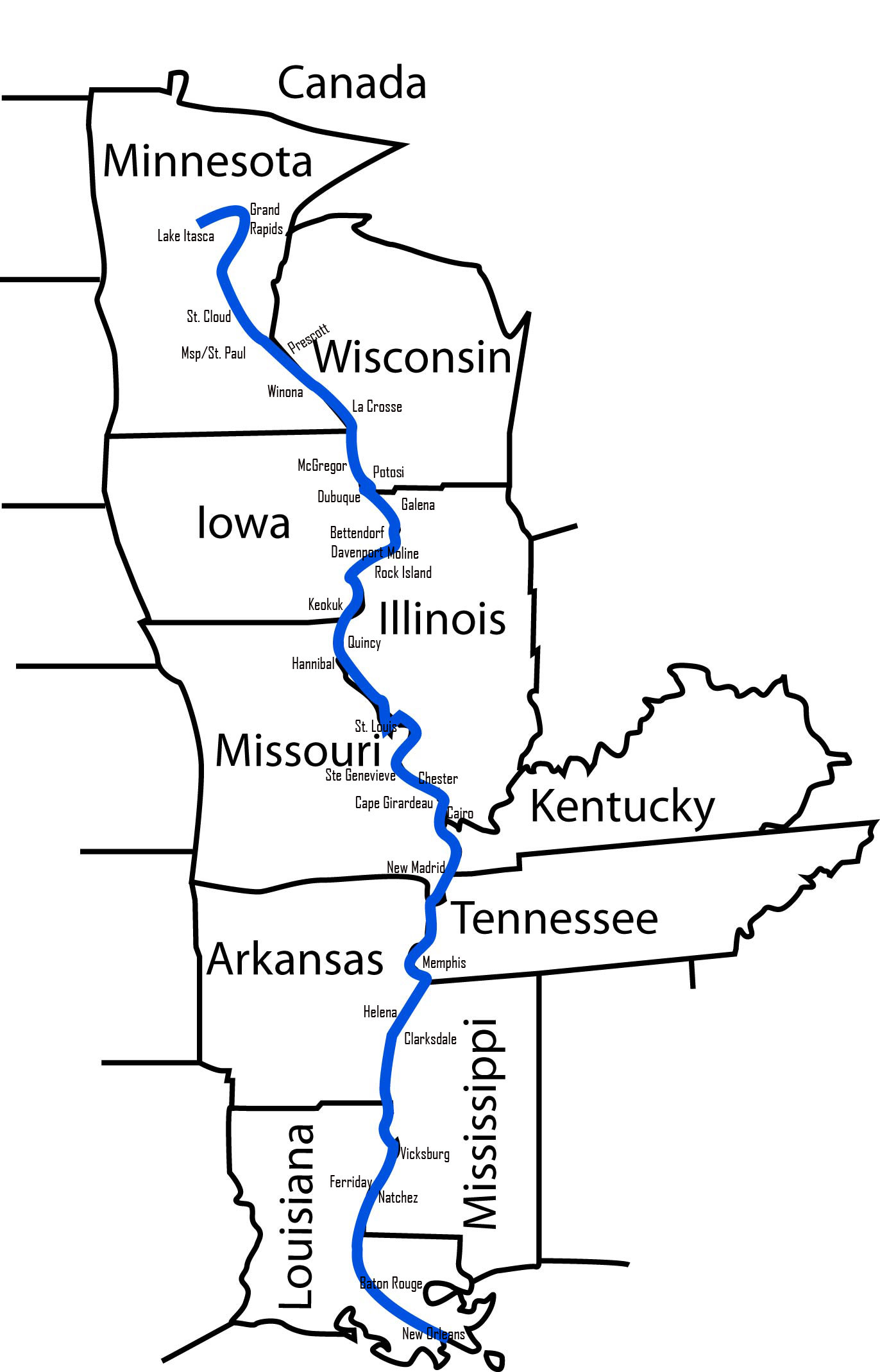
The state of Illinois plays a pivotal role in the Mississippi River’s journey, particularly at the confluence with the mighty Missouri River. Just north of St. Louis, Missouri, the Mississippi receives the waters of the Missouri River, a confluence that dramatically increases the Mississippi’s volume and power. Cities like Rock Island, Moline, and East St. Louis on the Illinois side are integral to the river’s narrative. The Illinois River itself is a major tributary, further expanding the Mississippi’s reach. The landscape in Illinois becomes flatter and more characterized by extensive agriculture and burgeoning urban centers. The river’s presence has shaped the development of many Illinois cities, serving as a gateway for trade and industry. The scenic Great River Road in Illinois offers unparalleled views of the river and its historic towns, making it a popular route for road trips.
The Mid-Mississippi and the Lower Reaches
As the Mississippi River flows further south, it enters a new phase of its journey, characterized by a broadening expanse, a more humid climate, and a distinct cultural evolution. The states in this section have been profoundly shaped by the river’s presence, both in terms of their economic development and their unique cultural identities.
Missouri: The Gateway Arch and the Great River
Missouri is arguably one of the most iconic states along the Mississippi’s course, largely due to the presence of St. Louis and its magnificent Gateway Arch. This landmark, symbolizing the westward expansion of the United States, stands as a testament to the river’s historical importance as a pathway to the West. South of St. Louis, the Mississippi forms Missouri’s eastern border. The river here is a powerful force, carrying immense volumes of water and supporting a vibrant commercial shipping industry. The fertile floodplains of Missouri are essential for agriculture, and the river is a vital tool for transporting these goods to market. The riverfront in cities like Cape Girardeau offers a glimpse into the state’s deep connection with the Mississippi, showcasing its maritime heritage and its ongoing reliance on the waterway.
Kentucky: A Brief but Significant Border
Kentucky, known for its bluegrass and bourbon, has a relatively short but significant stretch along the Mississippi River. The river forms its western border in the Far West Kentucky region, where it eventually flows into the Ohio River. While the Mississippi’s presence here is not as extensive as in some other states, it plays a crucial role in defining the western edge of the state and contributes to the overall watershed. The confluence with the Ohio River is a major geographical feature, and the Mississippi’s contribution to this meeting of waters is substantial. The river here is broad and powerful, reflecting the combined might of these two great waterways.
Tennessee: A Riverine Connection
Tennessee also has a western border defined by the Mississippi River. The state’s westernmost counties are directly influenced by the river’s flow, with cities like Memphis serving as major cultural and economic hubs on the Mississippi. Memphis is famous for its blues music heritage, its barbecue, and its status as a major port for river traffic. The riverfront in Memphis is a lively destination, featuring parks, museums, and live music venues. The river’s presence has shaped the identity of this region of Tennessee, imbuing it with a distinct Southern charm and a deep connection to the blues and soul music traditions that were born along its banks. The river is a vital artery for the transportation of goods and a significant driver of the local economy.
Arkansas: The Delta’s Heartbeat
Arkansas is another state profoundly shaped by the Mississippi River. Much of its eastern border is defined by the river, and the fertile Mississippi Delta region within Arkansas is an agricultural powerhouse. The river is the lifeblood of this region, providing water for irrigation and serving as a critical transportation route for agricultural products. Cities like Helena-West Helena and Lake Village are deeply intertwined with the Mississippi’s history and economy. The river’s floodplains have fostered a unique ecosystem and a rich cultural heritage, including the origins of delta blues music. The Great River Road in Arkansas offers stunning views of the river and the expansive Delta landscape, attracting tourists interested in both nature and history.
Mississippi: The River’s Namesake
And then, of course, there is the state that bears the river’s name: Mississippi. The river flows along the western border of the state, a constant and powerful presence. From the historic city of Vicksburg, with its pivotal Civil War battlefield, to the sprawling port of Natchez, the Mississippi River is central to the state’s identity, history, and economy. The fertile land of the Mississippi Delta is renowned for its cotton and soybean production, with the river playing an indispensable role in irrigation and transportation. The riverfronts of Mississippi cities are vibrant centers of activity, reflecting the state’s deep-rooted connection to the waterway. The cultural landscape of Mississippi, including its music and literature, is undeniably influenced by the presence of this mighty river.

Louisiana: The Grand Finale
Finally, the Mississippi River completes its extraordinary journey by flowing through the state of Louisiana to its ultimate destination: the Gulf of Mexico. As the river enters Louisiana, it begins to fan out, forming a vast and complex delta. The river’s immense power and the rich sediment it carries have created a unique and ecologically vital wetland ecosystem. Cities like New Orleans, a global icon of culture, music, and cuisine, are built upon the Mississippi’s alluvial plains. The river is the lifeblood of New Orleans, shaping its architecture, its traditions, and its very existence. The port of New Orleans is one of the busiest in the world, a testament to the river’s enduring importance in global trade. The Mississippi Delta is a region of unparalleled biodiversity, a critical habitat for countless species of birds, fish, and other wildlife. The river’s journey concludes here, not with an end, but with a grand, life-giving spread into the vast ocean.
In conclusion, the Mississippi River flows through ten states: Minnesota, Wisconsin, Iowa, Illinois, Missouri, Kentucky, Tennessee, Arkansas, Mississippi, and Louisiana. This remarkable course, spanning over 2,300 miles, is a testament to the river’s immense scale and its profound impact on the American landscape and its people. Each state it touches contributes to the rich and diverse narrative of this iconic waterway, making the Mississippi River a true cornerstone of American identity and a must-see destination for any discerning traveler.
LifeOutOfTheBox is a participant in the Amazon Services LLC Associates Program, an affiliate advertising program designed to provide a means for sites to earn advertising fees by advertising and linking to Amazon.com. Amazon, the Amazon logo, AmazonSupply, and the AmazonSupply logo are trademarks of Amazon.com, Inc. or its affiliates. As an Amazon Associate we earn affiliate commissions from qualifying purchases.