
The Magnolia, a bloom of exquisite beauty and deep historical significance, proudly holds the title of the official state flower of Mississippi. This iconic symbol is more than just a pretty blossom; it’s a testament to the state’s rich natural heritage and its enduring spirit. For those planning a visit to the Magnolia State, understanding its state flower offers a delightful glimpse into the local culture and the natural landscapes that define it. Whether you’re exploring charming Southern towns, seeking out breathtaking natural attractions, or simply enjoying the hospitality of a luxurious resort, the presence and symbolism of the Magnolia are woven into the very fabric of Mississippi.
The Enduring Elegance of the Southern Magnolia
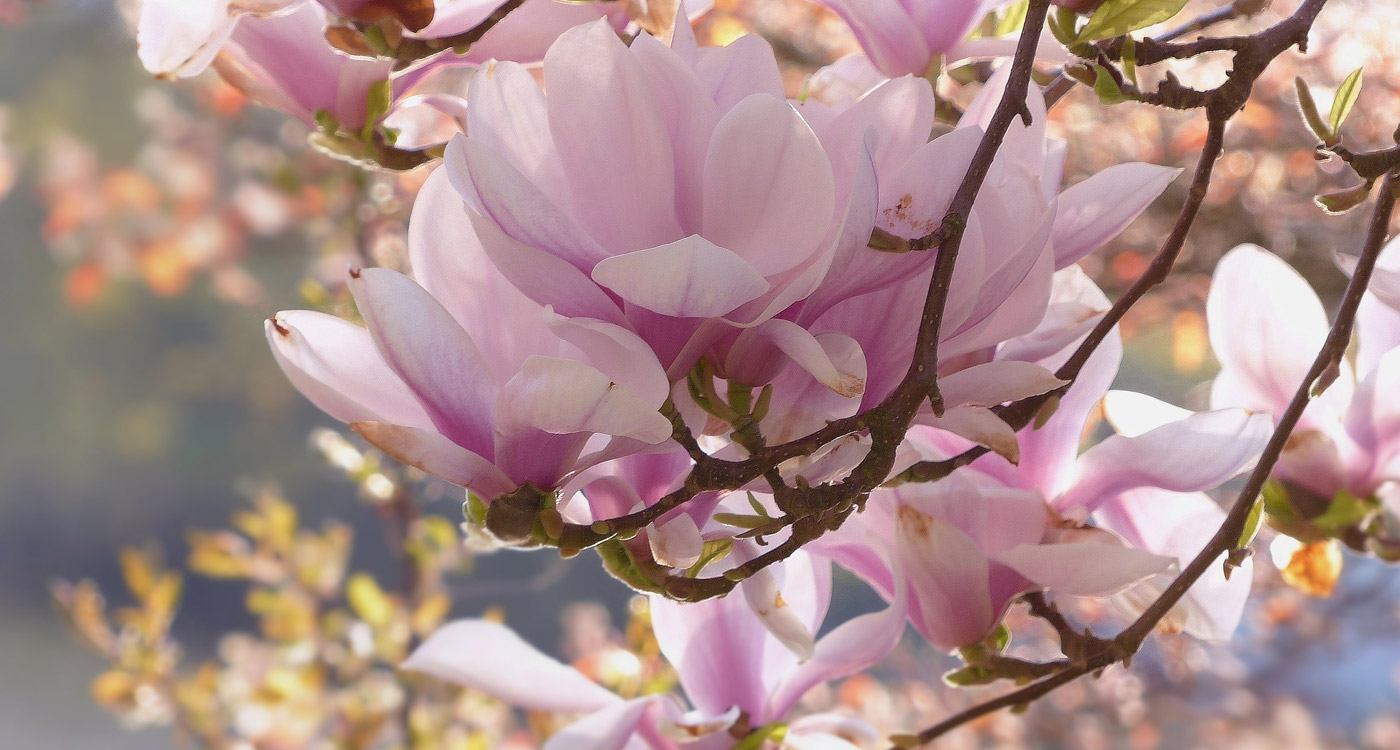
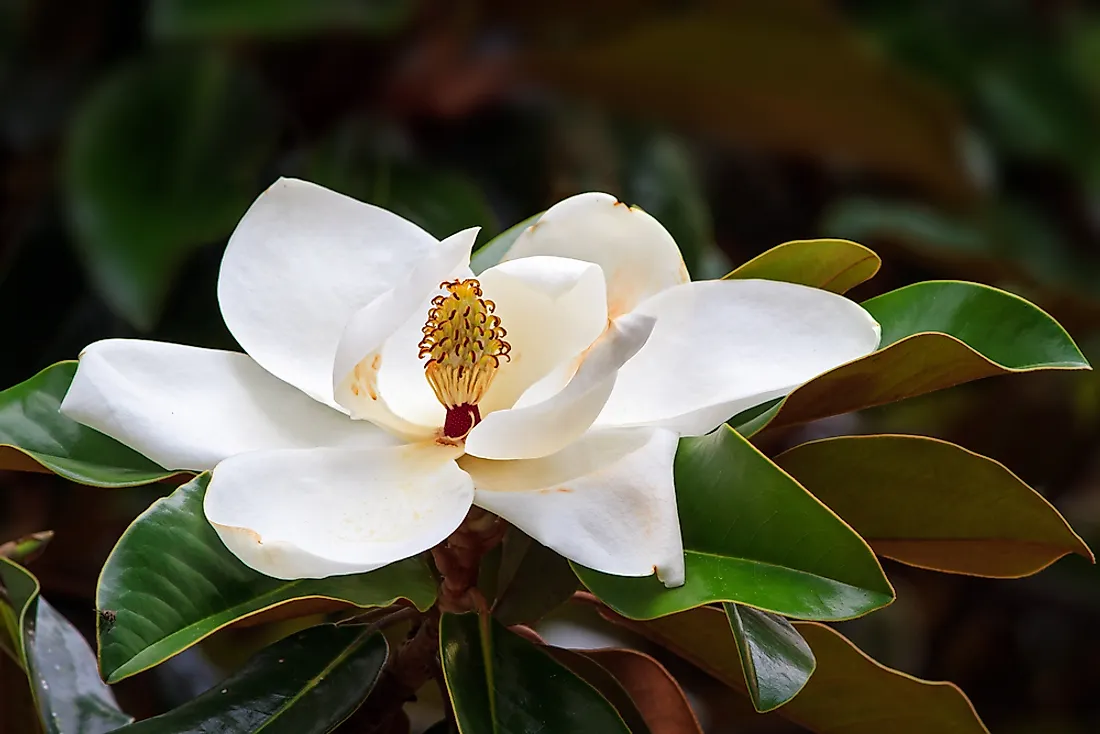
The Southern Magnolia (Magnolia grandiflora) is a magnificent evergreen tree, renowned for its large, waxy, white flowers that emit a captivating, lemony fragrance. These blossoms, often reaching up to a foot in diameter, are a striking contrast against the dark, glossy green leaves. The tree itself is a symbol of stately grandeur, with its sturdy trunk and wide canopy, providing shade and a sense of timeless beauty across the Southern landscape.
A Symbol Rooted in History and Culture
The journey to officially recognize the Magnolia as Mississippi’s state flower was a thoughtful process, reflecting the deep affection Mississippians have for this distinctive plant. While the tree itself has long been a cherished part of the state’s identity, the specific designation of the flower as the official symbol came later.
In the early 20th century, a movement began to select state flowers across the United States, often driven by civic and garden clubs. These selections were intended to foster pride and highlight the unique natural beauty of each state. For Mississippi, the Magnolia was a natural and overwhelmingly popular choice. Its presence is so pervasive that the state itself adopted the nickname “The Magnolia State.”
The official adoption of the Magnolia as the state flower occurred in 1952. This designation solidified its status, ensuring that this elegant bloom would be recognized and celebrated for generations to come. The choice was not merely aesthetic; it resonated with the historical narratives and the agricultural backbone of Mississippi, where Magnolias have long been a familiar and beloved sight.
Botanical Characteristics and Significance
The Southern Magnolia is a member of the Magnoliaceae family, an ancient lineage of flowering plants. It is native to the southeastern United States, thriving in the warm, humid climate that characterizes much of Mississippi. The tree typically grows to heights of 60 to 80 feet, with some specimens reaching even greater proportions. Its leathery leaves are ovate and pointed, with a rust-colored or brown underside that adds to its visual appeal.
The flowers are the true stars of the show. Blooming from spring through summer, they are solitary and terminal, appearing at the ends of branches. Their petals are thick and creamy white, radiating a sweet perfume that fills the air, particularly on warm, still days. After the bloom fades, the flower develops into a distinctive cone-like fruit, which ripens to reveal bright red seeds.
The ecological significance of the Magnolia is also noteworthy. It provides habitat and food for various wildlife, including birds and squirrels. Its hardy nature and adaptability to different soil conditions have contributed to its widespread presence in both natural settings and cultivated gardens throughout Mississippi.
Experiencing the Magnolia in Mississippi
For travelers visiting Mississippi, encountering the Magnolia is an integral part of the experience, enriching any exploration of the state’s attractions, accommodations, and cultural offerings.
Destinations Adorned with Magnolias
The Magnolia’s presence is felt across Mississippi, from its vibrant cities to its serene countryside.
-
Natchez: This historic city, famed for its antebellum architecture and Southern charm, is dotted with grand estates surrounded by mature Magnolia trees. Visiting places like Longwood or Rosalie Mansion offers a chance to see Magnolias in their full glory, often framing these magnificent historical landmarks. The Natchez Trace Parkway itself, a scenic byway, winds through landscapes where Magnolias are a common and beautiful sight, especially during blooming season.
-
Vicksburg: Known for its pivotal role in the Civil War, Vicksburg National Military Park offers not only historical reflection but also beautiful natural scenery. The park’s rolling hills and wooded areas are home to numerous Magnolia trees, providing a sense of peace and natural beauty to the somber historical grounds.
-
Jackson: The state capital, Jackson, offers a blend of urban attractions and green spaces. The Mississippi Civil Rights Museum and the Museum of Mississippi History provide deep cultural insights, while parks like the LeFleur’s Bluff State Park offer opportunities to see native flora, including Magnolias.
-
Coastal Mississippi: Along the Gulf Coast, towns like Ocean Springs and Biloxi feature lush gardens and coastal landscapes where the Magnolia thrives. The Beauvoir estate, the former home of Jefferson Davis, is particularly known for its beautiful grounds, often featuring blooming Magnolias.
Accommodation Embracing the Magnolia Theme

Many hotels, resorts, and inns in Mississippi draw inspiration from the state flower, incorporating its name or imagery into their offerings.
-
The Magnolia Hotel Jackson: This establishment often reflects the charm and hospitality associated with Mississippi, with its name directly referencing the state flower. Guests can expect a comfortable stay, potentially with amenities that evoke a sense of local flavor.
-
Various Bed & Breakfasts: Numerous charming bed and breakfasts across Mississippi, particularly in historic towns like Natchez and Greenville, often feature gardens adorned with Magnolias. Staying at one of these can provide an intimate and picturesque experience, allowing visitors to wake up to the sight and scent of these magnificent blooms.
-
Luxury Resorts: For those seeking a more upscale experience, resorts may offer grounds meticulously landscaped with Magnolias, providing a tranquil and beautiful setting for relaxation and enjoyment. Properties near the coast or in the Delta region might offer such serene escapes.
Cultural and Culinary Connections
The Magnolia’s influence extends beyond the visual. It’s a symbol that permeates Mississippi’s cultural identity.
-
Local Arts and Crafts: You might find Magnolia motifs incorporated into local art, pottery, and handcrafted souvenirs, offering a tangible piece of Mississippi’s natural beauty to take home.
-
Festivals and Events: While not always centered solely on the flower, many local festivals and events in Mississippi celebrate the state’s heritage, where the Magnolia is undoubtedly a recognized emblem.
-
Culinary Experiences: Although the Magnolia flower itself isn’t typically consumed, its presence influences the overall ambiance of dining experiences. Restaurants in areas known for their lush vegetation often feature outdoor seating where diners can enjoy the beauty of the surrounding Magnolias. Consider exploring the vibrant culinary scene in cities like Oxford or enjoying seafood in coastal towns, all within a landscape graced by the state flower.
Planning Your Magnolia State Adventure
When planning a trip to Mississippi, timing your visit to coincide with the Magnolia blooming season can enhance your experience. The peak blooming period generally runs from late spring through the summer months, offering the most vibrant displays and the most potent fragrance.
Travel Tips for Nature Enthusiasts
For travelers who appreciate nature and its wonders, Mississippi offers a wealth of opportunities.
-
Guided Tours: Consider booking guided tours in historic cities like Natchez that focus on gardens and historical estates. These tours often highlight the significance and beauty of the native flora, including the Magnolias.
-
State Parks: Explore Mississippi’s state parks, such as Tishomingo State Park or Tombigbee State Park, which offer hiking trails and opportunities to observe native plant life in its natural habitat.
-
Botanical Gardens: While Mississippi doesn’t have a singular, large botanical garden solely dedicated to the Magnolia, many local arboretums and garden centers showcase native plants, offering insights into the region’s floral diversity.
Accommodation and Lifestyle Choices
Whether you prefer a luxurious resort experience or a more budget-friendly stay, Mississippi offers a range of options.
-
Luxury Stays: For those seeking luxury, consider high-end hotels or resorts that emphasize Southern hospitality and offer beautiful grounds. Look for properties that boast mature gardens or are situated in areas with abundant natural beauty.
-
Budget Travel: Even on a budget, you can enjoy the essence of Mississippi. Many charming, smaller inns and motels provide comfortable stays, and the natural beauty of the state, including its ubiquitous Magnolias, is freely accessible. Camping in state parks is another excellent budget-friendly option.
-
Family Trips: Families will find Mississippi to be a welcoming destination. Beyond the historical sites, engaging in outdoor activities like exploring parks or visiting nature centers can be a hit with children. The simple act of admiring the large Magnolia blooms can be a memorable experience for all ages.
The Magnolia, Mississippi’s state flower, is more than just a botanical specimen; it’s a living emblem of the state’s identity, resilience, and natural splendor. From the historic streets of Natchez to the peaceful trails of its state parks, its presence enriches every aspect of a visit, making Mississippi a truly unforgettable destination.
LifeOutOfTheBox is a participant in the Amazon Services LLC Associates Program, an affiliate advertising program designed to provide a means for sites to earn advertising fees by advertising and linking to Amazon.com. Amazon, the Amazon logo, AmazonSupply, and the AmazonSupply logo are trademarks of Amazon.com, Inc. or its affiliates. As an Amazon Associate we earn affiliate commissions from qualifying purchases.