
Navigating time zones can be a crucial aspect of travel planning, especially when crossing borders or even within a large country like the United States. For those planning a trip to the Magnolia State, understanding the local time in Mississippi is not just about setting your watch; it’s about aligning with schedules, making connections, and fully immersing yourself in the experiences the state has to offer. This guide will delve into the intricacies of time in Mississippi, exploring its time zone, how it affects travel and tourism, and what you need to know to make your visit seamless and enjoyable.

Understanding Time Zones in Mississippi
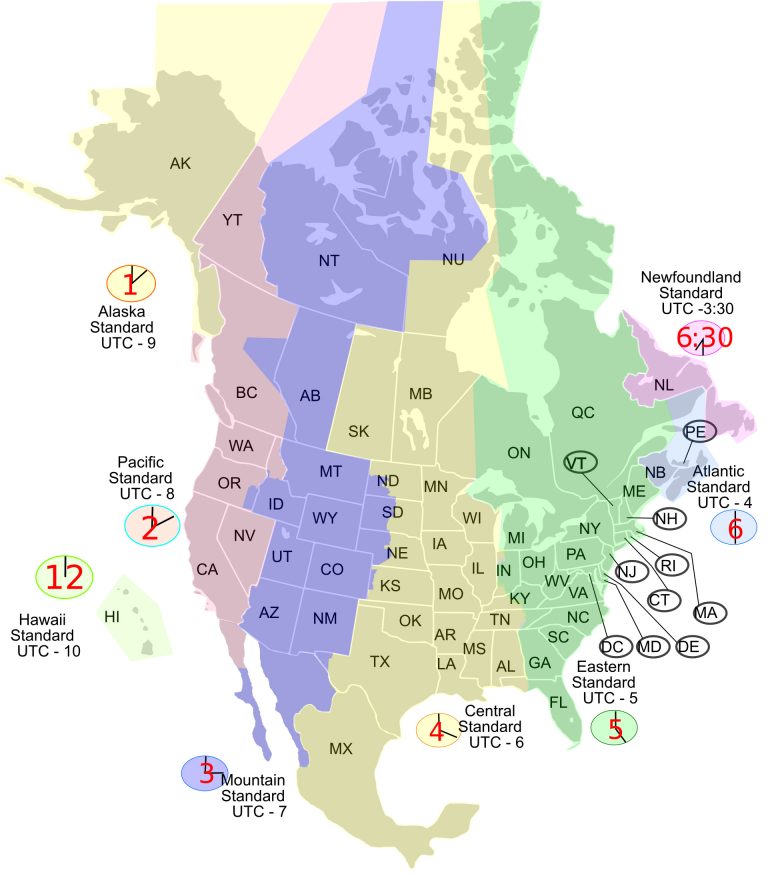
Mississippi predominantly observes Central Standard Time (CST), which is UTC-6. During daylight saving time, it transitions to Central Daylight Time (CDT), which is UTC-5. This means that for a significant portion of the year, Mississippi is one hour behind Eastern Standard Time (EST) and six hours behind Coordinated Universal Time (UTC).
The Central Time Zone stretches across a vast swathe of the United States, encompassing much of the Midwest, South, and parts of the Great Plains. Mississippi falls squarely within this zone. This uniformity within the state simplifies matters considerably; you won’t find different cities or regions within Mississippi adhering to different time zones, which can be a common point of confusion in other, larger states.
The Impact of Daylight Saving Time
Like most of the United States, Mississippi observes Daylight Saving Time (DST). This annual practice, which begins on the second Sunday in March and ends on the first Sunday in November, sees clocks moved forward by one hour. The purpose of DST is to make better use of natural daylight. For travelers, this means that during the months of DST, Mississippi will be on CDT (UTC-5). It’s essential to be aware of these shifts, especially if you’re coordinating with people in other time zones or booking flights and accommodations. A quick check of the current time in Mississippi before you travel is always a good practice.
Coordinating Across Time Zones
When planning a trip to Mississippi, understanding its time zone is critical for a variety of reasons. Booking flights and hotels is perhaps the most immediate concern. Ensure that when you are making reservations, you are aware of the local time in Mississippi versus your departure or current location. For example, if you are flying from New York (which is in the Eastern Time Zone) to Jackson, Mississippi, you will need to account for the one-hour difference. A flight that departs at 10:00 AM EST will arrive in Jackson at 10:00 AM CST (or CDT depending on the time of year), but local time in Mississippi will already be an hour behind.
This also applies to making calls, scheduling meetings, or arranging pick-up times for tours and transportation. Being mindful of the time difference ensures you don’t miss appointments or make inconvenient calls during someone’s off-hours.
Traveling Through Mississippi: Time and Experience
The rhythm of life in Mississippi is deeply connected to its time zone, influencing everything from the opening hours of attractions to the timing of local events and the general pace of daily life. Understanding the local time is key to unlocking the full spectrum of experiences the state has to offer.
Navigating Mississippi’s Tourism Landscape
When planning your itinerary for Mississippi, knowing the local time is paramount for making the most of your days. Many of Mississippi‘s most beloved attractions have specific operating hours. For instance, historical sites like the Vicksburg National Military Park or the Beauvoir estate in Biloxi will have set opening and closing times. Arriving too late might mean missing out on a guided tour or the opportunity to explore.
Similarly, dining experiences in Mississippi are often tied to local time. Whether you’re eager to sample world-renowned Southern cuisine at a restaurant in New Orleans (just a short trip away across the state line) or enjoy a casual meal in Oxford, understanding meal times and reservation availability will enhance your culinary adventures. Many restaurants operate on traditional meal schedules, with lunch typically served from late morning into the afternoon, and dinner service beginning in the early evening. Knowing the local time will help you plan your meals perfectly, whether you’re aiming for an early bird special or a late-night bite.
Local culture and activities also unfold according to the clock. Festivals, music performances, and community events are scheduled with the local time in mind. For example, a blues concert in the Mississippi Delta might start at 8:00 PM CST, and arriving at 7:30 PM will give you ample time to find a good seat and soak in the atmosphere.
Accommodation and Lifestyle Considerations
Your choice of accommodation in Mississippi can also be influenced by time zone awareness. Whether you’re staying at a luxurious resort like the Gold Strike Casino Resort in Tunica or a charming bed and breakfast in Natchez, check-in and check-out times are strictly enforced according to local Central Time. Understanding these times ensures a smooth transition into and out of your lodging.
For those on longer stays, perhaps for business or extended vacation, synchronizing with the local workday and business hours is essential. This means understanding when businesses open and close, and how the time difference might affect communication with teams or clients elsewhere.
The lifestyle aspect of travel in Mississippi is also subtly shaped by its time zone. The pace of life, particularly in the more rural areas, can feel more relaxed. Embracing this rhythm means aligning yourself with the local flow of time. An early morning visit to a local farmer’s market, a leisurely afternoon exploring the historic streets of Greenville, or an evening spent listening to live music all benefit from a conscious awareness of the local time.
Key Destinations and Their Time Alignment
Mississippi is a state rich in history, culture, and natural beauty, and while the entire state observes Central Time, understanding the specific nuances of its key destinations can enrich your travel experience.
Northern Mississippi: The Hill Country and Casinos
In the northern part of the state, areas like Oxford, home to the prestigious University of Mississippi, and Tupelo, the birthplace of Elvis Presley, operate under Central Time. Visitors to Oxford will find the town’s charming square and academic buzz are best experienced during standard daytime hours. The Elvis Presley Birthplace in Tupelo has specific visiting hours that adhere to local time, so planning your visit accordingly is important.
Further north, the city of Tunica is a hub for casino resorts such as the Gold Strike Casino Resort and the Horseshoe Casino Tunica. These establishments, while often operating 24/7 for gaming, will have specific hours for their restaurants, shows, and other amenities that are all set to Central Time.
Central Mississippi: The State Capital and Historic Towns
The capital city of Jackson is the heart of Mississippi, and like the rest of the state, it operates on Central Time. Jackson offers a wealth of attractions, including the Mississippi Civil Rights Museum, the Museum of Mississippi History, and the Old Capitol Museum. All these institutions will have fixed opening and closing times, typically during standard business hours. Planning your days in Jackson to maximize your time at these cultural landmarks is a must.
Heading south from Jackson, you’ll find historic towns like Vicksburg, renowned for the Vicksburg National Military Park, a pivotal site from the Civil War. Understanding the local time here is crucial for participating in guided tours or exploring the battlefield. The town itself, with its antebellum homes, also invites leisurely exploration best suited to daylight hours.

Southern Mississippi: Coastal Charm and the Mississippi Delta
Along the Gulf Coast, cities like Biloxi, Gulfport, and Pascagoula are popular tourist destinations known for their beaches, casinos, and seafood. Even though they are coastal, they remain firmly within the Central Time Zone. The Beauvoir estate in Biloxi, the last home of Confederate President Jefferson Davis, operates on local time, as do the numerous resorts and entertainment venues along the coast.
The Mississippi Delta, a region of profound cultural significance, particularly for its role in the development of blues music, also adheres to Central Time. Towns like Clarksdale and Indianola are steeped in musical history, with museums and juke joints that have their own operating hours. Experiencing the authentic blues scene often means attending performances that start in the evening, so being aware of the local time is essential for catching the magic.
No matter where your travels take you within Mississippi, a clear understanding of Central Time will ensure you can fully immerse yourself in the state’s rich tapestry of history, culture, and natural beauty without missing a beat. From the moment you arrive, aligning with the local time will be your first step towards a memorable journey through the Magnolia State.
LifeOutOfTheBox is a participant in the Amazon Services LLC Associates Program, an affiliate advertising program designed to provide a means for sites to earn advertising fees by advertising and linking to Amazon.com. Amazon, the Amazon logo, AmazonSupply, and the AmazonSupply logo are trademarks of Amazon.com, Inc. or its affiliates. As an Amazon Associate we earn affiliate commissions from qualifying purchases.