
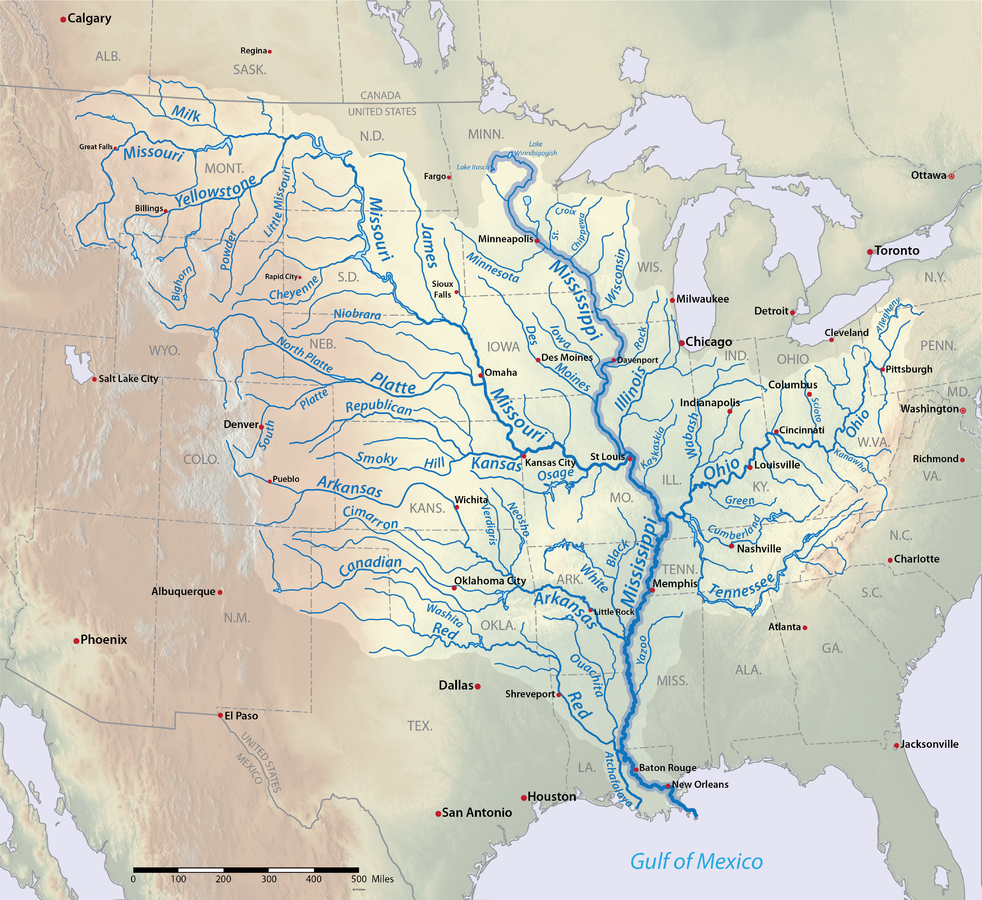
The Mississippi River, a colossal serpentine artery of North America, is a name that evokes images of steamboats, jazz music, and the very soul of America. But for the curious traveler, the question “Where is River Mississippi?” is more than just a geographical inquiry; it’s an invitation to explore a vast and varied landscape that shapes both the natural world and the human experience. This iconic river doesn’t reside in a single location but rather flows through the heart of the United States, charting a course from its humble beginnings in the north to its majestic embrace of the Gulf of Mexico in the south.

Tracing the Mississippi River is a journey through diverse ecosystems, rich history, and vibrant cultures. Its immense length, approximately 2,320 miles (3,734 kilometers), makes it the second-longest river in North America, surpassed only by the Missouri River, a major tributary that merges with it. The river’s watershed, however, is the fourth largest in the world, draining all or parts of 32 U.S. states and two Canadian provinces, a testament to its immense hydrological significance. Understanding “Where is River Mississippi?” means appreciating its role as a lifeblood for the continent, a conduit for commerce, and a cradle of diverse human settlements.
The river’s journey is a geographical marvel. It begins as a small, clear stream in the northern reaches of Minnesota, specifically at Lake Itasca. This serene, almost poetic origin is a stark contrast to the powerful, broad river it becomes as it meanders southward. The Mississippi River then carves its way through the heartland of America, a region characterized by rolling plains, fertile farmlands, and bustling cities that owe their very existence to its presence. As it progresses, it collects waters from numerous tributaries, each adding to its volume and character, transforming it into a mighty force of nature.
The Mississippi’s Genesis: From Lake Itasca to the Heartland
The story of the Mississippi River truly begins in the tranquil beauty of Lake Itasca in northern Minnesota. This pristine lake, nestled within Itasca State Park, is the official source of the Mississippi River. Here, visitors can walk across the nascent river, a symbolic step marking the beginning of an epic voyage. The initial flow is gentle, a mere trickle that belies the power it will gather. This northern headwaters region is a landscape of forests, lakes, and wetlands, a crucial part of the river’s ecological system and a popular destination for nature lovers and those seeking a deeper connection with this natural wonder.
As the Mississippi River flows south, it gradually widens and deepens, collecting the waters of smaller rivers and streams. The landscape begins to change, transitioning from the coniferous forests of the north to the deciduous woodlands and then to the vast, fertile plains of the American Midwest. This region, often referred to as the “breadbasket of America,” is defined by its agriculture, and the Mississippi River is central to its prosperity. The river provides essential water for irrigation, a vital artery for transporting agricultural products to markets, and a historical highway for settlers and traders.
Navigating the Upper Mississippi: Cities and Natural Wonders
The Upper Mississippi River region is characterized by a series of dramatic bluffs, picturesque valleys, and charming river towns. Cities like Minneapolis and Saint Paul in Minnesota, often called the “Twin Cities,” are built along its banks, showcasing a blend of urban sophistication and natural beauty. Here, the river is a source of recreation, with opportunities for kayaking, fishing, and scenic cruises. The Stone Arch Bridge in Minneapolis, for instance, offers stunning views of the river and the city skyline.
Further south, Wisconsin and Iowa embrace the river, with cities like La Crosse and Dubuque offering a glimpse into a more traditional riverine lifestyle. The bluffs become more prominent, carved by glaciers and the relentless flow of water over millennia. These natural landmarks provide a dramatic backdrop to the river, offering hiking trails and panoramic vistas. The Effigy Mounds National Monument in Iowa, for example, preserves ancient Native American burial mounds shaped like animals, offering a profound connection to the region’s pre-colonial history and its sacred relationship with the river.
The Mississippi River in this stretch is also a crucial migratory route for birds, making it a paradise for birdwatchers. The Great River Road, a scenic byway that runs parallel to the river for much of its length, provides an unparalleled driving experience, allowing travelers to explore charming small towns, historic sites, and breathtaking natural vistas at their own pace. Accommodations in this region range from cozy bed and breakfasts to larger hotels, catering to various travel styles and budgets. For those seeking a more immersive experience, houseboats and river cruises offer a unique way to explore the Upper Mississippi.
The Mighty Middle and Lower Mississippi: Culture, Commerce, and the Delta
As the Mississippi River continues its southward journey, it enters the Middle and Lower Mississippi regions, where its character transforms dramatically. The river becomes wider, slower, and more meandering, reflecting the flatter topography of the land. This is where the Mississippi River truly becomes the “Great River,” a symbol of America’s expansion and its cultural tapestry.
Gateway to the South: St. Louis and Memphis
The Mississippi River serves as a vital conduit for commerce, and cities like St. Louis, Missouri, stand as testaments to this role. The iconic Gateway Arch in St. Louis symbolizes the westward expansion facilitated by the river, offering visitors breathtaking views of the river and the surrounding landscape. St. Louis is also a hub for riverboat tours, allowing visitors to experience the grandeur of the Mississippi firsthand, often with live jazz music and historical narratives.
Further south, the Mississippi River flows through Memphis, Tennessee, a city synonymous with the birth of blues and rock and roll music. The riverfront in Memphis is a vibrant area, with attractions like the Memphis Riverfront park offering entertainment and cultural experiences. Cruising on a traditional paddlewheel steamboat from Memphis is a quintessential Mississippi experience, transporting visitors back in time to an era when the river was the primary mode of transportation and commerce. The National Civil Rights Museum at the Freedom Rides Memorial, located near the river, offers a poignant historical perspective on the river’s role in shaping American history and society.
The Mississippi Delta: A Region Defined by the River
The Lower Mississippi is often synonymous with the Mississippi Delta, a fertile alluvial plain that has profoundly shaped the region’s culture, economy, and music. Cities like Vicksburg, Mississippi, and Natchez, Mississippi, are steeped in antebellum history, with grand mansions and a tangible sense of the past. The Vicksburg National Military Park, commemorating a pivotal battle of the Civil War, overlooks the river, reminding visitors of its strategic importance.
The Mississippi Delta is the birthplace of the blues, a genre of music that emerged from the struggles and resilience of African Americans living and working along the river. Exploring the Mississippi Blues Trail is an essential part of understanding the region’s soul. Cities like Clarksdale, Mississippi, are vital centers for this musical heritage, with juke joints and museums dedicated to the genre. The Delta Queen, a historic steamboat, offers a unique way to experience the Mississippi Delta, with its intimate setting and focus on historical and cultural immersion.
The cuisine of the Lower Mississippi is as rich and diverse as its history, heavily influenced by the bounty of the river and the surrounding land. Fresh seafood, particularly catfish and crawfish, is a staple, prepared with the distinctive flavors of Southern cooking. Experiencing the local food scene is an integral part of any trip along the Mississippi River, from casual diners to upscale restaurants offering regional specialties. The Mississippi River continues to be a vital force, not just as a geographical entity but as a cultural and historical anchor for the communities it sustains.
The Grand Finale: The Mississippi Delta and the Gulf of Mexico
The final stretch of the Mississippi River journey is a breathtaking transition as it approaches the Gulf of Mexico. The river widens significantly, its currents becoming more powerful as it prepares to disgorge its vast accumulated waters into the sea. This estuarine region is a complex and dynamic environment, crucial for biodiversity and a critical gateway for international trade.
The Mississippi River Delta: A Natural Wonder
The Mississippi River Delta is one of the largest and most ecologically significant river deltas in the world. Formed by centuries of sediment deposition, it is a sprawling expanse of wetlands, bayous, and marshes. This unique landscape is a vital habitat for countless species of birds, fish, and other wildlife, making it a prime destination for ecotourism and nature photography. The Jean Lafitte National Historical Park and Preserve near New Orleans offers visitors the opportunity to explore this fascinating ecosystem, with boardwalks winding through cypress swamps and opportunities to spot alligators and diverse birdlife.
The delta is a constantly changing landscape, shaped by the river’s flow, tides, and storms. It is also a region facing significant environmental challenges, including land loss and erosion, making conservation efforts crucial. Understanding the ecological importance of the Mississippi River Delta is key to appreciating the river’s full impact on the North American continent.
Baton Rouge and the Road to the Sea
As the Mississippi River nears its mouth, it flows through Baton Rouge, the capital of Louisiana. This vibrant city showcases a unique blend of Southern charm and industrial prowess, with the Old Louisiana State Capitol and the Louisiana State Capitol being prominent landmarks. Riverboat casinos and dinner cruises are popular attractions here, offering a taste of the river’s enduring appeal as a source of entertainment and leisure. The riverfront in Baton Rouge provides a lively atmosphere, with festivals and events often taking place along its banks.
The final segment of the river’s journey is a testament to its power and scale. It navigates through the extensive deltaic plains, a labyrinth of channels and waterways that eventually lead to the vast expanse of the Gulf of Mexico. The Port of South Louisiana, located on the Mississippi River, is the largest port in the United States by tonnage, underscoring the river’s continued importance as a global trade route.

The Gulf of Mexico: The Mississippi’s Embrace
The ultimate destination of the Mississippi River is its grand confluence with the Gulf of Mexico. Here, the freshwater of the river mingles with the saltwater of the ocean, creating a brackish environment that supports a unique array of marine life. The Gulf of Mexico itself is a region of immense beauty and economic importance, supporting major fishing industries and tourism.
For travelers, reaching the mouth of the Mississippi River can be an adventure in itself. New Orleans, Louisiana, stands as the iconic gateway to this final stage. Known for its unique Creole culture, vibrant music scene, and world-renowned cuisine, New Orleans is a city that breathes with the spirit of the Mississippi. Exploring the historic French Quarter, taking a steamboat ride on the river, or indulging in the local culinary delights are essential New Orleans experiences. The proximity of New Orleans to the Gulf of Mexico further solidifies the river’s connection to this vast body of water.
The question “Where is River Mississippi?” ultimately leads to a realization: it is everywhere the water flows, from its tranquil source in Minnesota to its powerful embrace of the Gulf of Mexico. It is a river that defines a continent, shapes cultures, and continues to inspire awe and wonder in all who venture to explore its magnificent journey. Whether you are seeking historical insights, cultural immersion, natural beauty, or simply an unforgettable travel experience, the Mississippi River offers a journey that is as vast and varied as the American landscape itself.
LifeOutOfTheBox is a participant in the Amazon Services LLC Associates Program, an affiliate advertising program designed to provide a means for sites to earn advertising fees by advertising and linking to Amazon.com. Amazon, the Amazon logo, AmazonSupply, and the AmazonSupply logo are trademarks of Amazon.com, Inc. or its affiliates. As an Amazon Associate we earn affiliate commissions from qualifying purchases.