
The Mississippi River, a colossal artery of North America, is a geographical marvel that has shaped the history, economy, and culture of a continent. From its humble beginnings as a trickle in the Northwoods of Minnesota to its expansive delta meeting the Gulf of Mexico, its journey is one of profound significance. Understanding the direction of its flow is not merely a matter of cartographic curiosity; it unlocks a deeper appreciation for its role in exploration, trade, and the very development of the United States.
The seemingly simple question, “Which direction does the Mississippi River flow?”, belies a rich tapestry of interconnected information that touches upon travel, tourism, landmarks, and lifestyle. As we embark on this exploration, we will not only answer this fundamental question but also delve into the captivating narratives and practical considerations that surround this iconic waterway.

The Grand Journey South: Tracing the Mississippi’s Path
At its heart, the Mississippi River flows predominantly from north to south. This southward trajectory is dictated by gravity, as the river originates in the higher elevations of the United States and ultimately descends towards sea level at the Gulf of Mexico. This fundamental directional flow has been a constant throughout its existence, guiding explorers, settlers, and merchants for centuries.
From Source to Sea: A Northward Beginning and a Southward Destiny
The story of the Mississippi River’s flow begins far from the majestic width and powerful currents most people associate with it. Its most distant source is often considered to be Lake Itasca, nestled within Itasca State Park in Minnesota. Here, the nascent river is a mere stream, barely a few feet across, surrounded by boreal forests and pristine lakes. Even at this initial stage, the subtle tilt of the land dictates its path, nudging it southward.
As the Mississippi River meanders through Minnesota, it gradually gains volume, collecting water from numerous tributaries and lakes. The landscape shifts, transitioning from dense wilderness to agricultural heartlands and eventually to the bustling urban centers like Minneapolis and St. Paul, known collectively as the Twin Cities. Throughout this ascent, the river’s inexorable pull remains southward.
The Mighty Mississippi Takes Shape: Confluences and Expansion
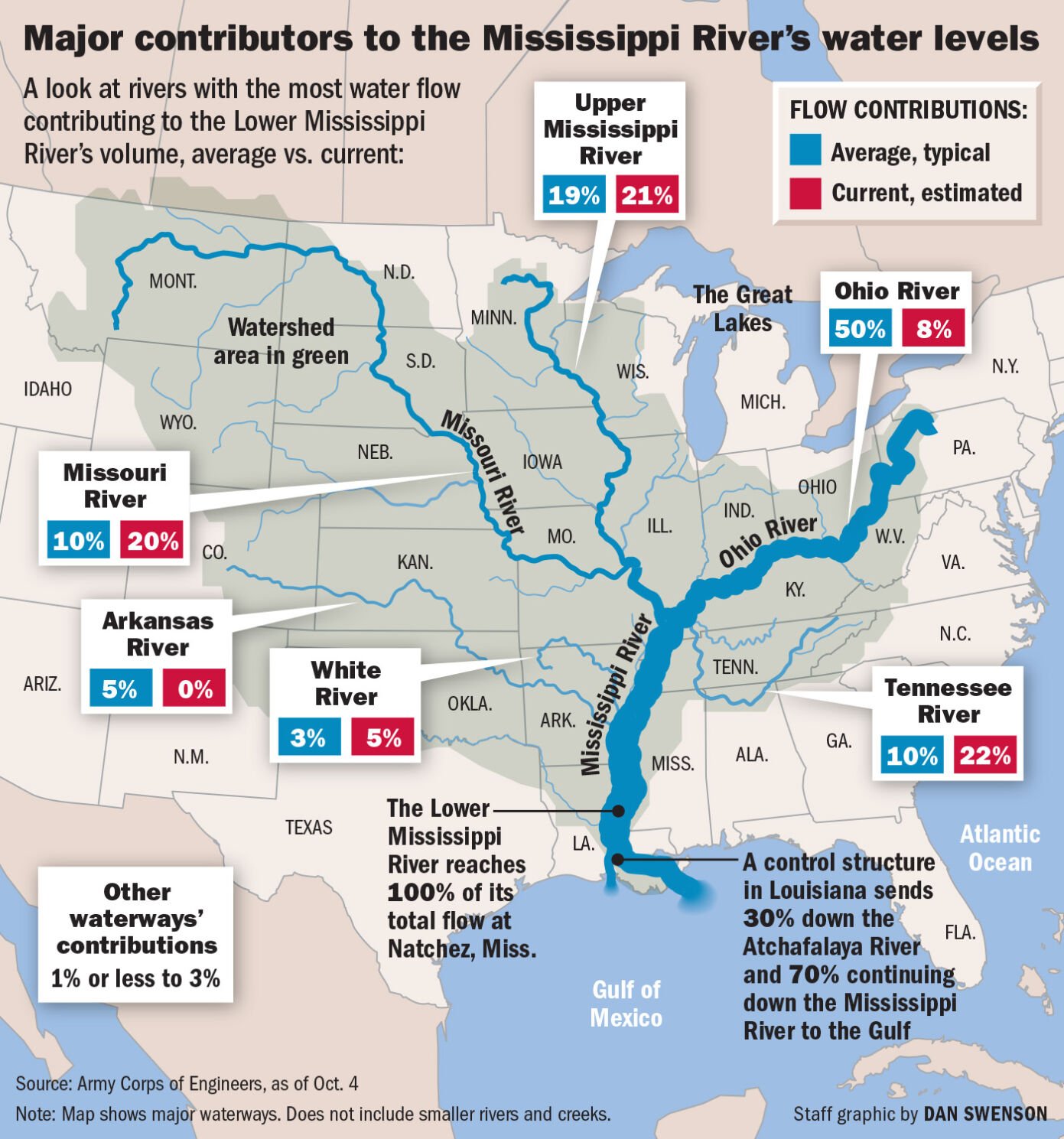
The true grandeur of the Mississippi River begins to manifest as it encounters its major tributaries. The confluence with the Missouri River, near St. Louis, Missouri, is a particularly significant event. The Missouri River, itself the longest river in North America, contributes a vast amount of water and sediment, dramatically increasing the Mississippi’s volume and widening its embrace. This junction marks a point where the river’s power and scale are amplified, its southward momentum undeniable.
Further downstream, the Ohio River joins the Mississippi near Cairo, Illinois. This confluence is another crucial moment, adding further immense volume and shaping the character of the river as it progresses towards the Gulf of Mexico. The combined flow is now a force of nature, carving its path through states like Kentucky, Tennessee, Arkansas, Mississippi, and Louisiana.
Navigating the Flow: Implications for Travel and Trade
The consistent southward flow of the Mississippi River has been paramount to its historical and ongoing importance as a transportation corridor. For early explorers like Hernando de Soto and later, Meriwether Lewis and William Clark, understanding this natural inclination was key to charting their expeditions. The ability to travel downstream with relative ease facilitated the westward expansion of the United States, allowing for the movement of people, goods, and ideas.
Riverboats and Beyond: A Legacy of Commerce
The era of steamboats on the Mississippi River epitomizes the impact of its southward flow on commerce. These powerful vessels could easily navigate the current, transporting cotton from the plantations of the South, grain from the agricultural heartland, and manufactured goods to burgeoning port cities. Towns and cities like New Orleans, Memphis, and St. Louis owe much of their economic prosperity and historical significance to their strategic locations along this vital water highway.
Even today, barges laden with commodities continue to ply the Mississippi, demonstrating the enduring relevance of its southward flow for freight transportation. The river acts as a superhighway, connecting the agricultural and industrial centers of the Midwest to the international shipping lanes of the Gulf of Mexico.
Exploring the Mississippi: Destinations and Experiences Along the River
The Mississippi River is more than just a geographical feature; it’s a vibrant corridor brimming with diverse attractions, cultural experiences, and opportunities for unforgettable travel. From the historic charm of New Orleans to the natural beauty of the Driftless Area, the river’s path offers a compelling journey for any traveler.
Iconic Landmarks and Natural Wonders
The sheer scale of the Mississippi River is a landmark in itself, but its banks are also adorned with a multitude of other significant sites. In Minnesota, Minnehaha Falls, immortalized in Henry Wadsworth Longfellow’s poem, is a testament to the region’s natural beauty. Further south, the Gateway Arch in St. Louis stands as a monumental symbol of westward expansion, offering breathtaking views of the river and the surrounding cityscape.
The Mississippi Delta region in Louisiana is a unique ecological zone, characterized by its fertile soil, abundant wildlife, and distinct cultural heritage. This is where the river finally surrenders its waters to the ocean, creating a vast and intricate network of bayous, marshes, and wetlands. Exploring this region, perhaps by boat tour, offers a glimpse into a world shaped by the river’s gentle, yet persistent, embrace.
Cultural Immersions: Music, Food, and Local Life
The Mississippi River has served as a melting pot of cultures, and its influence is deeply felt in the music, food, and traditions of the communities along its banks. New Orleans, with its vibrant jazz scene and world-renowned Cajun and Creole cuisine, is a prime example. The city’s French Quarter, with its historic architecture and lively atmosphere, draws visitors from around the globe, all connected by the proximity to the mighty river.
Further north, cities like Memphis are steeped in the history of blues music, with legendary venues like Graceland and the Stax Museum of American Soul Music. Traveling along the Great River Road, a scenic byway that follows the Mississippi River, allows for an immersive experience of these diverse local cultures, offering opportunities to sample regional delicacies and connect with the people who call this magnificent river valley home.
Accommodation and Lifestyle: Experiencing the Mississippi’s Embrace
The allure of the Mississippi River extends to the various accommodation options and lifestyle choices available to those who wish to experience its magic firsthand. Whether seeking a luxurious resort stay, a cozy bed and breakfast, or a longer-term rental, the riverfront offers a spectrum of possibilities.
From Luxury Resorts to Budget-Friendly Stays
Along the Mississippi River, travelers can find an array of hotels and resorts catering to every preference and budget. In cities like New Orleans, opulent hotels offer suites with stunning river views, while charming bed and breakfasts in historic towns provide a more intimate experience. For those seeking extended stays, apartments and villas along the riverbanks can offer a home away from home, allowing for a deeper immersion into the local lifestyle.
The amenities offered vary widely, from world-class spas and fine dining restaurants at luxury resorts to more modest, yet comfortable, accommodations in smaller towns. The choice of lodging often dictates the pace and focus of a Mississippi River journey, whether it’s a leisurely exploration of historic landmarks, a deep dive into the culinary scene, or a tranquil escape into nature.
Embracing the River Lifestyle: From Family Trips to Business Stays
The Mississippi River caters to a wide range of lifestyles. Families can enjoy riverboat cruises, visits to interactive museums, and outdoor activities like kayaking and fishing. Couples might opt for romantic getaways in historic inns, savoring fine dining and exploring charming river towns. Business travelers can find well-equipped hotels with convenient access to commercial centers, while also having the opportunity to experience the unique culture of the region.
Budget travelers can find affordable lodging and plenty of free or low-cost attractions, from scenic drives along the Great River Road to exploring public parks and historical markers. The Mississippi River is a destination that can be experienced in myriad ways, each offering its own unique perspective on the enduring power and beauty of this iconic waterway. Understanding its southward flow is the first step in unlocking the vast potential for exploration and enjoyment it offers.
LifeOutOfTheBox is a participant in the Amazon Services LLC Associates Program, an affiliate advertising program designed to provide a means for sites to earn advertising fees by advertising and linking to Amazon.com. Amazon, the Amazon logo, AmazonSupply, and the AmazonSupply logo are trademarks of Amazon.com, Inc. or its affiliates. As an Amazon Associate we earn affiliate commissions from qualifying purchases.