
The Mississippi River is more than just a mighty waterway carving its path through the heart of the United States. For centuries, its control has been a pivotal factor in the nation’s development, shaping its economy, its military strategy, and its very identity. From the earliest days of exploration and settlement to the grand ambitions of a continental empire, dominion over this vital artery was a constant and often fiercely contested objective. Understanding the importance of controlling the Mississippi River requires delving into its multifaceted roles as a conduit for trade, a strategic military asset, and a powerful force in shaping the landscape and the lives of those who lived along its banks.
The Lifeline of Commerce and Exploration
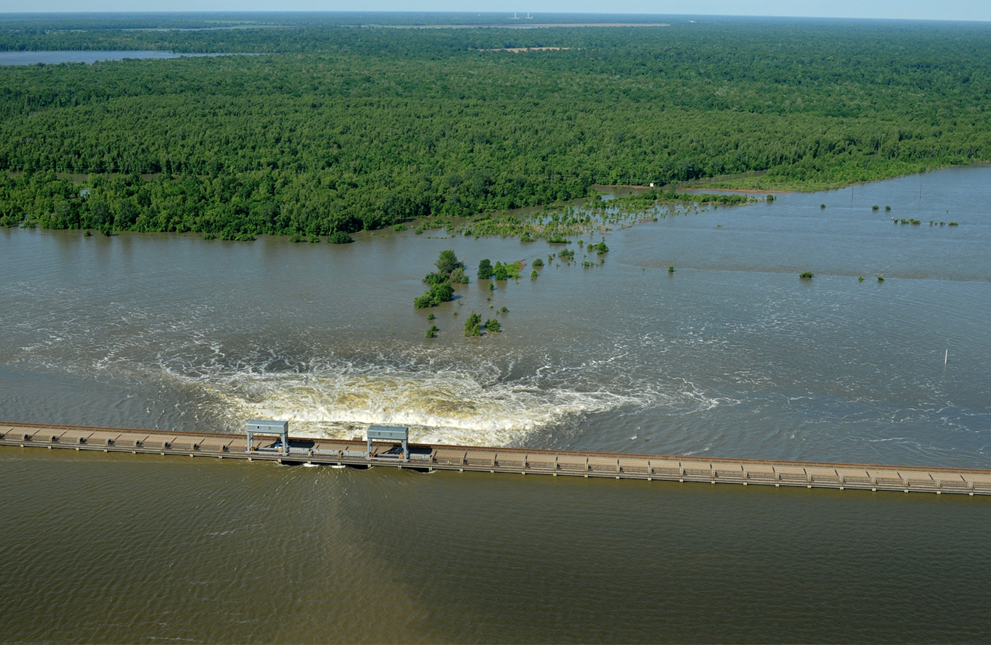
The sheer scale of the Mississippi River and its vast network of tributaries made it an unparalleled natural highway. Long before the advent of railroads or highways, the river was the primary means of transporting goods and people across immense distances. This made its control essential for economic prosperity and territorial expansion.
Opening Up the Interior: A Gateway to Opportunity
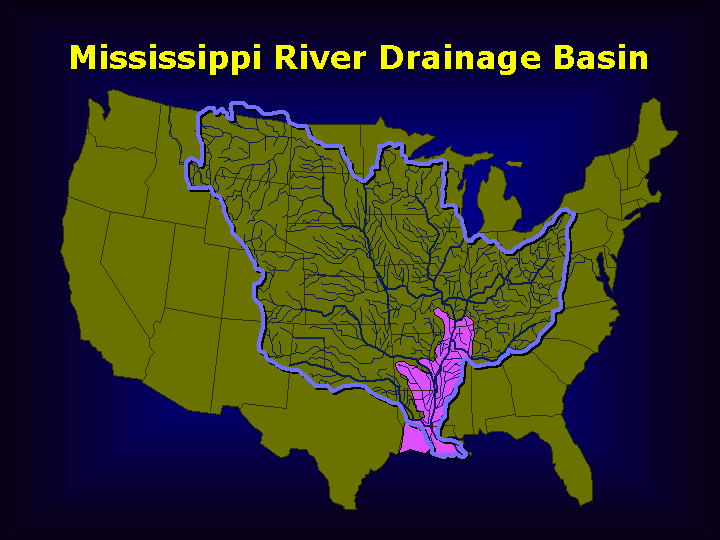
For European explorers and settlers, the Mississippi River represented a tantalizing gateway to the vast, unexplored interior of the North American continent. Rivers like the Missouri River and the Ohio River, which are major tributaries, emptied into the Mississippi, effectively extending its reach deep into the continent. Controlling the mouth of the Mississippi, particularly at New Orleans, meant controlling access to this entire network.
Trade Routes and Economic Power
Imagine a time when lumber from the forests of the north, furs from the western plains, and agricultural produce from the fertile river valleys needed to reach markets. The Mississippi River was the most efficient, and often the only, way to achieve this. Goods could be floated downstream on flatboats or barges, reaching port cities like New Orleans where they could be loaded onto ocean-going vessels for international trade. Conversely, manufactured goods and imported wares could be brought upriver, distributing them throughout the developing interior.
The ability to control this flow of commerce translated directly into economic power. Nations or entities that held sway over the Mississippi River could levy taxes on goods, dictate trade terms, and enrich their treasuries. For the nascent United States, access to the Mississippi was critical for the economic survival of its western territories. Farmers in states like Kentucky and Tennessee relied on the river to get their produce to market, and any impediment to this access could spell economic ruin. The Louisiana Purchase in 1803, which secured American control of New Orleans and the western bank of the river, was a monumental achievement primarily driven by the need to guarantee unimpeded access to this vital trade route.
Exploration and Settlement
The Mississippi River was also the primary artery for exploration and settlement. Expeditions like that of Meriwether Lewis and William Clark famously used its tributaries to venture into the Louisiana Territory, opening up new lands for settlement and discovery. As pioneers moved westward, they often followed the river systems, establishing communities along its banks. The presence of a navigable river meant proximity to vital supplies, communication lines, and potential markets, making settlements along the Mississippi particularly attractive and prosperous. The dream of westward expansion, a defining characteristic of American identity, was inextricably linked to the control and utilization of this magnificent river.
A Strategic Fortress: Military Importance of the Mississippi
Beyond its economic significance, the Mississippi River played a crucial role in the military and strategic considerations of nations vying for control of North America. Its vastness and the challenging terrain surrounding it made it a natural barrier and a formidable defensive line.
Defense and Offense: Controlling the Flow of Armies
The Mississippi River served as a natural defense for the eastern United States against potential incursions from the west. Conversely, it offered a route for offensive operations into the heart of the continent. For any power wishing to project its influence or launch an invasion, controlling the Mississippi was paramount.
During the American Civil War, control of the Mississippi River became a central strategic objective for both the Union and the Confederacy. The Union recognized that by seizing control of the river, they could effectively cut the Confederacy in two, severing vital supply lines and isolating its western states. This strategy, famously articulated by General Winfield Scott as the “Anaconda Plan,” involved blockading the southern ports and gaining control of the Mississippi River. The arduous and ultimately successful Siege of Vicksburg, a key Confederate stronghold, delivered a decisive blow to the South and is often cited as a turning point in the war. The capture of Vicksburg on July 4, 1863, coupled with the Union victory at Gettysburg the previous day, marked a significant shift in momentum.
Fortifications and Naval Power
Controlling strategic points along the Mississippi River required significant military investment. Fortifications were built at key locations to defend against enemy fleets and troop movements. The presence of naval power on the river was also crucial. Gunboats and riverine fleets could patrol the waters, bombard enemy positions, and support land operations. The development of ironclad warships, like the USS Cairo, specifically designed for river warfare, underscored the unique military challenges and opportunities presented by the Mississippi. The ability to navigate, control, and project power along this waterway was as critical as controlling naval forces on the open ocean.
Securing Borders and National Sovereignty
For much of its history, the Mississippi River also served as a significant portion of the border between different territorial claims and eventually, nations. In the early days, it marked the boundary between Spanish, French, and later American territories. Securing control of the river meant securing national sovereignty and preventing rival powers from encroaching upon desired lands. The shifting allegiances and territorial disputes surrounding the Mississippi highlight its role as a geopolitical linchpin, where control of the river directly translated to control of vast expanses of land and the future trajectory of nations.
Shaping a Nation: Cultural and Environmental Impact
The influence of the Mississippi River extended far beyond economics and military strategy, deeply impacting the cultural development and the very environment of the regions it touched. Its presence fostered unique communities, inspired art and literature, and posed persistent challenges that shaped human endeavors.
Diverse Communities and Cultural Exchange
The communities that flourished along the Mississippi River were incredibly diverse, shaped by the confluence of different peoples and cultures drawn to its waters. Native American tribes had long established settlements and trade routes along its banks, their lives intimately connected to its rhythms. European colonists, including the French in Louisiana, the Spanish, and later waves of immigrants from across Europe, all found reasons to settle near the great river.
This intermingling of peoples led to a rich tapestry of cultural exchange. From the unique Creole culture of New Orleans to the distinct traditions found in the river towns of the upper Midwest, the Mississippi fostered a vibrant mosaic of languages, music, food, and customs. The river also served as a conduit for the Great Migration, where African Americans moved from the rural South to urban centers, often following transportation routes that included river travel. This had profound impacts on the cultural landscape of cities like Chicago and St. Louis.
Inspiration for Arts and Literature
The sheer power and majesty of the Mississippi River have long captured the imagination of artists, writers, and musicians. Mark Twain, perhaps the most famous chronicler of river life, immortalized the Mississippi in his iconic novels, such as The Adventures of Tom Sawyer and Adventures of Huckleberry Finn. These works not only entertained but also provided invaluable insights into the social dynamics and the spirit of the river communities. The blues music that emerged from the Delta region, heavily influenced by the lives and experiences of people living along the river, became a foundational genre in American music. The river’s presence is palpable in countless paintings, photographs, and poems, solidifying its status as a cultural icon.

Engineering Challenges and Environmental Stewardship
The power of the Mississippi River also presented formidable challenges that spurred innovation in engineering. Frequent floods, unpredictable currents, and the constant process of erosion and deposition required extensive efforts to manage and control the waterway. The development of complex levee systems, dredging techniques, and navigational aids transformed the river from a wild force into a more predictable and manageable resource. Cities like St. Louis owe their existence and prosperity to the ability to harness the river’s power, while also grappling with its destructive potential. This ongoing relationship between humanity and the river has also led to increasing awareness and efforts toward environmental stewardship, recognizing the ecological importance of this vast watershed and the need to protect its delicate balance for future generations. The control of the Mississippi River, therefore, is not just a historical footnote but an ongoing story of human ingenuity, cultural development, and the enduring power of nature.
LifeOutOfTheBox is a participant in the Amazon Services LLC Associates Program, an affiliate advertising program designed to provide a means for sites to earn advertising fees by advertising and linking to Amazon.com. Amazon, the Amazon logo, AmazonSupply, and the AmazonSupply logo are trademarks of Amazon.com, Inc. or its affiliates. As an Amazon Associate we earn affiliate commissions from qualifying purchases.