
The vast and rugged beauty of Montana, often hailed as “Big Sky Country,” conjures images of sweeping plains, towering mountains, and abundant wildlife. It’s a destination that draws travelers seeking adventure, tranquility, and a profound connection with nature. As such, many planning an itinerary to this remarkable state often wonder about its geographical context, particularly its proximity to its northern neighbor. The answer to the question, “Does Montana border Canada?” is a definitive yes. This extensive northern frontier opens up unique travel opportunities and influences the cultural tapestry and natural landscapes of Montana itself.
Exploring the Northern Frontier: Montana’s Canadian Connection
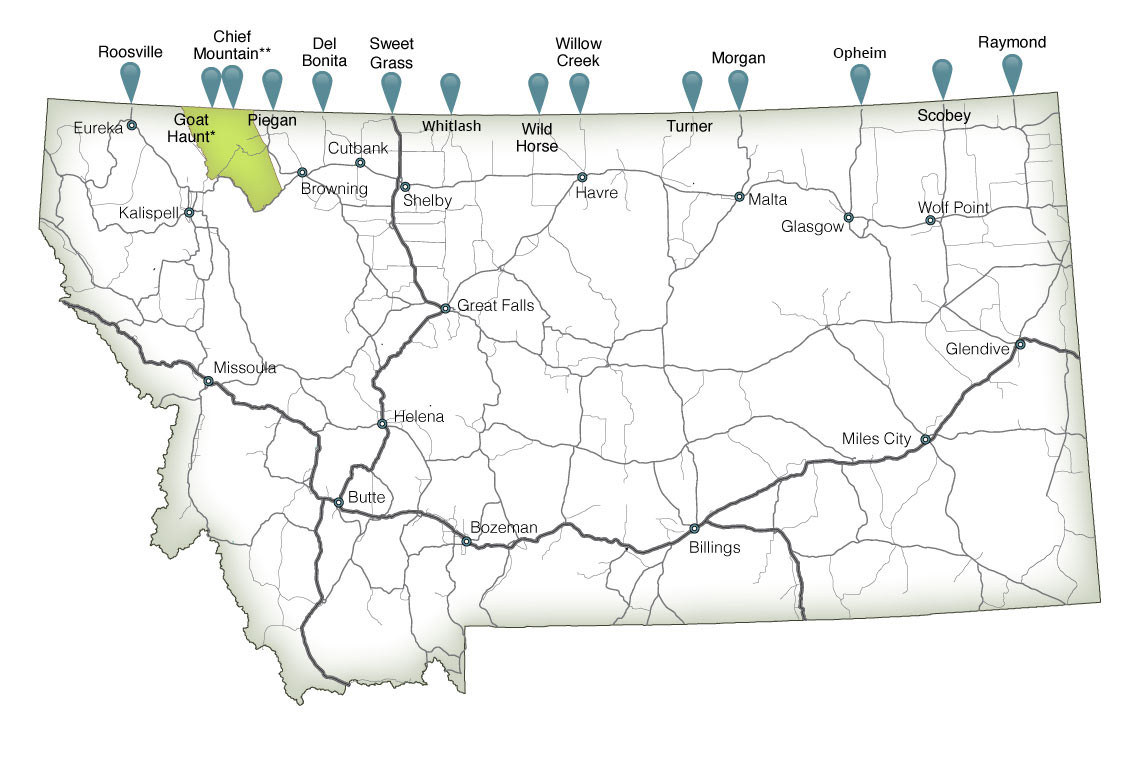
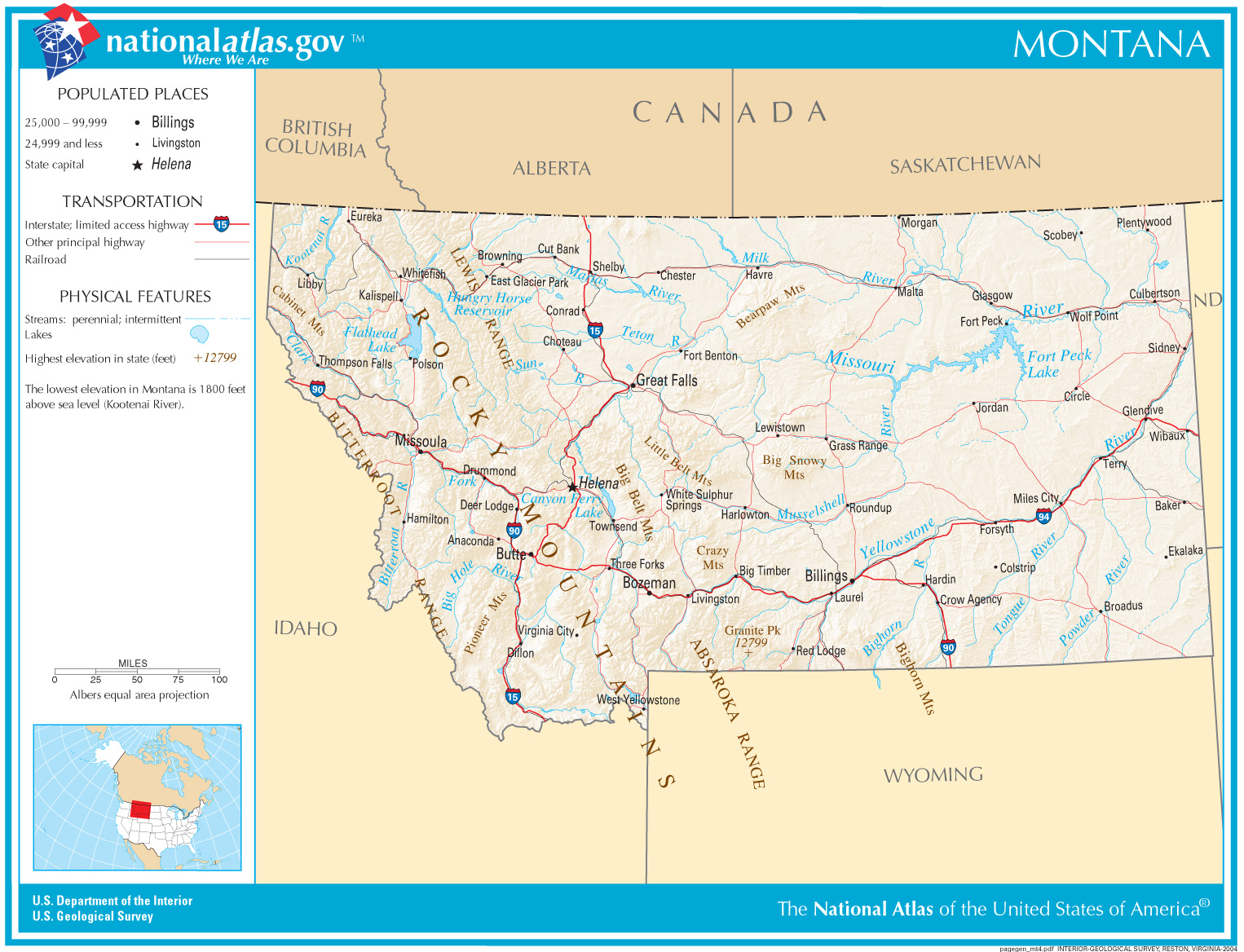
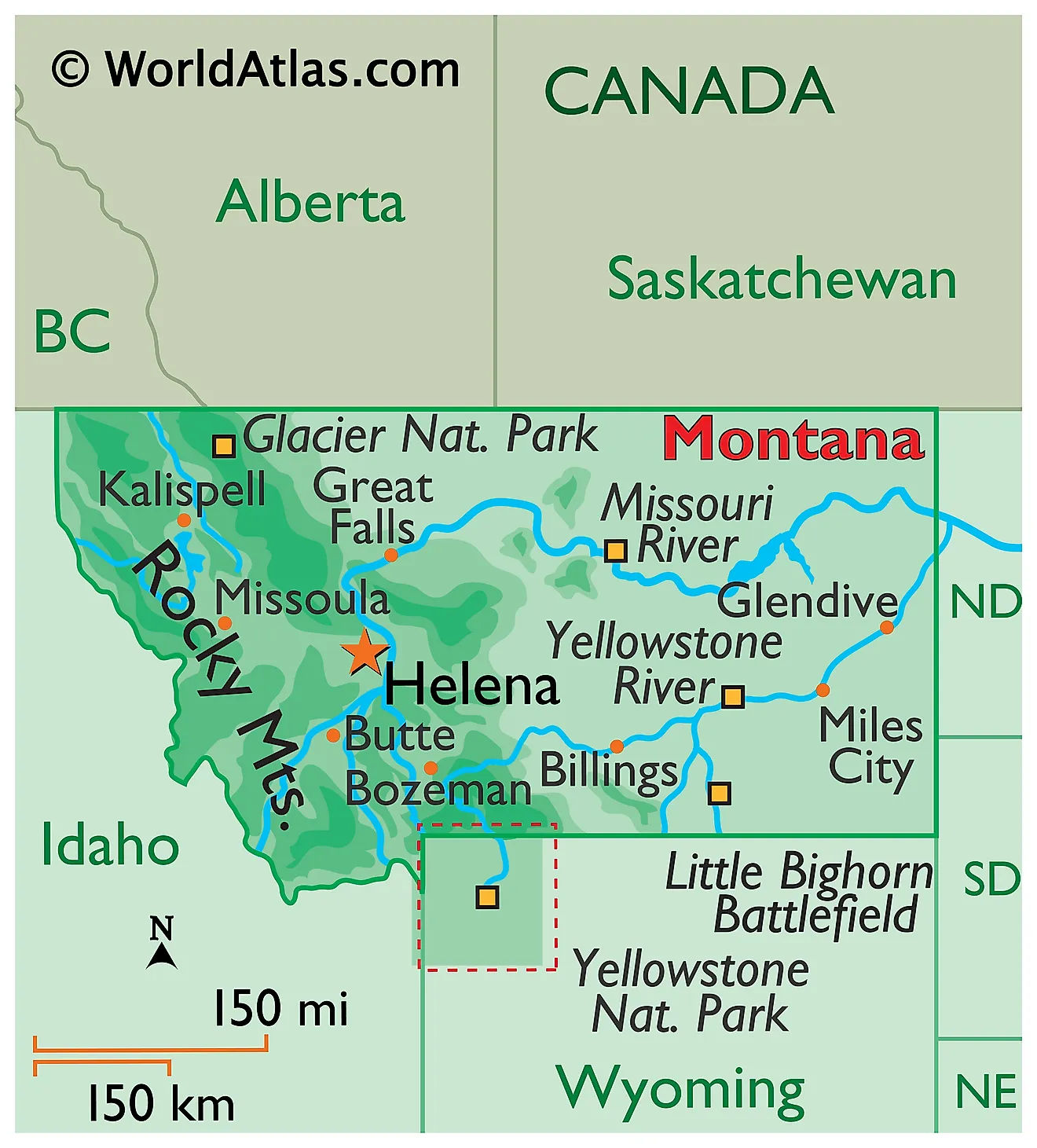
Montana’s northern border is a significant geographical feature, stretching for over 800 miles. This long, shared boundary with the Canadian provinces of British Columbia, Alberta, and Saskatchewan means that Montana is not just an isolated American state but also a gateway to the Canadian wilderness and vice versa. This connection fosters a sense of shared natural heritage and facilitates cross-border travel and exploration for those venturing into the northern reaches of Montana.
International Parks and Wilderness Corridors
The most striking testament to Montana’s shared border with Canada lies in the existence of internationally recognized protected areas. The Glacier National Park in Montana and Waterton Lakes National Park in Alberta, Canada, are co-managed as the Waterton-Glacier International Peace Park. Established in 1932, this park was the world’s first international peace park, symbolizing the enduring friendship between the United States and Canada.
This remarkable partnership allows for a seamless experience for visitors who can traverse between the two parks, often without formal border crossings in certain areas. The landscape within the Waterton-Glacier International Peace Park is nothing short of spectacular. Dramatic peaks, pristine alpine lakes, and vast meadows characterize this UNESCO World Heritage Site. Hikers can embark on trails that wind through both Montana and Alberta, immersing themselves in a continuous wilderness ecosystem. The Going-to-the-Sun Road, a marvel of engineering, offers breathtaking vistas as it traverses Glacier National Park, with sections providing glimpses of the Canadian Rockies.
For wildlife enthusiasts, the peace park is a haven. Bears, elk, bighorn sheep, and mountain goats roam freely across the international boundary, highlighting the importance of collaborative conservation efforts. The survival of these species depends on the preservation of their habitats, which extend across both nations. This shared commitment to conservation underscores the profound environmental connection between Montana and its Canadian neighbors.
Beyond the designated peace park, the broader northern border region is characterized by extensive tracts of undeveloped land, including national forests and wilderness areas. The Flathead National Forest in Montana, for example, abuts the British Columbia border, offering further opportunities for backcountry exploration, camping, and wildlife viewing. Travelers interested in experiencing true wilderness can find remote access points and challenging trails that lead them into the heart of the North American wilderness, a landscape that knows no political boundaries.
Cross-Border Travel and Experiences
The shared border with Canada also opens up exciting possibilities for multi-destination trips. For instance, a traveler beginning their journey in Calgary, Alberta, could easily drive south into Montana to explore Glacier National Park before continuing their adventure through Big Sky Country. Similarly, a visitor to Montana might choose to extend their trip by heading north to discover the Canadian Rockies, a region renowned for its dramatic beauty and recreational opportunities.
When crossing the border, it’s important for travelers to be aware of the customs and immigration regulations of both countries. While the spirit of the Waterton-Glacier International Peace Park emphasizes seamless integration, standard border crossing procedures are in place for general travel. This typically involves presenting passports and declaring any goods that may be subject to duty. However, the ease of access and the shared cultural affinity between the people of Montana and southern Canada make these crossings generally straightforward and pleasant.
The economic and cultural ties along the border are also significant. Many communities in northern Montana have strong historical and economic links to their Canadian counterparts. This can manifest in shared festivals, cross-border shopping, and even culinary influences. Experiencing these local connections can add another layer of depth to a trip, allowing visitors to appreciate the nuances of life in these frontier regions.
Discovering Montana’s Northern Charm
The northern border region of Montana is a treasure trove of natural wonders and outdoor adventure. From the iconic peaks of Glacier National Park to the vast expanses of prairie, this area offers a diverse range of experiences for every type of traveler.
The Majesty of Glacier National Park
As previously mentioned, Glacier National Park is the crown jewel of Montana’s northern landscape. This park, often referred to as the “Crown of the Continent,” is renowned for its dramatic mountain scenery, turquoise lakes, and abundant wildlife. Its geological history, shaped by glaciers, has left behind a landscape of U-shaped valleys, sharp peaks, and cirques.
Visitors to Glacier National Park can explore a vast network of hiking trails, ranging from easy strolls around Lake McDonald to challenging ascents offering panoramic views. The Going-to-the-Sun Road is a must-drive, providing unparalleled access to the park’s interior. This engineering marvel is a seasonal road, typically open from late June to mid-October, depending on snow conditions. Along the way, travelers can stop at numerous viewpoints, hike short trails to waterfalls, and keep an eye out for wildlife like mountain goats and bighorn sheep.
Boating on the park’s pristine lakes, such as Lake McDonald and St. Mary Lake, is another popular activity. Many visitors opt for scenic boat tours, which offer a relaxing way to appreciate the grandeur of the surroundings. For the more adventurous, kayaking or paddleboarding provides a more intimate connection with the water.
Accommodation options within and around Glacier National Park cater to a range of preferences. Historic lodges like the Lake McDonald Lodge and the Many Glacier Hotel offer a classic park experience, immersing guests in the grandeur of the early 20th-century park era. For those seeking a more rustic stay, campgrounds are available, providing a chance to sleep under the vast Montana sky. Outside the park, towns like Whitefish and Kalispell offer a wider array of hotels, resorts, and vacation rentals, serving as convenient bases for exploring the region.
Beyond the Park: Exploring Northern Montana
While Glacier National Park is a major draw, the northern border region of Montana offers much more. The state’s northern tier is characterized by a transition from the rugged Rockies to the rolling plains and badlands.
The Bob Marshall Wilderness Complex, often simply called “The Bob,” is another vast wilderness area that straddles the Continental Divide in northwestern Montana. It is one of the largest roadless areas in the contiguous United States, offering an unparalleled backcountry experience for hikers, equestrians, and those seeking solitude. Access to The Bob is primarily via trailheads located in surrounding national forests, including the Flathead National Forest.
For those interested in the region’s history and culture, the Conrad Mansion Museum in Kalispell offers a glimpse into the life of one of Montana’s early prominent families. The mansion, a beautifully preserved Victorian home, showcases period furnishings and provides insight into the Gilded Age in Montana.
Further east, along the border with Saskatchewan, lie the rugged landscapes of the Makoshika State Park, Montana’s largest state park. Known for its dramatic badlands, dinosaur fossils, and abundant wildlife, this park offers a starkly different, yet equally captivating, natural beauty. Hiking and camping are popular activities here, allowing visitors to explore the colorful canyons and coulees.
The small towns scattered throughout northern Montana often possess a unique charm and a friendly, frontier spirit. These communities provide opportunities to experience local culture, sample regional cuisine, and learn about the history of settlement and resource development in the area. From the western towns that bear the influence of the logging and mining industries to the eastern farming communities, each has its own distinct character.
Planning Your Northern Montana Adventure
When planning a trip to the northern reaches of Montana, considering the time of year is crucial, as weather conditions can vary significantly. Summer (June through August) generally offers the most favorable weather for outdoor activities, with long daylight hours and accessible mountain passes. However, this is also peak tourist season, so booking accommodations and activities in advance is highly recommended.
Accommodation and Lifestyle Considerations
Montana’s northern region offers a diverse range of accommodation options to suit various travel styles and budgets. From luxury resorts and boutique hotels in towns like Whitefish to cozy cabins nestled in the wilderness and budget-friendly motels in smaller communities, there is something for everyone. Travelers seeking an immersive nature experience might opt for a stay in a rustic lodge within Glacier National Park or a glamping site. For those who prefer more amenities and dining options, towns like Bozeman, while not directly on the northern border, are major hubs with extensive hotel selections and a vibrant culinary scene that can serve as a starting point for northern explorations.
The lifestyle in northern Montana is intrinsically linked to the outdoors. Hiking, fishing, hunting, skiing, and simply enjoying the natural beauty are integral parts of life here. Visitors can embrace this lifestyle by participating in guided tours, renting equipment for outdoor adventures, or simply taking time to relax and appreciate the stunning scenery. For those interested in luxury travel, Montana offers exclusive ranches and private lodges that provide a high-end experience amidst the rugged wilderness. Budget travelers can find affordable camping and lodging options, proving that the magic of Montana is accessible to all.
Essential Travel Tips
- Book in Advance: Especially for summer travel to Glacier National Park and popular towns like Whitefish, booking accommodation, rental cars, and tours well in advance is essential.
- Check Road Conditions: Mountain roads, particularly the Going-to-the-Sun Road in Glacier National Park, are subject to closures due to snow, even into early summer. Always check current conditions before you go.
- Be Wildlife Aware: Montana is home to a variety of wildlife, including bears. Carry bear spray when hiking and know how to use it. Maintain a safe distance from all animals.
- Pack Layers: Mountain weather can change rapidly. Be prepared for a range of temperatures and conditions, even in the summer.
- Embrace the Pace: Northern Montana is a place to slow down and connect with nature. Allow ample time for spontaneous stops and to simply soak in the magnificent landscapes.
In conclusion, Montana’s border with Canada is not merely a line on a map; it is a vibrant geographical and cultural connection that enhances the travel experience. It signifies shared natural wonders, opportunities for cross-border exploration, and a deep sense of wilderness that transcends political divisions. So, yes, Montana borders Canada, and this proximity adds an unparalleled dimension to the allure of “Big Sky Country.”
LifeOutOfTheBox is a participant in the Amazon Services LLC Associates Program, an affiliate advertising program designed to provide a means for sites to earn advertising fees by advertising and linking to Amazon.com. Amazon, the Amazon logo, AmazonSupply, and the AmazonSupply logo are trademarks of Amazon.com, Inc. or its affiliates. As an Amazon Associate we earn affiliate commissions from qualifying purchases.