
When planning a trip to the vast and breathtaking landscapes of Montana, most travelers envision towering mountains, sprawling ranches, and crystal-clear rivers. The “Big Sky Country” evokes images of pristine nature, outdoor adventures, and a sense of wide-open freedom. While these are indeed quintessential Montana experiences, a crucial aspect of travel preparation often overlooked is understanding the local climate and potential weather phenomena. Among the more dramatic weather events that can occur, the question arises: Does Montana get tornadoes?
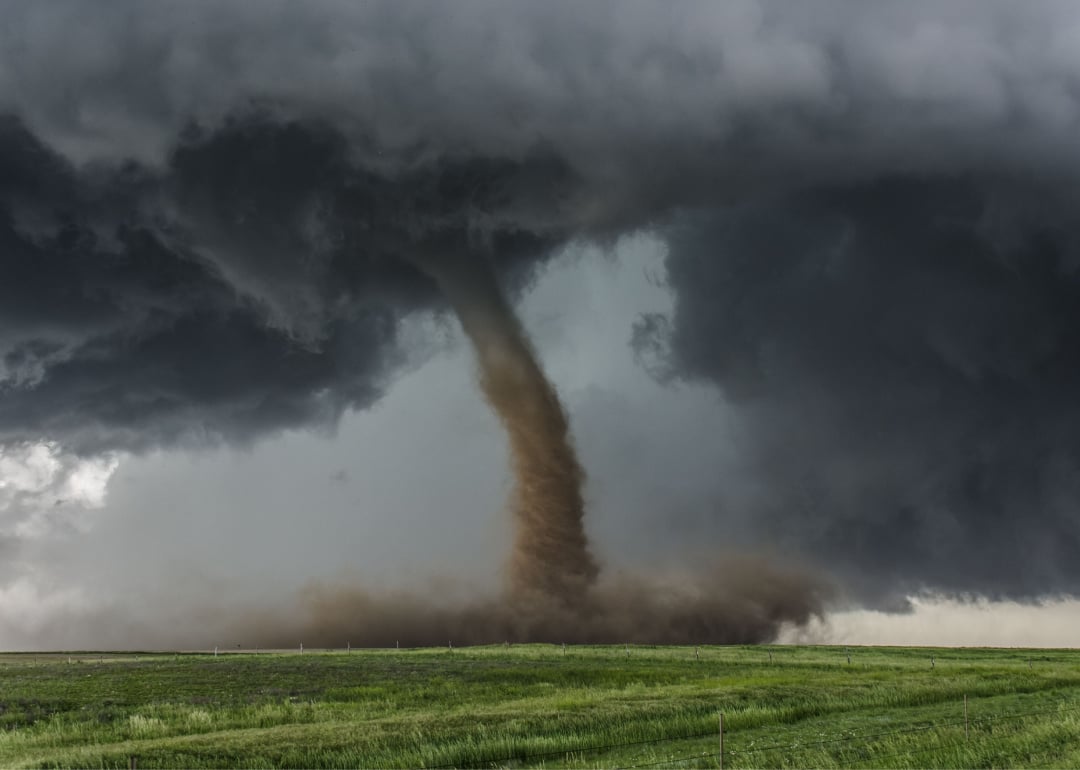
The answer is yes, Montana can and does experience tornadoes. While perhaps not as frequent or as infamous as those that rip through the “Tornado Alley” states of the central United States, Montana is situated within a region susceptible to severe thunderstorms that can produce tornadoes. Understanding this possibility, however, should not deter prospective visitors. Instead, it’s about informed travel, preparedness, and appreciating the dynamic weather patterns that contribute to the unique character of this remarkable state. This article delves into the likelihood of tornadoes in Montana, the factors influencing their occurrence, and how travelers can stay safe and informed while enjoying all that Montana has to offer.

Understanding Tornadoes in Montana: Frequency and Factors
While Montana might not be the first place that springs to mind when discussing tornadoes, the conditions conducive to their formation are present, particularly during certain times of the year. The northern plains and intermountain west, which include Montana, are part of a broader area that can experience severe weather.
The Great Plains Connection
Montana shares a border with several states, including North Dakota and South Dakota, which are more commonly associated with tornado activity. The atmospheric dynamics that fuel tornadoes often extend across this vast geographical region. The ingredients for tornado formation include warm, moist air near the surface colliding with cooler, drier air at higher altitudes, coupled with atmospheric instability and wind shear (changes in wind speed and direction with height). These conditions can develop in Montana, especially during the spring and summer months.
Seasonal Patterns
Tornado season in Montana typically runs from late spring through summer, generally from May to July, though they can occur outside of this window. The peak months for severe thunderstorms and potential tornadoes often coincide with the period when daytime temperatures are rising, providing the necessary heat energy, and when weather systems from the Pacific can interact with warmer air masses from the Gulf of Mexico.
Geographic Influences
The topography of Montana plays a role in how weather systems evolve. The presence of mountain ranges, like the Rocky Mountains, can influence air currents and create localized weather patterns. While mountains can sometimes act as a barrier to storm development, they can also contribute to the conditions that lead to severe thunderstorms and, subsequently, tornadoes. Areas in eastern Montana, being closer to the Great Plains, are generally more prone to tornado activity than the western mountainous regions.
Tornado Preparedness for Travelers in Montana
Knowing that tornadoes can occur in Montana is the first step; the next is to be prepared. Fortunately, with modern forecasting and communication, travelers can significantly mitigate any risks. The focus for visitors should be on staying informed, knowing where to seek shelter, and understanding official guidance.
Staying Informed: Weather Alerts and Forecasts
The most critical aspect of tornado preparedness is staying informed about current weather conditions. Before and during your trip, make it a habit to check reliable weather sources. This includes:
- National Weather Service: The National Weather Service (NWS) is the primary source for weather warnings and forecasts in the United States. Their website and local NWS offices provide detailed information, including tornado watches and warnings.
- Local News and Radio: During periods of potential severe weather, local Montana television stations and radio broadcasts will provide real-time updates and advisories.
- Weather Apps: Numerous reputable weather apps on smartphones can provide alerts for your specific location. Ensure you have push notifications enabled for severe weather alerts.
- NOAA Weather Radio: If you are staying in a more remote area, a NOAA weather radio can be a vital tool for receiving alerts when internet or cell service might be unreliable.
A tornado watch means that conditions are favorable for tornadoes to develop in and near the watch area. A tornado warning means that a tornado has been sighted or indicated by weather radar, and immediate action is required.
Seeking Shelter: Understanding Safe Havens
If a tornado warning is issued for your area in Montana, knowing where to go is paramount. The key is to get to the lowest, most interior part of a sturdy building.
- Hotels and Accommodations: If you are staying in a hotel or other accommodation, familiarize yourself with the building’s emergency plan. Typically, the safest place to shelter is in a basement or an interior room on the lowest floor, away from windows. Many modern hotels have designated storm shelters. Do not use elevators during a tornado warning. For example, if you’re staying at the The Resort at Paws Up, inquire with the staff about their specific tornado safety procedures. Similarly, establishments like the Grand Hotel Billings will have protocols in place.
- Homes and Residences: If you are in a house, go to a basement, storm cellar, or an interior room on the lowest level. Stay away from windows and doors.
- Mobile Homes and Vehicles: These are not safe during a tornado. If you are in a mobile home or vehicle and a tornado warning is issued, you must evacuate and seek shelter in a more substantial building or a designated storm shelter.
- Outdoors: If you are caught outdoors with no substantial shelter nearby, lie flat in a ditch or other low-lying area and cover your head with your arms. Be aware of your surroundings, as flying debris is a significant hazard.
Travel Tips for Tornado Season in Montana
When traveling to Montana during the spring and summer months, a little foresight can go a long way in ensuring a safe and enjoyable trip.
- Plan Your Itinerary Wisely: While not necessary to avoid the state altogether, be aware of the potential for severe weather, especially if your travel plans take you through eastern Montana during peak tornado season. Consider flexibility in your schedule.
- Choose Accommodations Strategically: When booking hotels or other lodgings, consider properties that have good reviews for safety and have clear emergency procedures. Resorts like Triple Creek Ranch or hotels in larger cities such as Bozeman or Billings are likely to have more robust safety measures.
- Familiarize Yourself with the Area: Before you arrive at a specific destination, like Glacier National Park or the city of Missoula, get a general understanding of the local geography and where potential shelters might be located.
- Heed Local Advice: If locals or authorities advise seeking shelter or altering travel plans due to severe weather, take their guidance seriously. They have the most up-to-date information on the immediate situation.
- Pack Accordingly: While not directly for tornado preparedness, a well-packed bag with essentials like a first-aid kit, water, and non-perishable snacks can be helpful in various unexpected situations, including weather delays.
Beyond Tornadoes: Embracing Montana’s Dynamic Weather
It’s important to remember that while tornadoes are a possibility, they are not the defining weather characteristic of Montana. The state experiences a wide range of weather conditions, from snowy winters perfect for skiing in places like Big Sky Resort, to beautiful, mild summers ideal for exploring its many attractions, including the iconic Yellowstone National Park (partially within Montana).
The Beauty of Montana’s Skies
The very name “Big Sky Country” speaks to Montana‘s vast, open skies, which can produce spectacular sunsets and dramatic storm clouds. Experiencing these dynamic weather patterns, including the distant rumble of thunder and the awe-inspiring power of a storm, is part of what makes Montana so unique. The same atmospheric conditions that can spawn tornadoes also contribute to the breathtaking cloud formations and powerful weather events that are part of Montana‘s natural spectacle.

Focus on the Overall Travel Experience
When planning your Montana adventure, focus on the incredible opportunities for travel and tourism that the state offers. From the rugged beauty of the Glacier National Park to the historic charm of Helena, there are countless destinations and experiences to explore. Whether you’re seeking luxury travel at a place like The Ranch at Rock Creek, a budget-friendly family trip exploring Little Bighorn Battlefield National Monument, or a quiet retreat to a secluded cabin, Montana delivers.
The accommodation options are as diverse as the landscape, ranging from cozy inns and boutique hotels to sprawling resorts and private villas. The local culture, cuisine, and activities are rich and varied, promising unforgettable experiences.
In conclusion, while the question “Does Montana get tornadoes?” warrants a clear “yes,” it should be viewed within the broader context of Montana‘s diverse and often dramatic weather. With proper preparation and awareness, travelers can confidently explore this magnificent state, enjoying its unparalleled natural beauty and embracing the full spectrum of its environmental wonders. The awe-inspiring landscapes and the vastness of the sky are what truly define the Montana experience, and a brief mention of tornado potential is a small part of understanding this incredible destination.
LifeOutOfTheBox is a participant in the Amazon Services LLC Associates Program, an affiliate advertising program designed to provide a means for sites to earn advertising fees by advertising and linking to Amazon.com. Amazon, the Amazon logo, AmazonSupply, and the AmazonSupply logo are trademarks of Amazon.com, Inc. or its affiliates. As an Amazon Associate we earn affiliate commissions from qualifying purchases.