
The vast and diverse landscapes of the United States offer endless possibilities for exploration, and understanding the distances between key destinations is crucial for any traveler. For those planning a journey that bridges the rugged beauty of Montana and the sprawling horizons of Texas, a clear picture of the mileage and travel time is essential. These two states, while both embodying the spirit of the American West, are separated by a considerable expanse, demanding careful planning for any adventure that links them.
Bridging the Divide: Understanding the Geographic Span
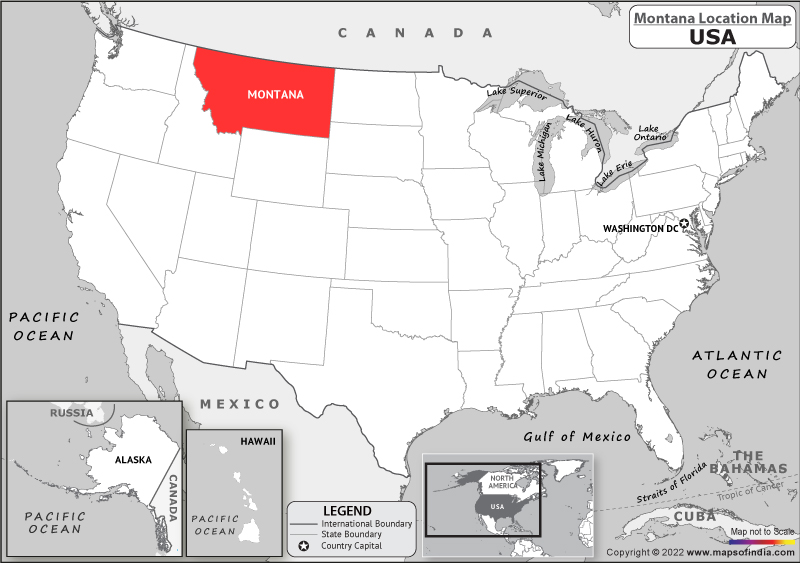
The question “How far is Montana from Texas?” doesn’t have a single, simple answer. The sheer size of both states means that the starting and ending points of your journey within them will significantly influence the total distance. Montana, the fourth-largest state by area, stretches across the northern Rocky Mountains, renowned for its dramatic peaks, pristine wilderness, and iconic national parks like Glacier National Park. Texas, the second-largest state, encompasses a diverse range of environments, from the Gulf Coast to the high desert plains, and is home to vibrant cities like Houston, Dallas, and Austin.

The distance between the northernmost point of Montana and the southernmost tip of Texas is substantial, spanning well over 1,000 miles. Similarly, the east-west distance across these states is also immense. When contemplating travel between them, it’s more practical to consider the distances between major cities or popular destinations within each state.
Driving Distances: A Road Trip Perspective
Embarking on a road trip from Montana to Texas, or vice versa, is a quintessential American travel experience, offering a chance to witness the changing topography and culture along the way. The most direct driving routes typically involve traversing several states, often including Wyoming, Colorado, New Mexico, and Oklahoma.
Northern Montana to Northern Texas
For instance, a drive from Billings, Montana to Amarillo, Texas, a journey that takes you from the edge of the Rockies to the Texas panhandle, covers approximately 750 to 850 miles. This trip would likely take between 12 to 15 hours of pure driving time, not accounting for stops for gas, food, or overnight stays. This route often follows major interstates like I-90 East, I-25 South, and then I-40 East.
Western Montana to Central Texas
A more extensive drive might involve starting in Missoula, Montana, a gateway to Glacier National Park, and heading to Austin, Texas, the vibrant capital city. This journey spans roughly 1,100 to 1,300 miles and would require at least 18 to 22 hours of driving. The route could involve I-90 East, I-70 East through Colorado, then I-25 South into New Mexico, and finally heading east towards Texas. This extended trip allows for potential stops in remarkable locations such as Denver, Colorado or Santa Fe, New Mexico, enriching the travel experience with diverse attractions and local culture.
Southern Montana to Southern Texas
If your travel originates from southern Montana, perhaps near Bozeman, Montana, and your destination is San Antonio, Texas, a historic city known for its Riverwalk, the distance is even greater. Expect a drive of around 1,200 to 1,400 miles, translating to approximately 20 to 24 hours of driving time. This route would likely continue to involve major arteries through Wyoming, Colorado, and New Mexico, eventually leading into the heart of Texas.
When planning a road trip of this magnitude, it’s crucial to factor in at least one or two overnight stops. Popular resting points and potential overnight destinations could include cities like Cheyenne, Wyoming, Albuquerque, New Mexico, or even a brief detour through the Grand Canyon National Park in Arizona if time permits and the route is adjusted. The choice of accommodation along these routes can range from budget-friendly motels to more upscale hotels, catering to various travel styles and preferences. For those seeking unique experiences, consider boutique hotels or charming inns that offer a glimpse into local hospitality.

Flying Between Montana and Texas: Speed and Efficiency
For travelers prioritizing speed and efficiency, flying is the most practical way to cover the distance between Montana and Texas. Direct flights are available from several airports in Montana, such as Billings Logan International Airport and Missoula Montana Airport, to major hubs in Texas, including Dallas/Fort Worth International Airport, Houston George Bush Intercontinental Airport, and Austin-Bergstrom International Airport.
Flight times can vary depending on the specific origin and destination airports, as well as whether the flight is direct or has layovers. However, a direct flight from a major Montana airport to a major Texas airport typically takes between 3 to 4 hours. This significantly reduces travel time compared to driving, making it an ideal option for those with limited vacation time or who prefer to maximize their time exploring destinations rather than being on the road.
When booking flights, consider the time of year and potential for seasonal travel deals. Airlines often have varying prices, and booking in advance can secure better fares. For a comfortable travel experience, even on a flight, many airlines offer various seating options, from economy to first-class, and some may even provide complimentary amenities. Upon arrival in Texas, a range of transportation options will be available, including rental cars, ride-sharing services, and public transportation, depending on the city.
Planning Your Multi-State Adventure
Regardless of whether you choose to drive or fly, planning a trip that connects Montana and Texas offers a remarkable opportunity to experience the breadth of American geography, culture, and history.
Embracing the Journey: Road Trip Itineraries and Stops
For those who opt for a road trip, the journey itself becomes a significant part of the adventure. Consider crafting an itinerary that allows for exploration of attractions along the way. For instance, a route through Wyoming could include a visit to Yellowstone National Park or Grand Teton National Park, offering breathtaking natural beauty. Traveling through Colorado provides opportunities to explore the Rocky Mountains, visit cities like Denver, and perhaps even drive the scenic Million Dollar Highway.
In New Mexico, the unique culture and history are palpable. A stop in Santa Fe allows for immersion in art, architecture, and delicious cuisine, while Albuquerque offers attractions like the Indian Pueblo Cultural Center and the Sandia Peak Tramway. As you enter Texas, the landscape shifts, and the vastness of the state unfolds. Depending on your ultimate destination within Texas, you might pass through cities like El Paso, known for its border culture, or head northeast towards the bustling metropolises of Dallas and Fort Worth, offering a blend of modern attractions and Western heritage.
Accommodation options along these routes are abundant. From charming roadside motels that evoke a sense of nostalgia to family-friendly hotels with swimming pools and free breakfast, travelers can find lodging to suit their needs. For a more luxurious experience, consider seeking out resorts or boutique hotels in major cities, offering amenities such as spas, fine dining, and exceptional service. For budget-conscious travelers, planning stops in smaller towns can often yield more affordable lodging options, and booking through comparison websites can help identify the best deals. Long-term stays might also be a consideration for those wishing to explore specific regions more deeply, with apartment rentals or extended-stay hotels providing a comfortable home base.
Exploring Montana’s Majesty and Texas’s Grandeur
Once you reach your respective destinations, both Montana and Texas offer unique travel experiences. In Montana, the allure lies in its vast natural landscapes. Glacier National Park, with its iconic Going-to-the-Sun Road, offers unparalleled hiking and wildlife viewing opportunities. The Missouri River provides scenic beauty and opportunities for fishing and boating. For those interested in history, the Little Bighorn Battlefield National Monument offers a poignant glimpse into the past. Lifestyle travel in Montana often revolves around outdoor activities, whether it’s skiing in the winter or hiking and camping in the summer. Luxury travel might involve stays at exclusive lodges or ranches, while budget travel could focus on national park campgrounds and scenic drives.
Texas, on the other hand, presents a tapestry of urban excitement, rich history, and diverse culinary experiences. Austin, the state capital, is renowned for its live music scene, vibrant food truck culture, and outdoor activities around Lady Bird Lake. Houston offers world-class museums, the Space Center Houston, and a diverse culinary landscape. Dallas boasts impressive art districts, historical sites like the Sixth Floor Museum at Dealey Plaza, and a thriving business and shopping scene. For a taste of historic Texas, a visit to San Antonio to explore the Alamo and stroll along the Riverwalk is a must. Texas offers a wide range of lifestyle options, from luxury shopping and fine dining in its major cities to budget-friendly road trips exploring its vast ranches and small towns. Family trips can find endless entertainment, from theme parks to historical reenactments.
In conclusion, the distance between Montana and Texas is considerable, requiring careful consideration of travel time and logistics. Whether embarking on an epic road trip to soak in the diverse landscapes and local cultures or opting for a swift flight to maximize time at your destination, understanding these distances is the first step towards planning a memorable journey across these two magnificent American states.
LifeOutOfTheBox is a participant in the Amazon Services LLC Associates Program, an affiliate advertising program designed to provide a means for sites to earn advertising fees by advertising and linking to Amazon.com. Amazon, the Amazon logo, AmazonSupply, and the AmazonSupply logo are trademarks of Amazon.com, Inc. or its affiliates. As an Amazon Associate we earn affiliate commissions from qualifying purchases.