
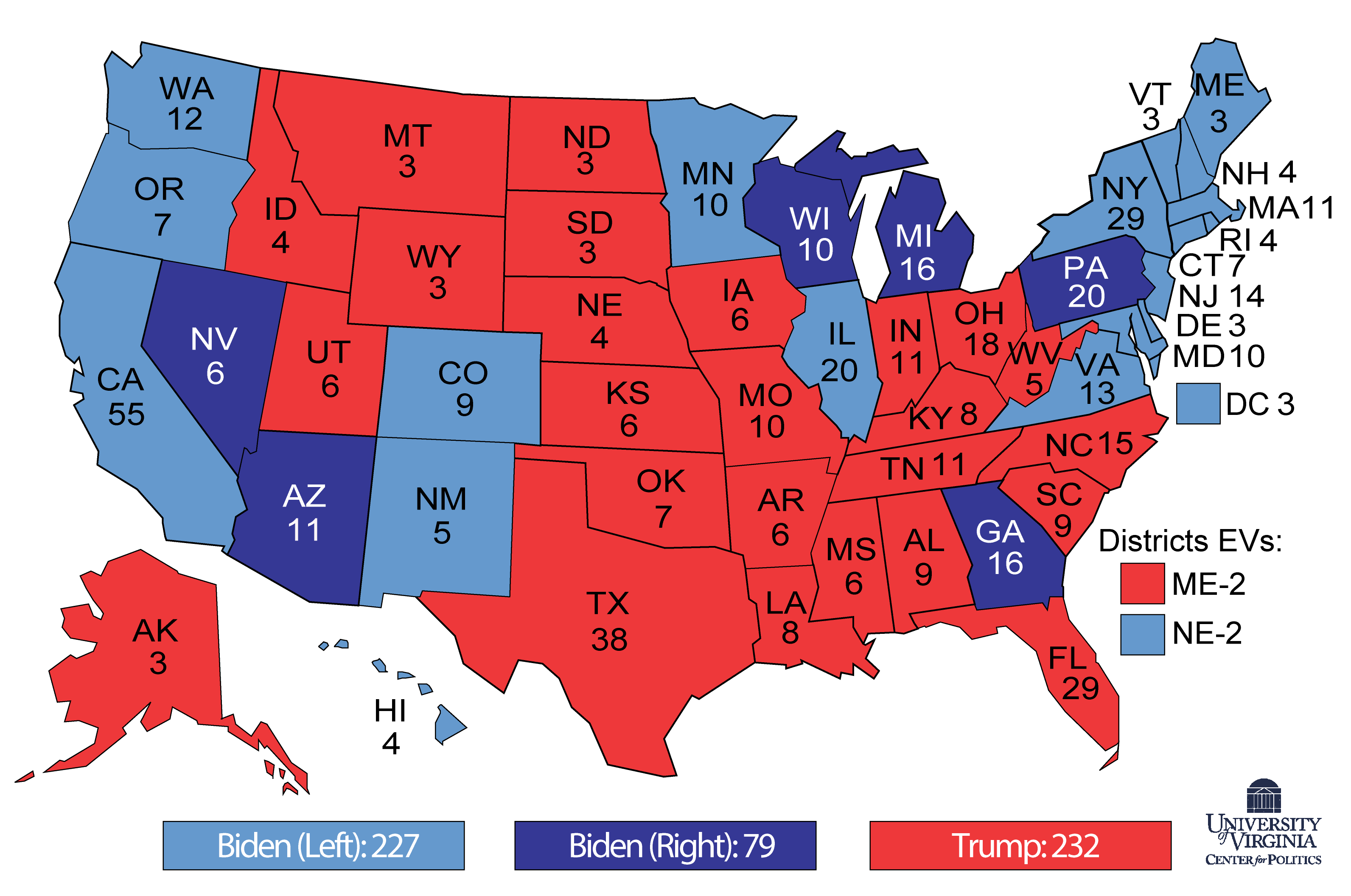
Montana, often dubbed “Big Sky Country,” conjures images of vast, untamed landscapes, rugged individualism, and a deep connection to the natural world. Its breathtaking vistas, from the towering peaks of the Rocky Mountains to the sprawling plains, have long attracted those seeking adventure and a life less ordinary. But when it comes to the political leanings of this majestic state, the answer to whether Montana is liberal or conservative is far from a simple declaration. It’s a nuanced tapestry woven with diverse communities, varying economic interests, and a unique historical trajectory that defies easy categorization.

Understanding Montana’s political identity requires looking beyond broad strokes and delving into the specific characteristics that shape its outlook. The state’s economy, its demographics, and the very essence of its lifestyle all play a role in defining its political landscape. While often perceived as a reliably conservative state, a closer examination reveals pockets of progressive thought and a significant independent streak among its residents.
The Conservative Strongholds and Their Roots
Historically, Montana has leaned conservative. This is largely due to its rural character, with a significant portion of its population residing in smaller towns and agricultural communities. These areas often share a strong sense of tradition, a reliance on industries like ranching and mining, and a deeply ingrained respect for individual liberty, all of which tend to align with conservative principles.
Rural Roots and Traditional Values
The vast open spaces of Montana foster a culture of self-reliance and a distrust of overreaching government. In many rural counties, the conservative vote is a consistent and powerful force. The lifestyle here is often tied to the land, and residents tend to prioritize issues such as property rights, gun ownership, and lower taxes. The agricultural sector, a cornerstone of Montana’s economy, often sees its interests best represented by conservative platforms that advocate for deregulation and support for farming and ranching operations.
The history of Montana also plays a role. It was settled by pioneers who carved out a life in a challenging environment, fostering a spirit of resilience and independence. This legacy continues to influence the political mindset of many Montanans, who value their freedom to live and work without excessive interference.
Industry Influence and Economic Concerns
Beyond agriculture, key industries in Montana also contribute to its conservative leaning. The extraction of natural resources, including coal, oil, and precious metals, has been vital to the state’s economy for over a century. Companies and workers in these sectors often find their interests aligned with conservative policies that favor resource development and oppose stringent environmental regulations. Cities like Billings, the state’s largest, often reflect this economic influence, with a strong presence of industries tied to natural resources and a generally conservative voter base.
Even in the realm of tourism, which is increasingly vital to Montana’s economy, a conservative bent can be observed. While tourism itself can bring diverse perspectives, many businesses catering to outdoor recreation, hunting, and fishing often resonate with a more traditional, conservative clientele. The desire to preserve the wild and pristine nature of Montana is a sentiment shared across the political spectrum, but the approach to its management can differ significantly.
Liberal Pockets and Progressive Voices
Despite its conservative majority, Montana is not monolithically so. The state’s urban centers and areas with a strong university presence tend to be more liberal. These communities often attract a younger demographic, a more diverse population, and professionals in fields that may foster more progressive viewpoints.
Urban Centers and University Towns
Missoula, home to the University of Montana, is widely considered the most liberal city in the state. Its vibrant arts scene, focus on environmental issues, and diverse student body contribute to a more progressive political climate. Here, you’ll find a greater emphasis on social justice, renewable energy, and a broader range of cultural expressions. Residents of Missoula are more likely to support policies aimed at environmental protection and social programs.
Similarly, Bozeman, another university town and a hub for tech and outdoor recreation, exhibits a growing liberal presence. While Bozeman has seen significant growth and an influx of new residents with diverse backgrounds, its political landscape is becoming more varied. The presence of Montana State University in Bozeman contributes to a more liberal and progressive student and faculty population, influencing the city’s overall political discourse.
Shifting Demographics and Emerging Trends
As Montana continues to attract new residents from across the country, particularly from more liberal states, its demographics are gradually shifting. These newcomers often bring with them different perspectives and voting habits, contributing to a more diverse political dialogue. While they may not entirely outweigh the established conservative base, their influence is undeniable, particularly in the growing urban areas.
This influx of population also impacts the lifestyle choices available. While the quintessential Montana experience often involves rugged outdoor adventures and quiet retreats, there’s a growing demand for more urban amenities, a wider array of dining options, and cultural events that cater to a broader range of tastes. This evolution in lifestyle preferences can, in turn, shape political attitudes.
The “Montana Way” and Independent Spirit
Perhaps the most defining characteristic of Montana’s political identity is its independent spirit. Many Montanans, regardless of their declared party affiliation, value their ability to think for themselves and often resist being pigeonholed. This can lead to surprising voting patterns, where individuals may vote for a conservative candidate on one ballot and a liberal candidate on another, based on specific issues or personalities.
A Blend of Pragmatism and Principle
The “Montana Way” often involves a pragmatic approach to governance. Residents are generally less concerned with rigid ideology and more focused on practical solutions that benefit their communities and their state. This pragmatism can manifest in a willingness to consider policies from across the political spectrum if they are seen as effective and beneficial. For instance, while many Montanans are fiscally conservative, they may also support investments in infrastructure or conservation efforts if they can see a clear benefit.
The independent streak also means that Montana politics can be fiercely local. Decisions made at the state or federal level are often viewed through the lens of how they will directly impact local communities and individual livelihoods. This focus on tangible outcomes can sometimes transcend traditional partisan divides.

Tourism and Lifestyle Influence
The very act of visiting or living in Montana can influence one’s perspective. The sheer beauty and accessibility of its natural wonders, from Glacier National Park to Yellowstone National Park, foster a deep appreciation for the environment. While this appreciation doesn’t automatically translate to liberal politics, it does mean that environmental issues are often important considerations for Montanans, regardless of their political leaning.
The lifestyle in Montana, whether it’s the luxury travel experienced at resorts like The Resort at Paws Up, or the budget-friendly adventures exploring national forests, often emphasizes a connection to nature and a sense of freedom. This can create a unique political climate where traditional conservative values of self-reliance and liberty are balanced with a growing awareness of environmental stewardship and the desire to preserve the unique character of the state.
In conclusion, asking whether Montana is liberal or conservative is akin to asking if its vast skies are blue or grey. The reality is a dynamic spectrum. While conservative principles hold sway in many of its rural landscapes and resource-dependent communities, its urban centers and growing population are fostering a more liberal and diverse political discourse. Ultimately, the “Big Sky Country” is a state of proud independents, where pragmatism, a deep love for the land, and a unique historical narrative combine to create a political identity that is as complex and captivating as its own breathtaking scenery. Whether one is seeking luxury accommodation in Whitefish, exploring historical landmarks in Helena, or enjoying the natural wonders near Big Sky, the political pulse of Montana beats with a rhythm all its own.
LifeOutOfTheBox is a participant in the Amazon Services LLC Associates Program, an affiliate advertising program designed to provide a means for sites to earn advertising fees by advertising and linking to Amazon.com. Amazon, the Amazon logo, AmazonSupply, and the AmazonSupply logo are trademarks of Amazon.com, Inc. or its affiliates. As an Amazon Associate we earn affiliate commissions from qualifying purchases.