
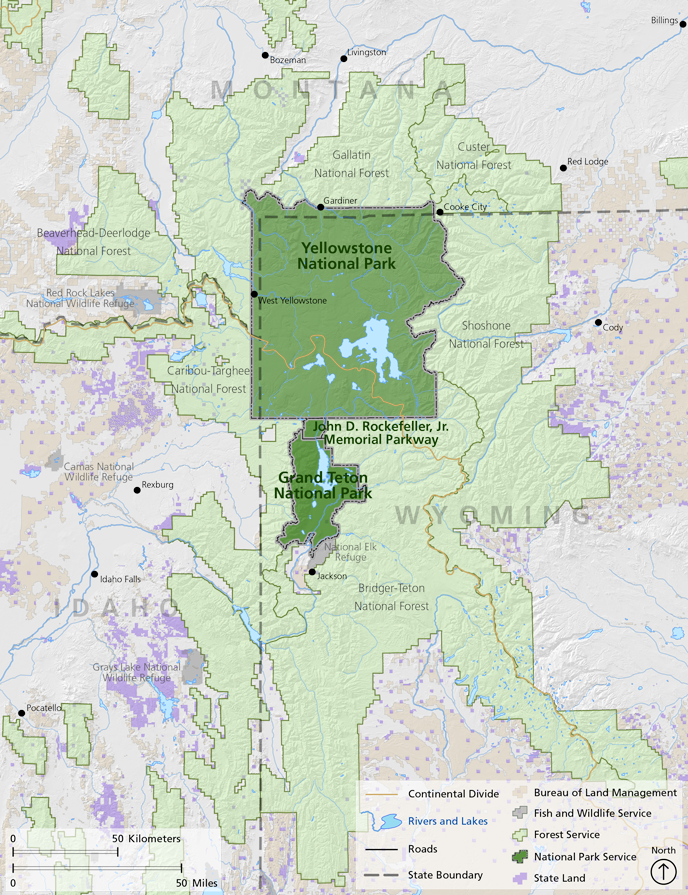
The question of whether Yellowstone National Park resides in Montana or Wyoming is a common one, often sparking friendly debate among travelers and nature enthusiasts alike. The truth, however, is that this iconic American landmark sprawls across not just one, but three states, with the lion’s share of its breathtaking landscapes found within the borders of Wyoming, but with significant and equally stunning portions extending into Montana and a sliver reaching into Idaho. Understanding this geographical distribution is key to planning an effective and enjoyable visit to what is undoubtedly one of the world’s most magnificent natural treasures.

Navigating the Vastness: A Multi-State Marvel
Yellowstone National Park is a testament to the grandeur of the American West, a sprawling wilderness renowned for its geothermal wonders, abundant wildlife, and dramatic geological formations. Its sheer size necessitates a nuanced approach to exploration, and recognizing its presence across multiple states is the first step in appreciating its diverse offerings. While Wyoming holds the majority of the park’s most famous attractions, including the iconic Old Faithful geyser and the vast majority of the park’s thermal features, the entrances and territories within Montana and Idaho offer unique perspectives and access points to this natural wonderland.
Wyoming: The Heart of Yellowstone’s Grandeur
The vast majority of Yellowstone National Park, approximately 96%, lies within the state of Wyoming. This is where visitors will find the park’s most celebrated landmarks and a concentration of its most awe-inspiring natural phenomena. The southern and eastern entrances to the park, often accessed via towns like Jackson and Cody respectively, lead directly into the heart of Wyoming’s portion of Yellowstone.
Geothermal Marvels and Wildlife Hotspots
Within Wyoming’s boundaries, the park boasts the world’s largest collection of geysers, hot springs, mudpots, and fumaroles. The Upper Geyser Basin, home to Old Faithful, is a must-see. Nearby, the Midway Geyser Basin captivates with the vibrant hues of the Grand Prismatic Spring, and the Lower Geyser Basin offers further geothermal spectacles.
Beyond the steaming earth, Wyoming is a prime location for wildlife viewing. The Hayden Valley is a renowned spot for spotting herds of bison, elk, and pronghorn, while the Lamar Valley, though partly in Montana, is also a significant draw for its wolf and bear sightings, often accessed from Wyoming entrances. The Yellowstone Lake, the largest high-elevation lake in North America, is another significant feature within Wyoming, offering stunning vistas and opportunities for boating and fishing.
Accommodation and Amenities in Yellowstone’s Wyoming Sector
For those planning a stay, Wyoming’s side of Yellowstone National Park offers a range of accommodation options. Iconic lodges like the Old Faithful Inn and the Lake Yellowstone Hotel provide historic charm and convenient access to the park’s main attractions. Campgrounds are also plentiful, offering a more immersive outdoor experience. Towns surrounding the Wyoming entrances, such as West Yellowstone (though technically in Montana, it serves as a major gateway to the Wyoming side), Gardiner, Cody, and Jackson, provide a wider array of hotels, motels, and rental cabins for visitors seeking lodging outside the park’s immediate boundaries. These gateway communities also offer essential services, restaurants, and shops, contributing to the overall tourism infrastructure.
Montana: The Northern Gateway and Wilderness Access
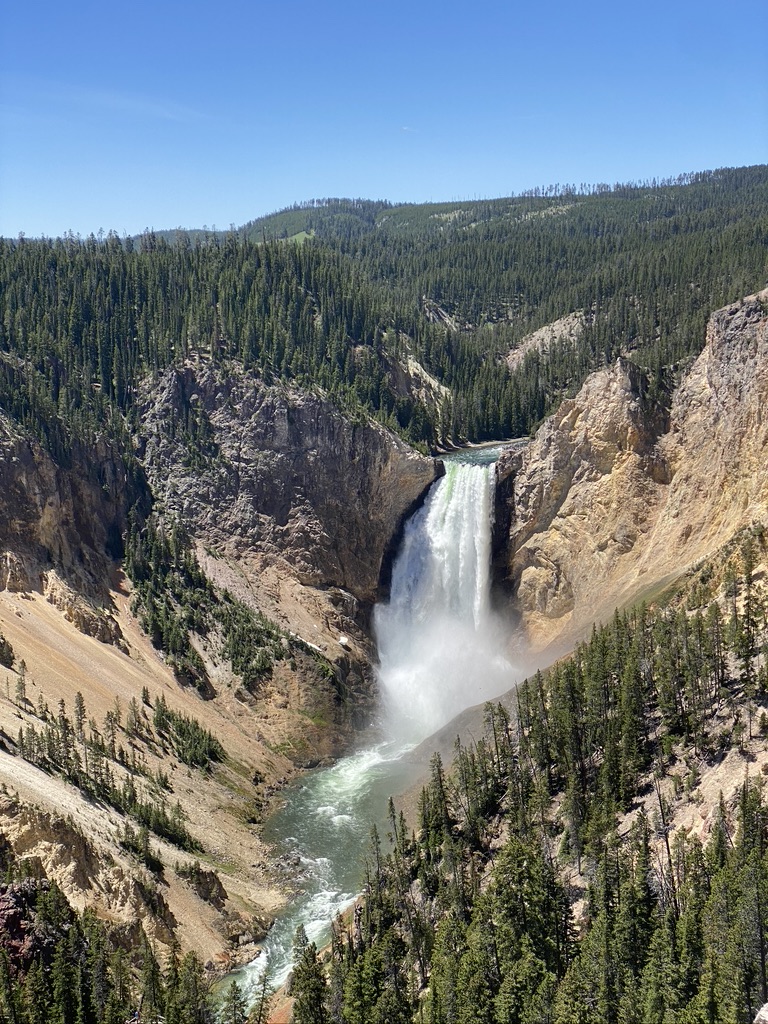
While Wyoming holds the largest portion, Montana plays a crucial role in providing access to and housing some of Yellowstone National Park’s most beloved areas. Approximately 3% of the park is located within Montana, primarily in the northern section. The towns of Gardiner and Livingston are key gateways, with Gardiner being home to the famous Roosevelt Arch, the original north entrance to the park.
Diverse Landscapes and Wildlife Corridors
The entrance through Montana leads visitors into the Mammoth Hot Springs area, a unique landscape of travertine terraces formed by mineral-rich hot water. This area is also a hub for wildlife, with elk often seen grazing in the vicinity of the historic Fort Yellowstone buildings. Traveling further into the park from the Montana entrances, visitors can access the northern range, which is renowned for its exceptional wildlife viewing opportunities, particularly for wolves and bears. The Lamar Valley, often referred to as the “Serengeti of North America,” is a prime example, offering expansive vistas and a high chance of spotting a diverse array of animals in their natural habitat.
Planning Your Montana Entrance
For travelers arriving from the north, utilizing the Montana entrances offers a distinct experience. Gardiner, Montana, provides direct access to the northern section of the park and is a popular base for exploring Mammoth Hot Springs and the northern range. Cooke City and Silver Gate, located near the northeast entrance, offer a more remote and rugged experience, serving as gateways to the eastern and northern parts of the park, and are excellent starting points for exploring the Beartooth Highway (though this is outside the park’s direct boundaries, it’s a significant scenic route often combined with a Yellowstone visit).
Accommodation in these Montana gateway towns includes a variety of hotels, motels, and lodges. Gardiner offers a range of options, from budget-friendly motels to charming inns. Livingston, a larger town further north, provides a wider selection of accommodations and amenities, acting as a more distant but still viable gateway. For those seeking unique lodging experiences, rustic cabins and vacation rentals are also available, catering to a range of travel styles and budgets.
Idaho: The Lesser-Known but Significant Slice
While its contribution is the smallest, a modest portion of Yellowstone National Park, just under 1%, extends into the state of Idaho. This often overlooked segment offers a different kind of wilderness experience, characterized by a more rugged and less developed terrain. The western entrance, accessed from Island Park, Idaho, leads into this quieter, more remote section of the park.
Remote Wilderness and Backcountry Adventures
The Idaho portion of the park is primarily characterized by its wild backcountry. It offers opportunities for those seeking solitude and a deeper immersion into nature. Attractions here are less about the concentrated geothermal activity and more about exploring dense forests, pristine rivers, and vast, undeveloped landscapes. This area is particularly appealing to hikers, campers, and anglers looking for an escape from the more crowded areas of the park.
Experiencing Yellowstone’s Idaho Side
Visitors entering from Idaho will find fewer developed visitor services within the park itself compared to the Wyoming and Montana sections. Island Park, Idaho, serves as the primary gateway town, offering a selection of lodges, cabins, and campgrounds. The infrastructure here is more geared towards outdoor recreation, with outfitters providing services for fishing, hiking, and other wilderness activities. While this section might not boast the iconic geysers, it offers a unique chance to experience the untamed spirit of Yellowstone, making it a worthwhile consideration for seasoned adventurers and those looking for a less conventional visit.
In conclusion, the answer to “Is Yellowstone National Park in Montana or Wyoming?” is a resounding “both, and more.” This magnificent park is a multi-state treasure, with Wyoming serving as its dominant geographical anchor, home to its most famous features. Montana provides critical northern access and iconic entry points, while Idaho offers a gateway to its wilder, more remote corners. Understanding this geographical reality is not just an academic exercise; it is fundamental to crafting a comprehensive and unforgettable journey through the diverse wonders of Yellowstone. Whether you’re drawn to the thundering geysers, the majestic wildlife, or the serene wilderness, each state offers a unique portal into the heart of this unparalleled natural landmark.
LifeOutOfTheBox is a participant in the Amazon Services LLC Associates Program, an affiliate advertising program designed to provide a means for sites to earn advertising fees by advertising and linking to Amazon.com. Amazon, the Amazon logo, AmazonSupply, and the AmazonSupply logo are trademarks of Amazon.com, Inc. or its affiliates. As an Amazon Associate we earn affiliate commissions from qualifying purchases.